What Is Me, Natalie About?
The premise of Me, Natalie in 356 words, with nothing given away. The full story follows below.
Natalie Miller has spent her life feeling invisible, haunted by the belief that she will never be pretty enough. Growing up in Brooklyn under the watchful eye of a well‑meaning mother, she watches the effortless confidence of a blonde best friend and the casual charms of a schoolmate that always remain just out of reach. Those early insecurities shape a quiet resolve to prove herself, even as her own reflection offers little reassurance. The film opens with her perched on the edge of adulthood, uncertain whether the world will ever see her as she wishes to be seen.
Seeking a fresh start, Natalie abandons her family apartment and slips into a quirky Greenwich Village loft whose decor—complete with a moose‑head and a stubborn dumbwaiter—mirrors the off‑beat energy of the neighborhood. By day she commutes on a motorcycle, and by night she slips into the luminous chaos of the Topless Bottom Club, a nocturnal haunt where cocktail‑waitresses navigate a bizarre blend of glamour and grit. The club’s neon glow and the building’s cramped, eclectic corridors become a backdrop for her tentative steps toward independence, a place where she can reinvent herself away from the expectations that have long confined her.
Below her new home lives David Harris, an architect turned painter whose studio is filled with charcoal sketches of nude models. Their first encounter is electric—she mistakes his artistic focus for something unsavory, yet his gentle, attentive manner quickly draws her in. Their conversations ripple with an unspoken understanding, and the promise of being seen for who she truly is ignites a passionate connection. As Natalie allows herself to model for his work, the line between muse and lover blurs, opening a doorway to deeper emotional intimacy.
When the reality of David’s personal life surfaces, Natalie is forced to confront the gap between her longing for love and the responsibilities that accompany it. The film balances a tender, almost clinical observation of New York’s nocturnal texture with an introspective tone, inviting viewers to watch a young woman grapple with self‑worth, desire, and the uneasy question of who she wants to become when the illusion of romance fades.
What Happens in Me, Natalie?
The complete story of Me, Natalie, from the first scene to the last, in 995 words (about 4 minutes). Spoilers throughout. Names in the text link to 10 cast member pages.
Spoilers ahead
Natalie Miller grows up in Brooklyn with a quiet sense of being plain, shaped by childhood insecurities about her face—an overbite and a somewhat large nose that make her doubt she’ll ever match her mother’s belief that she’ll grow up pretty. She watches her best friend, a popular blonde named Betty, glide through school as the captain of social popularity, while the boyish charm of Stanley remains out of reach. Natalie’s efforts to fit in—trying out for cheerleader status, landing a blind date, and hoping to attend her graduation dance—are repeatedly thwarted, leaving her with a growing sense of inadequacy and frustration.
Her world briefly brightens when her beloved Uncle Harold(/actor/martin-balsam) offers a glow of warmth and encouragement, telling her that someday a man will see her inner worth beyond her surface. But that glow flickers when Harold becomes engaged to the glamorous and alluring go-go dancer Shirley Norton. Natalie’s instinctive dislike for Shirley deepens into a sharper judgment, colored by the fear that Harold has chosen looks over character. When Harold dies unexpectedly, Natalie circumvents the funeral, nursing a knot of disillusionment about love, happiness, and the people she once trusted.
A year passes, and Natalie’s view of Shirley—and of Harold’s love for her—begins to shift. Shirley, in her grief, has turned to drugs, and Natalie perceives a painful truth: Harold and Shirley truly loved one another, and beauty did not shield them from sorrow or give them lasting happiness. Meanwhile Natalie’s life at home grows more precarious. Her parents worry as she finds herself expelled from college, with no steady job and little prospect for a future with a husband. In an attempt to secure her prospects, her father tries to bribe Morris, an awkward aspiring optometrist, to marry Natalie, a desperate move that backfires when Natalie learns of the scheme.
Feeling boxed in, Natalie leaves her parents’ apartment and heads toward Manhattan, intending to move in with Shirley in her bohemian Greenwich Village building. But the revelation at Shirley’s door is startling: Shirley has died of a drug overdose. Natalie seizes Shirley’s vacant apartment and begins a new life, taking a job as a cocktail waitress at the famed “Topless Bottomless Club,” where the city’s nocturnal energy rubs up against Natalie’s evolving resolve to find her own path.
It is in this new, restless environment that Natalie meets her downstairs neighbor, David Harris, an architect who has left steady work to pursue painting. At first, Natalie misreads him as a “sex pervert” because of his habit of drawing nude models, but David sees something in her that makes him gentle and attentive. He asks her to model for him, and what begins as a cautious curiosity gradually blossoms into a real romance. David’s faith in her helps Natalie see herself in a brighter light, and he becomes a catalyst for her growing confidence as she supports his artistic ambitions.
Yet the relationship carries a hidden complication. Natalie witnesses a different side of David’s life: a marriage to a wealthy, beautiful woman with two young sons. The revelation shatters the illusion Natalie has built around their future together. After a tense confrontation, David swears that his love for Natalie is real and that he will leave his wife and family to be with her. Natalie, initially buoyed by this declaration, soon grapples with guilt—the sense that taking him away from his children would be an act of selfishness that could harm others she cares about.
As time stretches on, Natalie wrestles with the dilemma of pursuing her own happiness while acknowledging the lives tangled around David. She eventually chooses responsibility and honesty over a romantic fantasy: she writes a farewell letter to David, affirming her enduring love but deciding to step back and chart her own course.
Throughout this journey, Natalie’s path runs parallel to a cast of supporting figures who shape her growth and choices. In the background, a worried father figures the price of independence as he lobbies for an arranged match with Mr. Miller, while Natalie’s mother and other relatives navigate the shifting currents of ambition, fear, and longing. The movie threads these relationships with a quiet, observational tone, balancing intimate heartbreak with the larger question of what it means to pursue happiness when the path forward isn’t clearly marked.
The central arc—Natalie’s struggle to see beyond conventional beauty and to cultivate a life anchored in self-respect and genuine connection—unfolds with a patient, almost clinical attention to texture: the clutter of a New York apartment building, the flicker of neon in a club, the hush of a studio where paint dries and feelings crystallize. When Natalie finally chooses self-determination over clinging to a potentially ill-fated romance, the film leaves her at a moment of tentative empowerment, suggesting that the real work of growing up is choosing responsibility and purpose even when love offers a tempting but risky shortcut.
The story does not rush its revelations; instead, it invites viewers to watch Natalie’s evolution as a gradual, often painful process of learning to value herself beyond appearances. The result is a measured, compassionate portrait of a young woman who begins by believing she is not enough and ends by choosing to define her own happiness, even if that means stepping away from a dream that would require sacrificing others’ well-being. In this way, the film becomes less about a single romance and more about the ongoing ascent from insecurity to self-knowledge, with Natalie’s future left open to the possibilities that come from embracing her inner worth and seeking connections that reflect that truth.
Notes on cast appearances appear subtly throughout, with the characters and their relationships framed by the performances that bring them to life: Natalie Miller, Uncle Harold(/actor/martin-balsam), Shirley, Betty, Morris, Mr. Miller, Mrs Miller, David Harris, Harvey Belman, Hester, Diane Harris, and Max, among others, all weaving a tapestry that reflects both the ache of unmet expectations and the hopeful courage required to seek a truer sense of self.
Me, Natalie Timeline: Every Key Event in Order
15 key events in the order they happen, from “Natalie grows up in Brooklyn feeling homely” to “David vows to end his marriage; Natalie steps toward happiness”. 15 events name a place, across 9 locations.
- 1
Natalie grows up in Brooklyn feeling homely
Natalie Miller spends her childhood in Brooklyn, convinced she is plain-looking. She absorbs her mother's belief that she will eventually become pretty, even as her confidence falters. This self-image sets the tone for her early ambitions and insecurities.
When:Childhood Where:Brooklyn, New York
- 2
Natalie pursues cheerleading and faces social hurdles
She trains to be a cheerleader and seeks to impress a blind date. She also hopes to attend her graduation dance, but these efforts repeatedly fall short. The experiences reinforce her sense of not fitting in.
When:Late adolescence Where:Brooklyn, New York
- 3
Uncle Harold offers a hopeful message
Uncle Harold tells Natalie that someday a man will look beyond her face and see her inner qualities. He tries to bolster her confidence just as life pulls her down. The scene plants a fragile optimism in her heart.
When:Youth Where:Brooklyn, New York
- 4
Harold becomes engaged to Shirley
Harold announces his engagement to Shirley, a sexy go-go dancer, which makes Natalie feel excluded and skeptical about love. She suspects Harold chose Shirley for her looks, not her heart. The engagement marks a turning point in her hope for a different future.
When:Pre-engagement period Where:Brooklyn, New York
- 5
Harold dies; Natalie avoids his funeral
Harold dies unexpectedly, leaving Natalie to confront the loss. She chooses not to attend his funeral, feeling betrayed and hurt by the life changes around her. The death intensifies her sense of loneliness and questions about love.
When:Shortly after engagement Where:Brooklyn, New York
- 6
A year later, Shirley's life takes a dark turn
A year after Harold's death, Natalie encounters Shirley, who has turned to drugs in her grief. Natalie sees that Harold and Shirley's love did not bring happiness to Shirley herself. The moment reframes beauty and attraction as not equating to happiness.
When:One year later Where:Manhattan (Greenwich Village/bohemian setting)
- 7
Natalie's parents' concern and dating pressure
Natalie's parents worry that she is expelled from college, has no steady job, and no prospects for marriage. They begin arranging dates in a bid to fix her life. The family dynamics highlight the social pressures Natalie faces.
When:Post-Shirley encounter Where:Brooklyn, New York
- 8
Father tries to fix her with Morris
Her father even tries to bribe Morris, an awkward aspiring optometrist, to marry Natalie. The bribery scheme reveals the family's desperation for a conventional life. Natalie reacts with anger and a desire for independence.
When:Before move Where:Brooklyn, New York
- 9
Natalie leaves home to start anew in Manhattan
Hearing about the bribery plot, Natalie moves out of her parents' apartment. She plans to move in with Shirley in Manhattan to escape the pressure and reinvent herself. This shift marks the move from her old life toward a bohemian future.
When:After bribery plot Where:Brooklyn to Manhattan, New York
- 10
Shirley dies of a drug overdose
Upon arriving in Shirley's bohemian building in Greenwich Village, Natalie learns that Shirley has died from a drug overdose. The tragedy shocks her into a new reality about the people she once admired. She begins to rebuild her life in Shirley's absence.
When:Early in Manhattan period Where:Greenwich Village, Manhattan
Show the other 5 events of Me, Natalie Hide the last 5 events
- 11
Natalie rents Shirley's apartment and starts a new job
Natalie rents the vacant Shirley apartment and is hired as a cocktail waitress at the Topless Bottomless Club. This job exposes her to a grittier, adult world than she expected. It also places her close to her downstairs neighbor, David Harris.
When:After Shirley's death Where:Topless Bottomless Club, Manhattan
- 12
David Harris becomes a presence in her life
David Harris, an architect who has left his job to paint, lives downstairs. Natalie initially dismisses him, labeling him a sex pervert because of his nude models. Their first impressions collide before they begin to see potential in each other.
When:Early acquaintance Where:Building in Manhattan
- 13
Natalie and David's romance deepens
Their friendship deepens into romance as David supports Natalie while she encourages his painting dreams. The relationship grows in a circle of trust and vulnerable self-discovery. Both find in each other a sense of self-worth they hadn't felt before.
When:Romance development Where:David's studio, Manhattan
- 14
Natalie learns David is married with two sons
Natalie discovers that David is actually married to a wealthy woman with two young sons. The revelation shatters her idealized romance and triggers a confrontation. She must reassess the meaning of love and commitment.
When:Midpoint Where:David's home, Manhattan
- 15
David vows to end his marriage; Natalie steps toward happiness
After the confrontation, David assures Natalie that he will leave his wife. She waits, torn between love and responsibility to others. Eventually she writes a farewell letter and chooses to take responsibility for her own happiness.
When:Post-confrontation Where:David's apartment, Manhattan
Who Are the Main Characters in Me, Natalie?
7 characters, among them Natalie Miller (Patty Duke), Uncle Harold (Martin Balsam) and Shirley Norton (Salome Jens): who each one is and the part they play in the story. Every profile links to the actor’s page.
-
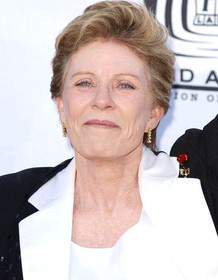
Natalie Miller (Patty Duke)
Played by Patty Duke
A Brooklyn teenager who feels homely and is defined by her looks. She struggles with self-image while dreaming of cheerleading, love, and a future that confirms her value beyond appearance. Her journey moves from failed social milestones to a decision to pursue her own happiness, even when it means leaving family expectations behind. She grows into a more self-assured individual through hardship and romance.
- ✨ Inner beauty
- 💔 Love vs self-worth
- 🌆 City life
-
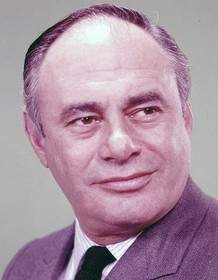
Uncle Harold (Martin Balsam)
Played by Martin Balsam
A supportive family figure who believes Natalie will be valued for more than her looks. His engagement to Shirley exposes contrasting paths to happiness, and his sudden death leaves Natalie disoriented and more determined to chart her own course. He embodies the tension between appearances and inner worth.
- 🕯️ Mentor
- 💬 Family values
- 🌟 Loss
- SN
Shirley Norton (Salome Jens)
Played by Salome Jens
Harold’s glamorous fiancée and a go-go dancer whose beauty embodies a seductive but fragile ideal. Her presence highlights the emptiness that can accompany surface-level happiness, especially after Harold’s death. She serves as a foil to Natalie’s evolving sense of fulfillment.
- 🎭 Glamour and tragedy
- 🚬 Bohemian lifestyle
- 💃 Seduction
- DH
David Harris (James Farentino)
Played by James Farentino
Natalie’s downstairs neighbor, an architect-turned-painter who becomes her love interest. He initially seems sympathetic and artistically inspired, but he is secretly married with two sons. His promises to leave his wife test Natalie’s capacity to let go and pursue her own life.
- 🎨 Artist
- 💘 Forbidden love
- 🧭 Loyalty conflict
- B(
Betty (Deborah Winters)
Played by Deborah Winters
Natalie’s best friend, a popular cheerleader whose steady relationship with Stanley contrasts with Natalie’s insecurity. Betty’s path toward an unhappy marriage after an unwed pregnancy illustrates the social pressures surrounding relationships and choice.
- 👯♀️ Friendship
- 🧭 Marriage pressure
- 🕊️ Consequences
-

Morris (Bob Balaban)
Played by Bob Balaban
An awkward aspiring optometrist who becomes the target of Natalie's father’s attempt to secure a suitable husband for Natalie. He represents a practical, conventional choice that contrasts with Natalie's desire for authentic connection.
- 👁️🗨️ Bribery
- 💼 Ambition
- 😌 Relatable awkwardness
- MM
Mrs Miller (Nancy Marchand)
Played by Nancy Marchand
Natalie’s mother, anxious about social prospects for her daughter and eager to arrange dates. She embodies parental concern and the pressure to conform to traditional paths for marriage and career.
- 👩👧 Mother figure
- 🧭 Pressure
- 💸 Social expectation
Where and When Is Me, Natalie Set?
Me, Natalie is set in Brooklyn, Greenwich Village, Manhattan and Topless Bottomless Club (1960s). Here is why the time and place matter to the story.
When
1960s
The film unfolds in the 1960s New York City, a period of social upheaval and urban experimentation. The city’s dynamic neighborhoods reflect a shift toward personal autonomy and changing gender norms. Amid fashion, nightlife, and evolving attitudes, Natalie’s journey mirrors the era’s tension between tradition and independence. The setting anchors her transition from home to a more self-directed life.
Where
Brooklyn, Greenwich Village, Manhattan, Topless Bottomless Club
The story centers in Brooklyn, where Natalie grows up and faces family expectations. Greenwich Village in Manhattan serves as a bohemian backdrop that contrasts with Natalie’s upbringing and signals a path toward independence. The Topless Bottomless Club provides the nighttime milieu Natalie enters as she seeks work and belonging. Together, these places frame her social world and her quest for self-definition.
- 🏙️ Urban
- 🎭 Bohemian
- 🗽 New York City
What Are the Themes of Me, Natalie?
4 ideas the story keeps returning to, among them Self-worth, Love and loyalty and Independence.
-
01
Self-worth
Natalie learns that true value lies beyond appearance. Her attempts to fit conventional beauty standards and win approval reveal the fragility of self-esteem built on looks. The story emphasizes inner qualities and personal courage as the basis for happiness. Her growth comes from recognizing her own worth rather than seeking external validation.
-
02
Love and loyalty
A romance with David Harris exposes the conflict between desire and commitment. Natalie experiences the lure of a passionate relationship and the pain of mistaken promises. The revelation of David’s marriage tests her trust and loyalty to her own happiness. The narrative uses this love triangle to question what genuine love requires.
-
03
Independence
The turning point comes when Natalie chooses to take control of her life rather than conform to others’ plans. Moving out, seeking her own path, and accepting responsibility for her happiness signal a shift toward autonomy. The story treats independence as a valued, if challenging, destination. It emphasizes personal agency over superficial romantic resolutions.
-
04
Art and life
Artistic pursuit intersects with Natalie’s personal growth, as David’s painting and their evolving relationship reveal how creativity shapes identity. The romance is framed by artistic aspiration and the realities of life, including commitment and family. The narrative uses art as a lens to examine authenticity and vulnerability. Ultimately, creative expression becomes a catalyst for Natalie's self-definition.
What Kind of Film Is Me, Natalie?
Bittersweet in tone, with steady pacing and a moderate story, going by the plot summary.
- Tone
- Bittersweet
- Pacing
- Steady
- Story
- Moderate
- Intensity
- Medium
- Ending
- Bittersweet
A patient and reflective character study that follows a young woman's journey from painful insecurity to a hard-won sense of self-respect, blending moments of tender romance with the sobering realities of adult compromise.
- self-conscious
- hopeful
- lonely
- introspective
- reflective
- earnest
- coming of age
- body image
- self-discovery
- illicit affair
Content notes: drug overdose.
Quiz
How well do you remember Me, Natalie? Test yourself on the story.