What Is Mediterranea About?
The premise of Mediterranea in 344 words, with nothing given away. The full story follows below.
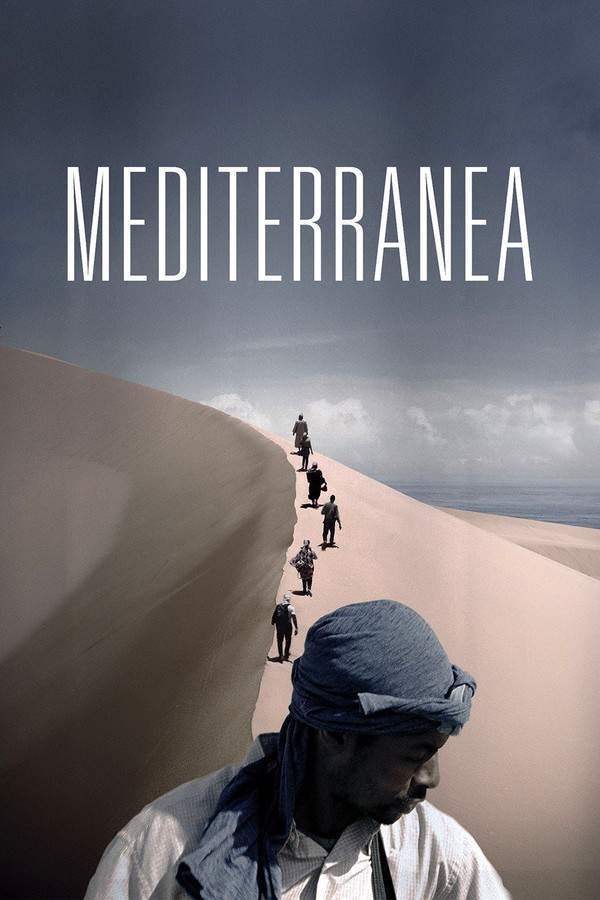
In the sweltering heat of the Sahel, two inseparable friends from Burkina Faso, Ayiva and Abas, cling to a shared vision of a brighter future for their families. Their conversation is laced with both the desperation of a life constrained by poverty and the stubborn optimism that a distant shore might offer the chance to send money home, to rewrite the story of their loved ones. The film opens by immersing the audience in the stark beauty of the desert, where the horizon seems both a promise and a threat, setting a tone that is simultaneously hopeful and foreboding.
The journey itself becomes a landscape of contradictions: endless dunes punctuated by the fleeting camaraderie of fellow travelers, and the stark reality of hidden dangers that loom in the shadows of each oasis. As they press onward, the sea looms as a final, treacherous gateway—a vast expanse that reflects their yearning for freedom while hinting at the peril that awaits beyond the shore. The cinematography captures this transition from scorching arid plains to the gray, uncertain coastline, underscoring the physical and emotional weight each step carries.
Upon reaching the Italian south, the world shifts dramatically. A modestly squatted dwelling becomes their new sanctuary, and the rhythm of daily life turns to orange groves, quiet kitchens, and whispered conversations over shared meals. Here, Ayiva finds an unexpected opening in the home of the Fondacaro family, whose hospitality offers a fragile bridge between cultures. The atmosphere is tinged with an uneasy equilibrium: the locals’ curiosity mixes with subtle mistrust, and the refugees’ struggle to belong is mirrored by the quiet, sometimes tense, interactions that ripple through the narrow streets.
Through its unvarnished visual language and measured pacing, the film paints a portrait of migration that is less about grand headlines and more about the intimate moments that define a quest for dignity. It invites viewers to feel the weight of each mile, the texture of foreign air, and the lingering question of whether a place can ever truly become home when the journey itself reshapes the traveler.
What Happens in Mediterranea?
The complete story of Mediterranea, from the first scene to the last, in 437 words (about 2 minutes). Spoilers throughout. Names in the text link to 2 cast member pages.
Spoilers ahead
In a grueling journey from Burkina Faso to Europe, Ayiva Ayiva makes his way through Algeria and Libya, ultimately reaching Italy. He pays for his passage and witnesses fellow compatriots being robbed along the way, a stark reminder of the perilous path many refugees endure in pursuit of a safer life. In southern Italy, he finds himself living in a squatted property, eking out a living with orange picking and small-scale theft, all while sending money back to his family in Africa. The harsh reality of exploitation—where Africans are treated as cheap labor and not fully welcomed by locals—permeates his daily life, even as he is welcomed into the home of one Italian family, the Fondacaro family. He also tries to discourage his sister from taking the same risky path to join him in Europe.
As tensions simmer, a turning point arrives when one of their colleagues is attacked by Italian police. What follows is a large-scale protest against the treatment of refugees, with demonstrators damaging property and vehicles around the village. The response is harsh and immediate: the protesters are assaulted by some villagers, and the situation spirals into a riot. Tear gas is fired by the Italian authorities, and the violence intensifies as the crowd fights back. Amid the chaos, Abas Abas is caught up in the fray and is beaten; Ayiva manages to slip away through a side alley, but cannot escape the fury of the mob. The sirens signal the arrival of help, and the crowd disperses, leaving Abas badly injured in the street.
Ayiva and the Fondacaro family rally to help Abas, bringing him back to the house where they do what they can to tend his wounds. A local refugee charity proposes that Abas might obtain a year-long residence permit because of his injuries, offering a pathway to stability; yet Ayiva insists they would prefer to return home to Africa, choosing a different kind of safety and belonging over prolonged uncertainty. The bond between family and friends remains central as Ayiva speaks with his sister and daughter via Skype, keeping connections alive across oceans and borders.
Later, during a family celebration, Ayiva helps serve drinks for the Fondacaro clan. The invitation to step inside the house feels like a quiet affirmation of acceptance amid precarious circumstances. The scene closes with the muffled sound of pop music from the party, underscoring a moment of human warmth and tentative belonging. As the camera lingers, Ayiva slowly walks into the home, carrying the weight of his journey, the memory of those he left behind, and a lingering sense of hope in an uncertain future.
Mediterranea Timeline: Every Key Event in Order
11 key events in the order they happen, from “Begins the journey from Burkina Faso” to “Ending scene: a step toward belonging”. 11 events name a place, across 8 locations.
- 1
Begins the journey from Burkina Faso
Ayiva leaves Burkina Faso to pursue a better life in Europe. He travels through Algeria and Libya, paying for passage. Along the way, he sees compatriots robbed and exploited, underscoring the perilous route many migrants take.
Where:Burkina Faso → Algeria → Libya
- 2
Reaches southern Italy and finds a squatted home
He arrives in southern Italy and lives in a squatted property. He earns money by orange picking and petty theft to support himself and send remittances to his family back home. The migrants are exploited for cheap labor, even as they search for some stability.
Where:Southern Italy
- 3
Welcome into the Fondacaro home
Ayiva is not welcomed by all locals, but the Fondacaro family offers him a place in their home. His stay with them marks a tentative step toward belonging in a new community. He begins to navigate life with a fragile sense of acceptance.
Where:Fondacaro home, Southern Italy
- 4
Discouraging his sister from migrating
Ayiva tries to discourage his sister from leaving Africa to join him in Europe. He communicates with her via Skype, sharing his hardships and urging caution. The scene highlights the emotional toll of migration on families.
Where:Africa
- 5
A colleague attacked sparks protests
After a colleague is attacked by Italian police, the refugees begin protesting their treatment in the village. They damage property and cars as a visible sign of resistance. The moment signals a turning point in their struggle for dignity.
Where:Italian village
- 6
Protest escalates into riot and police response
The protest spirals into a riot as tensions flare between migrants and locals. Italian police arrive, firing tear gas and assaulting protesters. Ayiva manages to escape down a side alley while his friend Abas is beaten and left severely injured.
Where:Italian village
- 7
Abas is brought to safety and treated
The crowd disperses as sirens approach, leaving Abas badly injured in the street. Ayiva helps get him back to the Fondacaro family, where they attempt to treat his injuries. The episode deepens the sense of danger and care within the migrant community.
Where:Fondacaro home / Italian street
- 8
Charity suggests a residence permit, Ayiva resists
A local refugee charity suggests Abas could obtain a residence permit for a year due to his injuries. Ayiva says they would rather return home to Africa, underscoring the pull of homeland despite the hardships faced abroad.
Where:Italy
- 9
Sibling update via Skype
Ayiva speaks with his sister and daughter via Skype, sharing updates and emotional concerns. The call reinforces family bonds across distance and the ongoing decision of whether to stay or return home.
Where:Italy
- 10
Ayiva joins a Fondacaro family celebration
While serving drinks for the Fondacaro family at a celebration, Ayiva is invited inside to participate. The moment marks a small victory of inclusion within a new family circle. He begins to feel more integrated into Italian life.
Where:Fondacaro home
- 11
Ending scene: a step toward belonging
The film ends with the sound of pop music from the party as Ayiva slowly walks inside. It suggests a fragile sense of belonging amid an uncertain future. The closing image lingers on Ayiva's cautious integration into this new life.
Where:Fondacaro home
Who Are the Main Characters in Mediterranea?
2 characters, among them Ayiva (Alassane Sy) and Abas (Koudous Seihon): who each one is and the part they play in the story. Every profile links to the actor’s page.
-

Ayiva (Alassane Sy)
Played by Alassane Sy
Ayiva is a young man who undertakes a perilous journey from Burkina Faso toward Europe in search of a better life. He endures exploitation and danger, works precarious jobs, and shows resourcefulness and care for his sister as he navigates hostility and uncertainty. He forms a cautious bond with the Fondacaro family while trying to keep his family connected back home.
- 🌍 Migrant
- 💪 Resilience
- 🧭 Journey
-

Abas (Koudous Seihon)
Played by Koudous Seihon
Abas is Ayiva’s friend who becomes entangled in the violence of the village’s reaction to the protests. He is injured in the riot and depends on his companions for help, highlighting the dangers migrants face from both authorities and host communities. His fate underscores the stakes of seeking safety across borders.
- 🌩️ Violence
- 🤝 Friendship
Where and When Is Mediterranea Set?
Mediterranea is set in Burkina Faso, Algeria, Libya and Italy (Early 2010s). Here is why the time and place matter to the story.
When
Early 2010s
The narrative unfolds in present-day Europe’s migration crisis, focusing on the perilous northward journey and the uncertain legal status of refugees. It depicts everyday life in and around a southern Italian town where migrants work low-wage jobs and navigate social hostility. The timeline emphasizes the immediacy of choices: stay in Italy or return home.
Where
Burkina Faso, Algeria, Libya, Italy
The film spans the journey from Burkina Faso through Algeria and Libya to Italy, ending in a southern Italian village. It contrasts refugee camps and precarious squatted housing with acts of hospitality from a local Italian family. The setting highlights tension between migrant labor economies and communities that welcome or exclude newcomers.
- 🌍 Migration
- 🏘️ Settlement
- 🤝 Refugee experiences
What Are the Themes of Mediterranea?
3 ideas the story keeps returning to, among them Migration, Exploitation and Belonging.
-
01
Migration
Ayiva’s arduous trek from Burkina Faso to Europe embodies modern migratory displacement. The journey exposes dangers at sea and land routes, the financial costs paid to smugglers, and the persistent hope for a better life. The film centers on the resilience required to endure detention, poverty, and discrimination while seeking a place to belong.
-
02
Exploitation
The refugees face exploitation as cheap labor in southern Italy, with limited rights and low pay. They are often not welcomed by local villagers, yet they contribute through farm work and small-scale theft for survival. The story shows how labor markets weaponize vulnerability, forcing migrants to navigate precarious livelihoods.
-
03
Belonging
Ayiva finds tentative shelter in the Fondacaro home, illustrating fragile yet meaningful forms of welcome. The film also portrays tension between homesickness and the pull of new communities, as characters weigh staying or returning to Africa. The eventual sense of family and solidarity contrasts with the hostility encountered elsewhere.
What Kind of Film Is Mediterranea?
Bleak in tone, with steady pacing and a straightforward story, going by the plot summary.
- Tone
- Bleak
- Pacing
- Steady
- Story
- Straightforward
- Intensity
- High
- Ending
- Bittersweet
A stark and emotionally draining drama that follows two friends' perilous journey and harsh reality as immigrants, culminating in a bittersweet ending of ambiguous belonging amidst violence and exploitation.
- grim
- hopeful
- anxious
- melancholic
- tense
- desperate
- immigrant struggle
- friendship
- systemic exploitation
- violence and protest
Content notes: graphic violence, police brutality, racial hostility, exploitation, bloody injury.
Quiz
How well do you remember Mediterranea? Test yourself on the story.