

What Is Masani About?
The premise of Masani in 285 words, with nothing given away. The full story follows below.
In a rural landscape where ancient traditions echo through every stone, a centuries‑old idol remains unfinished, casting a quiet, uneasy tension over the community. The village is a tapestry of art, superstition, and rigid social codes, each thread tugging at the lives of those who call it home. A subtle unease pervades the air, as whispers of an unseen presence mingle with the rhythm of daily labor, hinting that the past refuses to stay buried.
Vishwa arrives in this world as a gifted sculptor, molded by the exacting guidance of his mentor, Swami. His talent is matched by an inner yearning for belonging, drawing him toward a gentle companionship with Kavitha, a woman whose own quiet strength mirrors his own aspirations. Their connection offers a glimpse of hope amid the village’s strict expectations, while the looming task of completing the idol becomes a symbolic canvas for their burgeoning dreams.
Beneath the surface, the village’s history holds a more fraught romance. Vetri, a man of standing, once found his heart bound to Masaani, a woman from a lower caste whose fate became entwined with the land itself. Their love, though brief, left an echo that now drifts through the fields and homes, manifesting as a lingering, ethereal presence that seems intent on confronting the lingering injustices of the community.
The story unfolds amid a delicate balance of creation and remembrance, where the act of sculpting becomes both a literal and figurative attempt to mend what has been broken. As Vishwa and Kavitha navigate the expectations of their world, the unseen forces that linger promise to shape their paths, inviting the audience to wonder how art, memory, and restless spirits might converge to reshape a village’s destiny.
What Happens in Masani?
The complete story of Masani, from the first scene to the last, in 323 words (about 1 minute). Spoilers throughout. Names in the text link to 7 cast member pages.
Spoilers ahead
Vishwa is a talented graduate sculptor who grows up under the guidance of the celebrated sculptor Swami, absorbing every nuance of the craft. When he meets Kavitha, the two quickly discover a shared affection that grounds them amid a troubling village backdrop. In a nearby locale, many sculptors come to finish a god’s idol that has remained unfinished for years, but every attempt meets a chilling obstacle as a ghost prevents completion, driving most away in fear.
The Village Head’s wife Rajeshwari harbors deep enmity with her relative Devanna Gounder, Kavitha’s father, setting a tense stage for what follows. On the advice of an astrologer, Devanna invites Swami to visit the village to complete the idol; Swami, though, tells him the job must be done by Vishwa.
Swami recounts a flashback: Vetri, the village head’s only brother, falls in love with Masaani, a woman of lower caste in the same village. Masaani becomes pregnant, and Vetri resolves to marry her despite Rajeshwari’s objections. Rajeshwari poisons and kills Vetri and also insults Masaani, isolating her from the community. Masaani endures hardship as she is left alone. Swami comes to the village to sculpt the idol, and, upon seeing Masaani in labor, he pleads for help, but none come forward. Masaani delivers a baby boy, tells Swami about her life, and then passes away.
Swami grows furious, and departs the village without completing the idol, convinced that the people will one day realize their mistake. He adopts the baby, who turns out to be the son of Vetri and Masaani, and raises him as Vishwa. The boy returns to the village and finally completes the idol. Masaani’s soul haunts the memory of the villagers and compels Rajeshwari to confess the truth; Rajeshwari is killed by Masaani’s spirit. Swami then reveals that Vishwa is the son of Vetri and Masaani, and with the truth out, the village turns to apologize to Vishwa, who eventually marries Kavitha.
Masani Timeline: Every Key Event in Order
14 key events in the order they happen, from “Vishwa is raised by Swami and trained in sculpture” to “Revelation, apology, and marriage”. 14 events name a place, across 5 locations.
- 1
Vishwa is raised by Swami and trained in sculpture
Vishwa, a graduate, is raised by Swami, a renowned sculptor. He learns the craft under Swami's tutelage and grows into a skilled artist. Their bond centers on devotion to sculpture and artistic lineage.
When:early life Where:Swami's workshop
- 2
Vishwa meets Kavitha
Vishwa meets Kavitha and they develop mutual affection. Their budding romance adds a personal stake to the village's idol project. The relationship inspires hope amid the looming challenges.
When:pre-idol assignment Where:village
- 3
The unfinished idol and the ghost
In the village, many sculptors attempt to finish a god's idol left incomplete years ago. A ghost haunts the project and prevents completion, driving fear among the artisans. This sets the central conflict for the community.
When:present Where:village idol site
- 4
Rajeshwari's enmity with Devanna
The village head's wife, Rajeshwari, holds enmity toward Kavitha's father, Devanna Gounder. Their feud casts a shadow over the idol project and village harmony. Personal grudges thwart cooperation.
When:present Where:village
- 5
Astrologer advises; Devanna requests Swami
An astrologer advises action to complete the idol. Heeding this, Devanna pleads with Swami to come to his village and finish the work. Swami insists that Vishwa should undertake the task, making the boy the chosen sculptor.
When:present Where:Devanna's village
- 6
Swami appoints Vishwa to complete the idol
Swami tells Devanna that Vishwa must complete the idol on his behalf, making Vishwa the project’s lead sculptor. This transition tests Vishwa's skills and resolve. The villagers watch with a mix of hope and skepticism.
When:present Where:Swami's workshop
- 7
Flashback: Vetri and Masani's love
Swami recounts a past tale: Vetri, the village head's brother, falls in love with Masani, a lower-caste girl. Their bond faces resistance from Rajeshwari and social norms. The story foreshadows the tragedy that shapes Vishwa's future.
When:flashback Where:village
- 8
Vetri and Masani's pregnancy and plan to marry
Vetri decides to marry Masani despite Rajeshwari's objections. Masani becomes pregnant, and their decision challenges caste and family authority. The couple's courage sets in motion a chain of consequences.
When:flashback Where:village
- 9
Vetri is killed and Masani is ostracized
Rajeshwari poisons Vetri to prevent the marriage, and Masani is shamed and isolated from the village. The community's cruelty scars Masani and deepens the rift in the village.
When:flashback Where:village
- 10
Masani gives birth and dies; Swami's departure
Masani endures hardship, delivers a baby boy in labor, and soon passes away. Swami arrives but leaves the village furious, unable to complete the idol.
When:flashback Where:village
Show the other 4 events of Masani Hide the last 4 events
- 11
Swami adopts Masani's baby, who is Vishwa
Swami takes the newborn baby as his own, raising him as Vishwa. This act binds Vishwa's fate to the legacy of both Masani and Vetri. The adoption marks a turning point toward a future in which Vishwa will fulfill the idol.
When:post-flashback Where:Swami's home
- 12
Vishwa returns to complete the idol
Vishwa grows up and returns to the village to finish the god's idol. His skill and resolve transform the site from fear to faith. The completion marks a moment of restitution for the community.
When:present Where:village
- 13
Masani's spirit convicts Rajeshwari and truth comes out
Masani's soul appears to torment Rajeshwari and force her to reveal the truth to the villagers. The confession exposes the village's past wrongs and the root of the idol's delay. The moral balance shifts as guilt is confronted.
When:present Where:village
- 14
Revelation, apology, and marriage
Swami arrives and reveals that Vishwa is Vetri and Masani's son. The villagers realize their mistake and apologize to Vishwa. Finally, Vishwa marries Kavitha, sealing a hopeful future for the couple.
When:present Where:village
Who Are the Main Characters in Masani?
9 characters, among them Vishwa (Akhil), Kavitha (Sija Rose) and Masani (Iniya): who each one is and the part they play in the story. Every profile links to the actor’s page.
- V(
Vishwa (Akhil)
Played by Akhil
A talented sculptor-in-training raised by Swami, Vishwa inherits the mentor's craft and a burdensome destiny tied to Masani's tragedy. He grows from a cautious apprentice into a determined artist who ultimately completes the unfinished idol. His lineage—Vetri and Masani's child—binds him to a legacy of love, sacrifice, and social reckoning.
- 🎨 Artist
- 🧭 Determined
- K(
Kavitha (Sija Rose)
Played by Sija Rose
Vishwa's love interest, daughter of Devanna Gounder. She navigates family rivalries and social expectations while supporting Vishwa's quest. Her loyalty helps bridge the village's divisions and she embodies resilience.
- 💑 Lover
- 🛡️ Supportive
- M(
Masani (Iniya)
Played by Iniya
A lower-caste woman who loves Vetri, she faces ostracism after her pregnancy and ultimately dies in childbirth. Her spirit later haunts the village's wrongdoers, catalyzing truth and redemption.
- 🎗️ Tragic Heroine
- 💪 Resilience
- V(
Vetri (Ramki)
Played by Ramki
The village head's brother who loves Masani and defies social rules to marry her. His defiance is crushed by the village's rigid caste system, leading to his death.
- 💔 Lover
- 🛡️ Protector
-
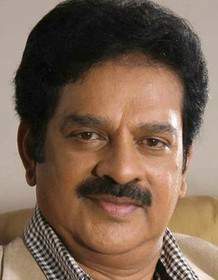
Swami (Devan)
Played by Devan
A renowned sculptor who mentors Vishwa and initially attempts to complete the idol. Moved by Masani's suffering, he adopts her baby and leaves the village to let the community realize its mistakes.
- 👁️ Mentor
- 🛠️ Master
- R(
Rajeshwari (Roja Selvamani)
Played by Roja Selvamani
The village head's wife, an antagonist who enforces caste prejudices. She poisons Vetri and oppresses Masani, and her secrets are exposed by Masani's spirit before her death.
- 👑 Antagonist
- 🗡️ Schemer
- VH
Village Head (Sarath Babu)
Played by Sarath Babu
The local authority whose wife fuels the conflict. He represents traditional power and social order, which are challenged as truths emerge and Vishwa's work brings reconciliation.
- 🧭 Authority
- 🏘️ Leader
- DG
Devanna Gounder (Devenna)
Played by Aadukalam Naren
Kavitha's father whose enmity with Rajeshwari drives much of the village's conflict and social machinations.
- 🧩 Relative
- 🗡️ Adversary
- M(
Mahalakshmi (Uma Padmanabhan)
Played by Uma Padmanabhan
The village head's wife, a household figure whose presence underlines the traditional family structure of the village.
- 👰 Wife
- 🕊️ Compassion
Where and When Is Masani Set?
Masani is set in The Village. Here is why the place matters to the story.
Where
The Village
Set in a rural village renowned for its idol sculpture, the film centers on Swami's workshop and the influx of sculptors who attempt to finish a god's idol left incomplete. The village is tight-knit but burdened by caste divisions and rigid social norms. The idol project becomes a battleground for pride, superstition, and communal accountability.
- 🏞️ Village
- 🗿 Idol workshop
- 🧭 Traditional society
- 👥 Community dynamics
What Are the Themes of Masani?
3 ideas the story keeps returning to, among them Caste & Injustice, Redemption & Legacy and Art & Devotion.
-
01
Caste & Injustice
The story centers on caste prejudice and social ostracism faced by Masani for her lower-caste status and pregnancy. The village's neglect and enmity lead to Vetri's death and Masani's suffering. The revelation of truth and Masani's spirit drive accountability and a shift in the community.
-
02
Redemption & Legacy
Swami's decision to adopt Masani's child and his eventual departure leave a lasting legacy in Vishwa. Completing the idol becomes a symbol of reconciliation for the village. Masani's spirit catalyzes communal remorse and the restoration of honor.
-
03
Art & Devotion
Idol sculpture is the central craft; Swami and Vishwa's shared skill bridges generations and social barriers. The completion of the god's idol demonstrates dedication, perseverance, and the healing power of art. The temple idol becomes a vessel for personal and communal redemption.
What Kind of Film Is Masani?
Dark in tone, with steady pacing and a moderate story, going by the plot summary.
- Tone
- Dark
- Pacing
- Steady
- Story
- Moderate
- Intensity
- High
- Ending
- Bittersweet
A dark and emotionally heavy thriller that unfolds at a steady pace, centered on a tragic romance and caste-driven violence, culminating in a ghost's vengeful haunting that creates an oppressive and melancholic atmosphere.
- vengeful
- haunting
- tragic
- oppressive
- atmospheric
- melancholic
- caste discrimination
- revenge
- tragic romance
- supernatural justice
Content notes: murder, child death, death in childbirth, ostracism, poisoning.
Quiz
How well do you remember Masani? Test yourself on the story.
