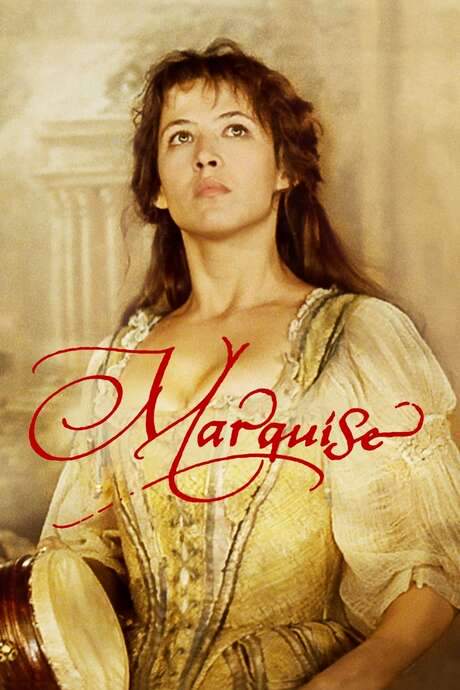



Where to Watch Marquise
See current US streaming, rental, and purchase options for Marquise (1997) via JustWatch.

Fawesome
HD
Hoopla
SD
Kanopy
HD
Plex
HD
Plex Channel
HD
Tubi TV
SD
Xumo Play
HD
Amazon Video
HD
Apple TV Store
HD
Fandango At Home
SD
Google Play Movies
SD
YouTube
SD Streaming availability powered by 
Marquise Plot Summary
Read the complete plot summary and ending explained for Marquise (1997). From turning points to emotional moments, uncover what really happened and why it matters.
In a vivid, historical portrait of 17th-century theater, four actresses from Molière’s itinerant troupe set off on a lighthearted errand to find a latrine, a small moment that quietly frames the world they inhabit. On the same dusty road, Molière [Bernard Giraudeau] and his loyal friend Gros-Rene [Patrick Timsit] stumble upon a striking dancer named Marquise [Sophie Marceau] performing before a crowd of eager men, while a heavy rain slicks her hair and clothes and heightens the spectacle around her.
Gros-Rene falls in love at first sight and soon proposes, promising that Marquise will one day appear on a Paris stage if she joins him. She accepts, drawn by the lure of a new life and the hope of shared fame, even as the world around them remains imperfect and unpredictable.
The partnership between the radiant Marquise and the slightly comical Gros-Rene seems unlikely at first glance—the balding, portly man paired with a beauty who commands attention from a crowd. Yet their bond endures, built on Gros-Rene’s unwavering devotion and Marquise’s reciprocal affection. She continues to sleep with other men, but her love for her husband remains steadfast, a quiet moral tension that threads through their relationship.
As time passes, Marquise’s attention shifts toward the budding playwright Racine [Lambert Wilson], whom she meets as he privately coaches her. This mentorship becomes a turning point, intertwining personal longing with artistic ambition. When Louis XIV [Thierry Lhermitte] bans Tartuffe, Racine responds by penning a new tragedy, Andromaque, which becomes Marquise’s big break and a catalyst for her ascent on the stage.
Her portrayal in Andromaque earns acclaim and helps secure Racine’s rising reputation, a collaboration that feels fated in its timing and ambition. The tragedy, written in 1667 for Racine’s beloved, underscores the delicate balance between love, art, and power that defines their era. Yet the very demands of performance, fame, and emotional strain take a toll on Marquise, and the story moves toward a poignant, tragic end that lingers in the memory of those who witnessed it.
Throughout, the film paints a lush, painterly tableau of a world where celebrity, love, and artistic ambition collide. The performances, the headaches of travel, the rivalries, and the invisible weight of expectations all contribute to a narrative that is at once intimate and grand, always guided by a humane, slightly rueful clarity about the cost of art and devotion.
Marquise Timeline
Follow the complete movie timeline of Marquise (1997) with every major event in chronological order. Great for understanding complex plots and story progression.
Marquise discovered by Molière's troupe
The four actresses from Molière's itinerant troupe set off in search of a latrine when they spot Marquise dancing before a crowd of men. Her provocative movement, heightened by a heavy rain, captures attention and begins her rise on the public stage. Marquise's father pockets the coins tossed by admirers, showing the precarious world she enters.
Gros-Rene falls in love and proposes
Gros-Rene is immediately smitten by Marquise after witnessing her performance. He proposes marriage with the promise that she will eventually reach a Paris stage if she accepts. Marquise agrees, drawn by the idea of a future on the royal stage.
The marriage bond forms
Despite their unlikely pairing, Gros-Rene's unwavering adoration and Marquise's reciprocal affection sustain their marriage. The union becomes stable, even as the two navigate differences in temperament and ambition. Their choice anchors the next shifts in Marquise's life.
Marquise's open affairs within the marriage
Marquise continues to sleep with other men, while her love for Gros-Rene remains constant. This arrangement complicates their relationship, yet Gros-Rene remains devoted. The dynamic highlights the fragility and complexity of passion in their world.
Marquise is drawn to Racine, who coaches her
Marquise becomes attracted to the budding playwright Racine, who begins privately coaching her for the stage. The mentorship marks a turning point toward professional prominence. Their collaboration blends personal affection with artistic ambition.
Tartuffe is banned; Racine steps in with a new project
Louis XIV bans Molière's Tartuffe, forcing the company to adapt its repertoire. Racine shifts from conflicts of conscience to a new dramatic material, preparing a tragedy better suited to Marquise's talents. The ban catalyzes a fresh creative path.
Racine writes Andromaque for Marquise
Racine composes Andromaque as a tailored vehicle for Marquise's artistry. The private coaching sessions evolve into a collaborative artistic partnership that elevates both the actress and playwright. This project promises a lasting impact on their careers.
Marquise earns her big break on stage
With Andromaque, Marquise steps into the spotlight and secures a major break. The performance showcases her charisma and emotional depth, marking a turning point in her public acclaim. The work also solidifies Racine's standing as a serious playwright.
Andromaque brings acclaim and public attention
The tragedy Andromaque earns widespread acclaim, catapulting Marquise to the forefront of the theatre scene. The audience responds with enthusiasm, and critics recognize her as a rising star. Racine's reputation grows in tandem with her celebrated performance.
The toll of performances begins to tell
Continuing demanding performances take a toll on Marquise's health and spirit. The exhausting schedule and emotional intensity weigh on her, foreshadowing a tragic decline. The audience's adoration contrasts with her personal cost.
Marquise's life ends tragically
The relentless demands of the stage contribute to Marquise's tragic end. The narrative emphasizes how her talent is both her light and her burden. Her death marks the somber culmination of the arc begun in her provocative debut.
Racine's legacy sealed by Marquise's performances
The success of Andromaque cements Racine's standing as a major playwright, with Marquise as the luminous instrument of his genius. The collaboration becomes a standout story within the period's theatrical history. Their intertwined destinies symbolize the cross of art and personal life.
Marquise Characters
Explore all characters from Marquise (1997). Get detailed profiles with their roles, arcs, and key relationships explained.
Marquise (Sophie Marceau)
An alluring dancer whose provocative performances captivate crowds and attract coins from the audience. She moves between intimate relationships and romantic loyalty, remaining emotionally devoted to Gros-Rene while also engaging with other lovers. Her artistry and charisma propel her toward a major stage breakthrough, even as she navigates a turbulent personal life. Her path ends in tragedy, underscoring the costs of fame in a mercurial theatrical world.
Molière (Bernard Giraudeau)
A brilliant, restless founder of the troupe whose wit and ambition drive the group forward. He navigates financial pressures and artistic risks, using humor and strategy to keep performances going. His influence shapes the repertoire and the careers of those around him, including Marquise. The ban on Tartuffe tests his resolve and his ability to adapt to political constraints.
Gros-Rene (Patrick Timsit)
Marquise’s devoted, if comically portly, husband and steadfast admirer. He embodies unshakeable loyalty and provides a stable counterpoint to Marquise’s complex romantic life. His unwavering affection and supportive nature ground the relationship, even as Marquise pursues greater fame. His character highlights the tension between private happiness and public spectacle.
Racine (Lambert Wilson)
A gifted playwright who mentors Marquise and crafts the tragedy Andromaque that becomes her big break. His talent elevates the troupe’s prestige and reshapes Marquise’s career. His collaboration with Marquise intertwines literary ambition with erotic mystique, underscoring the fusion of art and life on the Paris stage.
Louis XIV (Thierry Lhermitte)
King of France whose authority extends into the arts, deciding which works may be staged. His censorship of Tartuffe reveals the power dynamics between the crown and the theatre. His rule compels the troupe to adapt, test limits, and pursue new avenues of expression. The king's decisions are a critical force shaping the narrative’s conflict.
Marquise Settings
Learn where and when Marquise (1997) takes place. Explore the film’s settings, era, and how they shape the narrative.
Time period
1660s
Set in the mid-17th century, a period of growing royal influence over the arts and rising fame through theatre. The troupe pursues success amid evolving tastes and censorship. The events culminate in a time when Andromaque and Tartuffe are central to public and political discourse in Louis XIV's France.
Location
Paris, France
The story unfolds in 17th-century Paris, centered on the bustling theatrical circuits of Molière's itinerant troupe. The city’s theatres, courts, and public crowds shape the drama and the ambitions of its performers. The film captures a vibrant, theater-driven milieu under the gaze of the royal court.
Marquise Themes
Discover the main themes in Marquise (1997). Analyze the deeper meanings, emotional layers, and social commentary behind the film.
🎭
Theatre
The film centers on the life of an itinerant theatrical troupe and the ascent of its stars. Performances drive both fortune and notoriety, with Andromaque becoming a pivotal breakthrough for Marquise. The troupe navigates crowd dynamics, patronage, and the tension between popular appeal and artistic ambition. Theater is portrayed as a powerful, precarious path to lasting recognition.
💘
Love
Romance threads through the relationships of the principal players, especially Marquise and Gros-Rene. Marquise's affection remains steadfast, even as she entertains other lovers, highlighting a conflict between personal loyalty and artistic ambition. The evolving affection between Racine and Marquise adds a layer of emotional complexity to the creative process. Love both sustains and destabilizes the characters as they pursue fame.
⚖️
Power
Censorship and royal authority shape the trajectory of the troupe, with Louis XIV imposing limits that force creative adaptation. The ban of Tartuffe tests loyalty, resourcefulness, and the ability to reinvent repertory. The political climate reveals how art must negotiate power to survive and thrive. The interplay of influence and artistry drives the dramatic stakes throughout.

Coming soon on iOS and Android
The Plot Explained Mobile App
From blockbusters to hidden gems — dive into movie stories anytime, anywhere. Save your favorites, discover plots faster, and never miss a twist again.
Sign up to be the first to know when we launch. Your email stays private — always.
Explore the mobile appMarquise Spoiler-Free Summary
Discover the spoiler-free summary of Marquise (1997). Get a concise overview without any spoilers.
In the glittering yet unforgiving world of 17th‑century France, the stage is as much a battlefield as a sanctuary. The bustling streets of Paris, the rain‑slicked courtyards, and the gilded halls of Versailles pulse with ambition, art, and the ever‑watchful eyes of a monarch who sees both spectacle and power in every performance. The film paints this era with a palette of sumptuous costumes, echo chambers of applause, and an undercurrent of social ascent that feels as precarious as a dancer’s pirouette in a sudden downpour.
At the heart of it all stands Marquise, a striking young woman whose raw talent first catches fire on a makeshift platform of mud and melody. Born into poverty, she wields her beauty and fierce determination like a passport, turning the attention of a raucous crowd into the first step of an extraordinary climb. Her presence is magnetic; she commands the gaze of strangers and the curiosity of those who recognize a spark that could illuminate the grandest stages.
Her journey intertwines with three pivotal figures. A devoted and earnest partner, Gros‑Rene, pledges unwavering support, promising her a place on Paris’s celebrated stages. The gifted playwright Racine becomes entranced, shaping verses that echo her spirit and offering a private mentorship that blurs the line between muse and confidante. Meanwhile, the Sun King himself, Louis XIV, bestows a coveted favor that lifts her from the shadows of the troupe to the luminous courts of power. These relationships pulse with admiration, expectation, and an unspoken tension between love, art, and destiny.
The tone of Marquise is lush and intimate, a tapestry woven from the fragrant perfume of court intrigue, the thunderous applause of theater, and the quiet, relentless yearning of a woman who refuses to remain invisible. The film invites viewers to linger in the glow of her ascent, feeling the weight of each step on a path that promises both triumph and the faint, inevitable echo of tragedy, all without revealing the final fall.
Movies with Similar Twists and Themes
Uncover films that echo the narrative beats, emotional arcs, or dramatic twists of the one you're exploring. These recommendations are handpicked based on story depth, thematic resonance, and spoiler-worthy moments — perfect for fans who crave more of the same intrigue.
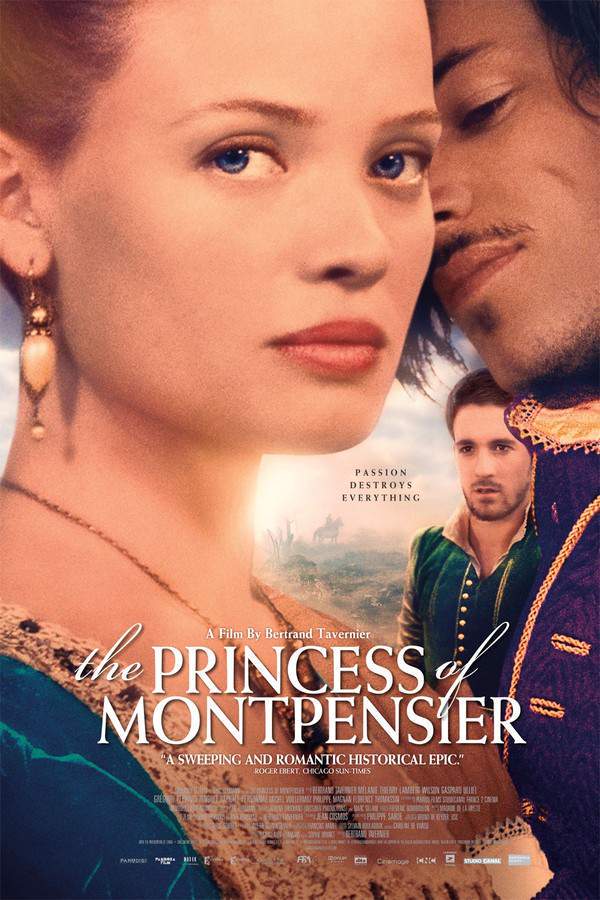

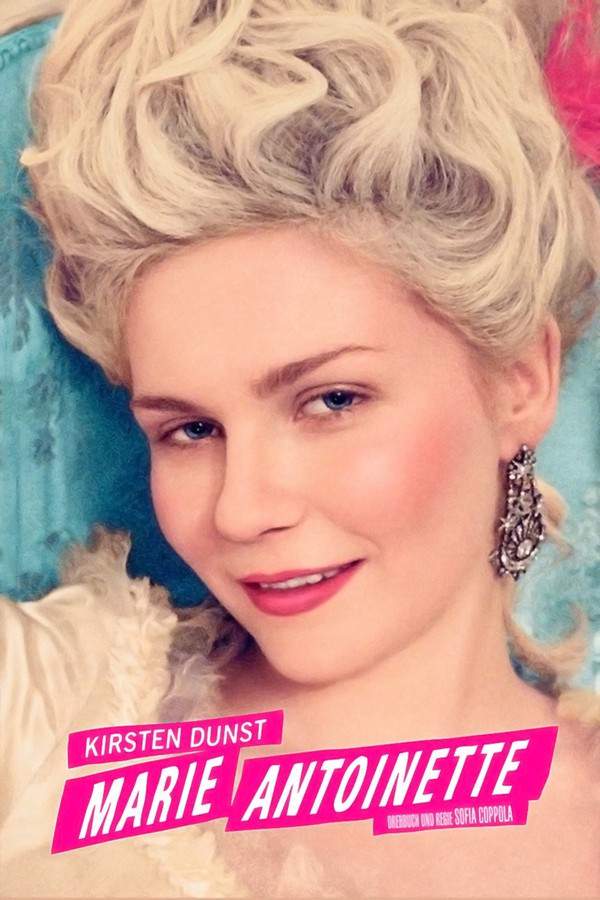
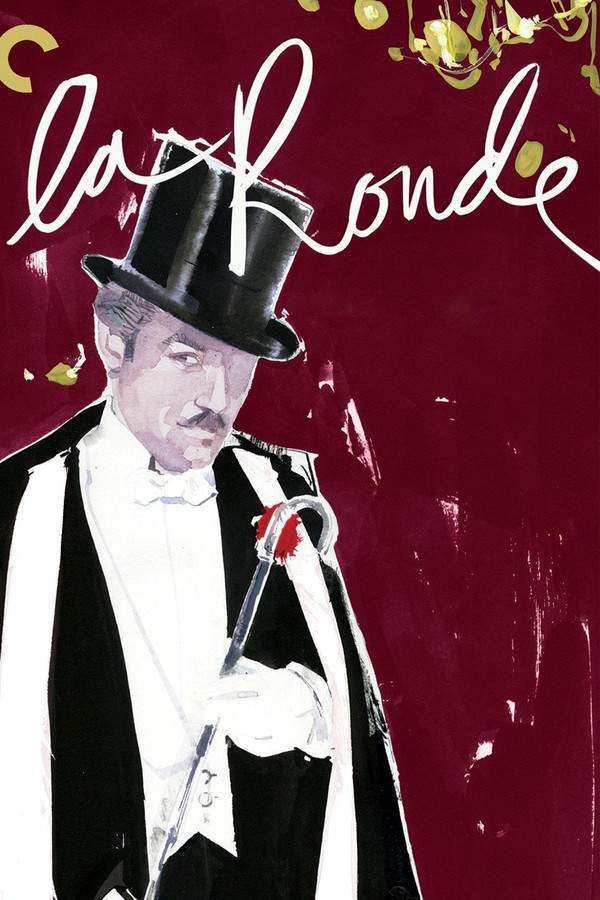
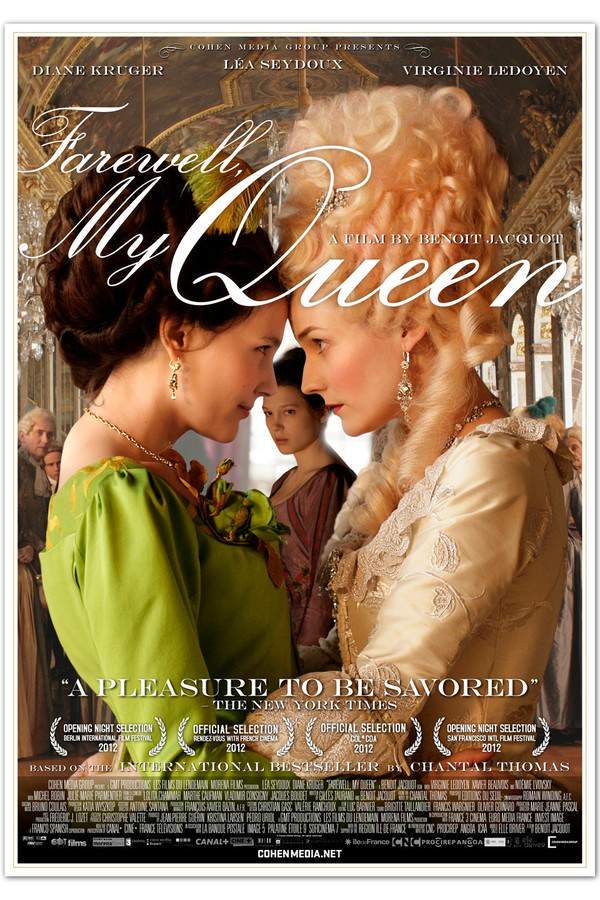
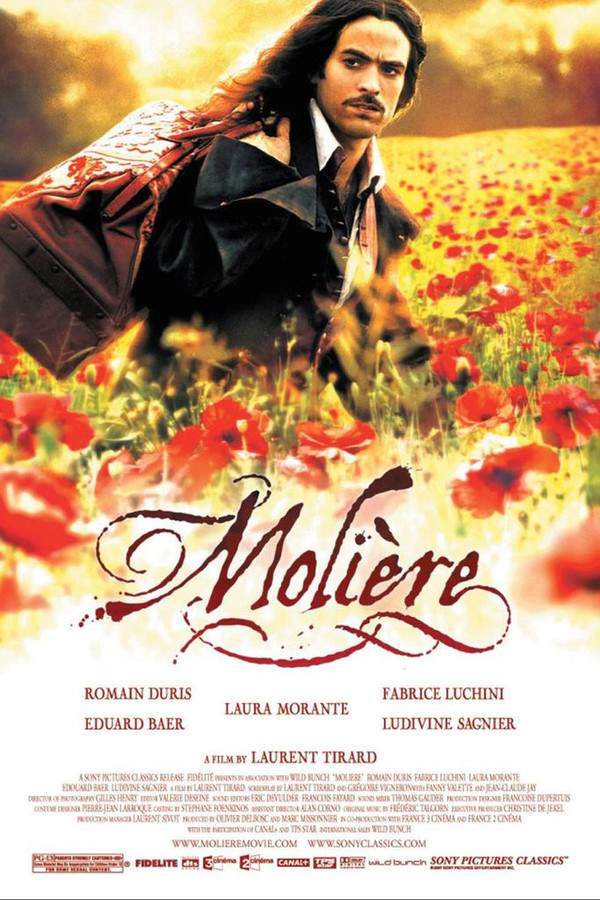

Featured on this page

What's After the Movie?
Not sure whether to stay after the credits? Find out!
Check out our other apps:

SAT Sphere
Build confidence for the Digital SAT.

Mori Atlas
Discover wild places worth protecting.

Luntero
Search smarter for a home in Amsterdam.

Plot Explained
Unravel movie endings and hidden clues.

Pokechamp
Dive into Pokémon data and battle logic.

Driving Theory
Get ready for your European theory test.

Movie Dust
Plan your next cinema trip with ease.

Musemap
Find art and culture as you travel.

Selkobase
Compare credentials before committing.

Local Manual
Turn an unfamiliar country into practical next steps.

Lernavi
Compare school systems before your next move.

GymRoam
Find a workout stop wherever your plans take you.
Explore Our Movie Platform
New Movie Releases (2026)
Famous Movie Actors
Top Film Production Studios
Movie Plot Summaries & Endings
Major Movie Awards & Winners
Best Concert Films & Music Documentaries
Movie Collections and Curated Lists
© 2026 What's After the Movie. All rights reserved.
Privacy Policy