What Is Malik About?
The premise of Malik in 325 words, with nothing given away. The full story follows below.
In a sun‑scorched coastal town where Muslim and Christian families have long shared the same waterfront, the rhythm of daily life is punctuated by the quiet power of tradition and the louder rumble of unseen conflict. The story opens inside a stark prison, where a young inmate named Freddy is handed an assignment that forces him to confront the most intimate betrayal possible: eliminating a member of his own bloodline. The demands of those who hold the keys to his freedom weigh heavily, setting a tense, claustrophobic tone that mirrors the cramped corridors of his confinement.
Outside the walls, the figure at the heart of the mission is an aging patriarch, a man whose reputation looms large over the town’s collective memory. Sulaiman—a once‑respected leader now marked by the passage of time and hardship—serves as the reluctant keeper of a legacy riddled with both reverence and regret. As he prepares for an uncertain future, fragments of his past flicker like lanterns, illuminating the tangled web of loyalty, loss, and the unspoken codes that have shaped his family and the community.
The film moves between the oppressive stillness of the jail and the bustling, salt‑laden streets of the harbor, painting a portrait of a society caught between progress and preservation. Political maneuvering, land disputes, and the fragile peace among neighbors create an undercurrent of tension that never fully surfaces, but is always felt. Through muted dialogues and lingering glances, the narrative explores how the weight of history can press down on individual choices, pulling characters toward paths they never imagined.
With a gritty, atmospheric style that balances stark realism and lingering melancholy, the story invites viewers to linger on the inner turmoil of its protagonists. It asks what it means to inherit a name steeped in both honor and burden, and how the shadows of the past whisper into the present, urging each character toward a decision that could reshape the fragile balance of their world.
What Happens in Malik?
The complete story of Malik, from the first scene to the last, in 813 words (about 4 minutes). Spoilers throughout. Names in the text link to 8 cast member pages.
Spoilers ahead
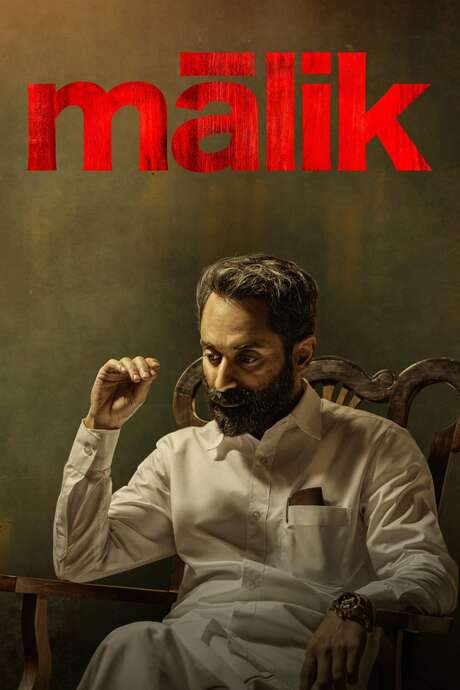
Ahammad Ali Sulaiman, Fahadh Faasil, sits at the center of Ramadapally, a coastal town where Muslims and Christians have coexisted for generations. His wife Roselyn, Nimisha Sajayan, a Christian woman, pushes him toward undertaking the Hajj pilgrimage in his middle years. Ali’s ally and political leader Aboobacker, Dileesh Pothan, is pushing for land seizures to fund a harbour project, setting the stage for a high-stakes clash over local power and fortune. When the police arrest Ali under the Terrorist and Disruptive Activities (Prevention) Act (TADA) at the airport, the fragile balance in Ramadapally begins to tilt.
With Ali in custody, the police assign a goon named Shibu, Sarath Kumar, to kill him extrajudicially, but Shibu dies in an explosion. The police then pressure Freddy, a juvenile arrested for throwing steel bombs at officers, into carrying out the plan. Freddy is the nephew of David Christudas, Vinay Forrt, Roselyn’s elder brother and Ali’s estranged friend; David harbors a grudge against Ali. Jameela Amma, Ali’s mother, agrees to meet Freddy after a look-out notice is issued, while the town’s backstory unfolds.
The memory of Ramadapally in the 1960s shows Muslims and Christians living together in relative harmony, with the Christian fishermen community centered in Edavathura. Ali and his friends—Ali, David, Peter Esthappan, and Hameed Mohammed—drop out of school and drift into petty crime, working for Chandran, a local goon whom Nisthar Ahamed portrays. Chandran disowns them after Ali sends back trash dumped at the local mosque, and the group turns to smuggling, eventually setting up their own operation. Ali’s earnestness catches the eye of sub-collector Anwar Ali, Joju George, who asks him to clear the garbage dump and build a school there. Chandran, seeking to settle scores, burns their godown, and children working there perish. Ali retaliates by killing Chandran, an act that pulls Anwar into a dilemma: arrest Ali or let the community’s tolerance fray.
Anwar questions Ali, who confesses and challenges the law to arrest him before Ramadapally’s residents; forced to leave, Anwar extracts a promise from Jameela to testify against her son. Jameela asks Freddy not to kill Ali and insists he should be brought to the law. David and his wife confront Freddy in jail, and Freddy asks why David bears such a grudge against Ali. A look-out notice is issued, and Ali flees to Minicoy, Lakshadweep, taking David and Roselyn with him. The trio marries with David’s reluctant blessing, and Ali gains Roselyn’s approval to raise their children as Muslims. When David returns to the coast, his father reminds him that police beat their men and rape their women; Anwar explains that the Muslims reap both benefits and consequences, a reality that leaves David conflicted. He eventually persuades Ali to appear in court, and Ali’s mother provides a testimony that helps keep his case alive.
Roselyn gives birth to a boy, whom David baptizes and names Antony; Ali interrupts the ritual and renames the child Ameer, straining his bond with David. The family’s fractured ties mirror the larger tensions in Ramadapally. Ali later receives a consignment of smuggled weapons he refuses and hides away, while the 2004 Indian Ocean earthquake destroys many in the Christian fishing community. Ali shifts into humanitarian relief work and openly opposes development projects that would displace locals. Anwar, the police, and MLA Aboobacker—who is playing both sides for the land—manipulate David into stirring a riot at the mosque during Uroos celebrations. Aboo’s goons murder a man and pin the crime on David, igniting clashes between Christians and Muslims. Ameer is killed in police firing, and the riots escalate as some local goons weaponize hidden arms. Ali’s supporters run a car over Anwar, and David is shot by Ali’s goons, leaving him disabled.
David and his wife press Freddy to carry out the directive, and he is moved into Ali’s cell. Freddy attempts to strangle Ali during the Fajr prayer but fails. Ali breaks down, blaming David for his son’s death and the riots. The jail’s doctor, Dr. Shermin, Parvathy Krishna, arrives and, in a shocking turn, strangles Ali, declaring his death a suicide; she is Anwar’s daughter and is bedridden with full-body paralysis. Freddy is released from jail and returns to the mosque, where he throws a stone at Aboobacker who was inciting communal violence in Ali’s name. In a mid-credits scene, Anwar reveals to the media that the Ramadapally riots were instigated by the police with the help of the government, exposing a web of manipulation that overshadows the tragedy that unfolded.
The story lingers on the consequences of loyalty, violence, and political maneuvering, painting a portrait of a town caught between history and upheaval. It follows the many strands of family, faith, and power, showing how individuals navigate personal losses, communal tensions, and the pursuit of justice in a landscape where those in authority are not always on the side of the truth.
Malik Timeline: Every Key Event in Order
15 key events in the order they happen, from “Ali's rise in Ramadapally and Hajj plan” to “Freddy's release and last rites reveal”. 15 events name a place, across 13 locations.
- 1
Ali's rise in Ramadapally and Hajj plan
Ahammad Ali Sulaiman is introduced as the godfather of Ramadapally, shaping the town's communal dynamics. He plans to undertake the Hajj pilgrimage in his middle years, balancing family loyalties with growing influence and the pressures of local politics.
When:1960s–1970s Where:Ramadapally
- 2
Harbour land conflict with Aboobacker
Ali and his ally Aboobacker are on the verge of a fallout over land acquisition for a harbour project, testing loyalties and foreshadowing escalating tensions on the coast.
When:late 1960s Where:Ramadapally harbour area
- 3
Arrest under TADA at the airport
Police arrest Ali under the Terrorist and Disruptive Activities Act at the airport, marking a dramatic turn in his fortunes. The arrest triggers a crackdown and fuels subsequent coercions from the authorities.
When:early 1970s Where:airport
- 4
Shibu's death in custody during the hit attempt
The police assign Shibu to kill Ali in custody, but the plan ends in tragedy when Shibu dies in an explosion. The failed assassination heightens suspicions of a police driven conspiracy surrounding Ali.
When:early 1970s Where:police custody
- 5
Freddy coerced into killing Ali
Freddy, a juvenile arrested for throwing steel bombs, is pressured by the authorities to complete the job and kill Ali in jail. He is the son of David Christudas, Roselyn's brother, adding a personal dimension to the coercion.
When:early 1970s Where:police jail cell
- 6
1960s harmony; youth and Chandran's path
In the 1960s, Muslims and Christians live in harmony in Ramadapally, especially in Edavathura suburb, while Ali and his friends drop out of school and begin petty crime under the influence of Chandran.
When:1960s Where:Ramadapally Edavathura
- 7
Chandran's arson and Ali's retaliation
Chandran sets fire to the youngsters' godown, killing children working there. Ali retaliates by killing Chandran, widening the cycle of violence.
When:1960s Where:local godown
- 8
Anwar questions Ali; Jameela's promise
Sub-collector Anwar Ali questions Ali and records his confession, challenging him to surrender. He extracts a promise from Jameela to testify against Ali, and Jameela asks Freddy not to kill his uncle.
When:1960s Where:Ramadapally
- 9
Absconding to Minicoy with Roselyn and David
A lookout notice forces Ali to flee Ramadapally, traveling to Minicoy, Lakshadweep with David and Roselyn, whom he marries with David's reluctant approval.
When:late 1960s Where:Minicoy, Lakshadweep
- 10
David's return and Ali's court appearance
David returns and learns that police beat their men and raped their women, shaping his perspective. He persuades Ali to appear before the court, and Ali's mother testifies during the proceedings. Roselyn gives birth to a son, Antony, whom David baptizes.
When:late 1960s Where:Ramadapally courthouse; home
Show the other 5 events of Malik Hide the last 5 events
- 11
Release, baptism interruption, and son naming
After his remand, Ali is released and immediately interrupts Roselyn's baptism, shouting at David. He then names his son Ameer, deepening the rift with David and reshaping their relationship.
When:late 1960s Where:Ramadapally
- 12
Weapons stash and 2004 tsunami humanitarianism
Ali receives a consignment of smuggled weapons which he refuses and hides under a pit. The 2004 Indian Ocean earthquake devastates the Christian fishermen, and Ali engages in humanitarian efforts while opposing displacement projects that threaten locals.
When:2004 Where:Ramadapally coast
- 13
Riots incited; death and injury
Anwar, police, and MLA P A Aboobacker manipulate David into starting a riot at the mosque during Uroos celebrations. The violence leads to the death of Ameer and leaves David shot and disabled, escalating the communal crisis.
When:2004 Where:Ramadapally mosque and coast
- 14
Jail climax and Ali's death; aftermath
Freddy is moved into Ali's cell and tries to strangle him during Fajr prayer. The jail doctor, Anwar's daughter who is bedridden, arrives and strangles Ali, declaring him dead by suicide.
When:post-riot Where:jail
- 15
Freddy's release and last rites reveal
Freddy is released and attends Ali's last rites at the mosque, where he throws a stone at Aboobacker. In a mid-credits reveal, Anwar tells the media that the Ramadapally riots were instigated by the police with government involvement.
When:post-riot Where:mosque; media
Who Are the Main Characters in Malik?
7 characters, among them Anwar Ali ( Joju George ), Ahammadali Sulaiman ( Fahadh Faasil ) and David Christudas ( Vinay Forrt ): who each one is and the part they play in the story. Every profile links to the actor’s page.
-

Anwar Ali ( Joju George )
Played by Joju George
Anwar Ali is the godfather of Ramadapally, a charismatic power broker who commands loyalty through a mix of protection and coercion. He expands influence via smuggling and local ventures while championing community welfare, including a plan to turn a garbage dump into a school. His authority masks volatile ambitions and sparks clashes with authorities that drive the town toward crisis.
- 🧭 Power
- ⚖️ Justice
- 🤝 Loyalty
-
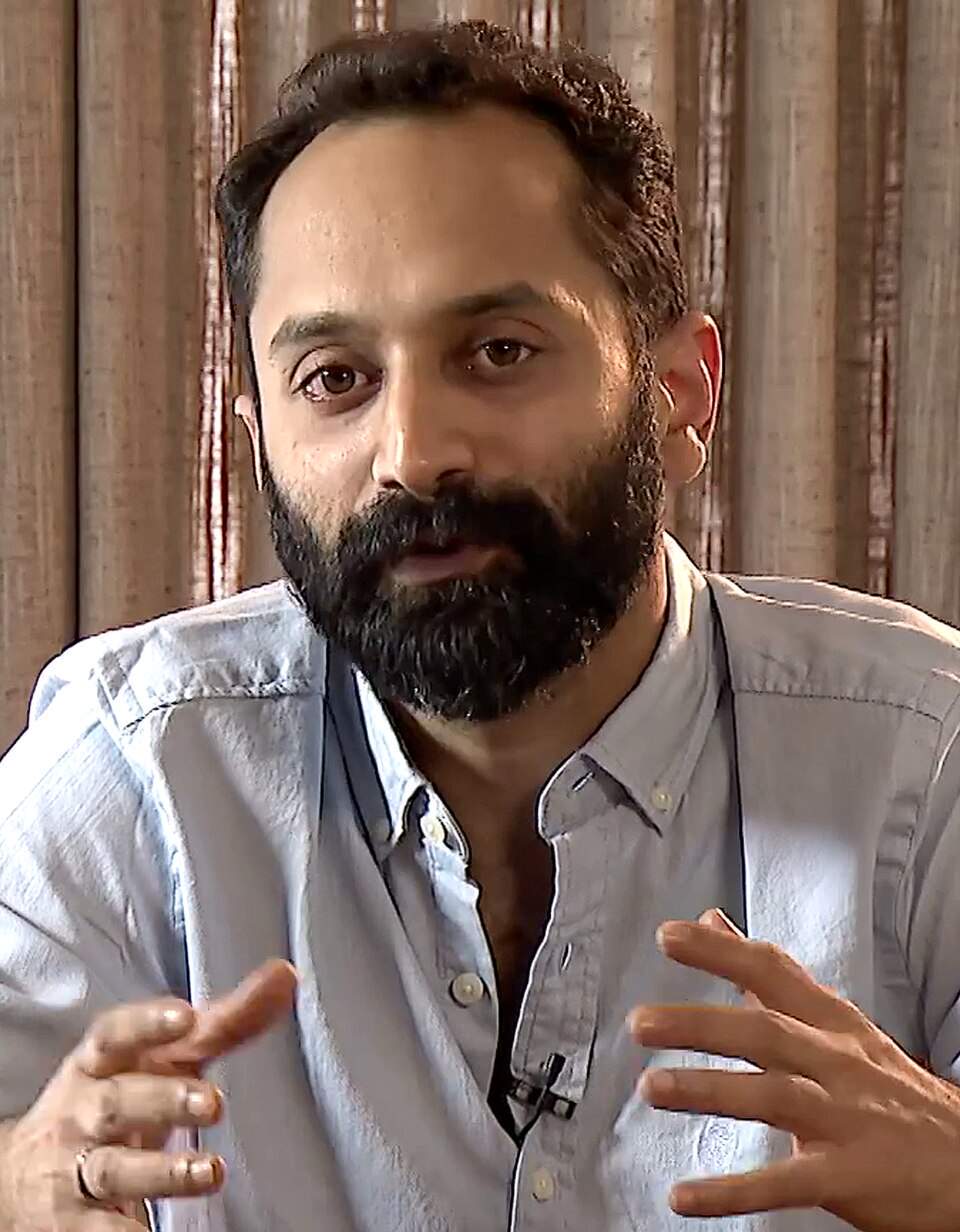
Ahammadali Sulaiman ( Fahadh Faasil )
Played by Fahadh Faasil
Ahammadali Sulaiman is Ali's longtime ally and political operator who flirts with both sides to advance land deals. His maneuvering with development and power destabilizes Ramadapally as interests collide with community needs. He becomes a key agent in the town's spiraling violence and political maneuvering.
- 🏛️ Power
- ⚖️ Politics
- 🤝 Alliance
- DC
David Christudas ( Vinay Forrt )
Played by Vinay Forrt
David Christudas is Roselyn's elder brother and a former ally turned adversary who bears a deep grudge against Ali. His manipulation of riots and shifting loyalties contribute to the town's cycle of violence and family rifts. He ends up disabled after the violence and becomes a casualty of the power struggle.
- 💥 Conflict
- 🧭 Loyalty
- 🩸 Violence
- R(
Roseline ( Nimisha Sajayan )
Played by Nimisha Sajayan
Roseline is Ali's wife who endures the upheavals, supports humanitarian efforts, and faces pressure from both communities. She represents family resilience and the personal cost of communal strife. Her relationship with Ali anchors the family’s attempts to navigate faith, loyalty, and loss.
- 💞 Family
- 🕊️ Faith
- 🌊 Community
- F(
Freddy ( Sanal Aman )
Played by Sanal Aman
Freddy is a juvenile manipulated by police and political forces to execute violence. His forced path into danger exposes the vulnerability of youths caught in state intrigue and communal conflict. He becomes a hinge in the escalation of the town's crisis.
- 🔗 Manipulation
- 🧭 Innocence
- 🪧 Law
- C(
Chandran ( Nisthar Ahamed )
Played by Nisthar Ahamed
Chandran is a local goon who triggers cycles of revenge and retaliation that shape Ali's own actions. His betrayals set off a chain of events leading to violence and loss in the community.
- ⚔️ Conflict
- 🧭 Power
- 🗺️ Goon
- S(
Shibu ( Sarath Kumar )
Played by Sarath Kumar
Shibu is a police goon tasked with killing Ali in custody, illustrating the coercive reach of law enforcement in the town's political struggles. His death exposes the brutality behind state-sanctioned violence and undermines any sense of justice.
- 🏛️ Law
- 🗡️ Violence
- 🧭 Coercion
Where and When Is Malik Set?
Malik is set in Ramadapally and Thiruvananthapuram (1960s–2004). Here is why the time and place matter to the story.
When
1960s–2004
The narrative begins in the 1960s, when Ramadapally's Muslim and Christian communities live in harmony. It traverses decades to the 2004 Indian Ocean earthquake era, during which displacement, riots, and political manipulation reshape the town and force ordinary people to confront violence and loss.
Where
Ramadapally, Thiruvananthapuram
Ramadapally is a coastal town in Thiruvananthapuram, Kerala, where Muslim and Christian communities live side by side. The town's daily life revolves around fishing and small-scale trades, with a harbour project looming that could reshape livelihoods. Its geography and community dynamics make it a flashpoint for development and communal tension.
- 🌊 Coastal town
- 🤝 Multi-faith coexistence
- 🏗️ Harbour project
What Are the Themes of Malik?
3 ideas the story keeps returning to, among them Riot and Violence, Power and State and Humanitarianism vs Development.
-
01
Riot and Violence
Rising communal tensions spark riots that escalate through police and political manipulation. Violence reshapes families and communities, revealing how quickly fear can override coexistence. The film examines how power structures instrumentalize conflict for their own ends.
-
02
Power and State
The story reveals how authorities and politicians maneuver events to advance land deals and development agendas. State-backed actions and coercion blur the line between justice and force, affecting everyday lives. Personal vendettas increasingly drive public outcomes.
-
03
Humanitarianism vs Development
Amid upheaval, acts of mercy and humanitarian aid contrast with predatory development schemes that displace locals. The 2004 disaster tests community resilience and the morality of those who choose aid over ambition. The narrative frames mercy and conflict as intertwined forces on the coast.
What Kind of Film Is Malik?
Dark in tone, with variable pacing and a complex story, going by the plot summary.
- Tone
- Dark
- Pacing
- Variable
- Story
- Complex
- Intensity
- High
- Ending
- Bleak
A grim and intense crime saga that navigates decades of family betrayal and political manipulation, culminating in a tragedy-filled atmosphere of communal violence and bitter retribution.
- grim
- tense
- tragic
- oppressive
- vengeful
- melancholic
- crime saga
- political corruption
- communal violence
- family feud
Content notes: police brutality, communal riots, child death, murder, suicide, sexual assault mentions.
Quiz
How well do you remember Malik? Test yourself on the story.