
Madame Bovary 1949

Directed by
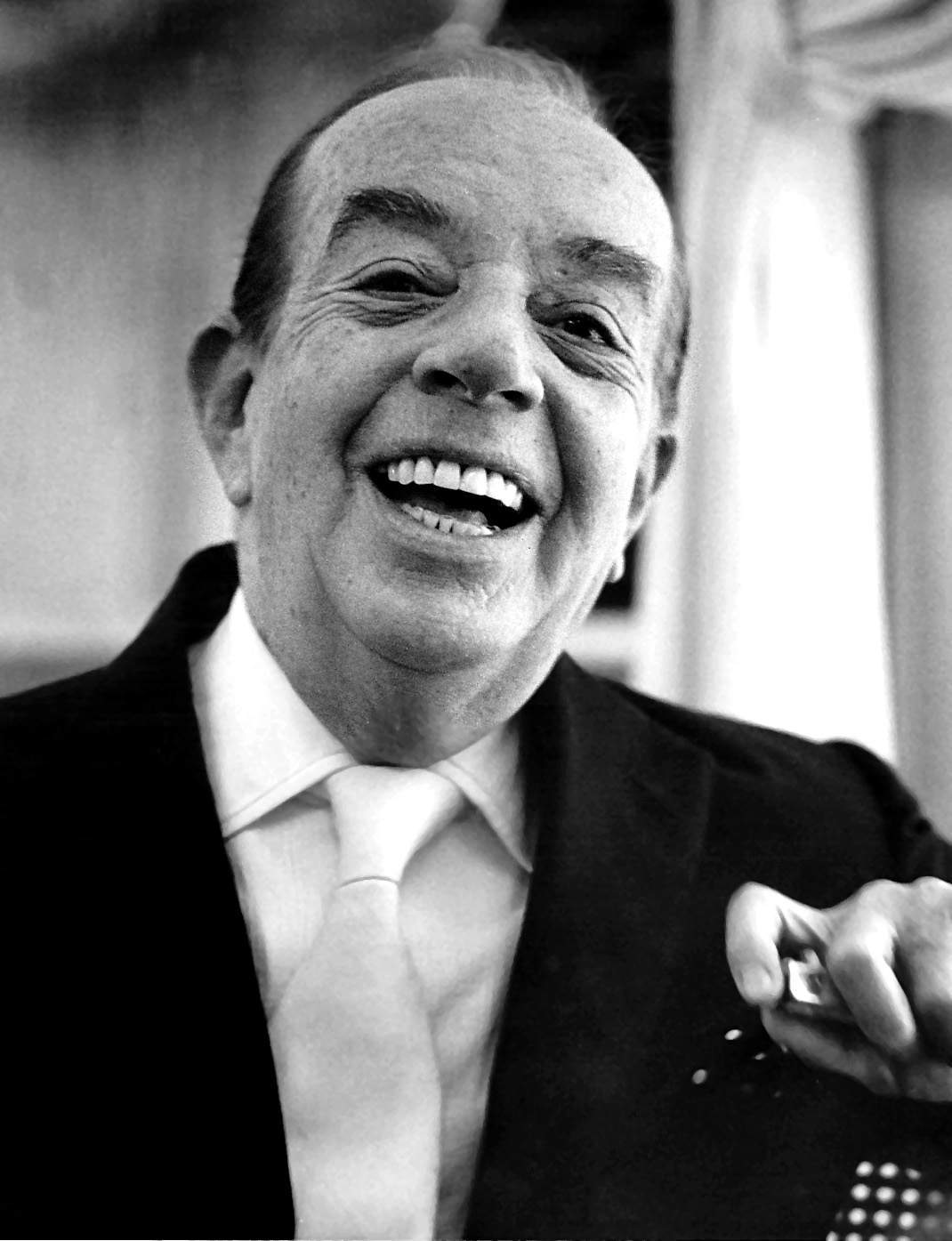
Vincente Minnelli
Made by

Metro-Goldwyn-Mayer
Madame Bovary Plot Summary
Read the complete plot summary and ending explained for Madame Bovary (1949). From turning points to emotional moments, uncover what really happened and why it matters.
In an 1850s Paris courtroom, James Mason as Gustave Flaubert defends his controversial novel Madame Bovary against charges that its title character is shocking and immoral. Flaubert counters with a vivid, realist narration of Bovary’s life, inviting viewers to follow events through his meticulous perspective.
We are introduced to Jennifer Jones as Emma Bovary, a twenty-year-old woman whose loneliness shapes a craving for a life that feels more vivid than the one society allows. She falls in love with Dr. Charles Bovary, Van Heflin in the role, and the couple marries, moving into a small house in Normandy. Emma lavishes attention on their home, redecorating it with style and ambition, but the extravagance leaves them in mounting debt.
Emma’s sense of social inferiority grows, and she voices a longing to defy the era’s moral constraints by welcoming a baby boy who would symbolize a freer life. She eventually bears a daughter, Berthe, (played by Dawn Kinney) yet her enchantment with motherhood quickly wanes, and she entrusts Berthe’s upbringing to a nanny as her dreams slip further away.
Her discontent pushes her toward romance. She begins an affair with Leon Dupuis, Alf Kjellin, who returns from Paris claiming new credentials and money. Leon’s ambitions are tempered by his mother’s influence, pulling him toward Paris and law school instead of a straightforward life with Emma.
Desperation deepens as Emma seeks financial relief from ever-worsening circumstances. She turns to Rodolphe Boulanger, Louis Jourdan, an aristocrat who tempts her with promises of escape from her ordinary life. Yet Rodolphe abandons her, leaving Emma to confront a cascade of shame and debt.
When temptation and debt collide, Emma’s options narrow. A creditor offers to forgive Emma’s debts in exchange for sex, a proposition she rejects, choosing instead to pursue money from Leon, who confesses he has no funds to lend and that his status is merely a clerical one. With Rodolphe out of reach and help still elusive, Emma’s situation becomes unbearable.
In a final, tragic act, Emma steals arsenic from the village apothecary and drinks it, with Charles rushing to intervene but unable to save her. As the life drains away, the courtroom returns to the present, and the judge’s decision weighs the fate of the novel itself.
The verdict arrives: the author’s work will not be blocked from publication. The film closes by underscoring the tension between yearning and restraint, between a dream of liberation and the social strictures of the time, all framed by Flaubert’s defense and Emma Bovary’s doomed pursuit of a perfect life.
Madame Bovary Timeline
Follow the complete movie timeline of Madame Bovary (1949) with every major event in chronological order. Great for understanding complex plots and story progression.
Gustave Flaubert faces accusations over Madame Bovary
In the 1850s Paris courtroom, Flaubert is confronted by accusers who say his novel corrupts morals. He counters with a narration that presents Bovary as a slice of grim realism, not sensationalism. The exchange frames the film's meta-argument about censorship and artistic truth.
Emma's lonely longing and fantasy
We are introduced to Emma, a 20-year-old woman who dreams of a perfect life beyond provincial confines. Her imagination inflates romance and glamour, setting the stage for later choices. This inner fantasy contrasts with the ordinary world she inhabits.
Emma marries Charles Bovary and moves to Normandy
Emma marries Charles Bovary, a steady country doctor, and the pair relocate to a modest house in Normandy. She redecorates lavishly, draining their finances and sowing the first seeds of debt. The dream of a simple rural life clashes with material longing.
Emma longs for a son; Berthe is born
Emma's social ambitions drive her desire for a masculine heir to elevate her status. Instead, she gives birth to a daughter, Berthe, which deepens her sense of unfulfillment. The mismatch between fantasy and reality intensifies her restlessness.
Emma delegates childrearing to a nanny
Disillusioned with motherhood, Emma leaves Berthe’s upbringing to a nanny and focuses on cultivating status and romance. She becomes consumed with fantasies of wealth and social acclaim. The domestic routine grows stale as her desires pull her away from the home.
Emma begins an affair with Leon Dupuis
Emma initiates an affair with the young clerk Leon Dupuis, seeking escape from her provincial life. Leon’s mother pushes him toward Paris, where he will study law, pulling him away from the marriage. The romance promises a new world even as it ensnares Emma in risk.
Rodolphe Boulanger seduces Emma and then leaves
Emma succumbs to the charm of aristocrat Rodolphe Boulanger, seeking excitement and social elevation. The affair appears intoxicating but collapses when Rodolphe abruptly abandons her. Emma is left humiliated and heartbroken, fueling further desperation.
Emma's suicide attempt and Charles's intervention
Heartbroken by Rodolphe's departure, Emma attempts suicide, and Charles intervenes to save her life. She endures months of severe depression as she struggles to find meaning in a life that no longer matches her fantasies. The episode marks a turning point in her emotional arc.
Opera in Rouen; Leon returns
Emma and Charles attend an opera in Rouen, where Leon returns from Paris boasting of credentials and wealth. The encounter reawakens Emma’s desires and reignites the possibility of an affair amidst mounting financial pressures. The city becomes a backdrop for renewed romantic risk.
Emma renews the affair with Leon and faces debt
Emma tentatively renews her relationship with Leon, drawn by money and excitement beyond the countryside. Meanwhile, the Bovarys’ remodeling debts surface, threatening their home and social standing. The two threads pull her toward a dangerous crossroads.
Emma seeks money from Leon; he has none
Desperate for funds, Emma asks Leon for financial help, only to learn he cannot lend her any money. He admits he is merely a law clerk with no resources, shattering any illusion of a quick rescue. The financial crisis tightens Emma’s grip on her perilous choices.
Emma asks Rodolphe for help again; he refuses
With options dwindling, Emma pleads with Rodolphe for assistance, but he refuses to become entangled in her debts or social ruin. The rejection seals her sense of isolation and pushes her toward a final act. The relationship collapses while the money problems worsen.
Emma’s arsenic suicide and death
Unable to bear the scandal and ruin, Emma breaks into the village apothecary and swallows arsenic. Charles attempts to save her, but his efforts are futile, and Emma dies. Her end underscores the consequences of a life lived chasing impossible ideals.
Courtroom verdict: publication allowed
Back in the courtroom, the judge rules that Madame Bovary will not be blocked from publication. The film closes with the clash between censorship and realism resolved in favor of the author’s narrative freedom. The ending frames art as a winner over moral panic.
Madame Bovary Characters
Explore all characters from Madame Bovary (1949). Get detailed profiles with their roles, arcs, and key relationships explained.
Emma Bovary (Jennifer Jones)
A 20-year-old dreamer who longs for glamour beyond her rural Normandy life. She is restless, impulsive, and discontent with domestic duty, often seeking idealized love and luxury. Mounting debt and romantic pursuits propel the tragedy as she tries to escape the constraints of marriage and society.
Charles Bovary (Van Heflin)
A plain-spoken country doctor who marries Emma hoping for stability and happiness. He is sincere, patient, and practical, yet overwhelmed by Emma's fantasies and financial strain. His loyalty provides a counterpoint to Emma's restlessness, though he remains conventional and unable to fully satisfy her.
Rodolphe Boulanger (Louis Jourdan)
A charming aristocrat who seduces Emma, offering romance and social allure before abandoning her when it suits him. He embodies allure and opportunism, exploiting Emma's longing for status. His departure intensifies Emma's sense of betrayal and disillusionment.
Leon Dupuis (Alf Kjellin)
Emma's second lover, a Parisian hopeful who promises wealth and success but cannot deliver financially. He returns with ambition but remains unable to lift Emma out of debt or disappointment. His false promises contribute to Emma's mounting despair.
Gustave Flaubert (James Mason)
The author within the story who tries to avert the banning of his novel, presenting Bovary's life through a realist lens. He frames the narrative and defends his depiction against moral critics, anchoring the film's meditation on art and censorship.
Madame Bovary Settings
Learn where and when Madame Bovary (1949) takes place. Explore the film’s settings, era, and how they shape the narrative.
Time period
1850s
Set in the mid-19th century, during the era of cultural conservatism in France, the narrative reflects the era’s social constraints and moral scrutiny. The Paris courtroom frame foregrounds debates over morality and publication. Economic pressures, reputational norms, and personal ambitions drive the characters' choices and consequences.
Location
Paris, Normandy, Rouen
The story unfolds across 1850s Paris and the Normandy countryside, with key scenes in a Paris courtroom that frames the drama. Emma and Charles live in a modest Normandy home whose debt and disillusionment mount. Rouen provides a backdrop for Emma’s glimpse of urban glamour, notably through an opera outing and other city influences. The settings underscore the tension between public appearances and private dissatisfaction.
Madame Bovary Themes
Discover the main themes in Madame Bovary (1949). Analyze the deeper meanings, emotional layers, and social commentary behind the film.
💔
Love and Infidelity
Emma's longing for a glamorous life leads her into affairs with Leon and Rodolphe, undermining her marriage and social expectations. The pursuit of romance clashes with reality, revealing the fragility of idealized love. Debt, scandal, and heartbreak ripple through the Bovary household as consequences unfold.
⚖️
Societal Pressure
The courtroom framing mirrors the era's appetite for moral policing and censorship. The Second Empire's norms constrain women and define respectable domestic life. Debts, status, and appearances become battlegrounds that drive characters toward ruin. The drama critiques how reputation can trap individuals and dictate behavior.
🧭
Reality vs Illusion
Flaubert's realist narration counters Emma's romantic fantasies with blunt detail, showing the gap between idealized life and mundane reality. Emma's dreams collide with debt, social constraints, and marital duties, shaping a tragic arc. The tension between illusion and reality pushes Emma toward desperate choices rather than fulfillment.

Coming soon on iOS and Android
The Plot Explained Mobile App
From blockbusters to hidden gems — dive into movie stories anytime, anywhere. Save your favorites, discover plots faster, and never miss a twist again.
Sign up to be the first to know when we launch. Your email stays private — always.
Explore the mobile appMadame Bovary Spoiler-Free Summary
Discover the spoiler-free summary of Madame Bovary (1949). Get a concise overview without any spoilers.
In the opening of the film, a 19th‑century Paris courtroom becomes a strange stage for a literary debate, as the author of the source material steps forward to defend his work against accusations of scandal. This framing device supplies a measured, almost clinical narration that steadies the viewer while hinting at the simmering tensions beneath the genteel surface of provincial France. The tone is a blend of restrained realism and lingering romantic yearning, inviting the audience to sense the friction between societal expectations and personal imagination.
At the heart of the story is Emma Bovary, a young woman whose inner life is a tapestry of restless dreams and quiet desperation. Married to the unassuming Charles Bovary, a country physician whose kindness is matched only by his simplicity, she discovers that the modest rhythm of their Normandy home feels confining. The couple’s modest existence is painted with the soft hues of domestic routine, yet beneath it pulses an ache for something more vivid and expansive—an impulse that colors every corner of Emma’s perception.
The film lingers on the delicate dance between aspiration and restraint, allowing viewers to feel the weight of social conventions that press upon Emma’s ambitions. The provincial world is rendered with an atmospheric elegance that underscores both its charm and its limitations, while the narrative voice of the author subtly interrogates the moral judgments placed upon desire. Through careful composition and restrained dialogue, the story sets up a compelling portrait of a woman poised between the safety of the known and the perilous allure of the imagined, leaving the audience to wonder how far a yearning heart can travel before it collides with the boundaries of its time.
Movies with Similar Twists and Themes
Uncover films that echo the narrative beats, emotional arcs, or dramatic twists of the one you're exploring. These recommendations are handpicked based on story depth, thematic resonance, and spoiler-worthy moments — perfect for fans who crave more of the same intrigue.



Featured on this page

What's After the Movie?
Not sure whether to stay after the credits? Find out!
Check out our other apps:

SAT Sphere
Build confidence for the Digital SAT.

Mori Atlas
Discover wild places worth protecting.

Luntero
Search smarter for a home in Amsterdam.

Plot Explained
Unravel movie endings and hidden clues.

Pokechamp
Dive into Pokémon data and battle logic.

Driving Theory
Get ready for your European theory test.

Movie Dust
Plan your next cinema trip with ease.

Musemap
Find art and culture as you travel.

Selkobase
Compare credentials before committing.

Local Manual
Turn an unfamiliar country into practical next steps.

Lernavi
Compare school systems before your next move.

GymRoam
Find a workout stop wherever your plans take you.
Explore Our Movie Platform
New Movie Releases (2026)
Famous Movie Actors
Top Film Production Studios
Movie Plot Summaries & Endings
Major Movie Awards & Winners
Best Concert Films & Music Documentaries
Movie Collections and Curated Lists
© 2026 What's After the Movie. All rights reserved.
Privacy Policy