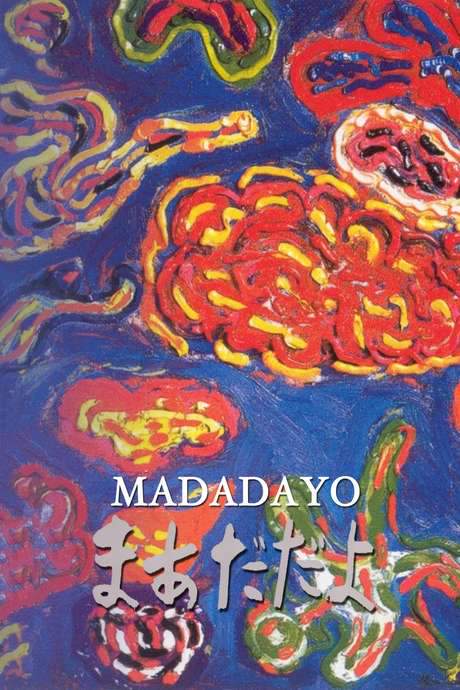
Madadayo 1993


Directed by
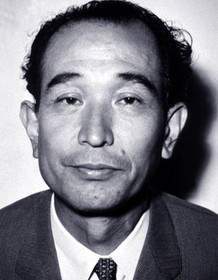
Akira Kurosawa
Made by

Tokuma Shoten
Where to Watch Madadayo
See current US streaming, rental, and purchase options for Madadayo (1993) via JustWatch.

Streaming availability powered by 
Madadayo Plot Summary
Read the complete plot summary and ending explained for Madadayo (1993). From turning points to emotional moments, uncover what really happened and why it matters.
The film is based on the life of Japanese academic and author Hyakken Uchida (1889–1971). While playfully teaching a German-language class in the years just before World War II, Uchida tearfully announces his retirement to his crestfallen students. In 1943, Uchida moves into a spacious house, and Kyôko Kagawa as the Professor’s Wife is concerned about the safety of the neighborhood. Two students arrive to pretend to burglarize the home, but instead discover a series of instructions Uchida has written on how to break in to the house.
He hosts a dinner for several of his students, but wartime shortages force him and his wife to serve venison and horse meat, which embarrasses him. Their house is later destroyed by U.S. bombing raids, and Uchida and his wife must live in a small shack with no indoor toilet and only a few possessions left.
After the war ends, his former students organize a banquet to honor him. Asked several times whether he is ready to die, he replies, “Not yet.” The banquet is therefore nicknamed the Not Yet Banquet. At the end of the raucous celebration, two American military policemen arrive but smile when they see the jovial gathering.
With the help of his students, he builds a new house for himself and his wife, featuring a pond with a small island. A stray alley cat appears, and he eventually adopts it, naming it Nora. The plot thickens when the empty lot across from their home is bought by a developer who wants to build over it. Uchida refuses to sell, but his students pool resources to buy the lot back and return it to the seller, who agrees not to disturb Uchida’s view.
Nora disappears during a storm, sending Uchida into a deep depression. He conducts searches with the help of his students, local schools, and townspeople, but Nora is never found. Later, another cat arrives, which Uchida names Kurz, and his spirits lift again.
The seventeenth Not Yet Banquet is held by his former students. It is no longer an all-male affair: the children and grandchildren of his pupils bring flowers and a large cake. After delivering his remarks, Uchida collapses from arrhythmia. He is taken home, where he falls asleep, dreaming of childhood hide-and-seek. In the dream, the other children ask if he is ready, and he answers again, “Not yet,” before finally finding a hiding place and gazing toward a golden sun.
Many vignettes—like the search for a missing cat and Uchida’s time in a one-room hut after his home was bombed—draw from Uchida’s own writings, and the film also lets Kurosawa reflect on modern Japanese history, including the American occupation of Japan, a topic he had only explored indirectly in his earlier work.
Madadayo Timeline
Follow the complete movie timeline of Madadayo (1993) with every major event in chronological order. Great for understanding complex plots and story progression.
Pre-war professor announces retirement
During a German-language class, Uchida tearfully announces his retirement to crestfallen students. He is a Japanese academic and author living in the period just before WWII. The moment underscores his waning career and foreshadows the life changes to come.
Move to a spacious house and the burglary test
In 1943, Uchida moves into a spacious house, though his wife worries about neighborhood safety. Two students visit to pretend to burglarize the home, only to discover Uchida has written directions on how to break in.
Wartime dinner under shortages
He hosts a dinner for several students, but wartime shortages embarrass him as only venison and horse meat are available. The gathering reveals the warmth of student-teacher bonds despite rationing. The evening underscores resilience in difficult times.
Bombing destroys the house; move to a shack
The couple's house is burned down during U.S. bombing raids, forcing them to live in a small one-room shack with no indoor toilet. They cling to a few remaining possessions as war reshapes their lives.
Post-war Not Yet Banquet planned by students
After the war, his former students organize a banquet to honor him. The event prompts him to face mortality, answering repeatedly whether he is ready to die with Not yet, giving the banquet its name.
American MPs arrive; mood intact
Two American military policemen arrive at the Not Yet Banquet and observe the lively gathering. They smile, recognizing the ceremony's warmth and the community's resilience.
Building a new house with pond and island
With help from his students, Uchida constructs a new house and a pond with a small island in the middle. The project symbolizes renewal and the enduring bond between teacher and students.
Nora the alley cat arrives; he adopts her
A stray alley cat named Nora arrives and Uchida eventually adopts it, reflecting his gentle attachment to small joys amid changing times.
Developer buys the lot; students preserve Uchida's view
The developer purchases the lot across from their house, hoping to tower over Uchida's view. Uchida refuses to sell, and his students pool resources to buy the lot back and return it to the original seller, who promises not to disturb the view.
Nora disappears in a storm; search begins
Nora disappears during a storm, causing Uchida to fall into heartbreak and depression. He conducts searches with the help of his students and townspeople, though Nora is never found.
Kurz the new cat arrives; mood lifts
A new cat named Kurz appears, and its presence helps lift Uchida from deep mourning. The companionship of the animal offers him renewed hope.
Seventeenth Not Yet Banquet
His former students host the seventeenth Not Yet Banquet, now including children of the students and grandchildren with a large cake. The event blends humor, affection, and memory as Uchida remains reluctant about dying.
Collapse and dim ending
After receiving the cake and delivering remarks, Uchida collapses from arrhythmia and is taken home. He rests, falls asleep, and dreams of hiding as a child, still hearing others ask if he's ready to die.
Dream of hiding and golden sun
In his dream, he searches for a place to hide and ultimately finds one, turning his gaze toward a golden sun. The image suggests a peaceful, enduring hope beyond mortality.
Closing reflections on Uchida and history
The film closes by noting that many vignettes come from Uchida's writings, and Kurosawa uses them to comment on post-war Japanese history, including the American occupation.
Madadayo Characters
Explore all characters from Madadayo (1993). Get detailed profiles with their roles, arcs, and key relationships explained.
Prof. Hyakken Uchida (actor: Tatsuo Matsumura)
A renowned academic and author, Uchida is a German literature professor who retires and faces wartime hardship with quiet dignity. His life is marked by a blend of scholarly pursuit, gentle humor, and a stubborn will to endure, even as the world around him fractures. His relationships with students, wife, and community reveal a lifelong commitment to learning and memory.
Sawamura (Akira Terao)
One of Uchida's students or close associates who remains in his orbit as the war intensifies. He participates in the shared life of the classroom and home, exemplifying loyalty and reverence for Uchida's wisdom. His presence helps sustain the professor's sense of purpose amid shortages and danger.
Professor's Wife (actor: Kyôko Kagawa)
Uchida's partner, who worries about safety and shares in the hardships of wartime life. She supports her husband through upheaval, from rationing and danger to rebuilding after the bombing. Their partnership embodies domestic resilience and mutual care.
Madadayo Settings
Learn where and when Madadayo (1993) takes place. Explore the film’s settings, era, and how they shape the narrative.
Time period
1930s–1950s
The film spans the late 1930s through the immediate postwar years in Japan. It portrays wartime shortages, air raids, and the cultural shifts under American occupation. Across these years, the life of a German literature professor and his circle illustrates how education, memory, and friendship endure amid upheaval.
Location
Japan, Uchida's home neighborhood, and surrounding town
The story unfolds across Uchida's home and its surrounding neighborhood, from a spacious early-life setting to a bomb-damaged later reality in a wartime town and the postwar recovery that follows. It depicts domestic spaces as sites of intellectual life, intimate memory, and community support during crisis. After the bombing, the family moves to a small shack, illustrating how place mirrors loss and resilience. In time, a rebuilt home with a pond and a tiny island signals renewal and continuity of memory.
Madadayo Themes
Discover the main themes in Madadayo (1993). Analyze the deeper meanings, emotional layers, and social commentary behind the film.
🎓
Mentorship, Legacy
Uchida's role as a professor and mentor anchors the narrative. His students maintain contact, organize gatherings, and safeguard his intellectual way of life. The Not Yet Banquet embodies the lasting influence of his teachings across generations. The film treats memory as a living force transmitted through respect, care, and community.
💣
War & Aftermath
The story is set against shortages, air raids, and the destruction of Uchida's home. War reshapes daily life, forcing adaptation, loss, and resilience. The occupation and postwar reconstruction provide a backdrop that tests how culture, learning, and human connection endure.
🏠
Home & Memory
The house is a recurring character, moving from a spacious prewar residence to a one-room hut after the bombing, and finally to a rebuilt home with a pond and island. The arrival of Nora the alley cat and later Kurz links the space to memory, companionship, and renewal. The evolving home anchors Uchida’s emotional arc as he navigates loss and recovery.

Coming soon on iOS and Android
The Plot Explained Mobile App
From blockbusters to hidden gems — dive into movie stories anytime, anywhere. Save your favorites, discover plots faster, and never miss a twist again.
Sign up to be the first to know when we launch. Your email stays private — always.
Explore the mobile appMadadayo Spoiler-Free Summary
Discover the spoiler-free summary of Madadayo (1993). Get a concise overview without any spoilers.
In the quiet streets of pre‑war Japan, Hyakken Uchida—a beloved professor of German literature—makes a heartfelt announcement that will ripple through his classroom and the lives of those gathered around him. The film opens with his gentle resignation at the dawn of World II, a moment that blends personal reflection with the looming uncertainty of a nation on the brink. Through a series of tender vignettes, the story follows the professor as he steps away from the lecture hall and into a slower, more intimate rhythm of life, surrounded by the affection and curiosity of former students who return to share memories, laughter, and the simple comforts of everyday companionship.
The world of the film is a modest Japanese town where academic pursuits coexist with the subtle tremors of history. Its tone is warm and contemplative, inviting viewers to linger over quiet conversations, shared meals, and the unhurried passage of seasons. The atmosphere is imbued with a delicate humor that rises from the professor’s gentle quirks and the affectionate teasing of his pupils, while also carrying an undercurrent of resilience as the community navigates the broader changes shaping their era.
At the heart of the narrative is the relationship between Uchida and the people who orbit his world—his supportive wife, the devoted former classmates, and the younger generation eager to honor the legacy of a man whose wisdom is measured more in quiet dignity than grand gestures. Their interactions form a mosaic of respect, affection, and the subtle humor that defines everyday life. As the story unfolds, it paints a portrait of aging gracefully, of friendships that endure beyond the classroom, and of a life lived with quiet purpose, leaving the audience with a lingering sense of curiosity about how these gentle bonds will weather the inevitable passages of time.
Movies with Similar Twists and Themes
Uncover films that echo the narrative beats, emotional arcs, or dramatic twists of the one you're exploring. These recommendations are handpicked based on story depth, thematic resonance, and spoiler-worthy moments — perfect for fans who crave more of the same intrigue.


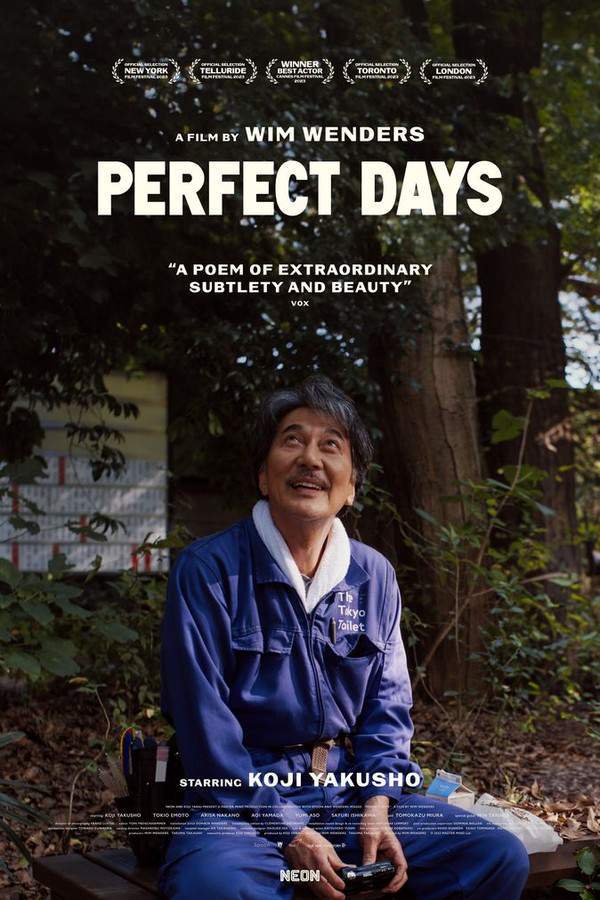



Featured on this page

What's After the Movie?
Not sure whether to stay after the credits? Find out!
Check out our other apps:

SAT Sphere
Build confidence for the Digital SAT.

Mori Atlas
Discover wild places worth protecting.

Luntero
Search smarter for a home in Amsterdam.

Plot Explained
Unravel movie endings and hidden clues.

Pokechamp
Dive into Pokémon data and battle logic.

Driving Theory
Get ready for your European theory test.

Movie Dust
Plan your next cinema trip with ease.

Musemap
Find art and culture as you travel.

Selkobase
Compare credentials before committing.

Local Manual
Turn an unfamiliar country into practical next steps.

Lernavi
Compare school systems before your next move.

GymRoam
Find a workout stop wherever your plans take you.
Explore Our Movie Platform
New Movie Releases (2026)
Famous Movie Actors
Top Film Production Studios
Movie Plot Summaries & Endings
Major Movie Awards & Winners
Best Concert Films & Music Documentaries
Movie Collections and Curated Lists
© 2026 What's After the Movie. All rights reserved.
Privacy Policy