




Where to Watch Loop
See current US streaming, rental, and purchase options for Loop (2019) via JustWatch.

Amazon Prime Video
HD
Amazon Prime Video with Ads
HD
Darkroom
HD
Hoopla
SD
JustWatch TV
HD
Amazon Prime Video Free with Ads
HD
Cineverse
HD
Filmzie
HD
Plex
HD
Plex Channel
HD
The Roku Channel
HD
Tubi TV
SD
Amazon Video
SD
Google Play Movies
SD Streaming availability powered by 
Loop Plot Summary
Read the complete plot summary and ending explained for Loop (2019). From turning points to emotional moments, uncover what really happened and why it matters.
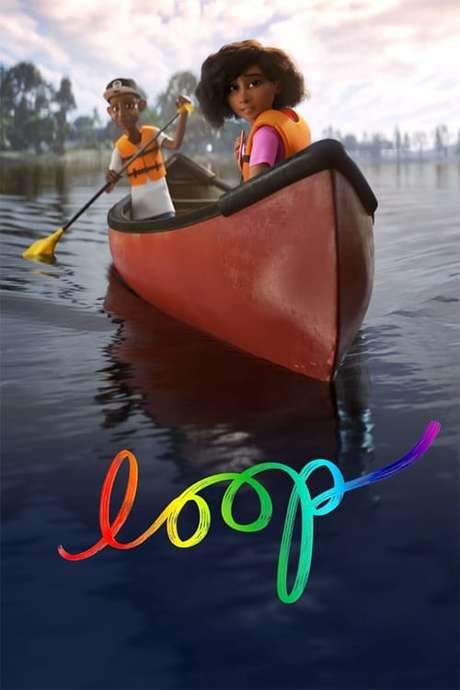
A quiet lakeside camp provides the setting for a careful, evolving connection between a non-verbal autistic girl and the camp staff as they navigate communication through sound and touch. The girl uses a simple sound app on her phone, and this small gadget becomes a bridge for interaction in a moment when words aren’t easily available. The camp counselor arrives a touch late, and, with a mix of uncertainty and resolve, he becomes the person she turns to while she signals what she needs.
At first, the counselor’s attempt to show off his paddling becomes a misread moment: the girl isn’t impressed by bravado, and she starts to rock the canoe, shifting the balance and testing his patience. He asks what she wants, and her hint is practical and precise—she wants to paddle toward land so she can touch the reeds along the shore. The exchange is gentle but clear: she sets the pace, and he follows her lead, learning to read the cues rather than chasing spectacle.
A new idea forms as the counselor watches the phone glow in her hand. He guides them toward a tunnel formed by the water and the surrounding banks, inviting her to play the phone’s sound so it can reverberate through the enclosed space. The initial reaction is one of curiosity and delight: the echoes create a sense of space and rhythm that she can grasp. For a moment, the sound brings a shared, quiet joy—an almost tangible connection between human intention and environmental response.
Then the mood shifts. A speedboat roars past, its wake and noise crashing through the tunnel’s acoustic illusion. The overwhelming sound overwhelms the girl’s sense of safety, and panic floods the moment. She frantically paddles, trying to escape the chaos, and the canoe shudders as they crash onto the waterside. A meltdown follows—phones thrown, the world suddenly too loud and too bright—while the counselor stands by, surprised and uncertain about the right way to respond.
What happens next is a thoughtful pivot. The counselor retrieves a reed from the shore and places it near the canoe, a simple, tangible object to anchor her attention. He sits close by, giving her time and space to breathe, letting the situation unfold at her pace. Gradually, she calms enough to take the reed herself, and a small, almost childlike giggle escapes her as she examines the object. The two of them repeat the resonant sound together, not as a performance, but as a shared activity that reintegrates her sense of control and safety. The canoe becomes a space of quiet collaboration rather than spectacle, and the lake’s surface resumes its tranquil rhythm.
With the mood steadied, they slide back into the canoe and glide toward the camp, the water’s sheen mirroring the unspoken agreement they’ve reached. The recovered phone, once a source of anxiety, starts to function again, and a new message appears: an invitation to canoe once more. It’s a small, practical gesture, but it signals openness and trust—a chance to try again on the terms the girl sets, rather than those imposed by others.
In the end, the story frames a patient, patient-minded approach to bridging differences through concrete, sensory-led strategies. It presents how small tools—like a reed, a patch of reeds, and a shared sound—can become channels for mutual understanding. The mood remains grounded and hopeful, emphasizing the importance of listening, pacing, and respect for a person’s pace and preferences. The final tone is quiet but clear: connection can grow through presence, adaptability, and the willingness to listen to what isn’t spoken aloud.
Loop Timeline
Follow the complete movie timeline of Loop (2019) with every major event in chronological order. Great for understanding complex plots and story progression.
Renee in canoe with sound app
Renee sits quietly in a canoe on the lake, tapping a sound-app on her phone. The app's tones become her primary mode of interaction and observation. This opening establishes her non-verbal communication and her comfort with sound.
Marcus arrives and is paired with Renee
Marcus arrives late to camp and is paired with Renee by the camp counselor, much to his annoyance. He resents the assignment and tries to show off his paddling skills to prove himself. Renee remains unimpressed and begins to rock the boat, signaling a tense start.
Renee asks to reach land for reeds
Marcus asks what Renee wants, trying to communicate through gesture. She signals by guiding the canoe toward land so she can touch the reeds along the shore. The moment marks a small, patient accommodation of her needs.
Marcus has a tunnel sound idea
Marcus comes up with an idea to paddle toward a tunnel where Renee can play the phone to make the sound reverberate. He hopes the echo will create a shared experience and bridge their initial friction. They leave the main lake as the sound project begins.
The tunnel reverberates, then speedboat disrupts
Renee enjoys the reverberating sounds at first, her attention focused on the acoustic feedback. A speedboat suddenly roars past, its wake and noise overwhelming her senses. She panics, and Marcus watches as the moment spirals out of control.
The crash and Renee's meltdown
The paddle back to shore becomes chaotic as Renee desperately tries to escape the noise. They crash onto the waterside, and Renee has a meltdown, throwing her phone into the lake and hiding under the canoe. Marcus is left bewildered, trying to understand what went wrong.
Marcus consoles with a reed
Later, Marcus retrieves a reed from the shore and places it beside the canoe where Renee can see it. He sits nearby, giving her space until she begins to calm. She eventually sits up, reaches for the reed, and begins to giggle.
They recreate the sound together
The two repeat the original sound that the phone made, now sharing the moment and breaking through the earlier tension. Their synchronized action hints at a growing trust between them. The canoe ride resumes as a calmer, cooperative activity.
Return to camp
They get back into the canoe and paddle back toward the camp, the mood notably steadier than before. Renee's engagement with the sounds deepens their communication. The shared experience marks a turning point in their partnership.
Phone recovers and Marcus invites again
Renee's recovered phone starts working again, reviving the possibility of future interaction. A notification comes in as Marcus reaches out with a message. He asks if she would like to go canoeing again, hinting at a budding connection.
A hopeful next chapter
The outdoors becomes their shared language, and a tentative friendship begins to form. The film leaves audiences hopeful for more adventures on the water as a result of their bond through sound and patience.
Loop Characters
Explore all characters from Loop (2019). Get detailed profiles with their roles, arcs, and key relationships explained.
Renee
Renee is a non-verbal autistic girl who communicates through touch, gestures, and a sound app. She seeks predictable sensory input and finds reassurance in gentle, patient companionship. Her reactions to loud noises and sudden changes reveal her vulnerability and resilience.
Marcus
Marcus is a camp counselor who is initially annoyed by being paired with Renee. Through the experience, he learns to listen for her cues and respond with patience, turning a challenging assignment into a shared, hopeful activity.
Loop Settings
Learn where and when Loop (2019) takes place. Explore the film’s settings, era, and how they shape the narrative.
Time period
Present day
The story unfolds in the contemporary era, where smartphones and a sound app play a key role. The camp setting features modern activities like canoeing and motorized boats, grounding the events in a recognizable present day. The time frame emphasizes how technology intersects with human connection in a simple outdoor environment.
Location
Riverside Summer Camp
Riverside Summer Camp sits by a calm lake with a network of reeds along the shore. It offers canoeing, nature trails, and quiet spaces for campers. The setting provides the sensory backdrop that drives the characters' interactions, especially through water, wind, and distant sounds.
Loop Themes
Discover the main themes in Loop (2019). Analyze the deeper meanings, emotional layers, and social commentary behind the film.
🤝
Connection
The film centers on building trust between Renee and Marcus through shared, patient experiences. Small gestures and steady presence help bridge the gap between different ways of sensing the world. Their evolving rapport demonstrates how empathy can turn a tense partnership into cooperation.
🔊
Sound & Sensory
Renee's relationship with sound reveals how sensory input shapes perception and comfort. The environment's noises can overwhelm or soothe, depending on approach. The story explores balancing stimuli to create safe, meaningful moments of discovery.
🌿
Nature & Calm
The natural setting acts as both obstacle and refuge: water, reeds, and wind offer anchors for Renee's calm. Gentle routines—like sharing a reed and a tune—become tools for regulation and connection. The film highlights how patience and a quiet environment enable growth.

Coming soon on iOS and Android
The Plot Explained Mobile App
From blockbusters to hidden gems — dive into movie stories anytime, anywhere. Save your favorites, discover plots faster, and never miss a twist again.
Sign up to be the first to know when we launch. Your email stays private — always.
Explore the mobile appLoop Spoiler-Free Summary
Discover the spoiler-free summary of Loop (2019). Get a concise overview without any spoilers.
In the distant future of 2113, the planet teeters on the brink of collapse. Decades of relentless technological progress have reshaped every facet of life, but the very advancements meant to elevate humanity have become its greatest threat. Skyscrapers pulse with neon data streams, autonomous systems whisper through the air, and the line between human intention and algorithmic control has blurred beyond recognition. The world hangs in a fragile balance, a shimmering tapestry of possibility threaded with an ever‑growing sense of unease.
Amid this high‑stakes backdrop, Raquel emerges as a determined mind seeking a way out of the looming disaster. A brilliant and introspective scientist, she has spent years navigating the labyrinth of code, ethics, and the raw power of artificial intelligence. Her personal journey is one of quiet conviction, driven by a fierce belief that the very tools threatening extinction might also hold the key to salvation. The narrative follows her as she contends with the moral weight of creating something that could reshape humanity’s fate.
The tone of the film is a careful blend of stark futurism and intimate human drama. The visual palette mixes cold, metallic vistas with fleeting moments of organic beauty—a reminder that hope can still flicker in unexpected places. Dialogue is sparse, allowing the world’s ambient hum and the subtle expressions of its characters to carry the emotional weight. Raquel’s interactions with the AI she designs are charged with both wonder and tension, hinting at profound questions about agency, responsibility, and what it truly means to be human in an age where the line between creator and creation is increasingly thin.
Through its atmospheric setting and thoughtful character focus, the story invites viewers to contemplate the paradox of progress: the same ingenuity that propels civilization forward can also sow the seeds of its undoing. As the stakes rise, the audience is left to wonder whether ingenuity can outpace its own consequences, and whether one determined individual can tip the scales toward a future worth saving.
Movies with Similar Twists and Themes
Uncover films that echo the narrative beats, emotional arcs, or dramatic twists of the one you're exploring. These recommendations are handpicked based on story depth, thematic resonance, and spoiler-worthy moments — perfect for fans who crave more of the same intrigue.


Featured on this page

What's After the Movie?
Not sure whether to stay after the credits? Find out!
Check out our other apps:

SAT Sphere
Build confidence for the Digital SAT.

Mori Atlas
Discover wild places worth protecting.

Luntero
Search smarter for a home in Amsterdam.

Plot Explained
Unravel movie endings and hidden clues.

Pokechamp
Dive into Pokémon data and battle logic.

Driving Theory
Get ready for your European theory test.

Movie Dust
Plan your next cinema trip with ease.

Musemap
Find art and culture as you travel.

Selkobase
Compare credentials before committing.

Local Manual
Turn an unfamiliar country into practical next steps.

Lernavi
Compare school systems before your next move.

GymRoam
Find a workout stop wherever your plans take you.
Explore Our Movie Platform
New Movie Releases (2026)
Famous Movie Actors
Top Film Production Studios
Movie Plot Summaries & Endings
Major Movie Awards & Winners
Best Concert Films & Music Documentaries
Movie Collections and Curated Lists
© 2026 What's After the Movie. All rights reserved.
Privacy Policy