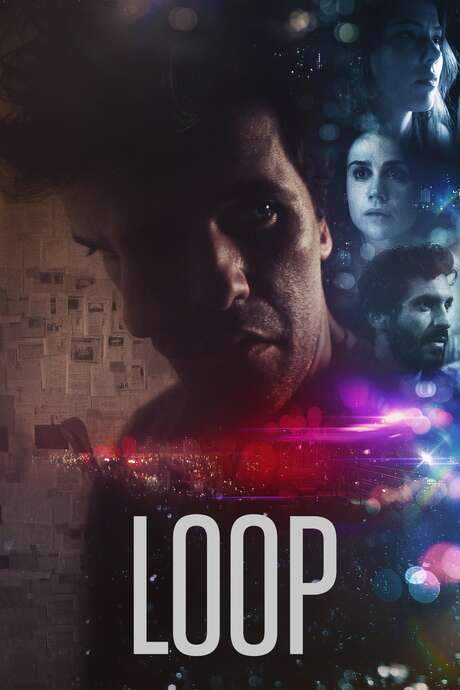
Loop 2019



The year is 2113, humanity is on the edge of extinction due to technological advancement. Raquel tries to find a solution to the problem using artificial intelligence.


Does Loop have end credit scenes?
No!
Loop does not have end credit scenes. You can leave when the credits roll.
Where to Watch Loop
See current US streaming, rental, and purchase options for Loop (2019) via JustWatch.

Amazon Prime Video
HD
Amazon Prime Video with Ads
HD
Darkroom
HD
Hoopla
SD
JustWatch TV
HD
Amazon Prime Video Free with Ads
HD
Cineverse
HD
Filmzie
HD
Plex
HD
Plex Channel
HD
The Roku Channel
HD
Tubi TV
SD
Amazon Video
SD
Google Play Movies
SD Streaming availability powered by 
Meet the Full Cast and Actors of Loop
Explore the complete cast of Loop, including both lead and supporting actors. Learn who plays each character, discover their past roles and achievements, and find out what makes this ensemble cast stand out in the world of film and television.

External Links and Streaming Options
Discover where to watch Loop online, including streaming platforms, rental options, and official sources. Compare reviews, ratings, and in-depth movie information across sites like IMDb, TMDb, Wikipedia or Rotten Tomatoes.





Full Plot Summary and Ending Explained for Loop
Read the complete plot summary of Loop, including all major events, twists, and the full ending explained in detail. Explore key characters, themes, hidden meanings, and everything you need to understand the story from beginning to end.
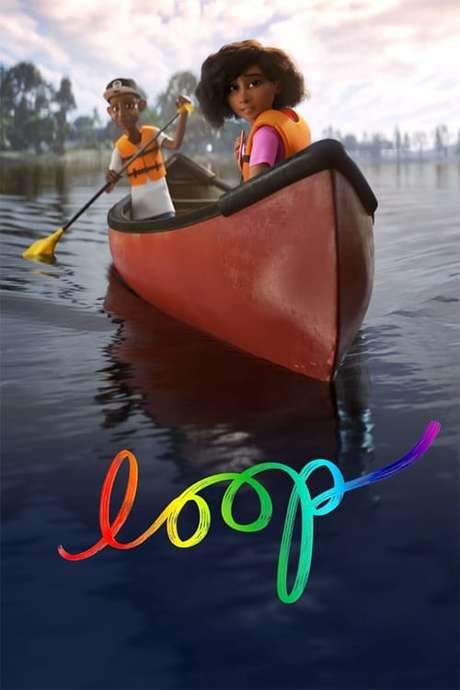
A quiet lakeside camp provides the setting for a careful, evolving connection between a non-verbal autistic girl and the camp staff as they navigate communication through sound and touch. The girl uses a simple sound app on her phone, and this small gadget becomes a bridge for interaction in a moment when words aren’t easily available. The camp counselor arrives a touch late, and, with a mix of uncertainty and resolve, he becomes the person she turns to while she signals what she needs.
At first, the counselor’s attempt to show off his paddling becomes a misread moment: the girl isn’t impressed by bravado, and she starts to rock the canoe, shifting the balance and testing his patience. He asks what she wants, and her hint is practical and precise—she wants to paddle toward land so she can touch the reeds along the shore. The exchange is gentle but clear: she sets the pace, and he follows her lead, learning to read the cues rather than chasing spectacle.
A new idea forms as the counselor watches the phone glow in her hand. He guides them toward a tunnel formed by the water and the surrounding banks, inviting her to play the phone’s sound so it can reverberate through the enclosed space. The initial reaction is one of curiosity and delight: the echoes create a sense of space and rhythm that she can grasp. For a moment, the sound brings a shared, quiet joy—an almost tangible connection between human intention and environmental response.
Then the mood shifts. A speedboat roars past, its wake and noise crashing through the tunnel’s acoustic illusion. The overwhelming sound overwhelms the girl’s sense of safety, and panic floods the moment. She frantically paddles, trying to escape the chaos, and the canoe shudders as they crash onto the waterside. A meltdown follows—phones thrown, the world suddenly too loud and too bright—while the counselor stands by, surprised and uncertain about the right way to respond.
What happens next is a thoughtful pivot. The counselor retrieves a reed from the shore and places it near the canoe, a simple, tangible object to anchor her attention. He sits close by, giving her time and space to breathe, letting the situation unfold at her pace. Gradually, she calms enough to take the reed herself, and a small, almost childlike giggle escapes her as she examines the object. The two of them repeat the resonant sound together, not as a performance, but as a shared activity that reintegrates her sense of control and safety. The canoe becomes a space of quiet collaboration rather than spectacle, and the lake’s surface resumes its tranquil rhythm.
With the mood steadied, they slide back into the canoe and glide toward the camp, the water’s sheen mirroring the unspoken agreement they’ve reached. The recovered phone, once a source of anxiety, starts to function again, and a new message appears: an invitation to canoe once more. It’s a small, practical gesture, but it signals openness and trust—a chance to try again on the terms the girl sets, rather than those imposed by others.
In the end, the story frames a patient, patient-minded approach to bridging differences through concrete, sensory-led strategies. It presents how small tools—like a reed, a patch of reeds, and a shared sound—can become channels for mutual understanding. The mood remains grounded and hopeful, emphasizing the importance of listening, pacing, and respect for a person’s pace and preferences. The final tone is quiet but clear: connection can grow through presence, adaptability, and the willingness to listen to what isn’t spoken aloud.

Coming soon on iOS and Android
The Plot Explained Mobile App
From blockbusters to hidden gems — dive into movie stories anytime, anywhere. Save your favorites, discover plots faster, and never miss a twist again.
Sign up to be the first to know when we launch. Your email stays private — always.
Explore the mobile appWatch Trailers, Clips & Behind-the-Scenes for Loop
Watch official trailers, exclusive clips, cast interviews, and behind-the-scenes footage from Loop. Dive deeper into the making of the film, its standout moments, and key production insights.
Loop Themes and Keywords
Discover the central themes, ideas, and keywords that define the movie’s story, tone, and message. Analyze the film’s deeper meanings, genre influences, and recurring concepts.

Unlock the World of Movies with Our Comprehensive Wiki
Dive into our Movie Wiki for in-depth film encyclopedia entries, including cast biographies, production trivia, plot synopses, behind-the-scenes facts, and thematic analyses. Whether you’re researching iconic directors, exploring genre histories, or discovering hidden easter eggs, our expertly curated movie database has everything you need to fuel your cinematic passion.

Similar Movies To Loop You Should Know About
Browse a curated list of movies similar in genre, tone, characters, or story structure. Discover new titles like the one you're watching, perfect for fans of related plots, vibes, or cinematic styles.





Quick Links: Summary, Cast, Ratings, More

What's After the Movie?
Not sure whether to stay after the credits? Find out!
Check out our other apps:

SAT Sphere
Build confidence for the Digital SAT.

Mori Atlas
Discover wild places worth protecting.

Luntero
Search smarter for a home in Amsterdam.

Plot Explained
Unravel movie endings and hidden clues.

Pokechamp
Dive into Pokémon data and battle logic.

Driving Theory
Get ready for your European theory test.

Movie Dust
Plan your next cinema trip with ease.

Musemap
Find art and culture as you travel.

Selkobase
Compare credentials before committing.

Local Manual
Turn an unfamiliar country into practical next steps.

Lernavi
Compare school systems before your next move.

GymRoam
Find a workout stop wherever your plans take you.
Explore Our Movie Platform
New Movie Releases (2026)
Famous Movie Actors
Top Film Production Studios
Movie Plot Summaries & Endings
Major Movie Awards & Winners
Best Concert Films & Music Documentaries
Movie Collections and Curated Lists
© 2026 What's After the Movie. All rights reserved.
Privacy Policy