What Is Little Old New York About?
The premise of Little Old New York in 334 words, with nothing given away. The full story follows below.
In the bustling harbor of 1807 New York City, the waters are alive with the rhythm of a city on the brink of change. Into this world steps Robert Fulton, a visionary engineer whose dreams stretch far beyond the sails and oars that dominate the waterfront. His ambition is clear: to bring a steam-powered vessel to life, a concept that challenges the very foundations of maritime tradition. Yet, in a town where the status quo is fiercely defended by established interests, Fulton’s vision appears to many to be little more than a fanciful impossibility, leaving him in need of allies who can see beyond the horizon.
The inventor’s journey is not one he undertakes alone, nor is it purely a matter of engineering and capital. Pat O’Day, a spirited tavern owner with a sharp eye for potential, quickly recognizes the promise in Fulton’s revolutionary ideas. Her belief provides a crucial anchor for the project, even as she finds herself caught in a subtle contest of hearts. Alongside her is Charles Browne, a diligent shipyard owner who opens his facilities to the cause, lending his expertise and his own longstanding affection for Pat to the unfolding drama.
As the trio rallies to secure the necessary backing, they face a tide of resistance from a community wary of what new technology might mean for their livelihoods. The atmosphere is charged with the tension between progress and tradition, requiring Fulton to rely heavily on his newfound partners to navigate the choppy waters of skepticism. The bonds between them are tested as they strive to turn blueprints into reality, balancing the pursuit of innovation with the personal dynamics that swirl around the docks.
The stage is set for a dramatic confrontation between the past and a brave new future, where the line between folly and genius is thin. As the pressure mounts and rivals circle, the group must decide how much they are willing to risk for a dream that promises to change the face of travel forever.
What Happens in Little Old New York?
The complete story of Little Old New York, from the first scene to the last, in 249 words (about 1 minute). Spoilers throughout. Names in the text link to 4 cast member pages.
Spoilers ahead
In 1807, the engineer and inventor Robert Fulton arrives in New York City, where he meets the tavern and inn keeper Pat O’Day. O’Day quickly becomes a believer in Fulton and his dream, seeing in his plans the promise of a new era of travel. She uses her connections and social standing to help him pursue the investment capital needed to build his ambitious steam-powered ship.
Charles Browne, Fulton’s ally and O’Day’s longtime suitor, opens his own shipyard to assist with the project. Fulton receives an initial philanthropic nudge from Chancellor Robert L. Livingstone, and additional funds are gathered through O’Day’s business relationships. With these early boosts, Fulton is able to press forward and secure the remaining capital required to bring his revolutionary paddle steamer to life.
Yet progress is not simple. Regan, a shipwright who becomes a thorn in Fulton’s side, attempts to unite local deckhands and operators against the inventor, tapping into fears that a steam-powered vessel could upend livelihoods tied to traditional sail and rowed craft. The tension fuels a protracted struggle between old ways and new technology, testing Fulton’s resolve and the backing he has gathered.
Despite misfortune, stubborn resistance, and Regan’s interference, the project advances. The Clermont is completed at the shipyard run by Charles Browne, and the moment of truth arrives with its inaugural voyage. The ship’s successful departure and steady performance on that first trip serve to vindicate Fulton’s vision, finally silencing the doubters who had branded his endeavor as Fulton’s Folly.
Little Old New York Timeline: Every Key Event in Order
12 key events in the order they happen, from “Fulton arrives in New York to seek backing” to “Impact and legacy begins”. 12 events name a place, across 9 locations.
- 1
Fulton arrives in New York to seek backing
Robert Fulton arrives in New York City in 1807 to pursue investors for his steam-powered ship. He lodges at Pat O'Day's inn, where her hospitality becomes a catalyst for belief in his ambitious dream. The spark of support begins to form as they discuss the potential of a paddle steamer.
When:1807 Where:New York City
- 2
Pat O'Day commits to Fulton’s dream
Pat O'Day, the innkeeper, is moved by Fulton’s dedication and resolves to help him secure investment. She starts advocating for his project among her business acquaintances. Her belief marks the start of a broader fundraising effort.
When:1807 Where:New York City (inn)
- 3
Initial investment from Chancellor Livingstone
Fulton receives the first financial backing from Chancellor Robert L. Livingstone, signaling early validation of the project. This investment helps move the plan from idea toward a concrete build. The funding serves as the crucial first milestone.
When:1807 Where:New York City
- 4
Browne opens shipyard to assist
Charles Browne, longstanding suitor, opens his own shipyard to support the steamboat project. His facilities provide the space and resources needed to begin construction. This alliance accelerates Fulton’s efforts to bring Clermont to life.
When:1807-1808 Where:Charles Browne's shipyard
- 5
O'Day raises additional funds
O'Day leverages her network to raise further funds from her business acquaintances. The expanded financial base strengthens the project beyond the initial investment. This collaborative funding keeps the build on track.
When:1807-1808 Where:New York
- 6
Fulton secures the remaining funds
Fulton ultimately secures the remaining funds needed to complete the paddle steamer. With capital fully in place, the team can push the construction to its finish. The financial puzzle finally comes together, reducing the risk of the project failing.
When:1807-1808 Where:New York / Browne's shipyard
- 7
Regan confronts Fulton
A shipwright named Regan has a run-in with Fulton and becomes an active adversary. The confrontation hints at personal and professional tensions surrounding the ambitious project. This conflict foreshadows renewed resistance to the steamship.
When:1807-1808 Where:Browne's shipyard
- 8
Regan fuels fear among workers
Regan escalates his opposition by exploiting locals' fear of losing livelihoods to steam-powered vessels. He tries to turn deck hands and passenger boat operators against Fulton’s plan. The campaign adds pressure on the project and tests its supporters.
When:1807-1808 Where:New York harbor / shipyard
- 9
Adversity is overcome and Clermont nears completion
Despite bad luck and ongoing interference from Regan, Fulton presses on toward completion of his paddle steamer. The team perseveres through setbacks to bring Clermont to the finish line. The vessel begins to take shape as a symbol of innovation.
When:1808 Where:Charles Browne's shipyard
- 10
Clermont completed and prepared for launch
The Clermont is finished at Browne's shipyard, ready for its inaugural voyage. The completion of the vessel marks a turning point for Fulton and his supporters. The community's anticipation grows as the first test of steam power approaches.
When:1808 Where:Charles Browne's shipyard
- 11
Clermont launches on its first voyage
Clermont is launched and makes its first voyage, proving steam power can move ships. The successful launch silences many of the critics who derided the project as Fulton’s Folly. The moment cements Fulton’s place in naval history.
When:1807 Where:Hudson River (launch site)
- 12
Impact and legacy begins
The successful voyage marks a milestone in engineering and transportation, opening new possibilities for steam-powered navigation. Fulton’s achievement alters perceptions of what was possible in shipping and inspires future innovation. Public skepticism fades as the Clermont proves the concept works.
When:1807-1808 Where:New York / Hudson River
Who Are the Main Characters in Little Old New York?
5 characters, among them Robert Fulton (Richard Greene), Pat O'Day (Alice Faye) and Charles Browne (Fred MacMurray): who each one is and the part they play in the story. Every profile links to the actor’s page.
- RF
Robert Fulton (Richard Greene)
Played by Richard Greene
A visionary engineer who travels to New York City in 1807 to seek funding for his steam-powered Clermont. He meets tavern and inn keeper Pat O'Day and gains her belief in his dream. He pursues the necessary investment despite skepticism, determined to transform transportation.
- 🧭 Visionary
- 🔧 Engineer
- PO
Pat O'Day (Alice Faye)
Played by Alice Faye
An innkeeper who becomes a believer in Fulton’s dream and uses her network to help raise funds. She supports the inventor while balancing business pragmatism with optimism. Her involvement helps connect Fulton to investors.
- 💼 Patron
- 💡 Supporter
-
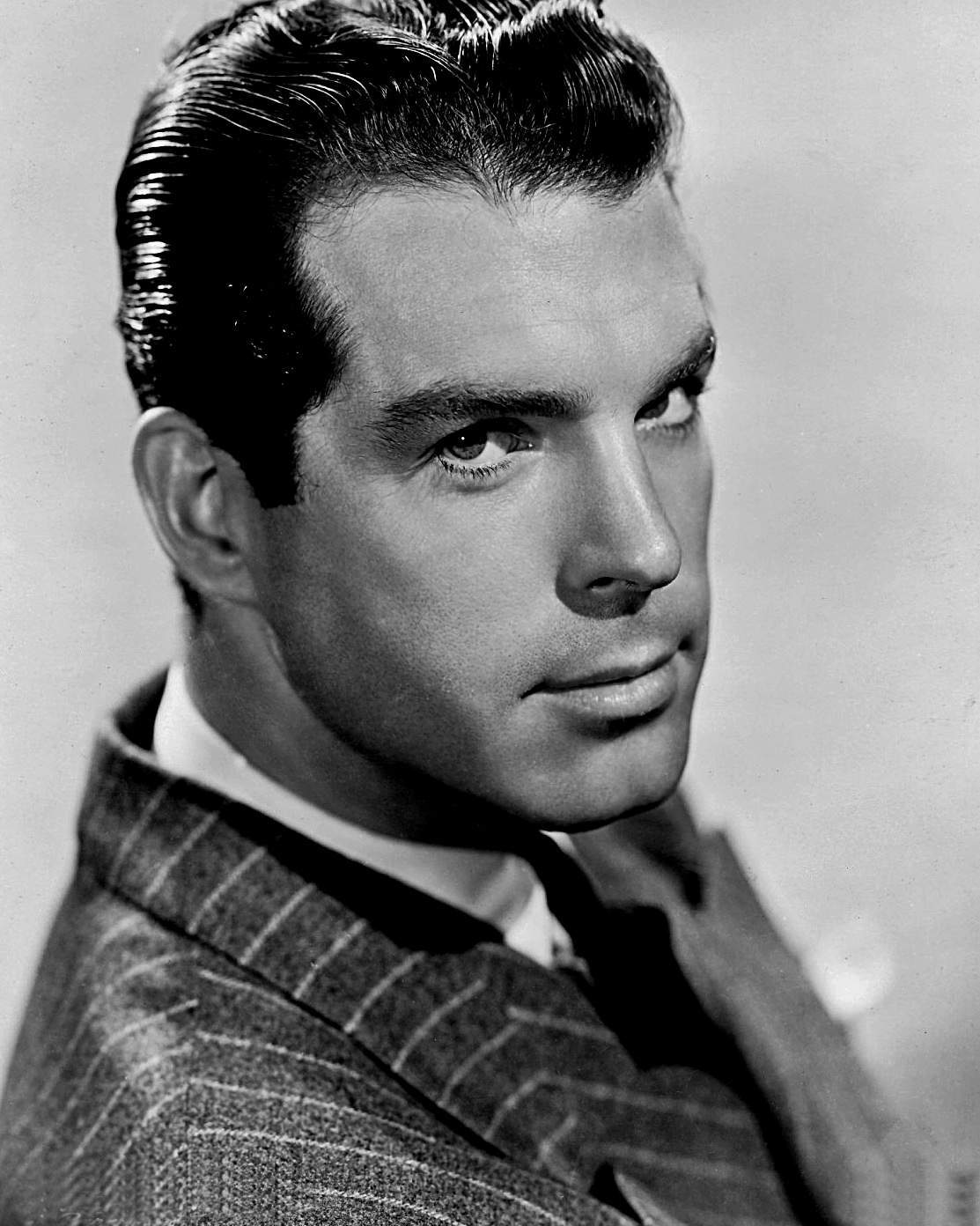
Charles Browne (Fred MacMurray)
Played by Fred MacMurray
A shipyard owner who partners with Fulton to build the steamboat. He is practical and ambitious, leveraging his resources to push a radical project forward.
- 🏗️ Shipbuilder
- 🤝 Ally
-
Regan (Ward Bond)
Played by Ward Bond
A tough, antagonistic figure who resists Fulton’s steam dream, using intimidation and political pressure to sway deckhands and boat operators. He represents the fear of losing traditional livelihoods to new technology.
- ⚔️ Antagonist
- 🪨 Obstructionist
-

Robert L. Livingstone (Henry Stephenson)
Played by Henry Stephenson
A financier who provides initial investment to Fulton’s project and becomes a key ally in moving the Clermont from idea to launch.
- 🏛️ Investor
- 💼 Sponsor
Where and When Is Little Old New York Set?
Little Old New York is set in New York City and Charles Browne's shipyard (1807). Here is why the time and place matter to the story.
When
1807
The events unfold in the early 19th century, a period when steam power begins to emerge as a transformative technology. The city and its merchants navigate the opportunities and risks of rapid industrial change. Investment, innovation, and public opinion shape which ideas survive.
Where
New York City, Charles Browne's shipyard
New York City in 1807 serves as the bustling setting where Fulton pursues funding for his steam-powered Clermont. The city is a hub of taverns, inns, and early industry that cradle ambitious ventures. The shipyard at Charles Browne's works embodies the era's entrepreneurial spirit and technological dreams.
- 🏙️ New York City
- 🧭 Industrial Age
What Are the Themes of Little Old New York?
3 ideas the story keeps returning to, among them Innovation, Skepticism and Progress.
-
01
Innovation
Robert Fulton embodies a relentless push for new technology. The plot tracks the demanding process of securing funding, designing, and testing a steam-powered vessel. The film shows the tension between dreamers and skeptics, and the payoff when ingenuity overcomes doubt. Innovation reshapes transportation and urban life.
-
02
Skepticism
Locals fear for their livelihoods as steam threatens established sail-based work. Regan and others exploit these fears, stirring opposition and obstruction. The story uses this friction to explore how communities negotiate progress and protect economic interests. Skepticism is shown as a hurdle Fulton must overcome through perseverance and demonstration.
-
03
Progress
Launching the Clermont marks a turning point in transportation and industry. The voyage demonstrates that persistence can transform a proving ground into public success. The film frames progress as a collective achievement, involving investors, shipyards, and laborers who adapt to new technology. It ends with a triumph that redefines what a city can dream.
What Kind of Film Is Little Old New York?
Hopeful in tone, with steady pacing and a moderate story, going by the plot summary.
- Tone
- Hopeful
- Pacing
- Steady
- Story
- Moderate
- Intensity
- Medium
- Ending
- Happy
A heartwarming tale of ambition and love set against the backdrop of early 1800s New York, where determination and innovation triumph over adversity.
- inspiring
- romantic
- competitive
- determined
- optimistic
- steamboat invention
- rivalry
- financial struggle
- belief in oneself
- industrial progress
Quiz
How well do you remember Little Old New York? Test yourself on the story.