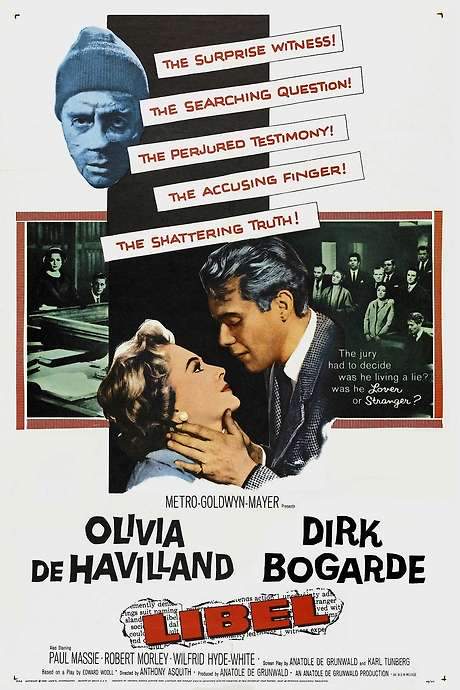
Libel 1959

Directed by

Anthony Asquith
Made by

De Grunwald Productions
Where to Watch Libel
See current US streaming, rental, and purchase options for Libel (1959) via JustWatch.






Libel Plot Summary
Read the complete plot summary and ending explained for Libel (1959). From turning points to emotional moments, uncover what really happened and why it matters.
While traveling in London, the Canadian World War II veteran and pilot Jeffrey Buckenham, Paul Massie, sees on television baronet Sir Mark Loddon, Dirk Bogarde, leading a tour of his ancestral home in England. Buckenham recalls that he was held in a German POW camp with Loddon during the Dunkirk evacuation, and he becomes convinced that Loddon is Frank Wellney, a British actor who bore a striking resemblance to him. This suspicion sets off a dangerous game of identity, memory, and deception that tests Buckenham’s resolve and the truth behind wartime bonds.
As Buckenham presses his claim, Loddon—whose memory is muddied by the traumas of war—retains the defense of his scheming cousin Gerald Loddon and decides to sue Buckenham and the tabloid for libel. The courtroom drama unfolds with Buckenham and Loddon each presenting their own versions of their wartime imprisonment and escape. Buckenham describes a harsh escape toward the Dutch border in 1945, where Loddon wore a British army uniform and Wellney tried to vanish into civilian clothes. A tense moment in the mist leads Buckenham to believe he witnessed Wellney fleeing the scene of Loddon’s murder after days of hunger.
During the libel trial, the defense reveals a startling twist: the uniformed man Buckenham claims died did not die at all. He lives, scarred and deranged, in a German asylum known only as “Number Fifteen.” When the man is brought into the courtroom, he recognizes Loddon, and Loddon’s memory begins to return. The dramatic moment shifts the balance of the case, and the courtroom buzzes with a new possibility: Could Number Fifteen really be the real Loddon?
Margaret, Loddon’s wife, is called to testify and, under pressure, expresses doubt about her husband’s identity. The tension peaks as she weighs the possibility that Number Fifteen is the true Loddon, casting doubt on the life she believes she has shared. In a desperate turn, Loddon’s memory starts to click into place after a night of reflection, including a pivotal moment when he sees his own reflection in a canal. The realization comes: Wellney’s attempts to kill him were thwarted, and by switching their clothes, Loddon managed to escape with his life.
A crucial clue emerges: a medallion hidden in the lining of Loddon’s jacket, given to him by Margaret in 1939, proves that Wellney had carried it all along. With this evidence, Loddon’s identity is reaffirmed, and he wins the libel case. Margaret, now certain of whom she has stood beside all along, comes to terms with the truth. Buckenham and Loddon, though relieved, must face the practical consequences of their revelations, and the pair reconcile, even as Buckenham and the newspaper that carried the tale must answer for damages. The courtroom drama resolves with a quiet, restrained affirmation of identity, memory, and the bonds that survive the fog of war.
Libel Timeline
Follow the complete movie timeline of Libel (1959) with every major event in chronological order. Great for understanding complex plots and story progression.
Buckenham spots Loddon on TV in London and suspects impersonation
While travelling in London, Buckenham sees Sir Mark Sebastian Loddon on television and immediately recalls his wartime memories. He believes the famous baronet may be an impostor who is actually Frank Wellney. The moment seeds a plan to uncover the truth about Loddon's identity.
Buckenham confronts Loddon and writes tabloid challenge
He confronts Loddon and, with the encouragement of Loddon’s scheming cousin Gerald, writes to a tabloid accusing Wellney of posing as Loddon. The confrontation deepens Buckenham’s belief that a deception is underway and pushes him to take action. Their exchange reveals old wartime resentments and a potential motive.
Libel suit filed
Loddon sues Buckenham and the newspaper for libel, arguing that his identity has been slandered. The memory gaps from wartime trauma complicate the case, making it hard for both sides to separate fact from fear. The threat of reputational ruin intensifies the courtroom stakes.
Libel trial opens with wartime recollections
During the trial, both men recount their versions of wartime imprisonment and their escape in spring 1945. The atmosphere blends courtroom procedure with raw wartime recollections as the truth-search unfolds. The audience learns how each man perceived the other in the POW camp.
Spring 1945 escape toward the Dutch border
Spring 1945 marks the escape from the German POW camp as the three prisoners head toward the Dutch border. Loddon wears his British army uniform while Wellney disguises himself in civilian clothes. The march captures the tension between duty, disguise, and the worsening hunger.
Night raid for food and a suspected murder
One night, after days without food, Buckenham leaves Loddon and Wellney to steal from a farm. He returns to hear gunfire and sees two men: one in a British uniform lying still, and another fleeing in civilian clothes. Buckenham suspects Wellney has murdered Loddon and stolen his identity.
Physical clues fuel the identity mystery
During the trial, Buckenham notes that Loddon is missing part of his right index finger as did Wellney. The two men also share other subtle similarities—like hair color and lack of a childhood scar—that cast doubt on their identities. The evidence clues begin to form a puzzle that only the witnesses can resolve.
Personal-life probing raises impersonation doubts
Wellney's questions about Loddon's personal life during their imprisonment highlight the resemblance between them and plant seeds of doubt about identity. The courtroom discussions show how memory and appearance can be manipulated by trauma. The atmosphere grows tense as the truth remains elusive.
Number Fifteen surfaces: the living prison escapee
Defence introduces Number Fifteen, the living, disfigured man from a German asylum. In the courtroom, Loddon recognizes him, and his memory begins to return as the past refuses to stay buried. The case pivots on the truth hidden behind scars and a battered past.
Margaret testifies to Wellney’s impersonation
Margaret states she now believes her husband to be Wellney, the impostor, implying that Number Fifteen is the real Loddon. Her testimony shifts the emotional and factual balance of the libel case. The jury weighs the possibility that love and loyalty have clouded judgment.
Canal reflection unlocks buried memories
Margaret confronts her husband, who struggles to remember more. Seeing his reflection in a canal unlocks his memories, revealing the moment when Wellney attempted to kill him and how he survived. The canal scene becomes a turning point in his personal truth.
Medallion proves the truth and verdict is reached
In court, Loddon recalls a medallion hidden in his jacket lining that Margaret had given him in 1939. Proving the medallion had been in Wellney's possession all along confirms his true identity, and Loddon wins the libel case. Margaret realizes her husband is the person she believed him to be.
Reconciliation and damages finalize the case
Buckenham and Loddon reconcile after the truth is established, though the couple and the tabloid must pay damages. The resolution brings closure to a tangled history of memory, deception, and identity, with both men choosing a path forward. The case ends on a note of hard-won understanding rather than triumph.
Libel Characters
Explore all characters from Libel (1959). Get detailed profiles with their roles, arcs, and key relationships explained.
Sir Mark Loddon / Frank Wellney / Number Fifteen (Dirk Bogarde)
A baronet and wartime survivor whose memory is fractured by trauma. His identity is disputed as Buckenham and witnesses confuse him with an impostor. The case hinges on recollections from the war and the clues that surface in the courtroom.
Jeffrey Buckenham (Paul Massie)
Canadian WWII veteran pilot who believes Loddon is an impostor. He campaigns to expose the truth by going to a tabloid, driven by memory of a shared POW camp and a sense of justice. His actions spark the libel case and the confrontation that reveals wartime secrets.
Lady Margaret Anne Loddon (Olivia de Havilland)
Loddon's wife, torn between her husband and the impostor, and she begins questioning her own memory. She becomes a key witness whose testimony shifts as the truth emerges. Her doubt and loyalty drive the courtroom drama and the emotional arc.
Gerald Loddon (Anthony Dawson)
The scheming cousin who pushes Buckenham to publish the story and orchestrates the libel suit. He represents manipulation and self-interest within aristocratic circles. His role adds tension and questionable motives to the trial.
Hubert Foxley (Wilfrid Hyde-White)
Defence barrister who unveils a courtroom twist by bringing Number Fifteen into the limelight, turning the case around. He navigates the tension between belief and evidence with skill and theatrics. His performance is pivotal to resolving the case.
Number Fifteen (Disfigured former prisoner)
A disfigured former prisoner found in a German asylum, whose existence reframes the entire case as the real Loddon. His appearance and scars provide the crucial evidence that triggers the memory return, and he is central to the revelation of truth. His presence unsettles the courtroom and forces a final confrontation.
Libel Settings
Learn where and when Libel (1959) takes place. Explore the film’s settings, era, and how they shape the narrative.
Time period
1940s–1950s
The narrative threads through the Dunkirk evacuation in 1940, the spring 1945 escape toward Allied lines, and the postwar legal proceedings that follow. The wartime trauma shapes both memory and motive, while the libel trial situates these memories in the late-1940s to early-1950s social milieu. The film juxtaposes frontline experiences with a later courtroom battle over truth.
Location
London, England, German POW camps in Germany, near the Dutch border (Netherlands)
London serves as the modern backdrop where the libel trial unfolds and Buckenham confronts the Loddon impostor. The story also visits the Loddon family’s English estate, anchoring the drama in heritage and social status. Wartime locations — a German POW camp, later a countryside escape toward the Dutch border — provide the memories that drive the characters' motives and the courtroom revelations.
Libel Themes
Discover the main themes in Libel (1959). Analyze the deeper meanings, emotional layers, and social commentary behind the film.
🧠
Identity
The story centers on who a person truly is when memory falters and faces are misremembered. Two men resemble each other, blurring lines between hero and impostor. The libel case becomes a probe into which memories can be trusted and which are memories warped by trauma. Identity is revealed not just by facts, but by how people choose to remember the past.
⚖️
Truth
The courtroom becomes a battleground over what counts as truth when memory is unreliable. Testimonies collide with physical clues from the war, forcing characters to weigh belief against evidence. The film questions whether truth is an objective fact or a narrative that people prefer to believe. Resolution hinges on uncovering the real sequence of events rather than the version most convenient to powerful interests.
⏳
Memory
Memory is shown as fragmentary and fallible, shaped by fear, time, and trauma. Wounds, scars, and forgotten details resurface to unlock forgotten moments. The past repeatedly intrudes on the present, forcing characters to re-evaluate loyalties and motives. Time ultimately bridges memory and revelation, guiding the truth toward the light of reconciliation.

Coming soon on iOS and Android
The Plot Explained Mobile App
From blockbusters to hidden gems — dive into movie stories anytime, anywhere. Save your favorites, discover plots faster, and never miss a twist again.
Sign up to be the first to know when we launch. Your email stays private — always.
Explore the mobile appLibel Spoiler-Free Summary
Discover the spoiler-free summary of Libel (1959). Get a concise overview without any spoilers.
In post‑war London the air is still thick with lingering recollections of conflict, while across the Atlantic a quiet Californian life is punctuated by the occasional broadcast from the other side of the world. A seemingly ordinary television interview with a distinguished baronet, filmed inside a sprawling English manor, becomes the catalyst for a knot of doubt that bridges continents. The image of the aristocrat, poised and familiar, is seen by a man who has long carried the weight of memory and loss, and the genteel setting masks a current of uneasy intrigue.
Jeffrey Buckenham, a Canadian veteran and commercial pilot, has spent years navigating the skies and the shadows of his wartime experience. The sight of the baronet’s calm demeanor on the screen jolts him back to a cramped German POW camp where he and the man he believes he knows once shared the same desperate struggle. That fragile link to his past, tangled with questions of who survived and who might have been taken, fuels a restless certainty that the noble figure is actually a look‑alike actor who somehow slipped into the baronet’s life.
Sir Mark Loddon carries the bearing of an English lineage, his public persona polished by the very estate that frames the broadcast. Yet beneath the veneer there is an undercurrent of fragmented recollection, a mind still piecing together the fragments of wartime trauma. When Buckenham publicly challenges the authenticity of the man before the camera, the dispute escalates beyond private accusation, spiraling into a formal libel case that pits two very different versions of the same wartime episode against each other. The courtroom becomes a stage where memory, identity, and the search for truth clash in measured, tension‑laden exchanges.
_ Margaret_, the baronet’s wife, is drawn into the dispute, her own sense of self‑knowledge shaken by the growing uncertainty. Together the trio navigates a world where the past is both a source of comfort and a battlefield of its own, and where the legal arena mirrors the fog of war that still lingers in their minds. The film’s tone is thoughtful and restrained, blending the quiet dignity of post‑war society with the restless pursuit of an answer that has haunted its characters for years.
Movies with Similar Twists and Themes
Uncover films that echo the narrative beats, emotional arcs, or dramatic twists of the one you're exploring. These recommendations are handpicked based on story depth, thematic resonance, and spoiler-worthy moments — perfect for fans who crave more of the same intrigue.
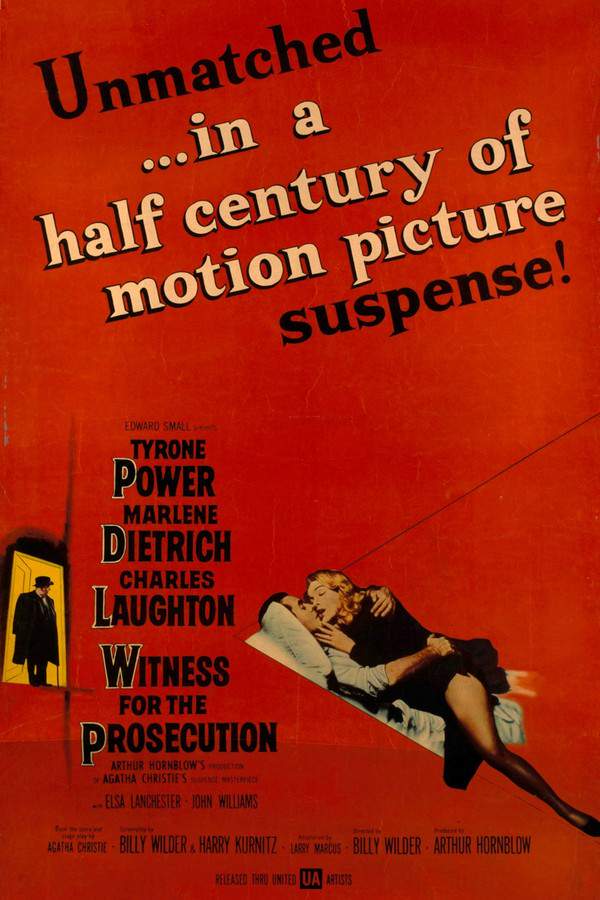

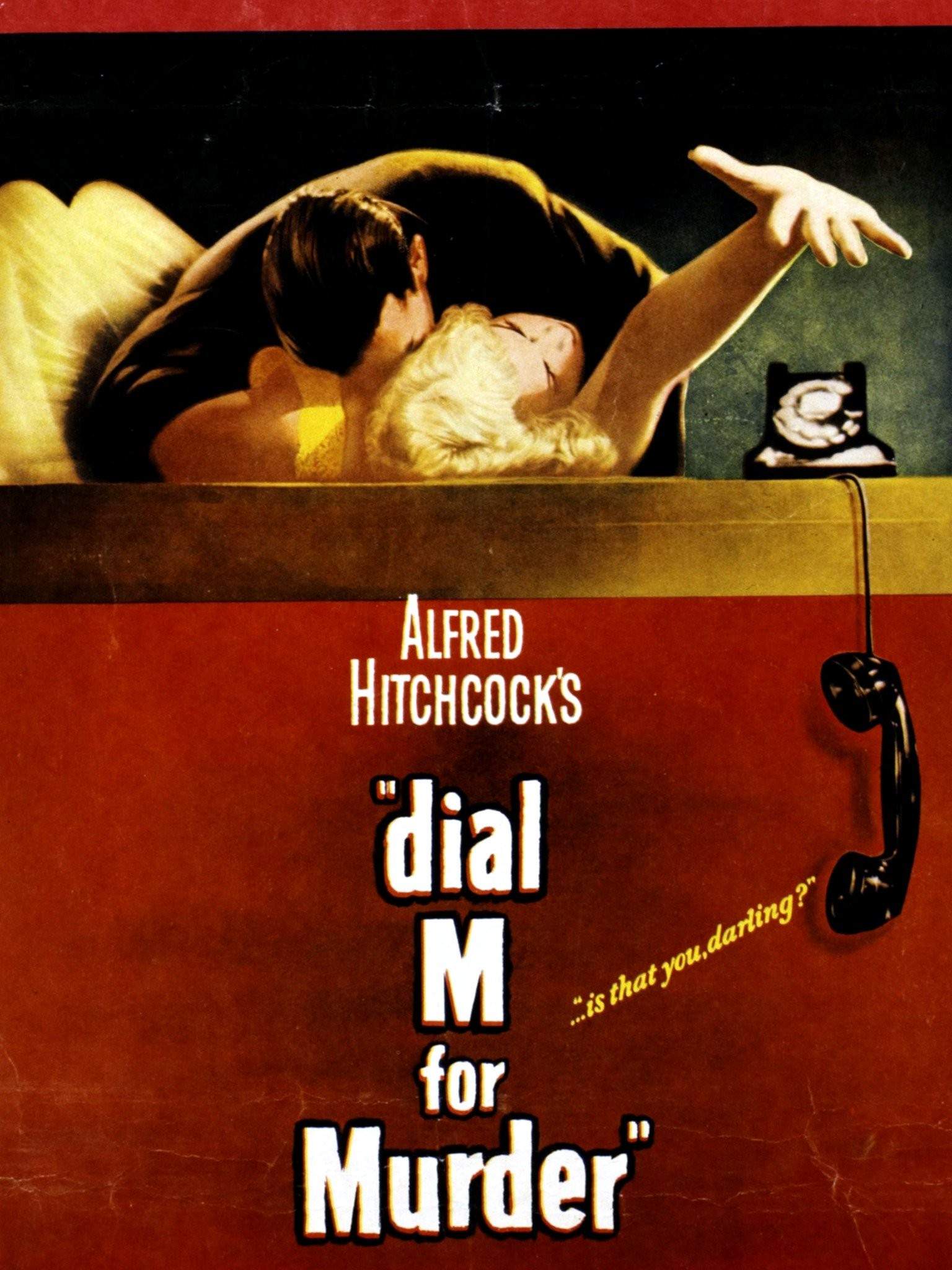
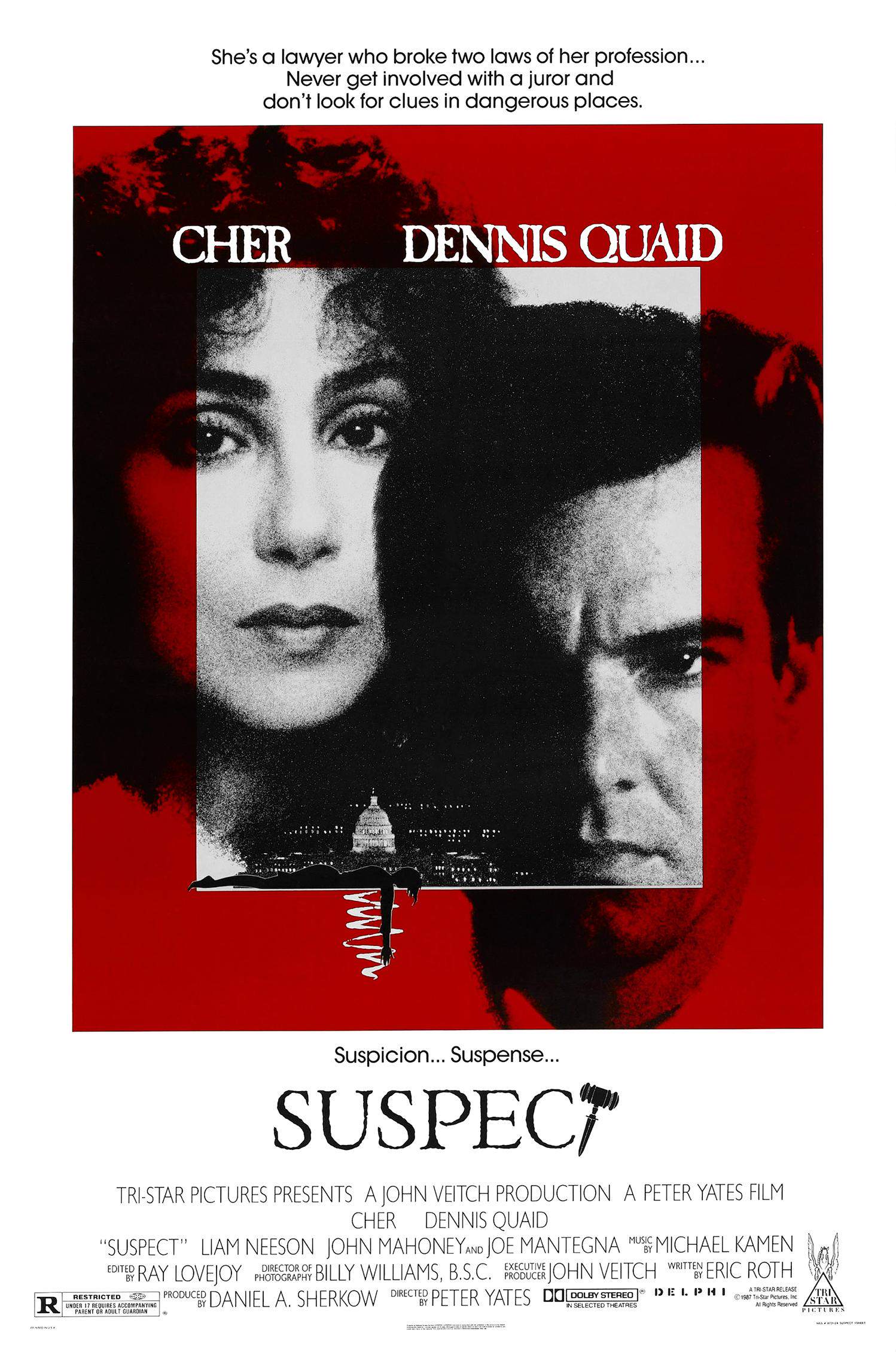


Featured on this page

What's After the Movie?
Not sure whether to stay after the credits? Find out!
Check out our other apps:

SAT Sphere
Build confidence for the Digital SAT.

Mori Atlas
Discover wild places worth protecting.

Luntero
Search smarter for a home in Amsterdam.

Plot Explained
Unravel movie endings and hidden clues.

Pokechamp
Dive into Pokémon data and battle logic.

Driving Theory
Get ready for your European theory test.

Movie Dust
Plan your next cinema trip with ease.

Musemap
Find art and culture as you travel.

Selkobase
Compare credentials before committing.

Local Manual
Turn an unfamiliar country into practical next steps.

Lernavi
Compare school systems before your next move.

GymRoam
Find a workout stop wherever your plans take you.
Explore Our Movie Platform
New Movie Releases (2026)
Famous Movie Actors
Top Film Production Studios
Movie Plot Summaries & Endings
Major Movie Awards & Winners
Best Concert Films & Music Documentaries
Movie Collections and Curated Lists
© 2026 What's After the Movie. All rights reserved.
Privacy Policy