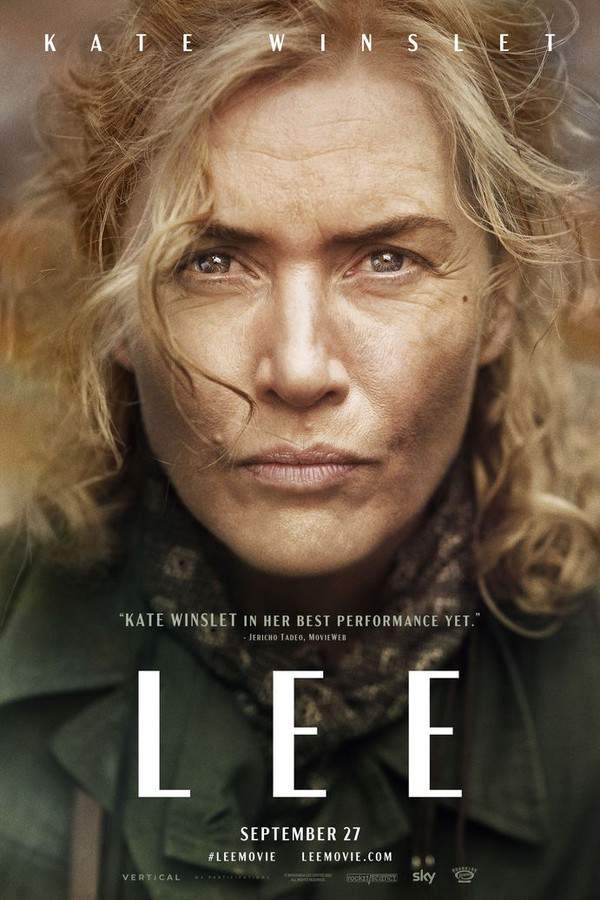
What Is Lee About?
The premise of Lee in 352 words, with nothing given away. The full story and the ending follow below.
In a world on the brink of upheaval, the film follows Lee Miller, a former fashion model whose curiosity and keen eye draw her from glossy magazine studios into the shadowed corridors of history. Set against the looming backdrop of a global conflict, the story captures the tension between the elegance of pre‑war Europe and the stark, urgent reality of wartime journalism. The tone is both intimate and expansive, inviting the audience to see through the lens of a woman determined to record truth in a time when images could change perception.
Lee’s personal journey intertwines with that of Roland Penrose, a fellow artist whose partnership becomes both a sanctuary and a catalyst for her evolving vision. Their love blossoms amid bohemian circles, yet the war’s inexorable march pulls them into different spheres of influence, testing their bond and illuminating the sacrifices required of those who chase creativity in chaotic times. Their relationship offers a quiet counterpoint to the larger turmoil, grounding the narrative in moments of tenderness and shared ambition.
As the conflict intensifies, Lee pairs with David Scherman, a seasoned correspondent who recognizes her fierce commitment to storytelling. Together they navigate a frontline that denies many women the chance to bear witness, confronting the moral weight of their work while pushing the limits of what can be captured on film. The collaboration is marked by mutual respect and an unspoken challenge: to reveal humanity’s resilience amid devastation without surrendering to despair. Supporting figures such as Solange D’Ayen, a steadfast friend, and Audrey Withers, a gatekeeper of public sentiment, further shape Lee’s path, highlighting the complex interplay of duty, censorship, and artistic integrity.
Decades later, the narrative shifts to an intimate interview where Lee reflects on her life with her son Antony, who has come to understand the depth of his mother’s experiences. Their conversation, layered with memory and quiet revelation, underscores the lingering impact of a career forged in extraordinary circumstances. As they speak, the film hints at a legacy waiting to be uncovered—a trove of photographs and notes that promise to keep Lee’s extraordinary perspective alive for future generations.
What Happens in Lee?
The complete story of Lee, from the first scene to the last, in 385 words (about 2 minutes). Spoilers throughout. Names in the text link to 4 cast member pages.
Spoilers ahead
Lee Miller, a former fashion model turned photographer, shares her life story during an interview in 1977, using vivid flashbacks that draw the audience into her past. Her journey begins in 1937, when she meets and falls in love with Roland Penrose while indulging in a bohemian lifestyle across Europe. The couple eventually moves to London, where Lee takes on a role at Vogue magazine during the tumult of World War II. She captures the resilience of Britons living through the Blitz, yet her ability to document the war is stifled due to the restrictions placed on women in combat zones.
As the United States joins the war in late 1941, Lee finds herself alongside photojournalist David Scherman as a war correspondent. During her harrowing experiences in June 1944, at the Battle of Saint-Malo, she inadvertently photographs the harrowing effects of napalm for the first time. Her lens captures visceral moments from the Liberation of Paris, including the intense public shaming of French women accused of collaborating with Germans. Lee’s hearts ache as she reconnects with her friend, Solange D’Ayen, whose husband remains unaccounted for after recent imprisonment.
Traveling deeper into Nazi Germany, Lee and Scherman document horrific war crimes at places like Dachau and Buchenwald. Among their most shocking discoveries is the reality behind the atrocities that occurred within these camps. A surreal moment captured in their travels occurs when David Scherman takes a photograph of Lee bathing in Adolf Hitler’s former Munich residence in April 1945, not long before Germany’s surrender.
Following the war, Lee returns to Britain, where she faces frustration upon learning that her powerful wartime photographs remain unpublished, as Audrey Withers reveals that the British censor deemed them too traumatic for the already suffering public. In the aftermath, Lee marries Roland in 1947, and soon after, their son Antony is born.
Years later, it is revealed that Antony, who recently unearthed knowledge about his mother’s challenging past, is the one conducting the interview. As they converse, they delve into the complexities of his upbringing—how Lee’s struggles with alcoholism and PTSD shaped his childhood. Upon Lee’s passing, a trove of photographs and documents is discovered in her attic, leading Antony and his wife Suzanna to establish the Lee Miller Archives, preserving the remarkable yet tumultuous legacy of Lee’s life and work.
Lee Timeline: Every Key Event in Order
14 key events in the order they happen, from “Lee Meets Roland” to “Lee's Passing and Legacy”. 10 events name a place, across 8 locations.
- 1
Lee Meets Roland
In 1937, Lee Miller, a former fashion model and aspiring photographer, meets Roland Penrose while living a free-spirited life in Europe. Their instant connection leads to a romantic relationship that significantly impacts her life and career.
When:1937 Where:Europe
- 2
Moving to London
After their relationship develops, Lee and Roland relocate to London, where she takes a job with Vogue magazine. This period marks a gradual shift in her career as she begins to delve deeper into photography, especially during tumultuous times.
Where:London
- 3
War Reporting Begins
As World War II escalates, Lee is restricted by the UK's policies forbidding women from serving close to combat zones. However, following the United States' entry into the war in late 1941, she is deployed as a war correspondent alongside photojournalist David Scherman, marking a pivotal moment in her life.
When:Late 1941
- 4
Documenting the Blitz
During her early work for Vogue, Lee captures the everyday resilience of Britons during the Blitz, the sustained bombing campaign over London. Her images reflect the spirit of the people, showcasing their struggles and survival amidst chaos.
Where:London
- 5
Battle of Saint-Malo
In June 1944, during the Battle of Saint-Malo, Lee unintentionally becomes a witness to the first use of napalm. Her powerful war photographs document the harrowing experiences of the soldiers and the impact of the conflict on the landscape.
When:June 1944 Where:Saint-Malo, France
- 6
Liberation of Paris
Amidst the Liberation of Paris, Lee captures disturbing scenes of the French Resistance publicly humiliating women who had collaborated with the Germans. This moment showcases the harsh realities and complexities of life in post-occupation France.
Where:Paris
- 7
Reconnecting with Friends
While in Paris, Lee reunites with her friend Solange d'Ayen, who is troubled by her husband's disappearance and her recent imprisonment. During this encounter, Lee learns about the suffering and disappearance of many individuals during the German occupation.
Where:Paris
- 8
Entering Nazi Germany
Lee and David Scherman drive into Nazi Germany, documenting the grim realities of the war as they journey through the front lines. Their photographs serve as a testament to the atrocities committed during this dark chapter in history.
Where:Nazi Germany
- 9
Dachau and Buchenwald
Lee and Scherman provide shocking photographic evidence of the crimes committed at the concentration camps of Dachau and Buchenwald. Their powerful images starkly reveal the inhumane conditions endured by the victims.
Where:Dachau and Buchenwald
- 10
Hitler's Residence
In April 1945, shortly before Germany's surrender, Scherman takes famous photographs of Lee in a bathtub at Adolf Hitler's Munich flat. This surreal experience encapsulates the absurdity of war and Lee's unique position within it.
When:April 1945 Where:Munich, Germany
Show the other 4 events of Lee Hide the last 4 events
- 11
Post-War Discontent
Upon her return to Britain after the war, Lee is frustrated to discover that her wartime photographs have been withheld from publication. The British censor's rationale is based on fears that the images would further traumatize a war-weary public.
Where:Britain
- 12
Marriage and Motherhood
Lee marries Roland Penrose in 1947, and shortly thereafter, their son, Antony, is born. This new chapter in her life highlights her transition from war correspondent to a mother, shaping her identity in unexpected ways.
When:1947
- 13
Antony's Discovery
Years later, Antony discovers the depth of his mother's wartime experiences and interviews her about the events that shaped her life. Their candid discussions open old wounds and reveal the lasting impact of war on families.
- 14
Lee's Passing and Legacy
Following Lee's death, Antony and his wife Suzanna discover hundreds of photographs and papers in her attic. They go on to establish the Lee Miller Archives, preserving her significant contribution to photography and history.
Who Are the Main Characters in Lee?
3 characters, among them Lee Miller (Kate Winslet), Roland Penrose (Alexander Skarsgård) and Solange D'Ayen (Marion Cotillard): who each one is and the part they play in the story. Every profile links to the actor’s page.
-

Lee Miller (Kate Winslet)
Played by Kate Winslet
Lee Miller is portrayed as a pioneering woman who defies societal norms while navigating her roles as a model and a war photographer. Her spirit embodies resilience and artistic passion, but she struggles with the traumas of war and its impacts on her life. Her complex character reflects the intertwining of personal and historical narratives, showcasing her evolution through different eras.
- 👩🎨 Artist
- 🛡️ War Heroine
- 💔 Trauma
-

Roland Penrose (Alexander Skarsgård)
Played by Alexander Skarsgård
Roland Penrose is depicted as Lee's love interest, embodying the supportive partner who encourages her artistic ambitions. He represents the artistic community, offering a contrast to the harsh realities of war. His character evolves alongside Lee, reflecting the personal sacrifices made in the name of love and creativity.
- ❤️ Love
- 🎨 Artist
- 📅 History
-
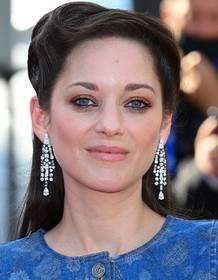
Solange D'Ayen (Marion Cotillard)
Played by Marion Cotillard
Solange D'Ayen is featured as a close friend of Lee's, illustrating the complexities of friendship during times of war. She brings emotional depth to the narrative, representing the struggles of those left behind. Her character highlights the personal toll of conflict on relationships and provides a lens through which Lee's experiences are understood.
- 🤝 Friendship
- 💔 Loss
- 🕵️♀️ Resilience
Where and When Is Lee Set?
Lee is set in New York City, Europe, London, Saint-Malo, Paris, Nazi Germany (1937-1945). Here is why the time and place matter to the story.
When
1937-1945
The movie unfolds from the late 1930s to the end of World War II, a tumultuous period marked by significant cultural shifts and the horrors of war. The 1930s were characterized by artistic freedom and the rise of dynamic identities among women, while the 1940s plunged Europe into chaos as countries became battlegrounds. The narrative captures a transition from a free-spirited life to the somber realities of war, emphasizing how these times shaped Lee's identity and artistic vision.
Where
New York City, Europe, London, Saint-Malo, Paris, Nazi Germany
The film traverses significant locations that shaped Lee Miller's life and work. It begins in New York City, where Lee's journey as a fashion model begins, leading her to experience the vibrant cultures of Europe in the 1930s. London serves as a backdrop during World War II, highlighting the resilience of its citizens during the Blitz, while Saint-Malo and Paris showcase the harsh realities of war and the consequences of occupation in Nazi Germany.
- 🏙️ City
- 🌍 Europe
- 🏰 Historical
What Are the Themes of Lee?
3 ideas the story keeps returning to, among them Artistry, War and Trauma and Motherhood.
-
01
Artistry
The film explores the theme of artistry through Lee Miller's journey as a photographer. It underscores how her experiences in war zones influenced her artistic expression and vision. Miller's photographs tell powerful stories, revealing not only the beauty and resilience of humanity but also the stark horrors of conflict.
-
02
War and Trauma
This theme delves into the impact of war on individuals and society, illustrated through Lee's experiences as a war correspondent. The film highlights the psychological and emotional scars left by the war, including PTSD and the challenges of coping with trauma. It shows how these elements affect personal relationships and individual identities.
-
03
Motherhood
Motherhood emerges as a poignant theme, particularly in the relationship between Lee and her son, Antony. The film reflects on Lee's struggles with her past and how they reverberate in her role as a mother. It shows how her experiences shaped her relationship with her son, influencing his understanding of her legacy.
How Does Lee End?
The last act of Lee and what it means, in 267 words. The ending lands as bittersweet. Big spoilers: read the plot summary first if you have not seen it.
The final act, in full
In the final scenes of the film, Lee is shown being interviewed by her son, Anthony Penrose, in 1977, but it’s revealed that this conversation is a product of his imagination—he’s imagining a dialogue with his mother after discovering her photographs and writings. In reality, Lee had never fully shared the depth of her experiences as a war photographer with her family, especially her son. The interview scene serves as a symbolic reflection of her hidden past and her struggle with revealing her true self. Throughout her life, Lee carried the burden of her traumatic experiences, including witnessing the horrors of concentration camps and facing sexism during her career, which she kept mostly to herself. Her work gave her a voice to document history, but she often suppressed her own story because she felt she hadn’t achieved enough or was afraid of exposing her vulnerabilities.
The film ends with Anthony learning about his mother’s true story posthumously, through photographs and notes she left behind—something he fully uncovers only after her death. Her son’s decision to become a photographer himself can be seen as a tribute to her and her courage, honoring her legacy even if she never openly shared her full life with him during her lifetime. The ending underscores the idea that Lee’s true story was one of bravery and resilience, buried beneath layers of silence and secrecy, which only later was fully understood and appreciated. It highlights how much of her incredible journey remained hidden during her life but ultimately became a powerful testament to her extraordinary strength and the importance of preserving personal histories.
What Kind of Film Is Lee?
Dark in tone, with steady pacing and a moderate story, going by the plot summary.
- Tone
- Dark
- Pacing
- Steady
- Story
- Moderate
- Intensity
- High
- Ending
- Bittersweet
A gritty and emotionally intense historical drama that immerses the viewer in the traumatic frontlines and psychological toll of war through the lens of a resilient photographer.
- gritty
- traumatic
- resilient
- somber
- urgent
- dark
- war photography
- ptsd
- historical biography
- artistic legacy
Content notes: war violence, concentration camps, atrocities, public shaming, ptsd, alcoholism.
Quiz
How well do you remember Lee? Test yourself on the story.