
La Notte 1961

Directed by
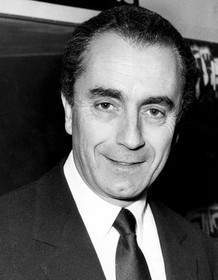
Michelangelo Antonioni
Made by

Nepi Film
La Notte Plot Summary
Read the complete plot summary and ending explained for La Notte (1961). From turning points to emotional moments, uncover what really happened and why it matters.
Lidia and Giovanni Pontano are a married couple who travel to a Milan hospital to visit their seriously ill friend, Tommaso Garani, a sharp-witted left-wing cultural critic. Tommaso exudes warmth for Giovanni’s newly published book, praising the work in a way that makes the visit feel almost ceremonial. But the moment Gonzales of life and mortality collide; the sight of Tommaso in pain unsettles Lidia, and she quietly withdraws from the room. As Giovanni pauses to say goodbye, a sick and uninhibited young woman slides into the moment, pulling him into a kiss that is as unsettling as it is brief. Nurses intervene, and the scene ends with a jolt of reality: the bedrock of their relationship is already shifting. Outside the hospital, Giovanni spots his wife in tears and, in a move that will haunt their conversation later, offers no comfort. The car ride home becomes a stark confession: he describes the encounter as if it meant little, while Lidia absorbs it with a calm indifference that unsettles him and foreshadows a widening distance between them.
At Giovanni’s book launch, the couple seems to inhabit two separate spaces. Giovanni signs copies and basks in a moment of public success, while Lidia watches from the sidelines, her distance widening. She leaves the crowd and wanders through Milan, retracing the streets of the life they built together when they were newlyweds. Her wandering leads her to a neighborhood that feels charged with memory, where a street fight erupts and rockets are set off in a distant field. The upheaval mirrors her inner state, and she feels the pull of a truth she cannot yet name. A phone call to Giovanni brings him to pick her up, and that night they drift toward a nightclub, where a sultry dancer performs and conversation verges on brittle small talk. She hints that she has something to tell him, then suggests they accept an invitation to a party by Mr. Gherardini, a wealthy industrialist, at his villa.
The party scene unfurls with a formal ease that masks the unease simmering below the surface. Valentina Gherardini, the host’s young daughter, becomes the focal point of Giovanni’s attentions as he moves through the guests. Their flirtation includes a playful moment—Valentina slides her compact across the floor, and others gather to watch a lighthearted little contest before Giovanni steps away. Amid the social energy, Lidia receives news from the hospital: Tommaso has died, a blow that shatters the fragile equilibrium she carried with her. The moment Giovanni returns to the party, he sees Valentina and is drawn irresistibly toward her; the kiss of death for the night’s pretenses seems imminent.
A private moment with Mr. Gherardini occurs when Giovanni is offered an executive position within the company, an offer he neither fully rejects nor embraces. He delays his decision, leaving the door open while he stares down the mounting questions about loyalty, art, and ambition. A brief, fragile reconnection with Lidia is followed by a chance encounter with Valentina, who urges him to spend the remainder of the evening with his wife. That suggestion is interrupted by a rain shower that sends guests scrambling. As a bold, impulsive moment unfolds, Lidia finds herself standing on a diving board, about to leap into the pool, when a lingering, persistent pull from another man—Roberto—pulls her away. They drive off, and she engages him in conversation, enjoying the dialogue but still turning away when he tries to kiss her.
Back inside, Giovanni searches the crowd for Valentina and finally finds her alone. She invites him to spend the remainder of the night with his wife, and she shares a creative work-in-progress on a tape. Giovanni praises the writing, but Valentina discards the tape as merely a childish experiment. Giovanni tries to frame his own crisis—the creative struggle that threatens to spill into every facet of his existence—yet the moment still feels evasive. They return to the party as dawn approaches, and Lidia and Roberto rejoin the room. Valentina offers Lidia a place to dry off in her room, and the two women speak frankly, with Lidia admitting that she no longer feels jealousy toward Valentina as Giovanni looks on.
The dawn leaves them physically exhausted and spiritually unsettled, and the couple leaves the party together along the early course of a private golf course. On the walk, Lidia opens up about Tommaso’s death and recalls how he had once offered her affection and support, a contrast to the love she felt for Giovanni in their youth. She explains that she once chose him, but now she feels she might die because she no longer loves him. Giovanni accepts the failure of their marriage but reaffirms his love, even as the unspoken truth between them grows louder. He reads back to her a love letter he had written before they married, and the moment is intimate and painful in equal measure. Lidia embraces him but then resists, insisting that they no longer love each other. Yet, as they stand together on the green, Giovanni continues to pursue, pulling her into a final kiss and tenderly fondling her in a bunker as the world around them continues to wake up to a new, uncertain dawn.
In this drama of desire, memory, and disillusion, the characters navigate a landscape where love can be both a sustaining force and a destabilizing shadow. The film’s quiet, observant gaze captures the weariness and longing that arise when a partnership reaches a threshold—when past affections endure only in memory, and the future remains stubbornly unresolved. The tale insists on a patient, almost clinical examination of emotional fracture, presenting a world where truth surfaces not in grand declarations but in the slow, complicated dance of two people who once believed in a shared future.
La Notte Timeline
Follow the complete movie timeline of La Notte (1961) with every major event in chronological order. Great for understanding complex plots and story progression.
Hospital visit and the impropriety
Giovanni and Lidia visit their seriously ill friend Tommaso Garani in a Milan hospital. Tommaso praises Giovanni's new book, while Lidia grows unsettled and leaves him alone with his pain. As Giovanni exits Tommaso's room, a sick, uninhibited young woman seduces him and they share a kiss; nurses immediately intervene and slap the patient. Outside, Giovanni sees his wife crying but does not comfort her.
The drive home and the fracture in their bond
Giovanni recounts the unsettling encounter to Lidia, but she remains distant and emotionally closed. They drive away in silence, and Giovanni notices her tears but does not offer solace. The moment reveals a growing rift between them.
Giovanni's book launch
Giovanni attends his book launch, signing copies as crowds attend. Lidia watches from a distance, presenting a quiet, strained presence amidst the public celebration. The scene underscores their fractured marriage amid professional success.
Lidia wanders and witnesses unrest
After the launch, Lidia wanders the old Milan neighborhood, trying to make sense of her life. She intervenes in a street fight and later watches rockets being set off in a nearby field, hinting at social turbulence surrounding them.
Nightclub encounter and invitation
At a nightclub, Lidia and Giovanni meet again; a seductive female dancer performs and both exchange small talk. Lidia hints she has something to tell Giovanni but cannot say it yet, then suggests they leave for a party.
Villa party invitation
They head to a party hosted by Mr. Gherardini at his villa. Lidia appears bored with the guests while Giovanni socializes, hinting at the widening gulf between them.
Valentina and the floor game
Giovanni is drawn to Valentina Gherardini, the host's daughter, and they flirt openly. She slides a compact across the floor, drawing a crowd as others watch and bet on the exchange; Giovanni eventually bows out.
Tommaso's death and Giovanni's kiss
Lidia learns by phone that Tommaso has died, devastating her. Moments later, Giovanni is seen kissing Valentina on the upper floor, worsening their marital tension.
The executive offer
Mr. Gherardini privately offers Giovanni an executive position in his company; Giovanni is reluctant and leaves the offer open. He briefly reunites with Lidia before again being drawn to Valentina.
Rain and departure with Roberto
As a sudden rain drives guests to shelter, Lidia is approached by Roberto, a man who has been following her. He takes her to his car and they drive off; she enjoys the conversation but resists his kiss.
Confrontation in Valentina's room
Valentina invites Lidia to dry off in her room, and the two women chat while Giovanni overhears Lidia confess she wants to die. The moment amplifies the tension between them and sets up the forthcoming confrontation.
Dawn departure from the party
Lidia and Giovanni leave the party at dawn, walking across Mr. Gherardini's private golf course as the day begins. The distance between them remains palpable as they move away from the villa.
Recollection and confession on the golf course
On the golf course, Lidia tells Giovanni about Tommaso's death and explains that she no longer loves Giovanni. He reaffirms his love, and she reads a love letter Giovanni wrote to her before their marriage, intensifying the emotional tension.
Final embrace and conflict
Giovanni embraces and kisses Lidia, but she resists the idea that they are still in love. He continues to kiss and fondle her in a golf course bunker as dawn approaches, leaving their future unresolved.
La Notte Characters
Explore all characters from La Notte (1961). Get detailed profiles with their roles, arcs, and key relationships explained.
Lidia (Jeanne Moreau)
A perceptive, emotionally distant wife who confronts the fragility of her marriage after the illness and death of a close friend. She oscillates between craving connection and resisting it, ultimately voicing a wish not to love Giovanni.
Giovanni Pontano (Marcello Mastroianni)
A successful writer in the midst of a personal crisis, seeking validation in career and love. His cavalier attitude toward infidelity clashes with a deep sensitivity to his wife’s pain, exposing contradictions in his character.
Valentina Gherardini (Monica Vitti)
The host’s young daughter who becomes the focal point of Giovanni’s flirtations. She blends talent with detachment, probing Giovanni’s self-image and highlighting the fragility of desire.
Mr. Gherardini (Vincenzo Corbella)
A wealthy industrialist who embodies social status and opportunity. He privately tests Giovanni with a job offer, navigating the line between friendship, ambition, and power.
Tommaso Garani (Bernhard Wicki)
A left-wing cultural critic whose illness and death catalyze the film’s emotional arc. He stands as a mirror of idealism and the limits of intellect when confronted with mortality.
Roberto (Giorgio Negro)
A man who pursues Lidia with intensity, offering escape from the strains of her marriage. His presence highlights desire’s pull and its potential consequences within the social circle.
La Notte Settings
Learn where and when La Notte (1961) takes place. Explore the film’s settings, era, and how they shape the narrative.
Time period
The events occur in a contemporary urban timeframe, moving from a hospital visit to a late-night party and dawn departure. The pacing mirrors the rhythm of city life, where personal crises intersect with social rituals. The era feels modern in vibe, style, and pace, reflecting postwar Italian cosmopolitan life.
Location
Milan, Italy, Gherardini villa
The story unfolds across a Milan hospital and a lavish villa party in the same city. The hospital scenes ground the drama in real human pain, while the villa gatherings showcase a glittering social world. The Milan backdrop emphasizes the contrast between private turmoil and public performance.
La Notte Themes
Discover the main themes in La Notte (1961). Analyze the deeper meanings, emotional layers, and social commentary behind the film.
💔
Marital Crisis
Lidia and Giovanni's marriage fragments under unspoken desires, jealousy, and emotional distance. The death of Tommaso intensifies feelings of fragility and disillusionment. Public moments of closeness mask private estrangement.
🏙️
Urban Alienation
The Milan setting frames intimate drama within a world of social rituals and appearances. Luxurious parties reveal emptiness beneath glamour, while the couple's crisis unfolds against a crowded, indifferent city. The city amplifies inner turmoil rather than solving it.
👀
Voyeurism & Desire
Desire threads through the party, as Giovanni flirts with Valentina and Lidia studies the scene from the margins. The interplay of spectatorship and performance questions authenticity in relationships. Infidelity becomes less a plot twist and more a symptom of existential drift.

Coming soon on iOS and Android
The Plot Explained Mobile App
From blockbusters to hidden gems — dive into movie stories anytime, anywhere. Save your favorites, discover plots faster, and never miss a twist again.
Sign up to be the first to know when we launch. Your email stays private — always.
Explore the mobile appLa Notte Spoiler-Free Summary
Discover the spoiler-free summary of La Notte (1961). Get a concise overview without any spoilers.
In a sun‑lit Milan that feels both modern and timeless, the film unfolds over the course of a single day, offering a quietly observant portrait of a marriage that has slipped into an uneasy routine. The story is presented as a new kind of motion picture—one that strives to make the audience both think and feel—by lingering on ordinary moments and letting their emotional weight surface slowly, like the muted hum of the city itself.
At the heart of the picture are Lidia and Giovanni Pontano, a couple whose lives have been intertwined with literature, politics, and the social circles of post‑war Italy. Giovanni, a celebrated writer enjoying public acclaim, moves through his world with an air of intellectual confidence, while Lidia, his wife, navigates the same spaces with a quieter, more introspective presence. Their interactions suggest a bond that is fraying, hinting at infidelities and unspoken resentments that color every shared glance and conversation without ever being fully articulated.
The tone is deliberately restrained, employing long takes and a clinical gaze that captures the subtle shifts in mood as the couple drifts from hospital corridors to book launches, nightclubs, and an elegant villa. Milan itself becomes a character, its bustling streets and upscale salons reflecting the pair’s internal contrast between public performance and private disquiet. The film’s style embraces stillness and observation, inviting viewers to sit with the lingering uncertainty of a relationship caught between memory and an uncertain future.
Featured on this page

What's After the Movie?
Not sure whether to stay after the credits? Find out!
Check out our other apps:

SAT Sphere
Build confidence for the Digital SAT.

Mori Atlas
Discover wild places worth protecting.

Luntero
Search smarter for a home in Amsterdam.

Plot Explained
Unravel movie endings and hidden clues.

Pokechamp
Dive into Pokémon data and battle logic.

Driving Theory
Get ready for your European theory test.

Movie Dust
Plan your next cinema trip with ease.

Musemap
Find art and culture as you travel.

Selkobase
Compare credentials before committing.

Local Manual
Turn an unfamiliar country into practical next steps.

Lernavi
Compare school systems before your next move.

GymRoam
Find a workout stop wherever your plans take you.
Explore Our Movie Platform
New Movie Releases (2026)
Famous Movie Actors
Top Film Production Studios
Movie Plot Summaries & Endings
Major Movie Awards & Winners
Best Concert Films & Music Documentaries
Movie Collections and Curated Lists
© 2026 What's After the Movie. All rights reserved.
Privacy Policy