

What Is Kotoko About?
The premise of Kotoko in 300 words, with nothing given away. The full story follows below.
In a muted urban landscape where reality feels perpetually out of focus, Kotoko fights to keep her world together while the world itself slips away. A single mother coping with a debilitating double vision, she navigates daily life as familiar shapes blur and unsettling silhouettes flicker at the edge of perception. The condition turns ordinary moments into fragile, almost dream‑like sequences, infusing the film with a constant undercurrent of tension and disorientation. Music becomes her lifeline; whenever she sings, the chaos recedes just enough for her to breathe, suggesting that melody is both sanctuary and a thin veil against an ever‑present darkness.
Her struggle is compounded by a system that quickly deems her unfit, leading to the heartbreaking removal of her infant son. This loss amplifies her isolation, yet it also sharpens the film’s exploration of motherhood under extreme strain. The tone remains intimate and unsettling, balancing the stark realism of social services with the surreal intensity of her internal visions. The cinematography mirrors her fractured perception, using soft focus and shifting perspectives to keep the audience feeling as disoriented as she does.
Amid the haze, a chance encounter on a city bus introduces an unexpected thread of connection. An award‑winning novelist, Seitaro Tanaka, is drawn to the quiet strength in Kotoko’s voice, and his curiosity sparks a volatile, intense relationship that promises both danger and redemption. Their interactions pulse with raw emotion, hinting at a partnership that could either ground her drifting sense of self or further entangle her in the labyrinth of her mind.
The film weaves these elements into a haunting portrait of fragility and resilience, inviting viewers to linger on the delicate boundary between sanity and surreal escape, and to wonder how far a single note—and a single bond—might carry a woman teetering on the edge.
What Happens in Kotoko?
The complete story of Kotoko, from the first scene to the last, in 1,000 words (about 4 minutes). Spoilers throughout. Names in the text link to 2 cast member pages.
Spoilers ahead
A single mother, Kotoko Cocco struggles to care for her infant son, Daijiro, while不停 grappling with a blurry world caused by her double vision. This condition warps her perception and drags in terrifying doubles of the people she encounters. Amid the ongoing strain, Kotoko finds a disturbing rhythm: her body sometimes convulses toward self-harm, driven by a bleak curiosity about how long she can stay alive. Yet there is a strange relief whenever she sings, a momentary shield against the storm of visions that accompany her days.
An especially harrowing episode deepens the crisis: she believes she has dropped Daijiro from a roof, only to discover him miraculously safe in her apartment. The shock of that moment compounds her breakdown, and a separate attempt to cook a simple meal ends in a collapse of control. The consequences are severe—her son is taken away to be raised by her sister, marking a heartbreaking disruption in their fragile bond.
Time passes with intermittent glimmers of connection. Kotoko is permitted to visit Daijiro, and during the bus ride to her sister’s house she hums to herself, a private ritual that briefly steadies her mind. They share a tender, when fleeting, time together, but the return to her apartment leaves her feeling despondent, isolated, and unmoored once more.
On the roof one day, a man approaches her. He introduces himself as Seitaro Tanaka Shinya Tsukamoto and reveals that he has been following her after hearing her sing on the bus. His arrival unleash a particularly violent hallucination for Kotoko, yet after the moment passes, he reassures her that he means no harm. He reveals his identity as an award-winning novelist, and an uneasy connection begins to form between the two. The revised dynamic unsettles Kotoko, and when he first asks to date her, she responds by stabbing his right hand with a fork. He remains undeterred, a sign that this relationship could be as volatile as it is compelling.
Weeks later, after a television moment where he accepts an award, Kotoko consumes his new book in full and agrees to go on a proper date the next time he asks. Their evolving bond grows bolder, and during the next encounter she stabs him again—this time in the left hand. The cycle of trust and fear deepens as their relationship tightens around shared risk and mutual need.
One night, Tanaka hurries to Kotoko’s apartment to find her mid self-harming episode. He fetches towels and guards her until she seems to recover, and in a surprising move he proposes marriage. Kotoko refuses and sends him away, but he cannot quite let go. He returns, and when he discovers her again in distress, he helps her regain her breath and offers a path forward. He suggests they visit her son together, and during that visit Kotoko tells her sister that she intends to be happy from now on.
A moment of unexpected joy follows: Kotoko appears radiant in her own space, cheered by Tanaka’s quiet commitment, and she takes a dramatic step that underscores the strange bond between them. He has allowed her to cut him, to disfigure his face in a symbolically therapeutic act, and she responds by kissing the wound on his hand and then his bloodied face. The stark gesture marks a turning point in their relationship, a moment of fragile, uneasy happiness.
Tanaka moves in with Kotoko, and the two navigate a volatile, intense partnership. On a day when Kotoko expects to see two versions of Tanaka, she finds only one; she senses the world bending in the way it does when she sings. To mark this fragile moment, she performs a song for him, and the two weep together, moved by the shared vulnerability that their bond has revealed.
Then a letter arrives from Kotoko’s sister: Daijiro is being returned to her, signaling that Kotoko’s rehabilitation might be real and that her life could be rebuilt around motherhood again. She rushes to share the news with Tanaka, only to realize that he is no longer present in her apartment.
Daijiro returns to Kotoko’s life, and she eagerly welcomes him back. Yet happiness is short-lived as Kotoko experiences a terrifying relapse of her perceptions, hallucinating a duplicate of Daijiro. In this fractured state, she struggles to tell which version of her son is real, and the confusion erupts into tragedy: Daijiro stabs himself in the eye with a pencil.
The intensity of Kotoko’s visions escalates. She sees Daijiro climb toward the roof, then sees him on the street below, where a speeding car seems to strike him. In another terrifying turn, Daijiro appears alive again in her apartment, only to be transported into a warzone where a soldier shoots him in the head. Desperate to shield her child from harm, Kotoko considers smothering him in his sleep, but the moment collapses into a broader collapse of reality.
The world she inhabits becomes a sequence of fragmented sculptures, each a harsher image than the last. The final sculpture depicts a doll lying on a couch, with red material spilling from its head—a stark symbol of the pain and confusion that have consumed her. When she peeks beneath, she discovers another doll where her son should be, and a powerful white light washes over her.
She awakens in some form of institution, where outdoor access is limited to a smoking area. An orderly pushes the outside world back inside with a simple umbrella, and Kotoko dances in the rain as the mundane act of stepping outdoors becomes a rare, haunting freedom.
In the closing moments, it’s revealed that Daijiro is not dead after all and has grown into a teenager who visits his mother, sharing fragments of his life before departing in a quiet sense of well-being. The film circles back to the core question of what survives—the bond between mother and child and the fragile, sometimes dangerous, thread that holds a life together even as it succumbs to visions that refuse to stay buried.
Kotoko Timeline: Every Key Event in Order
14 key events in the order they happen, from “Kotoko struggles as a mother with double vision” to “Daijiro's teenage visit and the open ending”. 14 events name a place, across 10 locations.
- 1
Kotoko struggles as a mother with double vision
A single mother, Kotoko, cares for her infant Daijiro while suffering from double vision that triggers terrifying hallucinations of duplicates. She often harms herself in a fascination with the body's will to live, but her hallucinations subside only when she sings. The combination of isolation, illness, and fear frames her fragile daily life.
Where:Kotoko's home
- 2
Roof incident and child taken away
Kotoko experiences a frightening episode where she believes she dropped Daijiro from a roof. She discovers him safe back in her apartment, but the shock worsens, and after a breakdown cooking a meal, social services take Daijiro away to be raised by her sister. The event marks a turning point in her life as her child is removed.
Where:Roof; Kotoko's apartment; sister's house
- 3
Bus journey to visit Daijiro
Some time later Kotoko is allowed to visit Daijiro and travels by bus to her sister's house. She sings to herself during the journey, and the moment with Daijiro is tender, though the trip ends too soon and she returns to her lonely apartment. The act of singing seems to give her a brief sense of connection.
Where:Bus to sister's house
- 4
Follower turns out to be Tanaka
On the roof Kotoko is approached by Tsukamoto, who reveals he has been following her after hearing her sing on the bus. He turns out to be Seitaro Tanaka, an award-winning novelist. Kotoko's intense imagination triggers a violent hallucination, but after recovering she learns his true identity.
Where:Roof
- 5
First date and a second wound
Tanaka asks Kotoko to date him and she initially rebuffs him, though she later accepts after reading his new book. During their first real date she stabs him in the right hand with a fork, signaling the unpredictable nature of their relationship. He persists despite the injury.
Where:Kotoko's apartment and related venues
- 6
Self-harm episode and proposal
One night Tanaka rushes to Kotoko's apartment after she hides from him, finding her in the midst of a self-harm session. He fetches towels to help and, after she seems to calm, proposes marriage. Kotoko refuses and sends him away, but he later returns and the situation deepens.
Where:Kotoko's apartment
- 7
Disfigurement and fragile connection
In a moment of strange tenderness, Kotoko reveals a new sense of forgiveness and desire for happiness. Tanaka lets her brutal disfigure his face; she kisses the wound on his hand and then his bloody face. His willingness to go along with her intensity marks a surreal bond between them.
Where:Kotoko's apartment
- 8
Tanaka moves in as the relationship deepens
Tanaka moves in with Kotoko and their volatile relationship continues. When Kotoko notices that only one Tanaka remains, she imagines their world is shaped by her singing. She performs a song for Tanaka, and the two are brought to tears.
Where:Kotoko's apartment
- 9
Daijiro's return anticipated
Kotoko receives a letter from her sister saying Daijiro will be returned because Kotoko is deemed rehabilitated. She rushes to tell Tanaka, only to discover he is not in the apartment. This signals a sudden change in their situation and her hopes.
Where:Kotoko's apartment
- 10
Daijiro's hallucinatory reappearance and injury
Kotoko welcomes Daijiro home but quickly hallucinates a duplicate of him. Unable to distinguish reality from illusion, Daijiro stabs himself in the eye with a pencil. The line between truth and madness fractures further.
Where:Kotoko's apartment
Show the other 4 events of Kotoko Hide the last 4 events
- 11
Escalating visions of harm to Daijiro
Kotoko’s hallucinations intensify as she sees Daijiro on the roof, then on the street, where he is hit by a car in the non-existent moment. The vision shifts, leaving her perplexed by his apparent survival.
Where:Roof; street
- 12
Warzone fantasy and a protective rage
In a brutal sequence, Kotoko envisions herself in a war zone where a soldier shoots her and then Daijiro in the head. She feels compelled to protect him, triggering a desperate attempt to kill him in his sleep. The scene blurs into a cascade of sculptures symbolizing the collapse of reality.
Where:Kotoko's mind; apartment
- 13
Institutional confinement and a rainy freedom
Kotoko ends up in an institution, allowed outside only to smoke. An orderly replaces her cigarette with an umbrella, and she dances in the rain, hinting at a small moment of freedom within restraint.
Where:Institution courtyard
- 14
Daijiro's teenage visit and the open ending
Daijiro is revealed to be alive as a teenager who visits his mother and shares updates about his life before leaving. The film ends on a note of unresolved ambiguity, with Kotoko left in the emotional aftermath of her experiences.
Where:Outside the institution / visiting grounds
Who Are the Main Characters in Kotoko?
4 characters, among them Kotoko (Cocco), Seitaro Tanaka (Shinya Tsukamoto) and Daijiro: who each one is and the part they play in the story. 2 of them link to the actor’s page.
- K(
Kotoko (Cocco)
Played by Cocco
A single mother who endures double vision and terrifying hallucinations, Kotoko frequently harms herself while clinging to life. Her singing temporarily quiets the visions, revealing a fragile resilience and a longing for connection. Her volatile self-perception drives her choices, including reunions with her son through a broken, intense love for life.
- ❄️ Mental health
- 🧿 Trauma
- 💔 Relationships
-
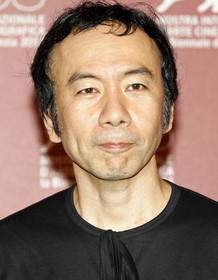
Seitaro Tanaka (Shinya Tsukamoto)
Played by Shinya Tsukamoto
An award-winning novelist who follows Kotoko and becomes her reluctant partner. He offers care and stability, even as his presence amplifies the drama of her psychosis. He demonstrates patience and reckoning, while accepting the danger and intensity of Kotoko's world.
- 🎭 Drama
- 🥀 Obsession
- 🩹 Recovery
- D
Daijiro
Kotoko's infant son who is taken away after her breakdown and later returns as a teenager, visiting his mother. His existence underscores the stakes of Kotoko's mental illness and the fragile boundary between protection and harm. He embodies both innocence and the consequences of the mother's turmoil.
- 👶 Family
- 🧸 Vulnerability
- 🌈 Hope
- KS
Kotoko's Sister
Kotoko's sister raises Daijiro after the child is taken, acting as a stabilizing but distant figure in Kotoko's life. Her return of Daijiro signals a potential turning point, even as Kotoko remains mired in her struggles. The sister represents the social support system that exists beyond Kotoko's immediate crisis.
- 🏠 Family
- 🗺️ Separation
- 🤝 Responsibility
Where and When Is Kotoko Set?
Kotoko is set in Kotoko's apartment, rooftop, bus, Kotoko's sister's house, Tanaka's home…. Here is why the place matters to the story.
Where
Kotoko's apartment, rooftop, bus, Kotoko's sister's house, Tanaka's home, medical institution
The story unfolds largely in Kotoko's city apartment, a cramped space where most of her daily life and self-harm episodes occur. It also moves through a rooftop where hallucinations collide with reality, a bus journey to visit her sister, and the sister's house where her son is briefly kept. Later, Tanaka's apartment/home and a hospital-like institution become the backdrop for their volatile relationship and Kotoko's treatment.
- 🏙️ Urban setting
- 🏠 Domestic interiors
- 🪜 Rooftop spaces
- 🚆 Public transit
- 🏥 Institutional environments
What Are the Themes of Kotoko?
4 ideas the story keeps returning to, among them Reality vs Illusion, Love and Dependence and Suffering and Healing.
-
01
Reality vs Illusion
Kotoko's double vision triggers terrifying hallucinations that blur the line between what she sees and what is real. Her perception warps during rooftop chases, the bus ride, and in her apartment, pushing her to question which figures are present. The film repeatedly contrasts sensory reality with imagined doubles, driving the drama and danger.
-
02
Love and Dependence
Kotoko's relationship with Seitaro Tanaka evolves from fear to attachment, illustrating how a fragile psyche seeks connection even at the cost of harm. Tanaka's steady presence offers tentative stability and moments of empathy, but also fuels a volatile, dependent dynamic. Their bond tests the boundaries of care, consent, and moral restraint.
-
03
Suffering and Healing
The film probes deep mental anguish, self-harm, and the slow movement toward rehabilitation. Kotoko's acts of self-destruction contrast with moments of possible healing and a sense of belonging with Tanaka. The rain-soaked ending and institutional setting imply a hard-won but fragile recovery.
-
04
Motherhood
Daijiro, Kotoko's infant son, becomes the focal point of her crisis and later return, symbolizing both vulnerability and ultimate responsibility. The custody separation and eventual teenage visitation mark the emotional stakes of motherhood under strain. The narrative collapses around the child’s presence, underscoring the cost of Kotoko's condition.
What Kind of Film Is Kotoko?
Dark in tone, with variable pacing and a complex story, going by the plot summary.
- Tone
- Dark
- Pacing
- Variable
- Story
- Complex
- Intensity
- High
- Ending
- Bittersweet
A deeply unsettling and intense psychological horror-drama that chronicles a single mother's descent into psychosis, creating a volatile and claustrophobic atmosphere of fractured reality and desperate love.
- disturbing
- anxious
- claustrophobic
- melancholic
- unsettling
- fragile
- mental illness
- motherhood
- psychological horror
- self-harm
Content notes: self-harm, child endangerment, psychological horror, graphic injury, mental illness depiction.
Quiz
How well do you remember Kotoko? Test yourself on the story.
