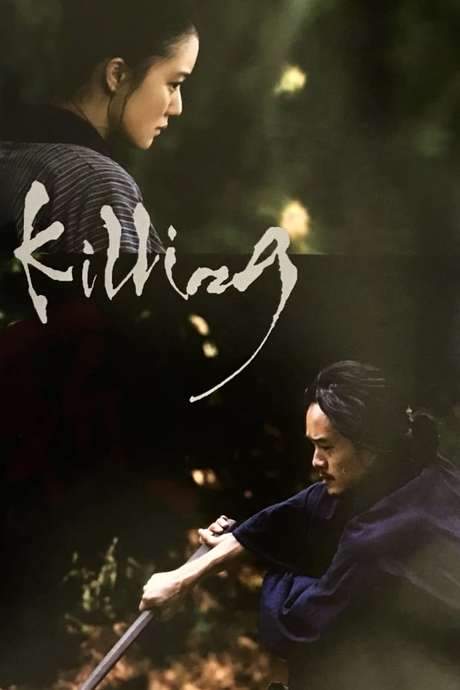
Killing 2018

Directed by

Masahiro Kobayashi
Made by

Kaijyu Theater
Where to Watch Killing
See current US streaming, rental, and purchase options for Killing (2018) via JustWatch.






Killing Plot Summary
Read the complete plot summary and ending explained for Killing (2018). From turning points to emotional moments, uncover what really happened and why it matters.
Mokunoshin Tsuzuki, played by Sosuke Ikematsu, is a young wandering samurai with no master. He stops in a village of poor peasants to protect them and help harvest rice. He trains himself by sparring with Ichisuke, the teenage son of his hosts, played by Ryusei Maeda. The village is also watched over by Yu, Yu Aoi, Ichisuke’s sister, who resists the pull of war and tries to keep the peace, even as the threat of conflict looms.
One day, an elderly samurai named Sawamura arrives in the village with a mission to recruit soldiers to travel to Kyoto and fight in the civil war. Sawamura is played by Shinya Tsukamoto. He welcomes Ichisuke, whose eagerness to prove himself unsettles Yu and unsettles the quiet life of the villagers, prompting cautious debate about duty versus safety.
A group of disbanded outlaws arrives in the village, led by Sezaemon Genda. Tsuzuki initially tries to maintain good relations with Genda, hoping to preserve peace, while Ichisuke’s enthusiasm pushes the situation toward violence. Despite Tsuzuki’s warnings, Sawamura decides to defend Ichisuke’s honor, and Ichisuke joins his retinue. The ensuing clash results in a brutal slaughter as Genda’s gang is decimated by Sawamura’s group, and the village’s tenuous calm shatters in the wake of the bloodshed.
The survivors of the attack retaliate by killing Ichisuke, a blow that devastates Yu. Grief gives way to a fierce desire for vengeance, and she urges Tsuzuki to avenge her brother. Yet Tsuzuki—who has never killed anyone—struggles to act, and the outlaws threaten Yu anew, testing his resolve. Sawamura intervenes, fighting to protect the vulnerable, and he succeeds in wiping out Genda and the remaining bandits, though he is left gravely injured by the confrontation.
As the time to depart for Kyoto approaches, Tsuzuki disappears, defying his duties and leaving Sawamura to pursue him. When the two finally confront each other, it is Tsuzuki who ends Sawamura’s life, a fateful act that finalizes his own passage from protector to a figure tempered by bloodshed. The film closes on the tension between obligation and personal change, a quiet, brooding meditation on how violence reshapes those who wield it.
Killing Timeline
Follow the complete movie timeline of Killing (2018) with every major event in chronological order. Great for understanding complex plots and story progression.
Tsuzuki arrives in the village
Mokunoshin Tsuzuki, a young wandering samurai without a master, stops in a village of poor peasants to protect them and help harvest rice. He trains himself by crossing swords with Ichisuke, the teenage son of his hosts, refining his technique. This quiet arrival sets the stage for the looming conflict surrounding the villagers.
Sawamura arrives to recruit fighters
An elderly samurai named Sawamura arrives in the village and declares his plan to recruit other warriors to go to Kyoto and fight in the civil war. He welcomes Ichisuke into his group, even though Yu, Ichisuke’s sister, is decidedly against it. Tsuzuki agrees to follow Sawamura.
Outlaws ride in: Genda's gang appears
A group of disbanded outlaws arrives in the village, led by Sezaemon Genda. Tsuzuki tries to keep the peace by maintaining cordial relations with Genda and the gang, hoping to avoid bloodshed.
Ichisuke provokes the outlaws
Ichisuke provokes the outlaws, provoking a confrontation that ends with him being beaten. The tension between the villagers, Tsuzuki, and Genda's gang grows as the truce frays.
Sawamura defends Ichisuke
Against Tsuzuki's advice, Sawamura decides to defend Ichisuke and protect his honor. He leads his men to confront Genda's gang, triggering a brutal clash that leaves many of the outlaws dead. The action demonstrates Sawamura's willingness to risk everything for the young fighter.
Ichisuke is killed
The survivors retaliate by killing Ichisuke, shocking the village and fracturing the fragile peace. Yu, Ichisuke’s sister, is crushed by the loss and urges Tsuzuki to avenge him.
Tsuzuki grapples with vengeance
Yu pleads with Tsuzuki to take vengeance, but Tsuzuki, who has never killed anyone, struggles with the idea and buries the impulse. He wrestles with the idea of crossing a line that has always eluded him.
Outlaws threaten Yu; Sawamura intervenes
The outlaws come to rape Yu in front of Tsuzuki, heightening the danger and stakes. Sawamura intervenes, killing Genda and the remaining bandits, but is seriously injured in the process.
Departure to Kyoto is threatened
When it comes time to leave for Kyoto, Tsuzuki is not found, and Sawamura pursues him for abandoning his duties. The pursuit intensifies the conflict between personal loyalty and the mission.
The face-to-face confrontation nears
The two warriors finally come face to face, their destinies colliding as Sawamura closes the distance to Tsuzuki. Their exchange is tense and loaded with a long history of mentorship and obligation. It signals a reckoning that cannot be avoided.
Tsuzuki kills Sawamura
In the climactic duel, Tsuzuki ends Sawamura's life, killing the elder samurai who once guided him. The act marks a turning point in Tsuzuki's identity and seals his break with the duty that haunted him. The road ahead for Tsuzuki remains uncertain.
Aftermath and fate
With Sawamura dead and Ichisuke avenged through the cost of blood, Tsuzuki's future is left open to interpretation as he walks the road toward Kyoto. The film closes on the uneasy balance between mercy, duty, and vengeance.
Killing Characters
Explore all characters from Killing (2018). Get detailed profiles with their roles, arcs, and key relationships explained.
Mokunoshin Tsuzuki (Sosuke Ikematsu)
A young wandering samurai who protects a poor village and trains with Ichisuke. He is guided by a strong sense of honor but struggles with killing, choosing restraint when possible. His loyalty to Sawamura pits personal ethics against the demand to wage war.
Jirozaemon Sawamura (Shinya Tsukamoto)
An elderly samurai who recruits others to fight in Kyoto and defend Ichisuke’s honor. He embodies a traditional code of honor and leadership, taking decisive action even when it risks violence or injury. His plans set the village on a collision course with the outlaw group.
Yu (Yu Aoi)
The host family’s sister who opposes recruiting warriors, and later mourns the death of Ichisuke. She embodies resilience and concern for family, pressuring Tsuzuki to balance peace with justice.
Ichisuke (Ryusei Maeda)
The teenage son of the host family who is eager to prove himself. His provocation of the outlaw group triggers a violent chain of events, leading to tragedy that tests Tsuzuki’s resolve.
Sezaemon Genda (Tatsuya Nakamura)
Leader of the disbanded outlaws who arrives to recruit fighters. He is brutal and quick to retaliate when wrongs are perceived, escalating the village's peril.
Villager (Masahiro Kobayashi)
A peasant villager who hosts Tsuzuki and Ichisuke, providing a temporary safe harbor and grounding the story in rural life and its costs.
Killing Settings
Learn where and when Killing (2018) takes place. Explore the film’s settings, era, and how they shape the narrative.
Location
Village, Kyoto
A small, impoverished farming village serves as the backdrop for rising tensions. It is a fragile sanctuary where a wandering samurai trains with a host family and confronts looming violence as gangs threaten the peace. The road to Kyoto hints at the wider civil war that compels warriors to leave the village and pursue battle.
Killing Themes
Discover the main themes in Killing (2018). Analyze the deeper meanings, emotional layers, and social commentary behind the film.
⚖️
Duty
The story centers on a warrior torn between his obligation to accompany Sawamura to Kyoto and his reluctance to kill. He seeks to protect the village while honoring a code that condemns unnecessary violence. The clash between duty and mercy drives crucial decisions and shapes the emotional arc.
🗡️
Vengeance
When Ichisuke is killed and Yu urges retaliation, the film tests whether revenge can bring closure or deepen the cycle of violence. Tsuzuki's hesitation highlights the limits of vengeance, while Sawamura's insistence on punishment escalates the conflict. The pursuit of retribution culminates in a fateful duel.

Coming soon on iOS and Android
The Plot Explained Mobile App
From blockbusters to hidden gems — dive into movie stories anytime, anywhere. Save your favorites, discover plots faster, and never miss a twist again.
Sign up to be the first to know when we launch. Your email stays private — always.
Explore the mobile appKilling Spoiler-Free Summary
Discover the spoiler-free summary of Killing (2018). Get a concise overview without any spoilers.
In the waning years of the Edo period, Japan rests on a fragile peace that trembles under the promise of inevitable conflict. The world is a tapestry of rice fields, quiet villages, and the lingering echo of swords once drawn for duty. Lantern light flickers over stone pathways, and the air carries the scent of incense and distant drums, hinting at the turbulence gathering on the horizon. This is a time when the old codes of the samurai still command respect, yet the nation’s future teeters between tradition and upheaval, creating a backdrop of quiet tension that permeates every step of the wandering warrior.
Ikematsu Sosuke drifts through this landscape as a masterless samurai, a ronin untethered from a lord yet bound by the remnants of a code that once gave his life meaning. His katana rests at his side, more a reminder of a past honor than a tool of war, and his restless spirit compels him to roam from one unsettled hamlet to the next. He is a man caught between the disciplined serenity of a bygone era and the restless yearning for purpose that now defines his days. Each sunrise offers a chance to test his skills and convictions, while each sunset whispers doubts about a future without a cause to serve.
The film’s tone is one of measured melancholy, brushed with the understated beauty of a world on the brink of transformation. Visuals linger on mist‑shrouded fields and the slow, deliberate motions of a swordsman contemplating his place in a shifting society. Themes of honor, loyalty, and the erosion of old hierarchies unfurl gently, inviting the viewer to share in the ronin’s internal quest. As Sosuke travels, the audience senses that every encounter, every quiet moment, holds the promise of a deeper revelation about what it truly means to be a warrior when the very notion of war is changing around him.
Movies with Similar Twists and Themes
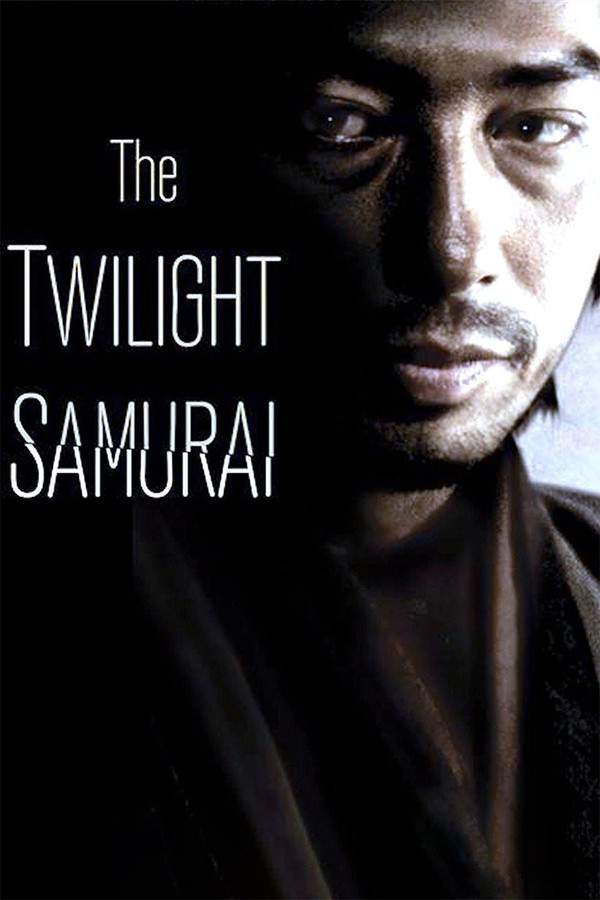
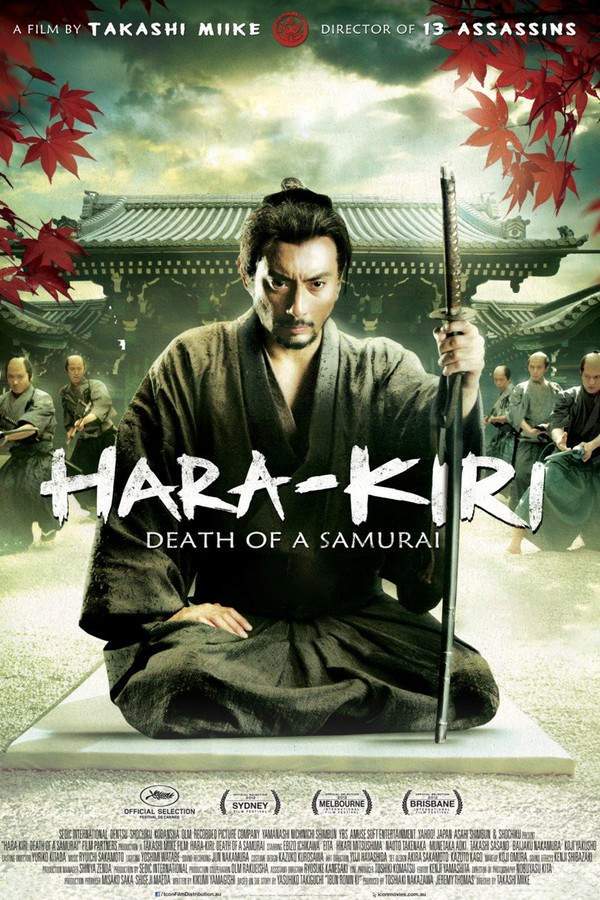
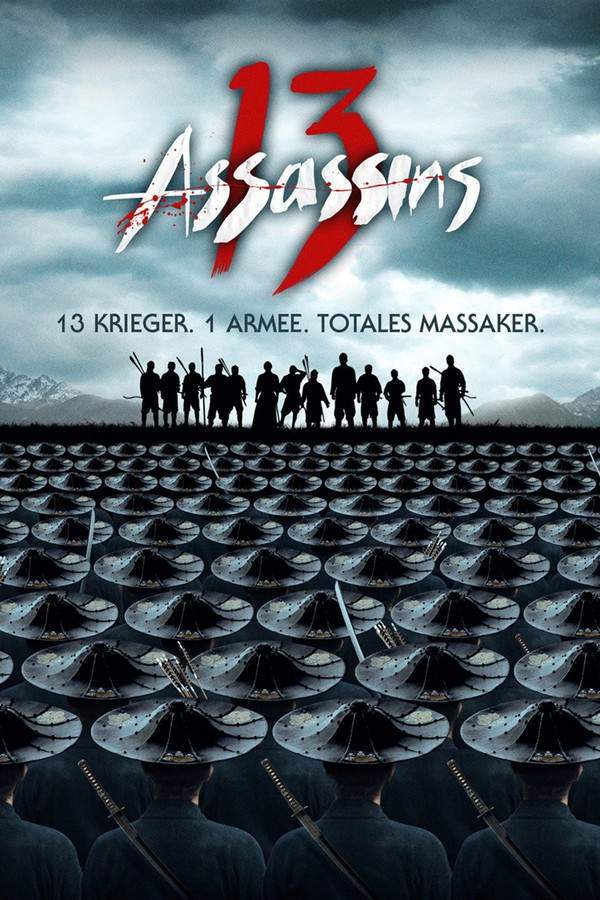
Uncover films that echo the narrative beats, emotional arcs, or dramatic twists of the one you're exploring. These recommendations are handpicked based on story depth, thematic resonance, and spoiler-worthy moments — perfect for fans who crave more of the same intrigue.



Featured on this page

What's After the Movie?
Not sure whether to stay after the credits? Find out!
Check out our other apps:

SAT Sphere
Build confidence for the Digital SAT.

Mori Atlas
Discover wild places worth protecting.

Luntero
Search smarter for a home in Amsterdam.

Plot Explained
Unravel movie endings and hidden clues.

Pokechamp
Dive into Pokémon data and battle logic.

Driving Theory
Get ready for your European theory test.

Movie Dust
Plan your next cinema trip with ease.

Musemap
Find art and culture as you travel.

Selkobase
Compare credentials before committing.

Local Manual
Turn an unfamiliar country into practical next steps.

Lernavi
Compare school systems before your next move.

GymRoam
Find a workout stop wherever your plans take you.
Explore Our Movie Platform
New Movie Releases (2026)
Famous Movie Actors
Top Film Production Studios
Movie Plot Summaries & Endings
Major Movie Awards & Winners
Best Concert Films & Music Documentaries
Movie Collections and Curated Lists
© 2026 What's After the Movie. All rights reserved.
Privacy Policy