



Kala Pani Plot Summary
Read the complete plot summary and ending explained for Kala Pani (1958). From turning points to emotional moments, uncover what really happened and why it matters.
Karan Mehra discovers a painful truth: his father, Shankarlal Mehta, is in jail, and his mother had long hidden from him the fact that his father hadn’t died as she claimed. When he finally meets his father, he learns that the murder he was accused of was a wrong accusation, and that his father has been imprisoned for a crime he did not commit. Motivated by love and a deep sense of justice, Karan Mehra makes it his mission to gather evidence and reopen the case so that his father can be freed and exonerated.
The road to truth begins with a meeting with one of the key witnesses who had testified for Shankarlal in court. That witness points Karan toward the investigating officer, Inspector Mehta, whose memories of the case hint at a deeper conspiracy. Karan then takes shelter as a paying guest where he crosses paths with the sharp and ambitious journalist-owner, Asha. Their budding rapport adds emotional weight to his quest, even as he stays focused on the bigger goal of vindicating his family.
From [Inspector Mehta], Karan learns about other possible witnesses, the enigmatic Kishori and the crafty Jumman. The inspector confesses that he suspected foul play from the start but was silenced by the prosecutor, Jaswant Rai. He also reveals that he overheard Kishori and Jumman discussing a letter that could serve as crucial proof of Shankarlal’s innocence.
Determined to obtain that letter, Karan sets out to win Kishori’s trust. As the two grow closer, his feelings for Asha deepen, adding a personal stake to his legal pursuit. Karan seeks guidance from Jaswant Rai on how to reopen the case, and the prosecutor instructs that the letter must come first, promising to reveal more once he has it.
Behind the scenes, the prosecutor turns out to be part of a wider plot. He warns Sardari Lal, the man who actually committed the murder, who in turn orders Jumman to warn Kishori. The tension escalates as Kishori confronts Karan, accusing him of deceiving her with false affection. But Karan replies that the men who put his innocent father behind bars have no right to judge him for honesty, and Kishori, upon learning the truth, chooses to do the right thing and hands over the letter.
With the original letter in hand, Karan returns to the prosecutor to demand that the case be reopened. The prosecutor—whose culpability is laid bare—admits his crime, and the legal battle moves toward its resolution. The courtroom and streets buzz with newfound urgency as justice edges closer to Shankarlal. In a fitting denouement, Shankarlal Mehta leaves prison a free man, and Karan’s personal life also finds its happy ending as he weds Asha, sealing a future built on truth and reconciliation.
The narrative is driven by a tapestry of loyalties, betrayals, and the relentless pursuit of justice. It weaves together Karan’s determination with the professional and ethical challenges faced by those around him, painting a picture of a man who refuses to let a lie stand in the face of truth. The relationships—between father and son, between lovers, and between accuser and accused—are all tested and ultimately clarified, leaving a sense of closure and a hopeful outlook for the future.
Kala Pani Timeline
Follow the complete movie timeline of Kala Pani (1958) with every major event in chronological order. Great for understanding complex plots and story progression.
Karan learns his father is jailed and his mother pretended his death
Karan discovers that his father, Shankarlal, is in prison for a murder he did not commit. He also learns that his mother had been pretending he had died since Karan's childhood. This revelation sets him on a mission to uncover the truth and free his father.
Karan meets his father in jail and learns the murder accusation is false
Karan visits the prison and meets Shankarlal, who explains that he was framed. He confirms he did not commit the murder. Karan vows to prove his father's innocence and clear his name.
Karan vows to gather proof to reopen the case
Moved by his father's fate, Karan decides to collect evidence and seek witnesses who can testify to the truth. He understands he must reopen the case and clear Shankarlal's name. This commitment launches a long, dangerous search through memory and records.
Karan meets witness who spoke for father; learns of Inspector Mehta
Karan travels to meet one of the witnesses who testified for Shankarlal in court. The witness describes the trial and points him toward Inspector Mehta. Mehta reveals there was pressure on the case and hints that a letter could prove Shankarlal's innocence.
Mehta tells about Kishori, Jumman and a letter
Mehta explains there are other witnesses, Kishori and Jumman, who mention a letter connected to the murder. He confesses that he overheard them speaking of it and fears the truth has been buried. The letter, if found, could be the key to reopening the case.
Karan begins wooing Kishori to obtain the letter
Karan tries to win Kishori's trust and affection to obtain the letter she possesses. The pursuit tests trust and reveals how fragile relationships can become under pressure. Kishori's involvement becomes central to unlocking the evidence.
Asha's paying guest house becomes Karan's base; romance blooms
During this time Karan stays at a paying guest house run by Asha, who is a journalist. Romantic feelings bloom between them as they interact more. Asha's presence adds both support and personal stakes to Karan's mission.
Karan seeks guidance from prosecutor Jaswant Rai
Karan approaches Jaswant Rai to learn how to reopen the case. Rai advises him to secure the letter first and see what it reveals. The guidance reveals Rai's manipulative disposition rather than impartial help.
The prosecutor is revealed as villain; Sardari Lal and Jumman get involved
Rai's true role as a villain becomes clear as he warns Sardari Lal, the actual killer, that Karan is after the letter. Sardari Lal then orders Jumman to warn Kishori. The conspiracy grows more dangerous as Karan closes in on the truth.
Kishori confronts Karan; she hands over the letter
Kishori confronts Karan, accusing him of deceit. He explains that his pursuit is to prove his father's innocence. Moved by his mission, she repents and hands over the letter.
Karan shows the letter to Jaswant Rai; Rai burns it; Karan protests and is arrested
Karan presents the letter to the prosecutor, hoping to spur action. Jaswant Rai burns the letter, revealing his involvement in the plot. Enraged by the betrayal, Karan protests outside Rai's house and is arrested.
Asha attempts to publish the truth; editor blocks
Asha tries to publish the truth by writing about the prosecutor, but her editor refuses to run the story without solid proof. She stands firm, determined to expose corruption. Her efforts highlight the challenges faced by truth-seekers in a corrupt system.
Kishori arrives with the original letter
Kishori, aware of the stakes and danger, comes to Karan with the original letter. This strengthens his case to reopen the investigation. The exchange renews hope for justice.
Letter submitted; Jaswant Rai confesses
Karan officially submits the letter to reopen the case. Jaswant Rai admits his crime, confirming the conspiracy against Shankarlal. The confession moves the case toward a formal reopening and accountability.
Shankarlal is freed; Karan marries Asha
Shankarlal walks out of prison after being exonerated. Karan and Asha marry, bringing a close to their shared struggle for truth. The film ends on a note of justice and new beginnings.
Kala Pani Characters
Explore all characters from Kala Pani (1958). Get detailed profiles with their roles, arcs, and key relationships explained.
Karan Mehra
Determined and resourceful, Karan learns his father Shankarlal is jailed for a murder he didn't commit. He pursues witnesses and the critical letter to reopen the case, and he navigates a budding romance with Asha. His courage drives the pursuit of truth against a corrupt system.
Asha
Asha is the owner of the paying guest house where Karan stays and a journalist who helps expose the case. She becomes a key ally to Karan and a love interest, risking her career to publish the truth. Her involvement adds romantic tension and public accountability to the investigation.
Kishori
Kishori is a witness who possesses a letter crucial to proving Shankarlal's innocence. She initially accuses Karan of deceit but reforms, ultimately handing over the original letter. Her change of heart catalyzes the reopening of the case.
Inspector Mehta
The investigating officer who senses foul play but is silenced by the prosecutor. He reveals overheard conversations about the letter and provides critical context for Karan's pursuit of the truth. His testimony helps set the stage for exposing the conspiracy.
Jaswant Rai
The prosecutor and villain who blocks the case to protect the real killer. He burns the vital letter in a moment of denial, revealing his involvement in the system's corruption. His later confession marks the climax of the pursuit of justice.
Jumman
An associate who warns Kishori about Karan's pursuit, highlighting the network of threats surrounding the case. He embodies the coercive pressure placed on witnesses during the investigation.
Shankarlal Mehta
Karan's father, jailed for a murder he did not commit. His imprisonment drives the central conflict and motivates Karan to challenge a corrupt system. His eventual release marks the story's emotional climax.
Diwan Sardalilal
The actual killer who orchestrated the crime; Sardalilal's actions are uncovered as part of the conspiracy. He operates behind the scenes, prompting Karan's investigation.
Editor
The newspaper editor who resists printing allegations against the prosecutor, illustrating the real-world tension between journalism and legal protection. His stance pushes Asha to seek solid proof before publishing.
Kothewali
A neighborhood figure who appears in the social landscape of the film, contributing to the texture of the urban setting. Her presence adds to the community environment surrounding the main investigation.
Kala Pani Settings
Learn where and when Kala Pani (1958) takes place. Explore the film’s settings, era, and how they shape the narrative.
Time period
1950s
Set in mid-20th-century India, the story reflects a pre-digital era where letters, witnesses, and public opinion drive legal drama. The legal system, media, and social norms of the time influence how truth is pursued and how power is challenged. It portrays a post-independence India where justice often relies on personal courage and public accountability.
Location
Set in an urban Indian setting featuring a jail, a newsroom, and a courtroom. The city environment centers on the interactions between a family, witnesses, and a legal system; the place serves as the backdrop for investigations, letters, and public protests.
Kala Pani Themes
Discover the main themes in Kala Pani (1958). Analyze the deeper meanings, emotional layers, and social commentary behind the film.
⚖️
Justice
Karan's mission to prove his father's innocence drives the plot, highlighting how truth and fairness confront corruption within the legal system. The discovery of key letters and witness testimonies catalyzes a fight to reopen the case. The story shows that justice can emerge only when those in power are held accountable.
❤️
Love
Romance blossoms between Karan and Asha as they navigate risk and secrecy while pursuing the truth. Asha's journalism adds urgency and public accountability to the investigation. The evolving relationships deepen the stakes and test loyalties.
🔎
Conspiracy
Prosecutor Jaswant Rai's manipulation reveals a broader conspiracy behind the murder. The investigation exposes how power exploits silence and procedural maneuvers to shield criminals. The unraveling leads to accountability and the exoneration of Shankarlal.

Coming soon on iOS and Android
The Plot Explained Mobile App
From blockbusters to hidden gems — dive into movie stories anytime, anywhere. Save your favorites, discover plots faster, and never miss a twist again.
Sign up to be the first to know when we launch. Your email stays private — always.
Explore the mobile appKala Pani Spoiler-Free Summary
Discover the spoiler-free summary of Kala Pani (1958). Get a concise overview without any spoilers.
In a world where the shadows of the past linger behind prison walls and whispered rumors, the story opens on a young man whose life has been built on half‑truths. When he finally discovers that his father, Shankarlal Mehta, has not died as his mother long claimed but has been consigned to the infamous “kaala paani” penal settlement, the revelation shatters his familiar reality. The atmosphere is charged with a quiet, relentless yearning for redemption, set against the stark, sun‑baked landscape of a city that seems to hold its breath around old injustices.
Karans Mehra is thrust into a quest that feels both personal and universal. Driven by love for his family and a deep sense of fairness, he carries the weight of a legacy he never asked for while navigating the intricate social fabric of his surroundings. The tone balances brooding introspection with a flicker of hopeful determination, allowing his inner turmoil to echo the larger, unspoken grievances that hover over the community.
He soon finds kindred spirits in unexpected places. Asha, a sharp‑witted press reporter who runs her own newspaper, becomes both confidante and catalyst, offering the tools of inquiry and a pragmatic outlook that tempers his idealism. A retired police inspector, whose seasoned experience quietly underscores the narrative, provides a seasoned perspective on the mechanisms of law and its imperfections. Meanwhile, Kishori, an unwitting prostitute whose quiet strength hides a potential key to the truth, adds a layer of gentle mystery and empathy to the ensemble. Their intersecting paths form a fragile alliance, each character bringing a distinct voice to the shared pursuit of clarity.
The film’s style blends the grit of investigative drama with the intimate tenderness of a family saga, stitching together moments of tension with quiet, lingering shots of everyday life. A muted color palette and restrained soundtrack heighten the sense of a world caught between the weight of history and the possibility of change. As the protagonists navigate a maze of secrets, the audience is left with a lingering curiosity about whether truth can indeed break the chains of destiny.
Movies with Similar Twists and Themes
Uncover films that echo the narrative beats, emotional arcs, or dramatic twists of the one you're exploring. These recommendations are handpicked based on story depth, thematic resonance, and spoiler-worthy moments — perfect for fans who crave more of the same intrigue.


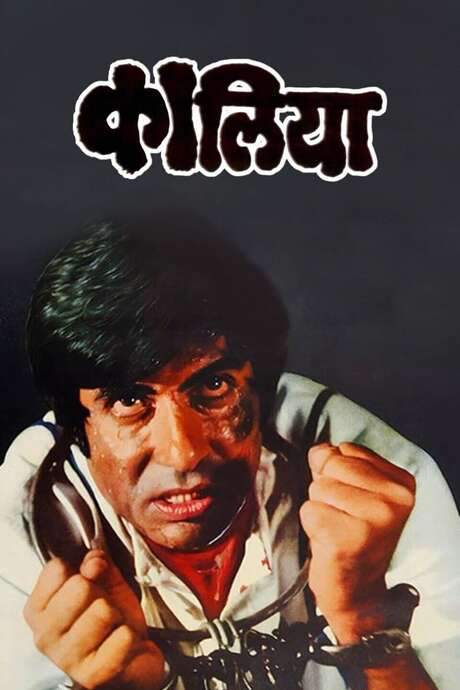

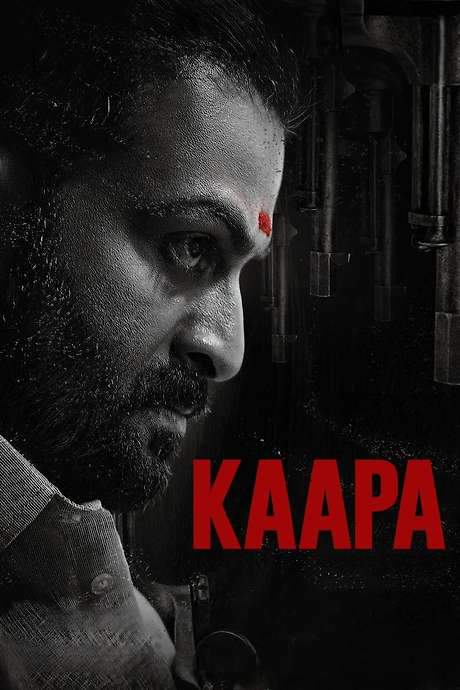

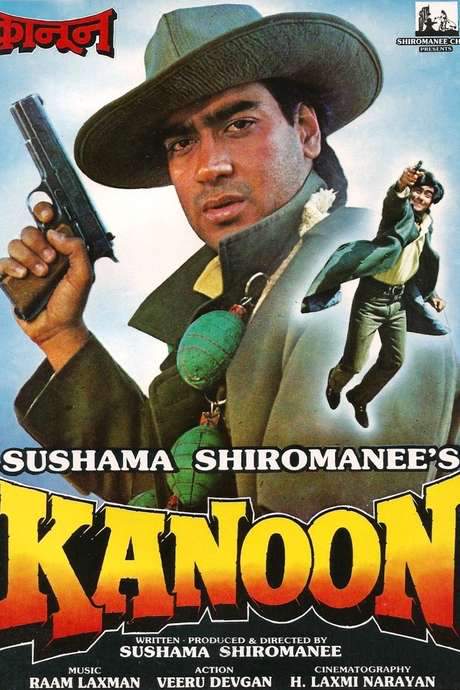


Featured on this page

What's After the Movie?
Not sure whether to stay after the credits? Find out!
Check out our other apps:

SAT Sphere
Build confidence for the Digital SAT.

Mori Atlas
Discover wild places worth protecting.

Luntero
Search smarter for a home in Amsterdam.

Plot Explained
Unravel movie endings and hidden clues.

Pokechamp
Dive into Pokémon data and battle logic.

Driving Theory
Get ready for your European theory test.

Movie Dust
Plan your next cinema trip with ease.

Musemap
Find art and culture as you travel.

Selkobase
Compare credentials before committing.

Local Manual
Turn an unfamiliar country into practical next steps.

Lernavi
Compare school systems before your next move.

GymRoam
Find a workout stop wherever your plans take you.
Explore Our Movie Platform
New Movie Releases (2026)
Famous Movie Actors
Top Film Production Studios
Movie Plot Summaries & Endings
Major Movie Awards & Winners
Best Concert Films & Music Documentaries
Movie Collections and Curated Lists
© 2026 What's After the Movie. All rights reserved.
Privacy Policy