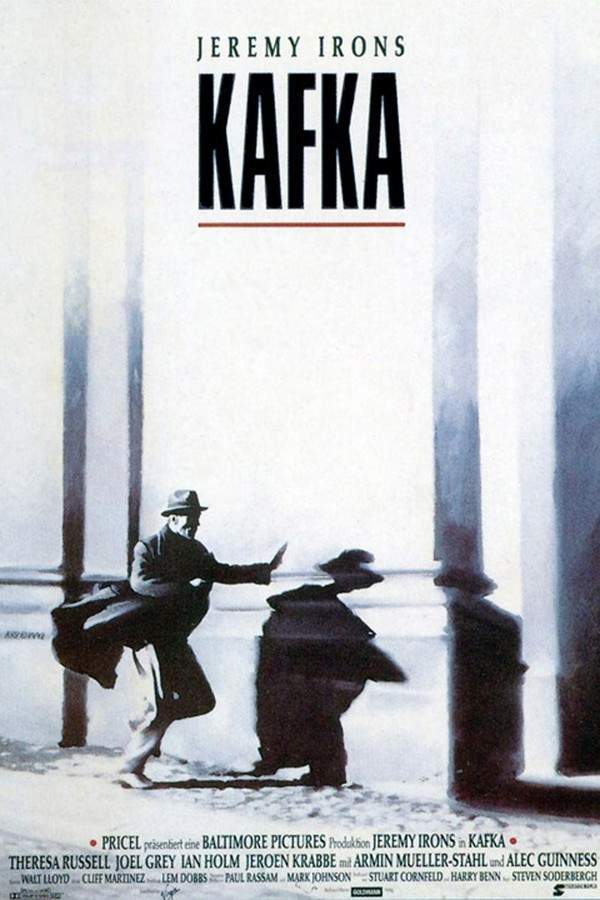
What Is Kafka About?
The premise of Kafka in 294 words, with nothing given away. The full story follows below.
In the winter‑bleak streets of 1919 Prague, a solitary insurance clerk named Franz Kafka moves through a world of orderly paperwork and quiet ambition. By day he settles claims with meticulous precision, while by night he nurtures a restless literary spirit that longs for something beyond the routine. The city itself feels caught between the lingering weight of an empire and the tentative pulse of modernity, a place where ordinary lives whisper under the shadow of deeper, unseen forces.
A puzzling disturbance pulls Kafka away from his careful schedule, introducing him to a covert circle that operates beneath the surface of the city’s calm. Within this hidden milieu he encounters Gabriela Rossman, a determined and passionate figure whose conviction offers both guidance and a glimpse into a broader struggle. Their connection hints at a shared curiosity and a willingness to question the structures that govern their world, setting the stage for an uneasy partnership forged in secrecy.
The path they follow leads to an imposing, foreboding castle that dominates the surrounding landscape like a dark heart. Its stone corridors twist like a living maze, each hallway echoing with the weight of concealed histories and the faint hum of oppressive power. The architecture itself seems to breathe, reflecting the surreal and nightmarish quality of Kafka’s own literary imagination, where reality blurs with the uncanny and every shadow suggests a deeper truth waiting to be uncovered.
Amidst this atmosphere of muted dread and quiet resolve, the film settles into a mood that balances stark realism with haunting symbolism. It invites the audience to contemplate the tension between individual conscience and the vast, unseen machinery that shapes society, leaving the question of how far one can truly venture into darkness without losing the light of personal conviction.
What Happens in Kafka?
The complete story of Kafka, from the first scene to the last, in 369 words (about 2 minutes). Spoilers throughout.
Spoilers ahead
In 1919 Prague, Franz Kafka leads a seemingly ordinary life as an insurance adjuster, quietly nourishing a passion for writing while his days follow a predictable routine. That quiet, methodical world is upended when a coworker is found murdered under murky, unresolved circumstances, and Kafka’s natural curiosity and sense of justice push him to seek the truth behind the death.
As he delves deeper, Kafka uncovers an underground anarchist group working in secrecy. This faction is determined to expose and dismantle a powerful, enigmatic organization that seems to pull the strings behind many of society’s most significant events. Their methods—bombings and other acts of sabotage—signal a willingness to disrupt the established order in pursuit of a greater cause. Kafka’s investigation pulls him further into this shadowy network, and he forms a bond with Gabriela Rossman, a fervent and resolute member who guides him through the group’s aims and operations.
The search for answers leads Kafka into a maze of conspiracies and unsettling truths. His path brings him to a foreboding castle that serves as the headquarters for the secret organization, a place where secrets are stored and power is exercised with terrifying efficiency. Inside the castle, Kafka encounters horrifying experiments and glimpses of the organization’s far-reaching influence over society. The building itself feels like a labyrinth, a physical manifestation of the impenetrable, oppressive control the group wields.
As Kafka infiltrates the castle and confronts the organization’s leaders and their methods, he is forced to grapple with deep questions about morality, freedom, and the nature of resistance. The narrative highly leans into themes that echo Kafka’s own literary world, blending stark reality with nightmarish, surreal elements that blur the line between what is and what could be.
In the climactic moments, Kafka faces a pivotal choice: accept his role as an unwitting hero or resist the overwhelming forces arrayed against him. The confrontation with the organization becomes a personal and philosophical reckoning, testing his courage, resolve, and belief in the possibility of change within an oppressive system. The story remains centered on the tension between individual conscience and a sprawling, powerful machinery, inviting readers to consider what it means to stand up to unseen powers and what freedom truly requires.
Kafka Timeline: Every Key Event in Order
12 key events in the order they happen, from “Kafka's ordinary life in Prague disrupted by murder” to “Philosophical reckoning and possible aftermath”. 9 events name a place, across 3 locations.
- 1
Kafka's ordinary life in Prague disrupted by murder
Franz Kafka, an insurance adjuster by day and aspiring writer by night, carries on a routine life in 1919 Prague until a coworker is found murdered under mysterious circumstances. The eerie death unsettles him and awakens a sense of justice and curiosity he cannot ignore.
When:1919 Where:Prague
- 2
Kafka begins investigating the murder
Haunted by the crime, Kafka starts digging into the case, following vague leads that others dismiss. His probing gradually draws him toward a shadowy, dangerous world that operates beyond law and order.
Where:Prague
- 3
Discovery of an underground anarchist group
During his inquiry, Kafka encounters an underground anarchist network dedicated to exposing a powerful, enigmatic organization. The group conducts sabotage and bombings to disrupt what they see as oppressive forces shaping society.
Where:Prague
- 4
Gabriela Rossman enters Kafka's orbit
Kafka forms a connection with Gabriela Rossman, a passionate member who becomes his guide into the group's activities and their aims. Her resolve and charisma pull him deeper into the dangerous world they inhabit.
Where:Prague
- 5
Kafka's growing involvement with the group
He becomes increasingly entangled with the anarchists, weighing his safety and moral questions against the pursuit of truth. The line between ally and danger blurs as the conspiracy widens.
- 6
The castle as the organization's headquarters
Kafka's investigation leads him to a foreboding castle that serves as the headquarters of the secret organization. The labyrinthine structure embodies the impenetrable and oppressive power he must confront.
Where:Castle
- 7
Horrific experiments and the extent of control
Inside the castle, Kafka uncovers horrifying experiments and evidence of the organization’s far-reaching influence over society. The discoveries reveal a chilling network that manipulates events on a broad scale.
Where:Castle
- 8
Confrontation with the leaders
As Kafka infiltrates deeper, he confronts the organization’s leaders and their methods of control. He wrestles with what freedom means within a system that operates in secrecy and fear.
Where:Castle
- 9
Reality and fiction blur into nightmare
The experiences blur the boundary between Kafka's waking life and the surreal themes that infuse his writings. Nightmarish, dream-like sequences challenge his sense of truth and resistance.
- 10
Moral dilemma and the right path
In the climactic moment, Kafka must decide whether to embrace his role as an unwitting hero or resist the overwhelming forces arrayed against him. The confrontation tests his courage, ethics, and willingness to challenge an opaque power.
Where:Castle
- 11
Romantic bond heightens the stakes
Gabriela's influence deepens the stakes, as personal connections intertwine with political conflict and danger. Their bond adds emotional weight to the mission and amplifies the risks they face.
Where:Castle / Underground
- 12
Philosophical reckoning and possible aftermath
The confrontation leaves Kafka with a lasting philosophical reckoning about morality, freedom, and responsibility. The story implies that even as the system remains powerful and enigmatic, individual choices can still shape fate.
Who Are the Main Characters in Kafka?
2 characters, among them Franz Kafka (portrayed by Jeremy Irons) and Gabriela Rossman: who each one is and the part they play in the story. Every profile links to the actor’s page.
-
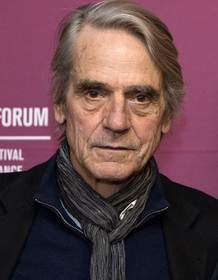
Franz Kafka (portrayed by Jeremy Irons)
Played by Jeremy Irons
A reserved, observant insurance adjuster who secretly nurtures a passion for writing. His curiosity drives him into a dangerous underground world and a moral confrontation with power. He wrestles with his role, whether as observer or reluctant hero, as conspiracies threaten his sense of reality. His inner rebellion against oppressive systems forms the emotional core of the story.
- 🎭 Intellectual
- 🕵️♂️ Investigative
- ⚖️ Morally conflicted
- GR
Gabriela Rossman
Played by Theresa Russell
A passionate and determined member of the anarchist group who guides Kafka through its activities. She embodies radical commitment and personal drive to expose and destabilize the hidden powers. Her relationship with Kafka adds a personal stake to his evolving sense of responsibility. She remains focused on action and truth in the face of danger.
- 🔥 Activist
- 🧭 Guide
- 💬 Charismatic
Where and When Is Kafka Set?
Kafka is set in Prague and Czech Republic (1919). Here is why the time and place matter to the story.
When
1919
The narrative unfolds in the immediate post–World War I era, a period of political upheaval and social change. Prague is a city where old empires crumble and new powers seek to assert control, creating a climate of secrecy and risk. The era’s uncertainty amplifies Kafka’s journey into a shadow world of conspiracies and moral questions.
Where
Prague, Czech Republic
Set in 1919 Prague, the film grounds its story in a city famed for its medieval streets and looming castle. The capital—then part of the new postwar state—provides a backdrop of bureaucratic corridors, hidden networks, and shadowy power. Its historical architecture mirrors the oppressive reach of the secret organization Kafka confronts. The city itself feels like a labyrinth that reflects the protagonist's moral maze.
- 🏙️ European City
- 🗺️ Historic Center
What Are the Themes of Kafka?
3 ideas the story keeps returning to, among them Power, Morality and Reality and Surrealism.
-
01
Power
A hidden organization pulls strings behind public events, revealing how authority can operate unseen. The castle and its labyrinth symbolize how power guards its secrets and maintains control. Kafka's intrusion into this world tests his willingness to resist a system that cannot be easily faced. The film questions whether individual integrity can confront overwhelming structures.
-
02
Morality
Kafka grapples with justice, complicity, and personal responsibility as he uncovers unsettling truths. The danger of truth becomes clear when knowledge invites retaliation. The narrative invites viewers to weigh ethics against survival within a corrupt order. It probes whether doing right is enough when the system remains intact.
-
03
Reality and Surrealism
The story blurs Kafka's everyday life with surreal, nightmarish elements drawn from his writing. The castle's corridors feel like a dreamscape that reflects internal fear and existential questions about freedom. Events seem manipulated by a hidden design, challenging what is real. The tension between perception and truth mirrors Kafka's own literary concerns.
What Kind of Film Is Kafka?
Dark in tone, with steady pacing and a complex story, going by the plot summary.
- Tone
- Dark
- Pacing
- Steady
- Story
- Complex
- Intensity
- High
- Ending
- Ambiguous
A dark and paranoid descent into a bureaucratic nightmare, where a lone man's investigation leads him through labyrinthine conspiracies and unsettling surrealism, creating a consistently oppressive and intellectually challenging thriller.
- paranoid
- claustrophobic
- oppressive
- unsettling
- nightmarish
- anxious
- conspiracy investigation
- bureaucratic oppression
- anarchist resistance
- secret organization
Content notes: murder, bombings, psychological horror.
Quiz
How well do you remember Kafka? Test yourself on the story.