What Is Jayeshbhai Jordaar About?
The premise of Jayeshbhai Jordaar in 278 words, with nothing given away. The full story follows below.
In the bustling, tightly‑knit village of Pravingadh, tradition weighs heavier than the wind that rustles through the wheat fields. Here, generations have measured a family’s worth by the number of sons they raise, and the community’s expectations are enforced with a blend of reverence and rigidity. Beneath this façade of continuity, a quiet rebellion stirs, promising to upend the long‑standing customs that have defined life here for decades.
At the heart of this storm is Jayesh Patel, a mild‑mannered yet fiercely principled man whose love for his pregnant wife, Mudra, ignites a daring resolve. Though their marriage began as a pragmatic arrangement aimed at securing a male heir, Jayesh’s modern outlook on equality fuels a quiet defiance. He is supported, though often unwittingly, by his spirited daughter, Siddhi, whose presence reminds him of the future he wishes to protect, and his mother, Jashoda, whose warmth contrasts with his father Pruthvishbhai—the village sarpanch whose authority embodies the very conventions Jayesh seeks to challenge.
The story unfolds with a tone that balances earnest social commentary and bright, comedic energy. As Jayesh contemplates a bold escape to the oddly named Laadopur—a remote hamlet famed online for its all‑male population and seemingly welcoming promises—the stakes rise. The village’s entrenched expectations loom large, yet the narrative hints at a playful cat‑and‑mouse chase, where familial bonds, stubborn pride, and the yearning for a safer, more equitable future collide in unexpected ways.
Amid vibrant colours, bustling market scenes, and heartfelt moments of levity, the film invites viewers to wonder how far one man will go to protect the life growing within his wife, and whether love and humor can indeed reshape a community’s deepest convictions.
What Happens in Jayeshbhai Jordaar?
The complete story of Jayeshbhai Jordaar, from the first scene to the last, in 668 words (about 3 minutes). Spoilers throughout. Names in the text link to 6 cast member pages.
Spoilers ahead
Jayesh Patel, affectionately called Jayeshbhai Jordaar by his daughter, is an educated man who lives with his father Pruthvish (the village sarpanch), his mother Jashoda, his pregnant wife Mudra, and his modern daughter Siddhi in the fictional village of Pravingadh.
The family life appears stable on the surface, but underneath there is a quiet tension: a marriage that seems to exist more for producing a male heir than for romance, even as Jayesh harbors a deep love for Mudra and hopes one day to share a first kiss with her. The community’s expectations weigh heavily on them, shaping choices and fears on a daily basis.
The clan’s long-term plan centers on the birth of a son who can carry forward the family line and perhaps elevate Jayesh to the role of sarpanch in Gujarati society. This pressure intensifies when a routine medical check-up reveals that Mudra’s second child is a girl. Doctor Swathi Krishnan informs them of the gender, adding another layer to the already delicate situation.
In a flashback, Siddhi’s birth is forgiven because she is the firstborn, but Mudra has endured years of heartbreak and danger—having to abort six female fetuses in the past nine years in the struggle to conceive a son. If Mudra were to carry another pregnancy to term, she could risk losing the ability to become pregnant again. Yet Jayesh, who believes in equal rights for women, decides not to reveal the baby’s gender to his family, hoping the child will still arrive safely.
Facing mounting pressure from tradition and family, Jayesh crafts a bold plan to secure their future: he decides to flee with Mudra and Siddhi to Laadopur, a fictional village in Haryana whose male-only culture is described in online videos that invite women to come and be treated with respect “like queens.” Jayesh sees this as a potential haven where his family can escape the gendered expectations of Pravingadh.
As the possibility of escape looms, Jashoda pushes for transparency, and Mudra stages a dramatic act to force a decision. In front of her parents, she “kidnaps” Jayesh and presents herself as leaving to have the child, signaling a breaking point for a family and a village trapped in old norms. This ruse triggers a cascade of events, forcing Jayesh, Mudra, and Siddhi to flee from the stronghold of Pravingadh and contend with the competing pressures of both Pravingadh and Laadopur.
Throughout their journey, Jayesh fights not only for Mudra’s rights but also for the rights of all women in their sexist world. The trio encounters resistance, including tensions around arranged remarriage and the demands of a society steeped in gender bias. Yet they are united by a growing sense that change is possible, even if it begins slowly and with great every-day courage.
When Mudra’s water finally breaks, they move toward a hospital that is protected by Siddhi, the men of Laadopur, and the women of Pravingadh, underscoring a fragile coalition that supports life and possibility. Mudra delivers a healthy baby girl, a moment of relief and new beginnings for the family. In the waiting room, the women of Pravingadh gather with the broader group willing to relocate to Laadopur, signaling a turning point in the community’s willingness to rethink entrenched roles.
Jayesh delivers a heartfelt speech that acknowledges the complexities of changing deeply ingrained habits, confessing that progress takes time while urging empathy toward those who are trying to understand why people behave as they do. He emphasizes that the struggle is shared by both men and women, and that hope must be kept alive even in the face of slow reform. The speech resonates with both the women and men, marking a new moment of possibility for Pravingadh and Laadopur alike.
In the end, the film centers on a quiet, persistent faith in gradual transformation. Jayesh reaffirms that real change is a process that requires communities to listen, learn, and move forward together, leaving audiences with a sense of cautious optimism about a society’s capacity to evolve.
Jayeshbhai Jordaar Timeline: Every Key Event in Order
12 key events in the order they happen, from “Jayesh's modern beliefs clash with village tradition” to “Final decision: relocation and moving speech”. 12 events name a place, across 8 locations.
- 1
Jayesh's modern beliefs clash with village tradition
Jayesh Patel is an educated man who champions gender equality and wants more for his wife and daughter than tradition allows. He lives with his stern father, supportive mother, and his wife Mudra in Pravingadh, a village bound by old norms. His progressive views foreshadow the coming conflict over gender and power.
When:Introduction Where:Pravingadh
- 2
Mudra learns the child is a girl
During a routine check-up, Jayesh learns Mudra is carrying a second daughter. The news unsettles the family given the pressure to bear a male heir. Jayesh quietly frets about the implications for Mudra and Siddhi.
When:During pregnancy check-up Where:Clinic/Home
- 3
Flashback reveals Siddhi's birth and Mudra's abortions
A flashback reveals Siddhi was forgiven as the firstborn, but Mudra had to abort six female fetuses over nine years to try for a son. The village's relentless gender bias is exposed, showing the cost paid by Mudra. Jayesh's awareness of this history deepens his resolve for change.
When:Flashback sequence Where:Pravingadh
- 4
Jayesh decides not to reveal the gender
Despite the pressure, Jayesh decides to keep Mudra's pregnancy a secret from his family to protect the plan for a girl child. He believes secrecy will protect Mudra from backlash. This decision sets the plot in motion.
When:Before plan Where:Pravingadh
- 5
Plan to elope to Laadopur
Jayesh conceives a plan to flee with Mudra and Siddhi to Laadopur, a fortress-like village in Haryana inhabited by men. He believes it will be the safest place where his family can grow free from patriarchal control. The plan hinges on a dramatic transition from one community to another.
When:Pre-escape planning Where:Laadopur and Pravingadh
- 6
Jashoda arranges a gender-predicting doctor
Jashoda arranges a meeting with a doctor who could predict the baby's gender, heightening the risk and urgency. The possibility of discovering Mudra's child’s sex accelerates Jayesh's need to act. The family dynamics begin to fracture under the weight of secrecy.
When:Before kidnapping Where:Pravingadh
- 7
Mudra stages a kidnapping to escape
Mudra, in a bold act, 'kidnaps' Jayesh and holds him hostage in front of Jashoda and Pruthvishbhai. She declares her intent to give birth and warns not to follow. The stunt exposes mounting tension and pushes them toward flight.
When:Dramatic staging Where:Home/Pravingadh
- 8
Escape begins as they confront village patriarchs
What follows is a chaotic escape from the clutches of their parents and the male-dominated villagers of Pravingadh. Jayesh fights to keep his family safe and to move toward Laadopur. The plan tests their courage and loyalty as female allies join the effort.
When:During escape Where:Pravingadh road
- 9
Journey highlights the fight for women's rights
As they travel, Jayesh battles gender norms and advocates for the rights of Mudra and other women trapped by the system. They face threats, coercion to remarry, and social backlash along the way. Hope grows as they gain sympathetic allies.
When:During journey Where:On the road
- 10
Mudra goes into labor; hospital is guarded
Mudra's water breaks and the couple heads toward the hospital, guarded by Siddhi, Laadopur men, and Pravingadh women. The defense highlights a rare cross-community solidarity. The scene blends tension with the imminent birth.
When:Labor onset Where:Hospital
- 11
Birth of a baby girl
Mudra gives birth to a healthy baby girl and shares a kiss with Jayesh in relief. The moment validates Jayesh's belief in equal rights and hope for the future. The family unit strengthens as a symbol of change.
When:Birth moment Where:Hospital
- 12
Final decision: relocation and moving speech
In the waiting room, the women of Pravingadh choose to relocate to Laadopur, signaling a shift in power dynamics. Jayesh delivers a moving speech about why change takes time and why understanding husbands is essential while continuing to push for reform. His words resonate with both the women and men, offering a cautious path forward.
When:End Where:Hospital waiting room
Who Are the Main Characters in Jayeshbhai Jordaar?
6 characters, among them Jayesh Patel (Ranveer Singh), Mudra (Shalini Pandey) and Pruthvish (Boman Irani): who each one is and the part they play in the story. Every profile links to the actor’s page.
- JP
Jayesh Patel (Ranveer Singh)
Played by Ranveer Singh
A progressive, caring husband who challenges patriarchal norms while navigating familial duty. He is willing to bend rules to protect Mudra and Siddhi, showing courage and nuance in balancing love with justice. His journey reflects the friction between tradition and modern values, and his ultimate stance advocates for long-term social change.
- 💪 Courage
- 👨👧👦 Protector
- 🧭 Advocate
- M(
Mudra (Shalini Pandey)
Played by Shalini Pandey
Jayesh’s wife, whose pregnancy and growing autonomy drive the plot. She endures social pressure and past hardships, evolving from a constrained partner to an empowered individual who seeks safety and fairness for her child. Her resilience anchors the film’s message about female agency.
- 👩👧 Women's rights
- 🤰 Motherhood
- 💪 Resilience
-
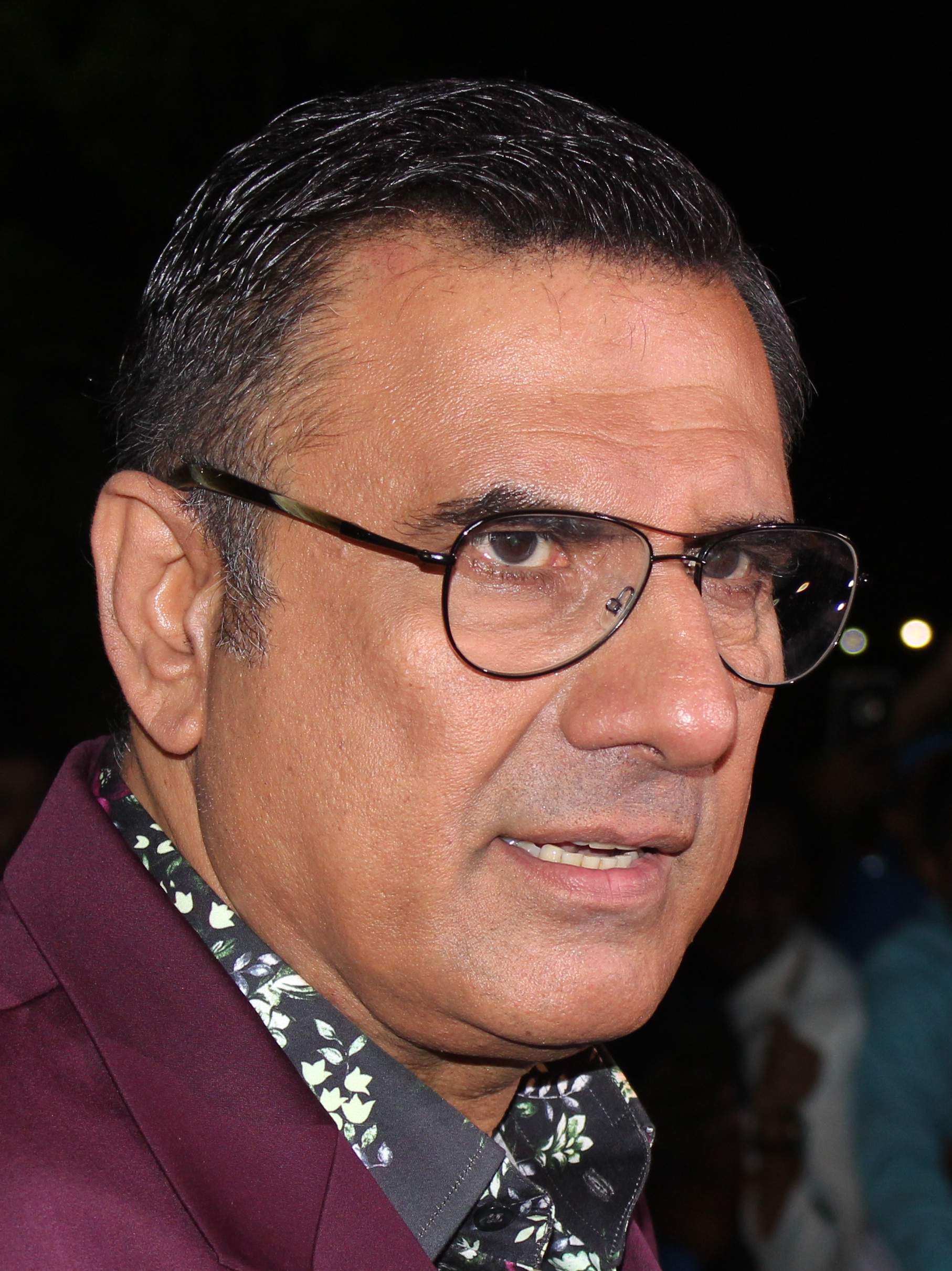
Pruthvish (Boman Irani)
Played by Boman Irani
The village sarpanch and Jayesh’s father, embodying traditional authority and resistance to change. He initially champions the old order but is forced to confront his own beliefs as events unfold. His arc reveals the complexities within patriarchal leadership and its potential for reform.
- 🏛️ Leadership
- 👨👦 Tradition
- 🤝 Authority
- J(
Jashoda (Ratna Pathak Shah)
Played by Ratna Pathak Shah
Jayesh’s mother and a key decision-maker in the family’s world. She upholds cultural norms while also influencing crucial choices. Her perspective highlights generational tensions and the push-pull between protection and control.
- 👩👦 Family matriarch
- 🗳️ Influence
- 🤝 Mediation
- S(
Siddhi (Jia Vaidya)
Played by Jia Vaidya
Mudra and Jayesh’s daughter, a perceptive and brave presence who mobilizes others to challenge gender bias. Siddhi acts as a catalyst, guiding the family through danger and inspiring broader community action. Her role emphasizes the impact of young voices in social change.
- 👧 Catalyst
- 🧭 Insight
- 🐣 Courage
- DS
Doctor Swathi Krishnan (Swati Das)
Played by Swati Das
The medical professional who reveals the child’s gender and becomes a touchstone in the ethical debate surrounding pregnancy. She represents clinical neutrality amid heated cultural tensions. Her involvement underscores the intersection of medicine, culture, and personal choice.
- 👩⚕️ Doctor
- 🏥 Medical
- 🧭 Ethics
Where and When Is Jayeshbhai Jordaar Set?
Jayeshbhai Jordaar is set in Pravingadh and Laadopur (Present day). Here is why the time and place matter to the story.
When
Present day
The story unfolds in contemporary India, with social media, hospital checks, and modern communication shaping the characters’ decisions. It examines how current technologies and public discourse influence attitudes toward gender and family planning. The setting anchors a timely discussion about female autonomy within a traditional society.
Where
Pravingadh, Laadopur
Pravingadh is a fictional Gujarati village where rigid gender roles shape daily life and family honor. Laadopur, a contrasting village in Haryana, is depicted as a male-dominated place that supposedly values men above women. The film uses these two settings to explore how tradition clashes with the push for gender equality and protection of women.
- 🏘️ Village setting
- 👨👩👧👦 Patriarchal society
- 🌾 Rural culture
What Are the Themes of Jayeshbhai Jordaar?
4 ideas the story keeps returning to, among them Gender Equality, Family & Duty and Social Change.
-
01
Gender Equality
The central conflict centers on equal rights for women and men, challenging a culture that rewards male heirs. Jayesh questions patriarchal norms and fights for Mudra’s autonomy and the child’s future. The narrative traces the slow, proactive shift from concealment to advocacy for female empowerment.
-
02
Family & Duty
The story pits familial loyalty against personal conviction as Jayesh and Mudra navigate pressures from parents and community. Mudra’s agency grows amid the threat of coercion, revealing how love can catalyze social change. The plot shows that protecting a family may require collective action beyond one generation.
-
03
Social Change
The film portrays gradual societal transformation, illustrated by women uniting with allies to demand safer, more respectful communities. It highlights small acts of resistance that accumulate into larger movements. Change is presented as a process that requires hope, persistence, and solidarity.
-
04
Reproductive Rights
The pregnancy becomes a focal point for debates over girl children and female autonomy. The narrative emphasizes valuing girls as equals from birth, countering the tradition of prioritizing male heirs. It underlines the importance of choice and support for women in reproductive decisions.
What Kind of Film Is Jayeshbhai Jordaar?
Hopeful in tone, with steady pacing and a straightforward story, going by the plot summary.
- Tone
- Hopeful
- Pacing
- Steady
- Story
- Straightforward
- Intensity
- Medium
- Ending
- Happy
A comedic yet determined chase film that carries the weight of serious social injustice but ultimately feels hopeful and uplifting as a man courageously fights for his family's future.
- hopeful
- determined
- courageous
- tense
- comedic
- uplifting
- female empowerment
- family conflict
- social justice
- gender equality
Content notes: forced abortion, gender-based persecution, domestic pressure.
Quiz
How well do you remember Jayeshbhai Jordaar? Test yourself on the story.