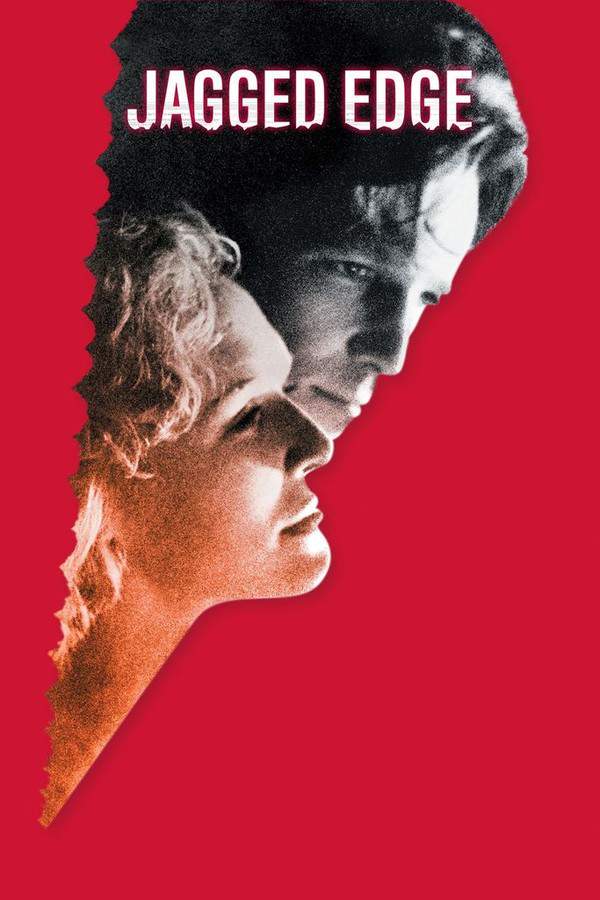
What Is Jagged Edge About?
The premise of Jagged Edge in 300 words, with nothing given away. The full story follows below.
In the sleek, high‑stakes world of San Francisco publishing, Teddy Barnes has built a reputation as a razor‑sharp lawyer who can turn a chaotic contract into a seamless victory. Once a rising star in the district attorney’s office, she stepped away from criminal work after a bitter dispute, opting instead for the polished corridors of literary law. Her life, meticulously ordered and fiercely independent, is suddenly shaken when her own husband, Jack Forrester, becomes the focal point of a police investigation that could tear their privileged circle apart.
Drawn back into the murky realm of legal intrigue, Teddy is forced to confront old allies and new adversaries. The seasoned district attorney Thomas Krasny represents the prosecution, his relentless tactics reminding her of the very system she left. Meanwhile, a former colleague turned private investigator, Sam Ransom, offers a quieter, more personal perspective on the case, hinting at hidden currents beneath the surface of the city’s elite. Each interaction pulls Teddy deeper into a labyrinth where professional duty and personal loyalty collide.
The film thrives on a tense, almost noir atmosphere, balancing the glittering façade of wealth with the shadowy undercurrents of suspicion and hidden motives. As Teddy sifts through conflicting alibis and tangled relationships, she must question the foundations of her marriage and the trust she placed in those around her. The narrative keeps the audience perched on the edge of uncertainty, inviting them to wonder how far truth can be twisted when love and ambition intersect.
With crisp dialogue, moody cinematography, and a pulse‑quickening score, the story paints a portrait of a woman navigating a high‑pressure legal battle while untangling the personal deceptions that threaten to unravel her world. The tension is palpable, promising a compelling blend of courtroom strategy and intimate drama that leaves the stakes perpetually rising.
What Happens in Jagged Edge?
The complete story of Jagged Edge, from the first scene to the last, in 562 words (about 2 minutes). Spoilers throughout. Names in the text link to 4 cast member pages.
Spoilers ahead
A masked intruder breaks into the beach house of San Francisco socialite Page Forrester, ties her to her bed, rips open her shirt, and kills her with a hunting knife. The maid is also murdered. Husband Jack Forrester, Jeff Bridges arrested for her murder, tries to hire high-profile lawyer Teddy Barnes, Glenn Close, to defend him. Barnes is reluctant to take the case since an incident with district attorney Thomas Krasny, Lance Henriksen, her former boss, caused her to quit practicing criminal law.
Krasny tells Barnes that prisoner Henry Styles hanged himself, which distresses her. Barnes visits Sam Ransom, Peter Coyote, a private detective who also used to work for Krasny and who changed careers at the same time as Barnes. Barnes decides to take the case.
Barnes and Forrester prepare for the trial and eventually sleep together. Ransom warns Barnes that Forrester is just trying to make her care more about his case. Her office begins receiving anonymous letters containing non-public case details, and an analysis shows they were typed on a 1942 Corona typewriter.
In a pre-trial meeting, Barnes tells the judge that Krasny has a history of not meeting discovery obligations. The prosecution’s case relies on circumstantial evidence, and two of its key witnesses are discredited by Barnes.
Krasny calls Eileen Avery, who had an affair with Forrester, and Bobby Slade, who had an affair with Page, to testify. As Slade details his relationship with Page Forrester, he explains how Forrester manipulates women with his horses. Barnes finds it eerily similar to her own relationship with him. She feels manipulated and briefly believes Forrester is guilty. However, mountains of evidence make her doubt he is guilty and she continues to defend him.
Another note arrives at her office saying, “He is innocent. Santa Cruz. January 21, 1984. Ask Julie Jensen.” Barnes calls Jensen to testify that she was attacked in the same manner as Page Forrester. All the details match, but she says her attacker seemed to stop himself from killing her. As Krasny objects that the attack on Jensen is unrelated to the one on Forrester, he lets slip that his office had investigated the attack and not revealed it in discovery. In chambers, the judge threatens to have Krasny disbarred. Krasny insists that Forrester planned Page’s murder for 18 months, he attacked Jensen to create an alibi for himself, and he is the writer of the anonymous letters.
The judge forbids Krasny from presenting his theory to the jury and Forrester is found not guilty. Barnes announces to the media that she left the district attorney’s office when Krasny suppressed evidence that proved Henry Styles was innocent. Krasny walks off in disgust.
Barnes goes to Forrester’s house to celebrate, and they sleep together again. After waking the next afternoon, she discovers, in a closet, a 1942 Corona typewriter matching the analysis of the anonymous notes. She takes it and flees.
When Forrester calls, she tells him she found the typewriter. Forrester insists on coming over. Barnes calls Ransom, on the brink of telling him that Forrester is the killer, but instead hangs up. A masked figure breaks in and confronts her in her bedroom. As he starts to attack, Barnes throws back the covers to reveal a handgun. She shoots him several times until he falls to the floor. Ransom comes in and unmasks the attacker: Forrester.
Jagged Edge Timeline: Every Key Event in Order
15 key events in the order they happen, from “Murder at Page Forrester's beach house” to “Final confrontation: the killer is revealed”. 15 events name a place, across 11 locations.
- 1
Murder at Page Forrester's beach house
A masked intruder breaks into Page Forrester's beach house in San Francisco, ties Page to her bed, rips open her shirt, and kills her with a hunting knife, while the maid is also murdered. The brutal break-in sets off a murder investigation that will draw in Page's social circle and a high-stakes legal battle. The crime establishes the central mystery that drives the film.
Where:Page Forrester's beach house, San Francisco
- 2
Jack Forrester is arrested for Page's murder
Following Page's murder, her husband Jack Forrester is arrested as a suspect. He immediately tries to hire high-profile lawyer Teddy Barnes to defend him, seeking one of the few attorneys who can handle the case. The arrest propels Barnes back toward criminal defense and into a case with personal and political stakes.
Where:San Francisco Police custody
- 3
Barnes reluctantly considers the case
Barnes remains reluctant to defend Forrester because of a previous clash with district attorney Krasny, her former boss who forced her out of criminal law. The case promises intense scrutiny and personal cost. Her hesitation sets up the eventual decision to return to defense despite the risk.
Where:Barnes's office
- 4
Krasny reports Henry Styles' suicide
Krasny informs Barnes that prisoner Henry Styles hanged himself, a revelation that distresses her and adds a personal burden to the case. The development reinforces the sense that the DA's office may be mismanaging crucial information. Barnes's emotions complicate her view of Forrester’s guilt.
Where:Barnes's office
- 5
Barnes meets Sam Ransom
Barnes visits Sam Ransom, a private detective who used to work for Krasny, and he provides a different perspective on the case. Their exchange hints at how the defense might approach the evidence. Barnes leaves the meeting more open to taking the case.
Where:Ransom's office
- 6
Barnes decides to take the case
After weighing the information from Ransom, Barnes decides to defend Forrester. The choice marks her return to criminal law and sets the stage for the courtroom battle ahead.
Where:Barnes's office
- 7
Preparation and romance during the pre-trial period
Barnes and Forrester prepare for the trial and grow closer, culminating in them sleeping together. The affair adds tension to the defense as the trial approaches. The personal dynamic complicates Barnes's judgment and strategy.
When:Pre-trial Where:Forrester's house
- 8
Anonymous notes arrive; typed on a 1942 Corona
The office starts receiving anonymous letters containing non-public case details. Forensic analysis reveals the notes were typed on a 1942 Corona typewriter, hinting at inside information and possibly who is trying to influence the case. Barnes grows paranoid about the defendant's guilt.
Where:Barnes's office
- 9
Pre-trial confrontation over discovery
In a pre-trial meeting, Barnes tells the judge that Krasny has a history of not meeting discovery obligations. The prosecution's case hinges on circumstantial evidence, and two key witnesses are discredited by Barnes. The defense starts to reveal cracks in the prosecution's narrative.
When:Pre-trial Where:Judge's chamber
- 10
Krasny brings witnesses Avery and Slade
Krasny calls Eileen Avery and Bobby Slade to testify; Slade describes Page's relationship with Forrester and his manipulation of women, echoing Barnes's own concerns about the defendant. Barnes recognizes parallels to her own experience and feels a mounting doubt about guilt. The testimonies test the defense's resolve.
Where:Courtroom
Show the other 5 events of Jagged Edge Hide the last 5 events
- 11
Jensen attack and Jensen note
Another anonymous note claims Page's killer is innocent and points to Julie Jensen in Santa Cruz on January 21, 1984. Barnes arranges for Jensen to testify about a similar attack, with details matching Page's case, though Jensen's attacker seemed to stop himself. The note also reveals Krasny's office had investigated the attack and not disclosed it.
When:January 21, 1984 Where:Barnes's office / Courtroom
- 12
In chambers: judge adjudicates Krasny's theory
In chambers, the judge threatens Krasny with disbarment and admonishes him for withholding information. Krasny insists his theory that Forrester planned the murder, and wrote the anonymous letters, should reach the jury, but the judge forbids it. The jury ultimately finds Forrester not guilty.
When:During trial Where:Judge's chambers / Courtroom
- 13
Barnes exposes suppression and departs the DA's office
Barnes publicly reveals that Krasny suppressed exonerating evidence, a move that triggers her departure from the DA's office. Krasny reacts with disgust as the verdict is delivered and the case closes.
When:After verdict Where:Press conference
- 14
Celebration, then discovery of the typewriter
Barnes goes to Forrester's house to celebrate, and they sleep together again. The next afternoon she discovers a 1942 Corona typewriter in a closet and flees with it, realizing the evidence still links to the killer.
When:The next afternoon Where:Forrester's house
- 15
Final confrontation: the killer is revealed
A masked intruder breaks into Barnes's bedroom; she shoots him several times as he attacks. Ransom arrives and unmasks the attacker: Forrester, revealing the true killer and closing the loop on the mystery.
When:Evening Where:Barnes's bedroom
Who Are the Main Characters in Jagged Edge?
5 characters, among them Teddy Barnes (Glenn Close), Jack Forrester (Jeff Bridges) and Thomas Krasny (Peter Coyote): who each one is and the part they play in the story. 4 of them link to the actor’s page.
-

Teddy Barnes (Glenn Close)
Played by Glenn Close
A brilliant, principled defense attorney who left the DA’s office and now defends the accused. She is determined, sharp-witted, and wary of powerful figures trying to control the narrative. Her work uncovers suppressed evidence and tests her ability to balance justice with personal attachments.
- ⚖️ Lawyer
- 🧭 Moral conflict
-
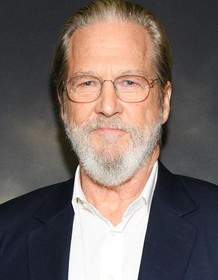
Jack Forrester (Jeff Bridges)
Played by Jeff Bridges
San Francisco socialite and Page Forrester’s husband. His polished charm hides a calculating, potentially manipulative nature that fuels suspicion. As the case unfolds, he becomes central to the puzzle, challenging Barnes’s assumptions and ethics.
- 💎 Socialite
- 🕴️ Manipulator
-

Thomas Krasny (Peter Coyote)
Played by Peter Coyote
The district attorney whose aggressive prosecutorial style and history of suppression push Barnes toward ethical scrutiny. He uses pressure and strategically released evidence to influence the jury, illustrating the darker side of political power in a courtroom.
- ⚖️ Prosecutor
- 🗡️ Pressure
-
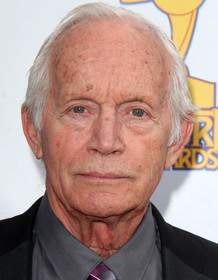
Sam Ransom (Lance Henriksen)
Played by Lance Henriksen
A private detective with a shadowy past who previously worked for Krasny. He provides insider knowledge and cautions Barnes against taking appearances at face value, serving as a counterpoint to the DA’s tactics.
- 🕵️ Detective
- 🧠 Skeptical
- JJ
Julie Jensen
A witness whose testimony mirrors aspects of Page Forrester’s assault and contributes a crucial link to the suspect’s alibi. She adds tension to the investigation, testing Barnes’s resolve to pursue the truth over intimidation.
- 👩 Witness
- 🔎 Corroboration
Where and When Is Jagged Edge Set?
Jagged Edge is set in San Francisco and Santa Cruz (1984). Here is why the time and place matter to the story.
When
1984
The events unfold in the mid-1980s, with the central timeline culminating in a 1984 trial. The narrative traces an approximately 18-month arc from the murder to the courtroom confrontation. References to a 1942 Corona typewriter hint at older, buried threads influencing the modern investigation.
Where
San Francisco, Santa Cruz
Set primarily around a beachside house in the San Francisco area, the coastal milieu anchors the crime and courtroom drama. The city’s upscale neighborhoods, harbor views, and iconic venues provide a backdrop for wealth, power, and suspicion. A clue later points to Santa Cruz, signaling that the case extends beyond a single coastline.
- 🏖️ Beachside setting
- 🌁 Urban coastline
- 🏙️ California coast
What Are the Themes of Jagged Edge?
3 ideas the story keeps returning to, among them Justice, Manipulation and Trust.
-
01
Justice
The film questions what true justice looks like when the case rests on circumstantial evidence. Teddy Barnes fights to surface hidden facts and challenge the prosecutorial maneuvering that could sway the verdict. The courtroom becomes a battleground where credibility, motive, and material proof determine innocence or guilt. The story argues that justice requires diligence beyond surface appearances.
-
02
Manipulation
Power players manipulate narratives to protect reputations and win cases. Personal relationships become tools for crafting alibis and diverting investigators. Barnes wrestles with professional duty versus emotional entanglement with Forrester. The plot demonstrates how deception can permeate both the crime and its investigation.
-
03
Trust
Trust is repeatedly tested as alliances shift under pressure. Barnes’s professional judgment clashes with her personal feelings, complicating her defense strategy. Anonymous notes and a hidden typewriter push trust to the breaking point. The ending reveals how trust can be both a shield and a weapon.
What Kind of Film Is Jagged Edge?
Tense in tone, with steady pacing and a moderate story, going by the plot summary.
- Tone
- Tense
- Pacing
- Steady
- Story
- Moderate
- Intensity
- High
- Ending
- Bittersweet
A tense and suspenseful legal thriller that builds an atmosphere of paranoia and deception as a lawyer uncovers the shocking truth about her charismatic client, culminating in a violent confrontation.
- tense
- suspenseful
- anxious
- paranoid
- deceptive
- unsettling
- legal thriller
- crime investigation
- deceit and betrayal
- murder mystery
Content notes: murder, sexual assault implication, suicide reference.