What Is Into the Inferno About?
The premise of Into the Inferno in 317 words, with nothing given away. The full story follows below.
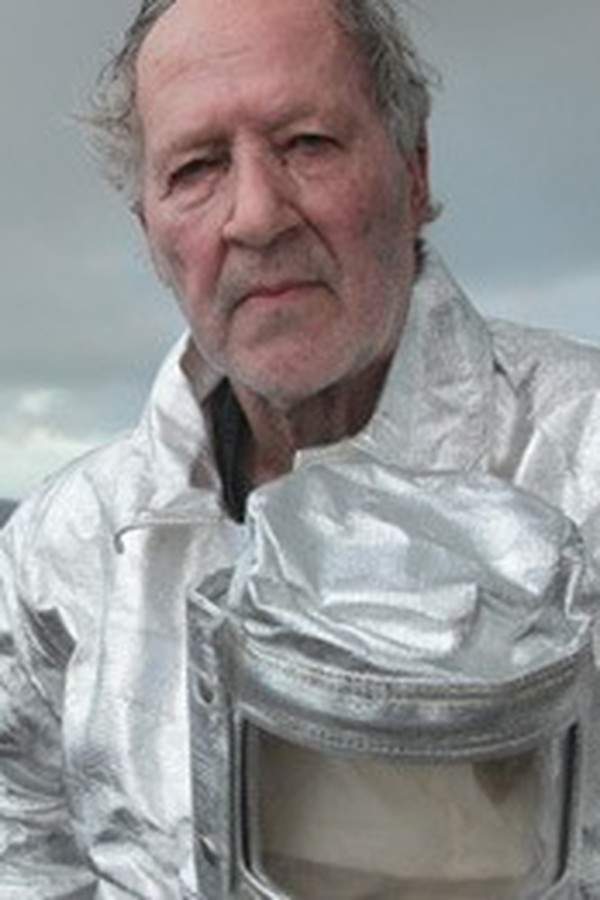
In a world where fire erupts from the earth itself, two explorers set out to trace the line where human belief meets molten rock. Werner Herzog, the legendary filmmaker with a penchant for probing the sublime, joins forces with volcanologist Clive Oppenheimer, whose scientific curiosity is matched only by his reverence for the planet’s most volatile forces. Together they embark on a globe‑spanning pilgrimage, moving from the mist‑shrouded peaks of Indonesia to the stark, wind‑battered plains of Ethiopia, and from the icy crust of Iceland to the enigmatic heights of North Korea’s sacred mountain.
The documentary unfolds as a series of vivid tableaux, each location a character in its own right. Vast calderas, smoking vents, and luminous lava lakes create a backdrop that is simultaneously beautiful and terrifying, inviting viewers to feel the pulse of a landscape that has shaped civilizations for millennia. The camera lingers on remote villages, austere laboratories, and solitary researchers, suggesting a quiet dialogue between the people who live in the shadows of these giants and the ancient forces they worship, fear, or simply try to understand.
At its core, the film is a meditation on humanity’s place within an indifferent universe. Herzog brings his poetic, often philosophical narration, asking questions about origin, destiny, and the fragile myths that bind societies to the ground beneath them. Oppenheimer supplies the grounding science, explaining how volcanoes forge new land even as they threaten to erase the old. Their contrasting yet complementary perspectives create a tension that drives the narrative forward, turning each volcanic encounter into a reflective pause on life’s impermanence.
The tone remains reverent and inquisitive, never sensationalist, allowing the stark beauty of erupting earth to speak for itself. As the journey progresses, the audience senses an ever‑deepening curiosity: what do these fiery behemoths reveal about the human spirit, and how might our stories evolve when faced with the raw power of the planet?
What Happens in Into the Inferno?
The complete story of Into the Inferno, from the first scene to the last, in 748 words (about 3 minutes). Spoilers throughout. Names in the text link to 1 cast member page.
Spoilers ahead
An intriguing journey through the world’s active volcanoes unfolds in this documentary, focusing on notable sites in Indonesia (Mount Sinabung), Iceland, North Korea, and Ethiopia (Erta Ale). Director Werner Herzog embarks on a captivating exploration alongside renowned volcanologist and co-director Clive Oppenheimer, who is dedicated to understanding and mitigating the dangerous effects of these natural phenomena. Herzog aims to reveal an image of our origins and deeply analyze humanity’s connection to nature, remarking that “there is no single one that is not connected to a belief system.”
In the Vanuatu Archipelago on Ambrym Island, located a thousand miles from Northern Australia, active volcanoes shape the landscape. These islands bear heavy tolls from both tropical storms and volcanic eruptions. Within the village of Endu, chief Mael Moses leads a community that believes spirits vigilantly maintain the volcanoes’ fires. Drawing from the past, the villagers recall the last significant eruption in 1968 and how spirits differentiate between locals and tourists, prompting a three-year ban on visitors in the wake of destruction. In their lore, the lava stands as a manifestation of the devil’s wrath, and it is believed that those who perish return to the volcano. However, the villagers’ age-old rituals risk disappearing in the modern world.
Herzog’s travels take him to the majestic Mount Erebus, towering at 12,500 feet above sea level—an active volcano located in Antarctica. It was here over a decade ago that Herzog first encountered Oppenheimer. Together, they delve into the profound philosophical implications behind humanity’s fascination with volcanoes, recognizing them as both creators of life and reminders that nothing lasts forever.
The narrative also recalls Herzog’s visit to La Soufrière on the Caribbean island of Guadeloupe in 1976, where the looming threat of an eruption led to the evacuation of 70,000 residents. Astray from danger, one man famously declined to leave his home, opting instead to fall asleep singing while the volcano erupted around him.
Katia and Maurice Kraft, a devoted French couple, dedicated their lives to studying volcanic activity, often perilously close to eruptions. Tragically, they lost their lives to a lava flow in Japan, as super-heated gases rushed forth at incredible speeds, reaching temperatures of 800 degrees Fahrenheit.
The documentary also reveals the astonishing diverse landscape of Lake Toba in Indonesia, recognized as the world’s largest volcanic lake, formed from an eruption approximately 74,000 years ago. It released an astounding 15,000 cubic kilometers of ash and pumice, marking the most substantial eruption in Earth’s recorded history. This cataclysmic event temporarily darkened the skies worldwide and nearly eradicated human existence, with just around 600 individuals managing to survive.
Further, Herzog’s expedition brings him to the Danakil Depression in Ethiopia—famous for being the hottest place on Earth and lying 300 meters below sea level. Here, scientists trace rift valleys that will eventually separate portions of Africa and give birth to new volcanoes. Erta Ale stands out as one of only three volcanoes in the world with exposed magma, drawing both fascination and study from archaeologists, who unearth evidence of early hominids believed to date back 100,000 years. Using innovative technology, the research team meticulously locates and excavates significant skeletal remains, working tirelessly to unravel historical mysteries.
In Iceland, the significance of volcanoes is evident in the societal psyche, where every burst brings reminders of the forces of nature woven into Scandinavian life. After erupting in 1973 in Heimaey and again in 2010 with Eyjafjallajökull, Icelandic inhabitants recount the challenges faced during ash-related travel disruptions while acknowledging their past. The people have for centuries chronicled their experiences, epitomized in a manuscript presented to a Danish king, emphasizing their reverence for volcanic activity.
Mt. Paektu in North Korea, dormant for a millennium, holds a rich history. The mountain serves not only as a symbol of national pride, used in ceremonies for army recruits, but also as a site of propaganda manipulation by the regime. Its last eruption occurred 1,100 years ago, releasing enough pumice to shroud New York City. The crew observes parades and stark societal conditions where government propaganda reigns, devoid of outside communication.
Lastly, Tanna Island’s Mount Tasur displays an exceptional local belief system where the volcano is venerated as a deity, John Frum, believed to connect with North America through its fiery portal. The village, with its factions of faith, represents a unique cultural fusion, showing how deeply embedded volcanoes are in the lives of the locals, prompting them to worship these formidable forces of nature while foreseeing apocalyptic futures shaped by their fury.
Into the Inferno Timeline: Every Key Event in Order
12 key events in the order they happen, from “Exploring Indonesia's Volcanoes” to “Tanna Island's Deity of Fire”. 12 events name a place, across 11 locations.
- 1
Exploring Indonesia's Volcanoes
The documentary begins in Indonesia, highlighting the active volcano of Mount Sinabung. Director Werner Herzog, alongside volcanologist Clive Oppenheimer, investigates the impacts of volcanic activity on the surrounding communities and their beliefs.
Where:Indonesia
- 2
Ambrym Island's Spiritual Volcanoes
Herzog travels to the Vanuatu Archipelago on Ambrym Island, where volcanoes dominate the landscape. The local chief, Mael Moses, shares stories of the village's connection to the spirits believed to maintain the volcanoes' fires and recollects the last significant eruption in 1968.
Where:Ambrym Island, Vanuatu
- 3
Volcanic Eruptions and Lore
The villagers of Endu recall their history with volcanic eruptions, emphasizing their belief that lava signifies the devil's wrath. These beliefs lead to a three-year ban on visitors after devastation, showcasing an age-old connection with nature that faces modern threats.
Where:Endu, Vanuatu
- 4
Mount Erebus in Antarctica
Herzog and Oppenheimer's journey brings them to Mount Erebus in Antarctica, a significant focal point for their philosophical discussions. They explore the dual nature of volcanoes as both creators of life and harbingers of destruction, reflecting on humanity's fascination with them.
Where:Mount Erebus, Antarctica
- 5
The 1976 Guadeloupe Eruption
The documentary recalls Herzog's visit to La Soufrière in Guadeloupe in 1976, where the threat of an eruption prompted the evacuation of 70,000 residents. Notably, one man chose to remain behind, symbolizing the human struggle between fear and attachment to home amidst danger.
When:1976 Where:Guadeloupe
- 6
The Krafts' Volcanic Passion
Katia and Maurice Kraft, a French couple, dedicated their lives to studying volcanoes and tragically lost their lives to a lava flow in Japan. Their story exemplifies the perils faced by those who seek to understand and document the violent nature of eruptions.
Where:Japan
- 7
The Birth of Lake Toba
Lake Toba, the world's largest volcanic lake, is highlighted as a product of an eruption approximately 74,000 years ago. This monumental eruption resulted in significant ash dispersal, leading to a near-extinction event for humanity, with only a few survivors remaining.
Where:Indonesia
- 8
Danakil Depression's Geological Wonders
Herzog journeys to the Danakil Depression in Ethiopia, noted for being the hottest place on Earth. Here, scientists study rift valleys that will create new volcanoes, showcasing the ongoing geological transformation of the Earth.
Where:Danakil Depression, Ethiopia
- 9
Erta Ale's Exposed Magma
Erta Ale is introduced as one of only three volcanoes globally with exposed magma, garnering interest from researchers. Excavations in this area provide insights into early hominids, illuminating humanity’s ancient connections to volcanic landscapes.
Where:Erta Ale, Ethiopia
- 10
Iceland's Volcanic Culture
In Iceland, volcanoes have significantly impacted society and culture, with past eruptions shaping local traditions. The documentary reflects on the challenges faced during eruptions, such as the 2010 Eyjafjallajökull event, emphasizing the Icelanders' rich history with these natural phenomena.
When:2010 Where:Iceland
- 11
The Significance of Mt. Paektu
Mt. Paektu in North Korea is presented as a dormant volcano steeped in national pride and propaganda. The crew observes how the regime utilizes its historical significance while highlighting the social conditions of the surrounding area, deeply impacted by government control.
Where:North Korea
- 12
Tanna Island's Deity of Fire
The documentary concludes on Tanna Island, where Mount Tasur is revered as a deity named John Frum. This local belief system reflects the deep spiritual connection between the villagers and the volcano, showcasing their cultural identity intertwined with the forces of nature.
Where:Tanna Island
Who Are the Main Characters in Into the Inferno?
2 characters, among them Clive Oppenheimer and Mael Moses: who each one is and the part they play in the story.
- CO
Clive Oppenheimer
Clive Oppenheimer is a passionate volcanologist and co-director of the documentary, known for his commitment to understanding volcanoes’ impacts and origins. His interactions with local communities and scientific contributions reveal his deep respect for both the natural world and its cultural connections. He navigates the complexities of natural phenomena while seeking to mitigate their dangers.
- 🧪 Science
- 🌋 Volcanoes
- 🌍 Exploration
- MM
Mael Moses
Chief Mael Moses leads the community of Endu on Ambrym Island, where the local beliefs about volcanoes shape their lives. His role reflects a blend of leadership and cultural preservation, as he navigates the challenges of modernity threatening traditional rituals and beliefs regarding the volcanoes. Moses embodies the gap between ancient lore and contemporary existence.
- 🏞️ Leadership
- 🌋 Cultural Beliefs
- 🌌 Spirituality
Where and When Is Into the Inferno Set?
Into the Inferno is set in Indonesia, Iceland, North Korea, Ethiopia, Vanuatu Archipelago, Antarctica… (Various, including 1976 for Guadeloupe eruption and…). Here is why the time and place matter to the story.
When
Various, including 1976 for Guadeloupe eruption and historical events spanning thousands of years
The film reflects on various significant events in history, such as the devastating eruption in Guadeloupe in 1976, alongside the lore of Ambrym Island's last significant eruption in 1968. It acknowledges the long-standing relationship between humanity and volcanic activity, tracing back to the world’s largest volcanic lake formed 74,000 years ago, while contextualizing these events in modern societal implications.
Where
Indonesia, Iceland, North Korea, Ethiopia, Vanuatu Archipelago, Antarctica, Guadeloupe, Lake Toba, Danakil Depression, Heimaey, Eyjafjallajökull, Mt. Paektu, Tanna Island, Mount Tasur
The documentary traverses diverse and captivating locations, each shaped by volcanic activity. From the active volcanoes of Indonesia and the majestic vistas of Iceland to the unique cultural practices of Tanna Island, these places highlight humanity's deep connection with nature. The extreme environments, such as the Danakil Depression in Ethiopia and the icy heights of Mount Erebus in Antarctica, also reveal the delicate balance of life amid geological forces.
- 🌍 Locations
- 🌋 Volcanoes
- 🌄 Landscapes
What Are the Themes of Into the Inferno?
3 ideas the story keeps returning to, among them Nature's Fury, Cultural Beliefs and Scientific Exploration.
-
01
Nature's Fury
The themes of nature's power and volatile beauty are woven throughout the documentary. Herzog illustrates how volcanoes serve as both creators and destroyers, reflecting humanity's vulnerability. The reverence and fear of these natural phenomena unite different cultures, showcasing a deep, intrinsic connection and belief systems surrounding volcanoes.
-
02
Cultural Beliefs
Throughout the narrative, cultural beliefs surrounding volcanoes are highlighted, particularly in the Vanuatu Archipelago and Tanna Island. The portrayal of these beliefs underscores how communities personify and ritualize their understanding of volcanic activity, suggesting a fusion of spirituality and respect for the natural world.
-
03
Scientific Exploration
The documentary emphasizes the importance of scientific research in understanding volcanic activity and its ramifications. Clive Oppenheimer's dedication to studying volcanoes epitomizes humanity's quest for knowledge, as researchers excavate ancient sites to uncover the relationship between early hominids and these geological giants.
What Kind of Film Is Into the Inferno?
Neutral in tone, with steady pacing and a straightforward story, going by the plot summary.
- Tone
- Neutral
- Pacing
- Steady
- Story
- Straightforward
- Intensity
- Medium
A steadily paced, visually stunning documentary that inspires awe and contemplation as it explores humanity's complex relationship with volcanoes across diverse global cultures.
- awe-inspiring
- contemplative
- dangerous
- fascinating
- melancholic
- philosophical
- humanity and nature
- volcanic activity
- documentary
- cultural belief systems
Content notes: volcanic disaster, death of researchers.
Quiz
How well do you remember Into the Inferno? Test yourself on the story.