What Is Innocents in Paris About?
The premise of Innocents in Paris in 315 words, with nothing given away. The full story follows below.
Set against the backdrop of early 1950s travel restrictions, a group of Britons embarks on a weekend getaway to Paris, leaving the gray skies of London behind for the allure of the continent. The trip serves as a tapestry of human stories, capturing the mores and manners of post-war life as travelers navigate the era’s strict financial constraints—limited to just £25 in exports—and the cultural novelties of a foreign city. From the bustle of the airport to the streets of the French capital, the film sets the stage for a gentle, observational exploration of how a society renowned for its reserve behaves when given a brief window of freedom.
Among the eclectic mix of passengers is an English diplomat, Alastair Sim, whose working trip to strike an agreement with a Russian counterpart provides a formal counterpoint to the leisure-seeking tourists. In contrast, a Royal Marine bandsman, Ronald Shiner, arrives with a pocketful of winnings and a thirst for adventure, ready to infuse the weekend with roguish energy. Elsewhere, a young woman, Claire Bloom, finds herself drawn into the romantic possibilities of the city, while an amateur artist, Margaret Rutherford, wanders the Left Bank and the Louvre in pursuit of creative inspiration, painting a picture of a city viewed through fresh, curious eyes.
The journey weaves together diverse threads of British life, from a hearty Englishman, Jimmy Edwards, who seeks the comfort of a familiar pub atmosphere abroad, to a kilted Scotsman and veteran, James Copeland, whose encounter with a local woman highlights the potential for cross-cultural connection. As these individuals navigate language barriers, currency limits, and new surroundings, the film offers a charming mosaic of humor, romance, and reflection. Paris becomes more than just a destination; it acts as a mirror for the travelers’ hopes and habits, setting the scene for a weekend where every interaction offers a glimpse into a world slowly opening up.
What Happens in Innocents in Paris?
The complete story of Innocents in Paris, from the first scene to the last, in 622 words (about 3 minutes). Spoilers throughout. Names in the text link to 9 cast member pages.
Spoilers ahead
A weekend in Paris unfolds for a group of Britons leaving The London Airport on a British European Airways Airspeed Ambassador in 1953. At the center of the getaway is an English diplomat, Alastair Sim, who travels on a working trip to strike an agreement with his Russian counterpart, Peter Illing. The trip becomes a tapestry of small, human stories that sketch the mores and manners of early post-war life.
One thread follows a Royal Marine bandsman, Ronald Shiner, who wins a pool of French currency held by the Marines in his band and then spends a wild night exploring Paris. His escapades add a lively, roguish energy to the weekend, contrasting with the more formal duties that frame the diplomat’s mission. In another corner of the trip, a young woman, Claire Bloom, meets and begins to fall for an older Frenchman, Claude Dauphin, who offers to show her the city on his own terms, sharing his perspective on Paris and its charms.
Meanwhile, an amateur artist, Margaret Rutherford, roams the Left Bank and the Louvre in search of fellow painters and creative sparks, capturing scenes and scenes of people in paint-ready moments. Far from the galleries, a hearty Englishman, Jimmy Edwards, spends the weekend in a quintessential English-style pub, where conversations drift between memories of home and the new experiences gathered abroad. And among the veterans, a Battle of Normandy survivor, James Copeland, embodies the archetype of a Scotsman in a kilt and a Tam o’ Shanter; he unexpectedly finds love with a young French woman, Monique Gérard, whose warmth and spirit illuminate the weekend’s cross-cultural possibilities.
The film gently peels back the social fabric of the era, showing how Britons cope with the era’s strict travel rules—namely the limit of only £25 allowed to be taken out of the country, broken down into £5 in cash plus traveler’s checks—and how those constraints shape plans, splurges, and shared moments among friends and strangers alike. In its lighter moments, Paris becomes a stage for quick-witted humor, budding romance, and the small adventures that color a lives lived in transit, even as the group navigates currency limits, etiquette, and cultural misunderstandings with patience and good humor.
Interwoven with these human threads is a peek into a particular kind of nightlife of the period: a Russian nightclub in Paris, presenting a different rhythm and mood from the day’s travel. A Russian chanteuse sings a version of a song that would later become widely known in another country, adding a subtle musical crossfade to the weekend’s pictures of culture, language, and cross-border exchange. Though the performers and specifics of this scene aren’t all named on screen, the presence of this club scene underscores how the trip stitches together British and French worlds in a shared, if sometimes tentative, celebration of togetherness.
As the weekend unfolds, the film threads together these individual stories into a broader portrait: Britons abroad, behaving with charm and a touch of mischief, while seeking connection, laughter, and meaning in a city that invites both romance and reflection. The characters’ paths cross in moments of humor and tenderness, offering a snapshot of early-1950s attitudes—of politeness, reserve, curiosity, and the occasional reckless impulse—that together paint a mosaic of a jubilant yet careful era.
In the end, the movie preserves a gentle, observational humor about manners, class, and desire, presenting a mosaic of small journeys that remind viewers that vacations can be as revealing as they are relaxing. The weekend in Paris—with its wind-caught conversations, its artful wandering, and its quiet, hopeful connections—becomes a microcosm of postwar Britain and its evolving relationship with the wider world, all set against the everyday rhythms of travel, love, and the simple joy of discovering a city anew.
Innocents in Paris Timeline: Every Key Event in Order
12 key events in the order they happen, from “Flight to Paris for a weekend” to “Weekend ends and departure back to England”. 11 events name a place, across 6 locations.
- 1
Flight to Paris for a weekend
A group of Britons boards a BEA Airspeed Ambassador at London Airport, heading for a weekend in Paris. The journey captures the era’s brisk, optimistic air travel and the sense of liberation that comes with leisure travel after the war. The travelers look forward to romance, art, and a break from routine.
When:1953 Where:London Airport
- 2
Arrival in Paris for the weekend
The Britons arrive in Paris and begin to sample the city’s charms for a carefree weekend. They wander through cafés, galleries, and the riverbanks, letting Paris set the tone for romance and culture. The contrast with their British background becomes part of the weekend’s entertainment.
When:1953 Where:Paris
- 3
Sim’s diplomatic mission begins
English diplomat Sim arrives in Paris on a working trip and begins talks with his Russian counterpart Illing. The goal is to secure a diplomatic agreement, even as personal and social distractions pull at his attention. The tension between official duties and leisure threads through his scenes.
When:1953 Where:Paris
- 4
Shiner’s night out and the currency pool
Royal Marine bandsman Shiner wins a pool of the French currency held by all the Marines in his band and embarks on a night out in Paris. His escapade offers a lively, sometimes reckless counterpoint to the weekend’s more romantic or artistic adventures. The trip’s mood shifts with his bold pursuit of fun.
When:Evening Where:Paris
- 5
Bloom’s romance and tour of Paris
Bloom, a young woman, finds romance with an older Frenchman named Dauphin who gives her a tour of Paris. They share moments across the city’s landmarks, from intimate cafés to sweeping views of the Seine. The romance serves as a warm counterpoint to the weekend’s other social vignettes.
When:1953 Where:Paris
- 6
Rutherford seeks fellow painters on Left Bank and in the Louvre
Amateur artist Rutherford roams the Left Bank and the Louvre in pursuit of fellow painters and artistic inspiration. He engages with locals, sketches scenes, and absorbs the postwar Parisian arts scene. His quest adds a cultural thread to the group’s adventures.
When:1953 Where:Left Bank and Louvre, Paris
- 7
Edwards keeps watch in an English-style Paris pub
Hearty Englishman Edwards spends the weekend inside an English-style Parisian pub, providing a home-away-from-home atmosphere. The pub scenes reveal camaraderie, humor, and familiar rituals far from Britain’s shores. His story offers a steadying, jocular counterpoint to the more romantic plots.
When:Weekend Where:Paris (English-style pub)
- 8
Copeland finds love with a young French woman Gérard
Battle of Normandy veteran Copeland, a Scotsman in kilt and Tam o’ Shanter, encounters a young French woman named Gérard and they begin a tender romance. Their encounter adds warmth and cross-cultural exchange to the weekend narrative. The romance contrasts with the era’s formal deportments and expectations.
When:1953 Where:Paris
- 9
Currency restrictions loom over the weekend
The film highlights that Britons could take only £25 out of the country, prompting inventive solutions to finance their weekend in Paris. Scenes show travellers using travellers’ cheques, pooling funds, and carefully managing cash. The money design underscores postwar austerity amid leisure.
When:1953 Where:Paris
- 10
Russian nightclub scene with Ludmila Lopato
A Russian nightclub in Paris features Ludmila Lopato singing the original Russian version of Those Were the Days. The club scene injects a touch of exotic culture and music into the itinerary of cosmopolitan weekends. It stands out as a memorable cultural moment in the film.
When:Evening Where:Paris (Russian nightclub)
- 11
The song’s legacy: Those Were the Days
The Russian version of Those Were the Days performed in the nightclub is noted to later become a hit for Mary Hopkin, connecting the film to broader postwar pop culture. The moment echoes across generations and adds a retrospective glow to the Paris scenes. The song’s fame amplifies the memory of this era.
When:1960s
- 12
Weekend ends and departure back to England
As the weekend closes, the Britons prepare to return to London aboard the BEA Airspeed Ambassador, carrying memories of romance, art, and their Parisian encounters. There are tender farewells and a sense that these moments will linger long after they land. The trip ends where it began—in part a gentle re-entry to routine life.
When:End of weekend 1953 Where:London
Who Are the Main Characters in Innocents in Paris?
9 characters, among them Sir Norman Barker (Alastair Sim), Panitov (Peter Illing) and Susan Robbins (Claire Bloom): who each one is and the part they play in the story. Every profile links to the actor’s page.
- SN
Sir Norman Barker (Alastair Sim)
Played by Alastair Sim
An English diplomat on a working trip to secure an agreement with his Russian counterpart, Barker combines formal courtesy with dry wit. He navigates postwar diplomacy while stepping into the more carefree social atmosphere of Paris. His professional focus contrasts with the weekend's lighter diversions.
- 🧭 Diplomat
- 🏛️ Politics
- P(
Panitov (Peter Illing)
Played by Peter Illing
The Russian counterpart Barker aims to engage with, Panitov embodies the formal negotiating counterpart in a lighthearted, cross-cultural setting. He maintains a reserved demeanor while participating in the social escapades of the weekend. His interactions reveal the film’s blend of diplomacy and warmth.
- 🧭 Diplomat
- 🗝️ Cold War
-

Susan Robbins (Claire Bloom)
Played by Claire Bloom
A young woman who finds romance with Max de Lorne during the Paris weekend. Susan is curious, open to new experiences, and drawn to the romance and charm of the city. Her journey reflects themes of personal growth through love.
- 💖 Romance
- 🗼 Paris
- MD
Max de Lorne (Claude Dauphin)
Played by Claude Dauphin
An older Frenchman who acts as a tour guide for Paris, offering intimacy with the city’s beauty and history. His confident, worldly demeanor introduces Susan to Paris’s pleasures and cultural layers. He embodies the charm and allure of the French capital.
- 🎩 French charm
- 🗺️ Tour guide
-
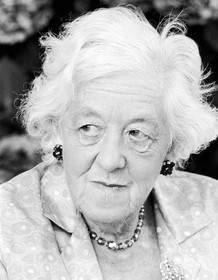
Gwladys Inglott (Margaret Rutherford)
Played by Margaret Rutherford
An amateur painter in search of fellow artists on the Left Bank and in the Louvre. She embodies artistic curiosity and social warmth, driving scenes that celebrate art and creative camaraderie. Her presence highlights the film’s lighter, culture-rich tone.
- 🎨 Artist
- 🗺️ Left Bank
- AM
Andy MacGregor (James Copeland)
Played by James Copeland
A Battle of Normandy veteran, portrayed as an archetypal Scotsman in kilt and Tam o' Shanter, who finds love with a young French woman. His rugged warmth and humor contrast with the more formal diplomatic plots. He represents resilience and renewed romance.
- 🏴 Scotland
- 🕊️ Veteran
- R(
Raymonde (Monique Gérard)
Played by Monique Gérard
A young French woman who shares a romance with Andy MacGregor. She embodies Parisian charm and modern youth, adding a contemporary counterpoint to the weekend’s British travelers. Her romance and presence contribute to the film’s breezy tone.
- 💃 Parisian
- 💕 Romance
- DB
Dicky Bird (Ronald Shiner)
Played by Ronald Shiner
A hearty Englishman and Royal Marine bandsman who spends the entire weekend in an English-style pub. His camaraderie and humorous interactions highlight the group’s lighthearted escapades. He provides comic relief and a sense of home away from home.
- 🍺 Pub life
- 🗺️ Weekend
- C(
Célestin (Louis de Funès)
Played by Louis de Funès
A taxi driver who ferries the travelers through Paris, adding city energy and practical humor to the weekend adventures. His role as a courteous guide mirrors the film’s playful travelogue tone. He helps connect the various storylines with everyday Paris.
- 🚕 Taxi driver
- 🧭 Guide
Where and When Is Innocents in Paris Set?
Innocents in Paris is set in London Airport and Paris (1953). Here is why the time and place matter to the story.
When
1953
The events occur in the early 1950s, a period when Britain and France were rebuilding after World War II. The film juxtaposes postwar social mores with a quietly permissive holiday atmosphere, including currency controls that shaped how travelers carried money. Paris is depicted as a cosmopolitan playground where romance and culture collide during a single weekend.
Where
London Airport, Paris
A group of Britons depart from The London Airport for a weekend in Paris in 1953 aboard a BEA Airspeed Ambassador. The Paris portion unfolds across iconic locations such as the Left Bank and the Louvre, with scenes set around a bustling urban backdrop and a Russian nightclub. The London departure hub and the Parisian setting frame a vacation that doubles as a social tableau of postwar manners.
- ✈️ Travel
- 🗼 City
- 🎭 Romance
What Are the Themes of Innocents in Paris?
4 ideas the story keeps returning to, among them Romance, Mores & Currency and Paris as Playground.
-
01
Romance
Romance threads through a weekend in Paris, pairing a young woman with an older Frenchman and a Battle of Normandy veteran with a French partner. The film uses light comedy to explore cross-cultural attraction and the healing power of flirtation and companionship after wartime disruption. Relationships unfold against a backdrop of social propriety and holiday spontaneity.
-
02
Mores & Currency
Britons' mores and the era's currency restrictions shape conversations and comic situations as travelers manage limited cash for an independent weekend. The film satirizes while portraying the social etiquette expected on foreign trips. These constraints become a catalyst for improvisation and shared adventures.
-
03
Paris as Playground
Paris is presented as a cosmopolitan playground where art, nightlife, and casual flirtations intersect. Scenes feature the Left Bank artistic milieu and a tour of the Louvre, highlighting the city’s cultural allure. The weekend becomes a microcosm of postwar European leisure and discovery.
-
04
Nightlife & Music
The film showcases nightlife, including a Russian nightclub and a chanteuse performing a version of Those Were the Days. Music acts as a bridge between cultures and a catalyst for flirtation and entertainment. The nightclub backdrop adds a sense of exotic novelty to the Paris visit.
What Kind of Film Is Innocents in Paris?
Whimsical in tone, with steady pacing and a straightforward story, going by the plot summary.
- Tone
- Whimsical
- Pacing
- Steady
- Story
- Straightforward
- Intensity
- Low
- Ending
- Happy
A charming and lighthearted romantic comedy that feels like a cheerful tour through 1950s Paris, blending whimsical encounters with a gentle sense of adventure.
- whimsical
- romantic
- nostalgic
- lighthearted
- upbeat
- touristy
- travel abroad
- romantic encounters
- cultural clash
- artistic pursuit
Quiz
How well do you remember Innocents in Paris? Test yourself on the story.