
If You Were Young: Rage 1970

Directed by
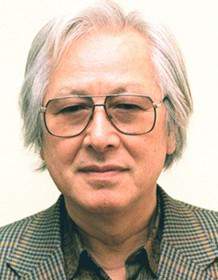
Kinji Fukasaku
Made by

Bungakuza
If You Were Young: Rage Plot Summary
Read the complete plot summary and ending explained for If You Were Young: Rage (1970). From turning points to emotional moments, uncover what really happened and why it matters.
After years of low pay in factories, Asao Suzuki and his long-time friend Kikuo Higuchi pool their earnings to buy their own dump truck, which they proudly nickname Independence No. 1. They pay monthly installments on it from the profits of their growing transportation work, savoring a hard-won sense of autonomy. As they ride this brief wave of happiness, they often reflect on their old friends Kiyoshi Yabe, Ichiro, and Ryuji Kitano, who once shared the same dormitory and rough dreams.
Years earlier, after the factory closes, the five men crowd into the dorm until the factory and the building are auctioned off and they are suddenly forced out. That night, Ryuji makes his boxing debut while his friends run afoul of hecklers and end up getting arrested. Ryuji fights with the police to stay close to his friends, and in the same night they hatch a plan to pool their money for the next year to buy their own dump truck. When they are released, they throw themselves into their work and begin to save every paycheck, building toward something they can call their own.
In the present, Kiyoshi’s mother and sister visit him in prison after he falls behind on payments for the truck and is caught trying to steal from a warehouse. Asao recalls a time when he was robbed of his earnings, and Kiyoshi prevented him from taking a knife to seek revenge. Ichiro has fathered a child multiple times and must borrow money from Asao and Kikuo after already taking back the funds he was supposed to contribute to the truck. Ryuji is tragically killed by the police for interfering with their assault on striking workers. His sister tells Asao and Kikuo to hold onto his money for the truck and gives them a rear-view mirror decoration shaped like boxing gloves Ryuji had bought for them, a keepsake that underscores their shared past.
After ten days of rain, Asao and Kikuo are desperate for work to meet the installment, so they take a gravel-transport job from their boss, a move that angers the striking workers at their company. The strain peaks when Asao scrapes the truck against a rock wall, a clash that quickly spirals into a fight between the two men. He apologizes, then goes out drinking at Ryuji’s sister’s bar and ends up sleeping with her. The tension at the site worsens when the striking workers spray-paint the truck with the label Strikebreaker No. 1, forcing the friends to scrub their vehicle clean.
Kiyoshi escapes from prison and hides out with Asao to recover from a gunshot wound he sustained during the escape. When Yukiko finds him, he pulls a knife and demands the keys to the truck from Asao, but he drops the weapon when Asao says that Kiyoshi would have to kill him first. Kiyoshi acknowledges that the real reason he never became a fisherman was a fear of the sea, and he wonders if a new start might be possible if he sees it again. Kikuo threatens to inform the police, but Asao knocks him aside and carries Kiyoshi away in the truck, colliding with Kikuo in the process.
The night drives on toward the coast, and Kiyoshi dies just as they reach the sea. The truck goes over a cliff and crashes onto the beach, Kiyoshi burning in the wreckage while Asao climbs free. He is arrested and ends up back in prison. At the wreckage site, Kikuo and Yukiko reconnect, and Kikuo finds the boxing-glove decoration, a sign that he, too, can decide to start anew and reshape his life.
If You Were Young: Rage Timeline
Follow the complete movie timeline of If You Were Young: Rage (1970) with every major event in chronological order. Great for understanding complex plots and story progression.
Factory closure and eviction
The factory shuts down, leaving the five friends without steady work. They retreat to the men's dorm until both the dorm and the factory are auctioned off, forcing them onto the street. The loss plants the seed for a new plan to change their lives.
Ryuji's boxing debut and arrest
Ryuji fights in his boxing debut while the others face hecklers and are arrested. He fights the police to get placed in the same cell as his friends for the night. In that cell, they hatch the plan to pool their money for a truck.
Plan to pool money for Independence No. 1
After their release, the friends commit to saving every paycheck and pooling money for the next year to buy their own dump truck, Independence No. 1. They dedicate themselves to their jobs and avoid unnecessary expenses, hoping for a freer life. The plan anchors their shared ambition.
Kiyoshi's prison visit
In the present, Kiyoshi's mother and sister visit him in prison after he falls behind on truck payments and is caught trying to steal from a warehouse. The visit underscores the family pressures tied to the truck's fate. It also reveals the ongoing hardship surrounding their pursuit of independence.
Asao's memory of a robbery and Kiyoshi's restraint
Asao recalls a mugging where he would have killed the muggers, but Kiyoshi intervened and prevented him from taking revenge with a knife. The memory shapes Asao's sense of loyalty and fear of crossing lines. It foreshadows the bond that binds them to their friends.
Ichiro's burden and loan
Ichiro has fathered a girl multiple times and must borrow money from Asao and Kikuo after already having taken back the money he was supposed to contribute to the truck. His financial troubles strain the group and test their support for one another. They try to keep the truck project afloat despite setbacks.
Ryuji's death during the strike
Ryuji is beaten to death by police during their assault on striking workers. His death marks a brutal turning point that amplifies the costs of their pursuit of independence. The loss compounds the fragility of the five-man plan.
Ryuji's sister's gift and message
Ryuji's sister tells Asao and Kikuo to keep his money for the truck and gives them a rear-view mirror decoration of boxing gloves that Ryuji had bought. The gesture embodies loyalty and a memory that binds the group to their cause. It also foreshadows Kikuo's chance for a new start.
Ten days of rain and desperate work
After ten days of rain, Asao and Kikuo scramble for work and accept a gravel transportation job from their boss. Their decision angers the other workers who are on strike. The pressure of payment pushes them toward riskier actions.
Scrape, fight, and bar encounter
Asao scrapes the truck against a rock wall during the job and a fight breaks out between the friends. He later apologizes and goes to Ryuji's sister's bar, where he sleeps with her. The incident strains the fragile trust among the group.
Strike-painted truck and cleanup
The striking workers spray-paint the friends' truck with 'Strikebreaker No. 1', forcing them to scrub the paint off. The act deepens the conflict between the workers and the truck crew. It also heightens the sense of betrayal among the group.
Kiyoshi escapes and confrontations with Asao
Kiyoshi escapes from prison and hides with Asao to recover from a gunshot wound he sustained during the escape. Yukiko finds him and he demands the keys to the truck from Asao, who refuses, suggesting Kiyoshi would have to kill him. They drive toward the coast, turning their peril toward a fateful showdown.
The sea, death, and the crash
Kiyoshi dies as they reach the sea, after which Asao continues driving and crashes off a cliff into the beach. He climbs out while the wreckage burns and he faces arrest. The journey ends with the loss and a grim fate for both men.
Wreckage and new beginnings
At the wreckage site, Kikuo and Yukiko meet and share the memory of their friends. Kikuo finds the boxing glove decoration and decides to start his life over, seeking a different path after the tragedy.
If You Were Young: Rage Characters
Explore all characters from If You Were Young: Rage (1970). Get detailed profiles with their roles, arcs, and key relationships explained.
Asao Suzuki (Gin Maeda)
A long-time factory worker who spearheads the plan to buy their own truck with his friend. He embodies practical determination and stubborn persistence, yet his choices are repeatedly tested by debt, obligation to friends, and the relentless pressures of their environment. His arc moves from optimism about independence to imprisonment, reflecting the harsh costs of their dreams.
Kikuo Higuchi (Tetsuo Ishidate)
Asao’s long-time friend who helps organize the plan to purchase Independence No. 1. He is loyal and cautious, often acting as a stabilizing influence in the group. His decisions reflect a balance between friendship and personal risk, and he ultimately seeks a fresh start after the wreck.
Ryuji Kitano (Toru Minegishi)
The son of pioneer farmers who embodies courage and a willingness to fight for others. He fights for his friends and stands up to authority, but his bravery ends in tragedy when he is beaten to death by police. His memory anchors the group’s resolve and sense of loss.
Kiyoshi Yabe
A friend from the past whose life intersects with the group’s plans. He escapes from prison, sustains injuries, and reveals a fear of the sea, suggesting desire for a new start despite a troubled history.
Ichiro
A factory worker’s son whose irresponsible behavior includes taking money and causing strain within the group. His actions contribute to the mounting tensions and challenges faced by the friends.
Yukiko
A key female presence connected to the men’s world—she appears in the shadow of the group’s struggles and supports the emotional weight of events, including interactions surrounding the prison escape and wreck.
If You Were Young: Rage Settings
Learn where and when If You Were Young: Rage (1970) takes place. Explore the film’s settings, era, and how they shape the narrative.
Location
Japan, industrial city
Set in a Japanese industrial town, the story centers on a factory, a men's dormitory, and a later rough coastal area where a dump truck route operates. It portrays the daily grind of workers facing layoffs, debt, and the lure of small, risky independence. The landscape shifts from factory floors to the road and, finally, to a seaside wreck, underscoring the limits of their ambitions.
If You Were Young: Rage Themes
Discover the main themes in If You Were Young: Rage (1970). Analyze the deeper meanings, emotional layers, and social commentary behind the film.
🤝
Solidarity
A core driver of the story is the bond among Asao, Kikuo, and their friends as they pool savings to buy their own dump truck. The film highlights how collective effort and mutual support help people navigate precarious labor. Their camaraderie is tested by debt, strikes, and harsh realities, but their willingness to stand together remains a central thread. The eventual unraveling shows both the strength and fragility of solidarity.
🚚
Independence
The dream of owning a truck becomes a symbolic pursuit of autonomy from low-wage work and factory control. Asao and Kikuo commit their earnings to purchase and maintain the vehicle, symbolizing hope and self-reliance. The plan drives much of the narrative, fueling risks and tough decisions. Yet independence is portrayed as fragile, easily compromised by external pressures and misfortune.
⚖️
Conflict
The story pits the workers against factory owners, management, and the broader systemic pressures of labor relations. Strikes, violence, and the label of 'strikebreaker' reflect the harsh consequences of choosing survival over conformity. Police intervention and the brutal consequences of dissent underscore the cost of resistance. The clash between labor and authority drives the tragedy that unfolds.
🕊️
Loss
The pursuit of pride and protection for friends ends in tragedy. Ryuji is beaten to death by the police after intervening in violence, and Kiyoshi dies in a wreck while fleeing consequences. The film closes on the wreckage and the quiet aftermath, emphasizing how ambition and loyalty can lead to irreversible loss. These moments linger as a meditation on the cost of striving for a better life.

Coming soon on iOS and Android
The Plot Explained Mobile App
From blockbusters to hidden gems — dive into movie stories anytime, anywhere. Save your favorites, discover plots faster, and never miss a twist again.
Sign up to be the first to know when we launch. Your email stays private — always.
Explore the mobile appIf You Were Young: Rage Spoiler-Free Summary
Discover the spoiler-free summary of If You Were Young: Rage (1970). Get a concise overview without any spoilers.
In the restless wake of post‑war reconstruction, Japan’s rapid economic surge crackles beneath a veneer of optimism. The streets hum with the clatter of construction, the glow of neon signs, and the quiet desperation of workers who have traded youthful certainty for endless shifts. Against this backdrop, a trio of restless young men—Asao Suzuki, Kikuo Higuchi, and Ryuji Kitano—grapple with the gap between their modest factory wages and a yearning for something they can truly call their own.
Their modest ambition centers on a single, battered dump‑truck, a symbol of autonomy that promises to lift them out of the cramped dormitory life that has defined their twenties. The three friends pool their meager earnings, sketches of a future where they are no longer cogs in someone else’s machine but independent contractors steering their own course. Their camaraderie is brightened by shared jokes, fleeting moments of triumph, and the quiet rituals of everyday survival, all while the city’s neon glare reflects both hope and the looming weight of expectation.
Director Kinji Fukasaku infuses the story with the kinetic energy of French New Wave cinema, letting the camera wander through bustling streets and cramped workshops, while the cool, detached palette of American noir lends an undercurrent of fatalism. The film’s tone is simultaneously gritty and poetic, a study of ambition that feels both urgent and melancholy, as the characters navigate a world that rewards persistence yet conspires to keep them bound to the ground.
As the three men chase the dream of independence, their bond becomes a fragile lifeline amid an environment where opportunity and hardship coexist in uneasy balance. The narrative invites viewers to linger on the quiet moments of hope, the subtle friction of friendship, and the restless pulse of a society still learning how to rebuild itself from the inside out.
Movies with Similar Twists and Themes
Uncover films that echo the narrative beats, emotional arcs, or dramatic twists of the one you're exploring. These recommendations are handpicked based on story depth, thematic resonance, and spoiler-worthy moments — perfect for fans who crave more of the same intrigue.


Featured on this page

What's After the Movie?
Not sure whether to stay after the credits? Find out!
Check out our other apps:

SAT Sphere
Build confidence for the Digital SAT.

Mori Atlas
Discover wild places worth protecting.

Luntero
Search smarter for a home in Amsterdam.

Plot Explained
Unravel movie endings and hidden clues.

Pokechamp
Dive into Pokémon data and battle logic.

Driving Theory
Get ready for your European theory test.

Movie Dust
Plan your next cinema trip with ease.

Musemap
Find art and culture as you travel.

Selkobase
Compare credentials before committing.

Local Manual
Turn an unfamiliar country into practical next steps.

Lernavi
Compare school systems before your next move.

GymRoam
Find a workout stop wherever your plans take you.
Explore Our Movie Platform
New Movie Releases (2026)
Famous Movie Actors
Top Film Production Studios
Movie Plot Summaries & Endings
Major Movie Awards & Winners
Best Concert Films & Music Documentaries
Movie Collections and Curated Lists
© 2026 What's After the Movie. All rights reserved.
Privacy Policy