
I Shot Jesse James 1949


Directed by
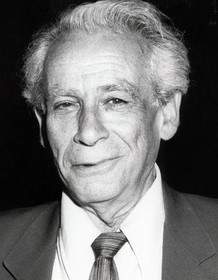
Samuel Fuller
Made by

Lippert Pictures
Where to Watch I Shot Jesse James
See current US streaming, rental, and purchase options for I Shot Jesse James (1949) via JustWatch.

Criterion Channel
HD
HBO Max
HD
HBO Max Amazon Channel
HD
Fandango At Home
SD Streaming availability powered by 
I Shot Jesse James Plot Summary
Read the complete plot summary and ending explained for I Shot Jesse James (1949). From turning points to emotional moments, uncover what really happened and why it matters.
Bob Ford [John Ireland] of the Jesse James gang is wounded during a bank robbery and mends at Jesse James’s Missouri home for six months, while Zee James [Barbara Woodell]—Jesse’s wife—watches him with growing distrust.
Cynthy Waters [Barbara Britton], a touring actress, arrives in town to perform on stage, bringing a spark of romance into Bob’s life. He spots her speaking with John Kelley [Preston Foster], a prospector, and a tangle of jealousy and longing starts to form. Bob understands that Cynthy wants to marry and settle down, even as he quietly wrestles with whether he can offer her a steadier future.
In a bid to secure money, Bob learns of the governor’s $10,000 reward for Jesse and makes a fateful choice to betray a friend by shooting Jesse in the back. He is pardoned by the governor, but the official reward he receives is only $500. He spends the money on an engagement ring, a tangible symbol of the life he imagines with Cynthy. Harry Kane [J. Edward Bromberg], who manages Cynthy’s career, books Bob for stage appearances in which he re-enacts the shooting of Jesse, a performance that audiences boo and taunt as a cowardly deed.
Seeking work and a fresh start, Bob heads to Colorado to try his hand at prospecting. There he runs into Kelley, who is reluctant to accept the role of Creede’s town marshal. One morning Bob wakes to find both Kelley and the engagement ring missing, a sign of the chaos surrounding his plans. Cynthy arrives just as Kelley returns, having recovered the ring, but Kelley’s pride is dented when he discovers that Cynthy accepts Bob’s proposal and commitment. In response, Kelley accepts the marshal job, as if to prove his own decision.
Frank James [Tom Tyler], Jesse’s brother, overhears a conversation in which Cynthy confesses to Kelley that she truly loves him. He lets this knowledge settle in Bob’s ears, knowing it will drive Bob to a reckless confrontation. On a tense city street, Bob draws on Kelley and is shot dead. Kelley ends up with Cynthy, and Frank James executes a final act of revenge for his brother’s death.
I Shot Jesse James Timeline
Follow the complete movie timeline of I Shot Jesse James (1949) with every major event in chronological order. Great for understanding complex plots and story progression.
Bob Ford wounded during bank robbery
Bob Ford is wounded during a bank robbery. He is tended to and begins a six-month convalescence at Jesse James' home in Missouri, during which suspicions linger between the two men and their families.
Cynthy Waters arrives; Bob becomes jealous
Cynthy Waters arrives in town to perform on stage. Bob watches her interact with John Kelley and grows jealous, aware that Cynthy longs to marry and settle down.
Need for money; governor's reward mentioned
Needing funds, Bob hears of the governor's $10,000 reward for Jesse. The prospect of money sets him on edge, foreshadowing a betrayal he will soon commit.
Bob betrays Jesse; shoots him in the back
In a brutal act of betrayal, Bob shoots Jesse James in the back. The killing marks a dramatic turning point and shatters the trust within their circle.
Bob is pardoned but only receives $500
The governor pardons Bob, but the reward he ultimately claims amounts to only $500. The money offers little solace for the guilt and consequences that follow.
Bob spends money on an engagement ring
Bob spends his meager reward on an engagement ring, signaling a new personal commitment. The act of purchasing the ring foreshadows future complications and Bob's fragile aims for stability.
Stage re-enactments bring ridicule
Harry Kane arranges stage appearances in which Bob re-enacts the shooting of Jesse. Audiences boo and ridicule him, publicly judging his cowardice.
Bob moves to Colorado to prospect; meets Kelley
Seeking work, Bob leaves for Colorado to prospect for gold. In Creede, he runs into John Kelley, who is reluctant to take on Creede's marshal duties.
Ring and Kelley theft; Bob wakes to find both missing
One morning Bob discovers both the engagement ring and Kelley missing, hinting at trouble on the horizon. Cynthy arrives as Kelley returns, having captured the ring thief.
Kelley accepts marshal job; Cynthy accepts Bob's proposal
Kelley is disappointed when Cynthy accepts Bob's marriage proposal, and he instead accepts the job as town marshal. This fuels tension as loyalties shift and alliances form.
Frank James learns of true love; overhears confession
Frank James overhears Cynthy confiding to Kelley that he is the man she truly loves. The knowledge plants a seed of future revenge and manipulation.
Frank ensures Bob learns of confession
Frank makes sure Bob learns of the confession, knowing it will push Bob to confront Kelley. The revelation intensifies the feud and sets up a climactic confrontation.
Confrontation on the street; Bob is shot dead
In a street confrontation, Bob draws his weapon on Kelley. Kelley shoots him, ending Bob's life and shifting the balance of vengeance.
Kelley ends up with Cynthy; Frank avenges his brother
After Bob's death, Kelley ends up with Cynthy, while Frank James enacts his revenge on behalf of his brother. The story closes with a complex web of love, loyalty, and retribution.
I Shot Jesse James Characters
Explore all characters from I Shot Jesse James (1949). Get detailed profiles with their roles, arcs, and key relationships explained.
Bob Ford (John Ireland)
Bob Ford is a tense, insecure figure whose desire for respect and money leads him to betray his friend Jesse James. His jealousy fuels reckless decisions, from a back-alley shooting to a staged career built on the crime. He is publicly mocked for cowardice and becomes a pawn in others' schemes before his ending.
Jesse James (Reed Hadley)
Jesse James is the legendary outlaw whose fragile trust becomes a weapon against him. His presence drives others' ambitions and the fallout from Bob Ford's betrayal. He serves as both target and symbol of the frontier justice that underpins the plot.
Cynthy Waters (Barbara Britton)
Cynthy is an actress who becomes entangled in Bob's schemes and ambitions. She seeks marriage and stability, yet is drawn into rivalries with John Kelley and the chaotic world of stage life. Her decisions shape the film's romantic tensions and betrayals.
John Kelley (Preston Foster)
John Kelley is a prospector-turned-confidant who rejects a marshal’s job, but ends up in a position of power when he returns with the engagement ring stolen by Bob. His practical, resolved nature contrasts with Bob's volatility, and his interactions with Cynthy drive the tragedy.
Frank James (Tom Tyler)
Frank James is Jesse James's brother who holds a protective, vengeful loyalty. He orchestrates the knowledge that leads to Bob's downfall and ultimately takes vengeance for his sibling, reinforcing a moral line in a lawless world.
Mrs. Zee James (Barbara Woodell)
Zee James is Jesse's wife who distrusts Bob Ford, highlighting the personal strains born from crime and fame. Her perspective adds tension to the domestic side of the outlaw's life and the public's perception of him.
Harry Kane (J. Edward Bromberg)
Harry Kane manages Cynthy's career and uses Bob Ford for stage appearances that re-enact the shooting. He embodies the opportunistic side of show business in the West, profiting from sensationalism and public curiosity.
I Shot Jesse James Settings
Learn where and when I Shot Jesse James (1949) takes place. Explore the film’s settings, era, and how they shape the narrative.
Time period
Late 19th century
Set after the Civil War, the story unfolds in the late 19th century American West, a period of bounty rewards and frontier justice. Outlaws, governors' rewards, and stage performances reflect a society balancing law and legend. Saloons, mining towns, and makeshift accommodation illustrate the rough pace of life for those chasing money and reputation. The era's volatile mix of crime and fame drives the characters' choices.
Location
Missouri, Colorado
The action centers in Missouri at Jesse James' home during the aftermath of a bank robbery, establishing a frontier setting rooted in the Jesse James legend. It later moves to Creede and surrounding mining towns in Colorado as outlaws, prospectors and stage performers navigate poverty, fame, and danger. The settings evoke small river towns and rough saloons of the American West, where loyalties shift and reputations are forged in gunfire and rumor. The landscape's mix of home life and frontier bustle anchors the film's Western atmosphere.
I Shot Jesse James Themes
Discover the main themes in I Shot Jesse James (1949). Analyze the deeper meanings, emotional layers, and social commentary behind the film.
🗡️
Betrayal
Bob Ford's decision to shoot Jesse James is driven by a desire to improve his own standing, collapsing a fragile friendship. The betrayal exposes how vanity and fear can override loyalty. The aftermath shows social scorn and personal ruin, as friends become enemies and trust erodes.
💰
Greed
The $10,000 governor's reward and the later $500 payoff steer Bob's actions, revealing how money can corrupt motive and distort relationships. The quest for financial gain leads to public humiliation, a failed stage act, and a perilous path that ends in death. Even marriage prospects become entangled with the lure of wealth.
🎭
Performance
Bob's re-enactments of the Jesse James shooting turn his life into a public spectacle, masking cowardice with bravado. The crowd's booing underscores the empty fame earned from crime. The line between authentic identity and manufactured persona drives much of the film's tension.
⚖️
Justice
Kelley ultimately confronts Bob, triggering a fatal end and shaping a rough sense of frontier justice. Frank James seeks vengeance for his brother, suggesting that personal codes of loyalty prevail over the rewards of the corrupt system. The story ends with a rebalancing of favors, as rightful claims and feuds collide.

Coming soon on iOS and Android
The Plot Explained Mobile App
From blockbusters to hidden gems — dive into movie stories anytime, anywhere. Save your favorites, discover plots faster, and never miss a twist again.
Sign up to be the first to know when we launch. Your email stays private — always.
Explore the mobile appI Shot Jesse James Spoiler-Free Summary
Discover the spoiler-free summary of I Shot Jesse James (1949). Get a concise overview without any spoilers.
In the waning days of the American frontier, the bond between the legendary outlaw Jesse James and his devoted follower, Bob Ford, is tested by the weight of history and the promise of a different life. The film establishes a moody, intimate atmosphere within Jesse’s Missouri home, where Zee James watches over Bob with wary eyes as he recovers from a wound. It is a world where the lines between friendship and rivalry blur, creating a tense domestic tableau that stands in stark contrast to the violent legends the men have built.
Into this insular world steps Cynthy Waters, a touring actress whose presence ignites a spark of hope in Bob’s weary heart. Her desire for a settled, respectable future clashes with the inherent instability of Bob’s outlaw existence, forcing him to confront the reality of his choices. The dynamic between them introduces a poignant tension, as Bob grapples with whether he can ever truly provide the stability she seeks while remaining loyal to the James gang.
As the governor’s offer of a pardon circulates as a potential lifeline, Bob finds himself trapped between two irreconcilable worlds. The narrative builds a sense of inevitable tragedy, focusing on the psychological turmoil of a man who must choose between his loyalty to a friend and his longing for redemption. It sets the stage for a profound moral conflict, exploring the dark consequences of ambition in a land where legends die hard.
Movies with Similar Twists and Themes
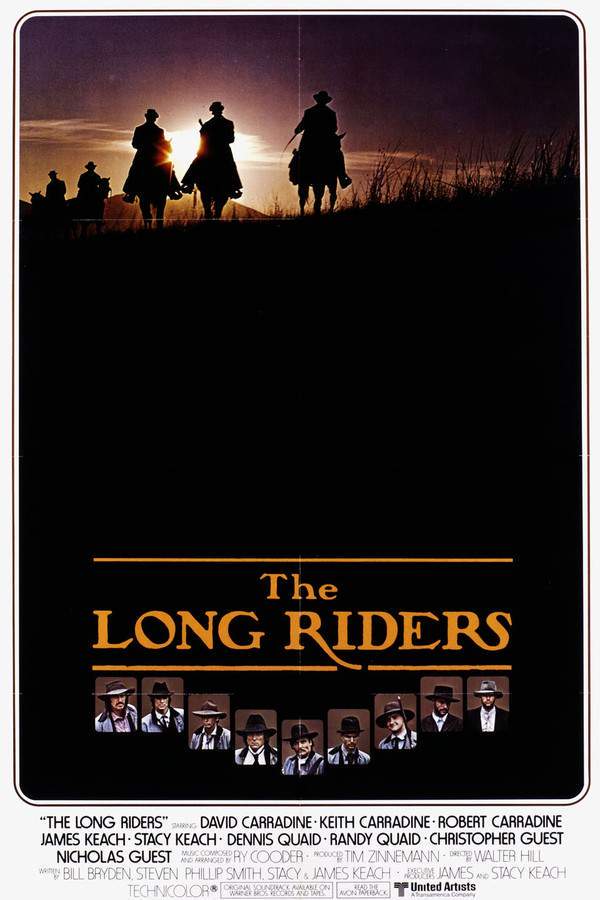
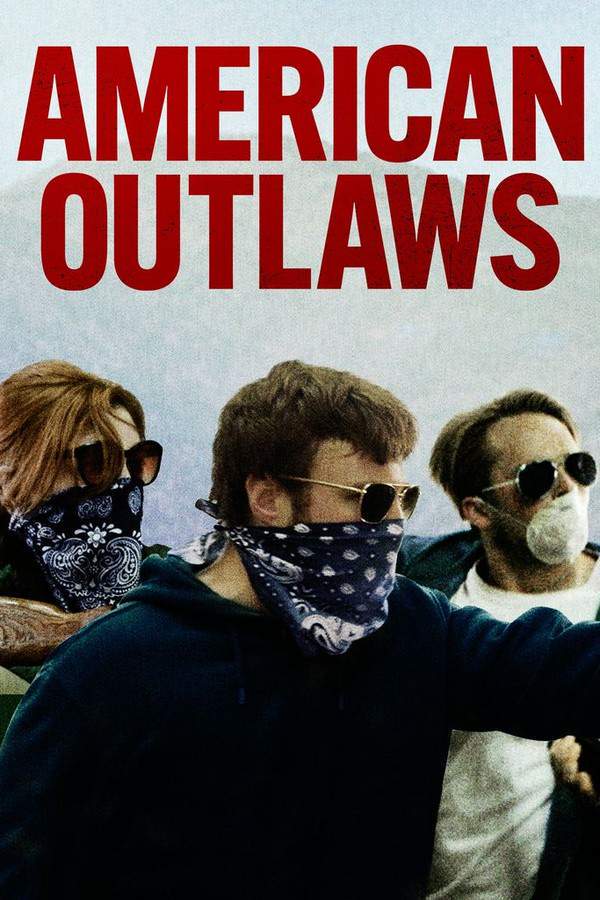
Uncover films that echo the narrative beats, emotional arcs, or dramatic twists of the one you're exploring. These recommendations are handpicked based on story depth, thematic resonance, and spoiler-worthy moments — perfect for fans who crave more of the same intrigue.


Featured on this page

What's After the Movie?
Not sure whether to stay after the credits? Find out!
Check out our other apps:

SAT Sphere
Build confidence for the Digital SAT.

Mori Atlas
Discover wild places worth protecting.

Luntero
Search smarter for a home in Amsterdam.

Plot Explained
Unravel movie endings and hidden clues.

Pokechamp
Dive into Pokémon data and battle logic.

Driving Theory
Get ready for your European theory test.

Movie Dust
Plan your next cinema trip with ease.

Musemap
Find art and culture as you travel.

Selkobase
Compare credentials before committing.

Local Manual
Turn an unfamiliar country into practical next steps.

Lernavi
Compare school systems before your next move.

GymRoam
Find a workout stop wherever your plans take you.
Explore Our Movie Platform
New Movie Releases (2026)
Famous Movie Actors
Top Film Production Studios
Movie Plot Summaries & Endings
Major Movie Awards & Winners
Best Concert Films & Music Documentaries
Movie Collections and Curated Lists
© 2026 What's After the Movie. All rights reserved.
Privacy Policy