

What Is High Noon About?
The premise of High Noon in 277 words, with nothing given away. The full story follows below.
In the waning light of the 1890s New Mexico Territory, a lone railroad town clings to the fragile calm of ordinary lives. Will Kane has spent his years as the hard‑nosed chief marshal of Hadleyville, his badge a symbol of order on a frontier where the wind carries whispers of old gunfights. Now, with a fresh wedding to his gentle, Quaker wife, he dreams of trading pistols for plowshares, savoring the quiet promise of a farm beyond the dusty streets.
That fragile peace is shattered the moment a telegram warns that the notorious outlaw Frank Miller will ride into town on the noon train, intent on settling a bitter score. As the clock ticks toward high noon, Will reaches out to the community that has long relied on his steady hand, only to find his former deputy Harvey turning away and his former lover Helen slipping out of his life, each choice echoing the growing divide between duty and desire. Meanwhile, Amy struggles with her pacifist convictions, torn between supporting her husband’s sense of responsibility and yearning for a life untainted by violence.
The film settles into a tense, sun‑baked atmosphere where every creak of a wagon wheel feels like a prelude to an inevitable clash. Shadows lengthen across the main street, and the townspeople’s quiet apprehension mirrors Will’s own inner turmoil—a man caught between the pull of a hard‑earned peace and the inexorable call of the law. As the clock approaches the fateful hour, the story hovers on the edge of a solitary stand, inviting viewers to wonder how far a single resolve can stretch when the world beyond the town walls grows ever more unforgiving.
What Happens in High Noon?
The complete story of High Noon, from the first scene to the last, in 414 words (about 2 minutes). Spoilers throughout. Names in the text link to 3 cast member pages.
Spoilers ahead
In the late 1890s, Will Kane Tom Skerritt serves as the chief marshal of Hadleyville, a quiet town in the New Mexico Territory where, even with all of his deputies resigning, he continues to serve out of a deep sense of duty. His wife, Amy Susanna Thompson, is a Quaker pacifist who abhors violence, and she urges him to retire and settle into a quieter life as a farmer.
Yet a return to violence disrupts the peace: Frank Miller Michael Madsen, a gunfighter and killer whom Kane helped bring to justice years before, has been pardoned and will ride into Hadleyville on the noon train with his old gang. A message arrives warning that Miller’s first order upon arrival will be to take Kane’s life as payback for the past.
Kane reaches out to his former deputies for support, but they refuse out of fear or because his insistence on treating everyone fairly makes them wary of any special treatment. He then attempts to assemble a posse, but the townspeople grow more divided and reluctant to fight alongside him. Some admire Miller’s notoriety, hoping it might bring fame to the town, while others insist that it isn’t their problem to solve. A few volunteers appear, yet Kane is forced to turn them away because they are too young, too old, or otherwise unfit for the coming confrontation.
Desperation drives him to seek counsel from Judge Mettrick [Matthew Walker], who had already resigned his position. The judge’s blunt advice is to leave town, the path he himself had planned to take. But Kane refuses to abandon his post; he resolves to face Miller and his gang alone, determined to protect Hadleyville even if it means facing the danger by himself.
Amy, who had warned she would board the noon train with or without him, returns and proves she will not abandon him, shooting one of Miller’s men in the back. The tension culminates in a deadly showdown when Miller threatens Amy and Kane finally disposes of his old foe.
In the aftermath, the town emerges to commend Kane, yet he remains unswayed by their praise. He removes his marshal’s badge and rides away, leaving the crowd to celebrate a man who chose duty over comfort, and who paid the ultimate price by standing alone in the face of violence. The narrative presents a portrait of civic duty, personal risk, and moral resolve, echoing the notion that courage can be as solitary as it is necessary.
High Noon Timeline: Every Key Event in Order
12 key events in the order they happen, from “Kane's duty in Hadleyville” to “Kane discards his badge and rides away”. Every event takes place in Hadleyville.
- 1
Kane's duty in Hadleyville
In the late 1890s, Will Kane is the chief marshal of Hadleyville, a small town in the New Mexico Territory. His deputies have all resigned, yet he remains on duty out of a strong sense of obligation. The town depends on him for protection even as his position becomes increasingly precarious.
When:late 1890s Where:Hadleyville
- 2
Amy's pacifism pushes Kane toward retirement
At his wife Amy's urging, Kane decides to retire from the marshal service and become a farmer. Amy is a Quaker pacifist who deplores violence, complicating Kane's role as protector. The decision sets the stage for the looming threat.
Where:Hadleyville
- 3
Miller's pardon and arrival announced
Kane learns that Frank Miller, the gunfighter he once jailed, has been pardoned and will arrive by the noon train. Miller's old gang returns to support him, elevating the danger Kane faces. A message states his first order will be to murder Kane in revenge.
When:noon train Where:Hadleyville
- 4
Kane seeks help from old deputies
Kane reaches out to his former deputies for help, hoping to rally support to face the threat. They refuse, fearing Miller or resenting Kane's insistence on equal treatment rather than special favors. The town’s loyalty fractures as the clock ticks toward noon.
Where:Hadleyville
- 5
Kane tries to form a posse; townsfolk hesitate
He tries to assemble a posse, but the townspeople are reluctant to take on Miller and his gang. Some are sympathetic because Miller's notoriety has put Hadleyville on the map, while others argue it's none of their business. The division slows any collective action.
Where:Hadleyville
- 6
Volunteer prospects are turned away
Several residents do volunteer, but Kane is forced to turn them away as they are too young, old, or physically unfit to fight. The scarcity of capable fighters underscores the town's fear and paralysis. Kane remains determined despite the growing isolation.
Where:Hadleyville
- 7
Mettrick's advice: leave town
Desperate for guidance, Kane seeks advice from Judge Mettrick, who has already resigned. Mettrick simply tells him to leave town and abandon the post. Kane rejects that option, choosing to stay and confront the danger.
Where:Hadleyville
- 8
Kane chooses to face Miller alone
Unwilling to abandon his post, Kane decides to face Miller and his gang alone rather than flee Hadleyville. He prepares to stand his ground even as the odds mount against him. The decision marks the town's fate resting on one man.
When:before noon Where:Hadleyville
- 9
Amy's return and a crucial intervention
Amy, who had threatened to leave on the noon train, returns to town. She saves Kane by shooting one of Miller's men in the back, breaking Miller's leverage. Her action demonstrates courage and commitment to her husband and the town.
When:noon Where:Hadleyville
- 10
Showdown with Miller
Kane finally guns down Miller after he threatens Amy. The duel resolves the escalating threat that had paralyzed Hadleyville. The moment marks Kane's act of personal justice and the end of Miller's menace.
When:afternoon Where:Hadleyville
- 11
Town reaction
With Miller dead, the townspeople emerge to congratulate and thank Kane for protecting them. Yet Kane's quiet dignity and reluctance to seek praise suggest a different cost to his solitary stand. The town's gratitude comes too late to save him from hard choices.
When:afternoon Where:Hadleyville
- 12
Kane discards his badge and rides away
In a clean, silent gesture, he throws his marshal's badge into the dirt and rides away from Hadleyville. The act signals a personal sacrifice for duty and a lack of reward for his stand. The final image is of a man walking away from his role, choosing independence over recognition.
When:evening Where:Hadleyville
Who Are the Main Characters in High Noon?
4 characters, among them Will Kane (Tom Skerritt), Amy Kane (Susanna Thompson) and Frank Miller (Michael Madsen): who each one is and the part they play in the story. Every profile links to the actor’s page.
-
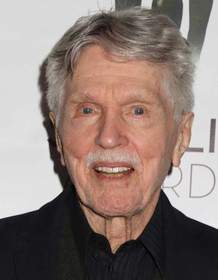
Will Kane (Tom Skerritt)
Played by Tom Skerritt
Will Kane is the chief marshal whose strong sense of duty compels him to continue serving despite plans to retire and farm. With all deputies resigned, he faces the pardoned gunfighter Miller and his gang largely on his own. Kane seeks help from former deputies and Judge Mettrick, but they refuse, forcing him into a perilous lone confrontation. After Miller is killed and the town celebrates, Kane throws his marshal’s badge in the dirt and rides away, a silent end to a solitary vigil.
- 🛡️ Marshal
- 🗡️ Vigilance
- 🧭 Duty
- AK
Amy Kane (Susanna Thompson)
Played by Susanna Thompson
Amy is Will Kane’s wife, a Quaker pacifist who deplores violence and initially urges retirement. She returns when Kane refuses to abandon his post and ultimately saves him by shooting one of Miller’s men in the back. Her stance challenges Kane’s decision to stand firm and adds moral complexity to the choice between pacifism and protecting others. Her loyalty to Kane helps sustain him in the face of overwhelming danger.
- 🕊️ Pacifist
- 🤝 Ally
- 💑 Partner
-

Frank Miller (Michael Madsen)
Played by Michael Madsen
Frank Miller is a gunfighter and killer Kane once brought to justice, now pardoned and returning with his gang to exact revenge. Miller embodies notoriety and threat, driving the town toward fear and confrontation. His arrival catalyzes Kane’s resolve to face danger alone and tests the community’s willingness to act. Miller is killed by Kane, ending the personal vendetta that propels the plot.
- 🔫 Outlaw
- ⚔️ Villain
- 🔥 Revenge
- JM
Judge Mettrick (Matthew Walker)
Played by Matthew Walker
Judge Mettrick is a resigned authority who advises Kane to leave Hadleyville rather than fight, reflecting a weary, cautious mindset. He provides counsel but refuses to take action, illustrating the limits of institutional support when personal risk is high. Mettrick’s advice underscores the theme of solitary duty versus collective safety. His stance pushes Kane toward an independent, decisive stand.
- ⚖️ Judge
- 🗺️ Advisor
- 🤝 Apathy
Where and When Is High Noon Set?
High Noon is set in Hadleyville and New Mexico Territory (Late 1890s). Here is why the time and place matter to the story.
When
Late 1890s
Set in the late 1890s, the story unfolds in a rugged frontier environment where gunfighters still shape destinies. The imminent arrival of a dangerous killer by the noon train heightens the tension and sets the clock against the marshal’s plans. In this era of personal honor and frontier justice, choices about duty and safety define the stakes.
Where
Hadleyville, New Mexico Territory
Hadleyville is a small frontier town in the New Mexico Territory whose sun-baked streets hint at a quiet life that can turn deadly. Its residents live under the shadow of law and reputation, waiting to see how the marshal will handle the threat posed by a pardoned gunslinger. The town's social dynamics—trust, fear, and repute—are put to the test as violence looms on the horizon.
- 🏜️ Western town
- ⚖️ Frontier justice
- 🕰️ Old West
What Are the Themes of High Noon?
3 ideas the story keeps returning to, among them Duty, Justice and Community.
-
01
Duty
Will Kane’s sense of duty drives him to stay and protect Hadleyville even as his deputies resign. He resists retirement and confronts Miller’s threat head-on, showing that obligation can supersede personal comfort. The theme explores how moral duty can isolate an individual when the community refuses to stand with him. Ultimately, Kane’s steadfast commitment tests what a town owes to the people who keep it safe.
-
02
Justice
The pursuit of justice is complicated by fear, reputation, and the town’s reluctance to embrace violence. Kane’s hunt exposes fractures within Hadleyville, where loyalties are divided and people weigh safety against reform. Amy’s intervention adds moral ambiguity, illustrating that violence can be seen as justified in the name of justice. The conclusion questions whether true justice requires broad communal support or the lone stand of a single marshal.
-
03
Community
The town’s initial reluctance and eventual celebration of Kane reveal a fragile sense of community. The residents’ split reactions—some supporting, some fearing—show how public opinion can shape a moral crisis. The final cheers when Miller falls contrast with Kane’s quiet departure, underscoring that communal bonds can be inconsistent and fragile. The summary implies that community validation can come too late for those who stand alone.
What Kind of Film Is High Noon?
Tense in tone, with steady pacing and a straightforward story, going by the plot summary.
- Tone
- Tense
- Pacing
- Steady
- Story
- Straightforward
- Intensity
- High
- Ending
- Bittersweet
A steadily building and intensely tense Western that evokes deep anxiety and moral isolation as a lone sheriff confronts his fate against a ticking clock, culminating in a bitter victory that feels more like a loss.
- tense
- lonely
- anxious
- desperate
- heroic
- somber
- solitary courage
- civic duty
- betrayal
- revenge
Content notes: gun violence, murder, revenge plot.
Where to Watch High Noon
Rent or buy it from Amazon Video and Apple TV Store. US availability and prices from JustWatch.





Streaming availability in the US, powered by 


