
Hidden Agenda 1990

Directed by
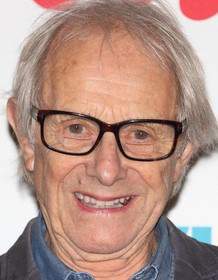
Ken Loach
Made by

Initial (II)
Hidden Agenda Plot Summary
Read the complete plot summary and ending explained for Hidden Agenda (1990). From turning points to emotional moments, uncover what really happened and why it matters.
A tense political thriller centers on a single, dangerous recording that could upend the power structure in Northern Ireland. On The Twelfth, an Orange march sets the stage for a crisis when an audio tape is handed to Paul Sullivan, an American human rights lawyer and activist. When Sullivan tries to meet the tape’s creator to confirm its authenticity, he is assassinated by a death squad, who recover the tape from his body. The investigators quickly learn that the killers are not Irish militants but agents tied to the British security services, turning a personal tragedy into a broader conspiracy.
The case falls to Peter Kerrigan, a determined British police investigator, who works alongside Sullivan’s assistant, Ingrid Jessner. As they dig deeper, they uncover a shocking lead: Captain Harris, an ex-army intelligence officer now in hiding, who admits he produced the tape. Harris reveals that the recording captures senior military leaders and Conservative Party politicians discussing how they manipulated democratic processes to help Margaret Thatcher rise to power, a revelation that could rock the government and public trust.
With Harris providing a copy of the tape, the investigation gains a crucial breadcrumb, yet the situation spirals. Harris is killed by British security forces who pin the blame on the IRA, and Kerrigan is blackmailed into silence. Jessner inherits the vital recording, but without Harris to authenticate it, the evidence is dismissed as a forgery. The film builds a quiet, escalating tension as truth and power collide, leaving the audience contemplating who can be trusted when institutions themselves appear involved in deception.
This investigation casts a stark light on loyalty, secrecy, and accountability, showing how the pursuit of political stability can entangle ordinary people in a web of state-sponsored manipulation. The cast threads through the narrative in ways that feel grounded and purposeful, with each eyewitness moment raising the stakes as the pieces of the puzzle refuse to fit neatly. The finale lingers on the fragility of truth in a landscape where authority has the means to rewrite reality, and where those who seek justice must navigate a maze of official complicity and personal risk.
Hidden Agenda Timeline
Follow the complete movie timeline of Hidden Agenda (1990) with every major event in chronological order. Great for understanding complex plots and story progression.
Opening prologue: Thatcher's framing of Northern Ireland
The film opens with a quote from British Prime Minister Margaret Thatcher asserting that Northern Ireland is part of Britain. The line frames the political stakes of the story and introduces the theme of legitimacy under siege. This opening sets a tense, conspiratorial tone for the events that follow.
Tape handed to Paul Sullivan during The Twelfth
During the The Twelfth Orange march in Northern Ireland, an audio tape is handed to Paul Sullivan, an American human rights lawyer and activist. The tape contains explosive information that could rewrite the political map of Northern Ireland and Britain. The moment marks the inciting spark of the conspiracy.
Sullivan seeks meeting with the tape maker
Sullivan arranges a meeting with the anonymous creator of the tape to verify its authenticity and the motives behind it. He moves to confirm who produced the recording and why it was circulated. The plan to confront the source drives the early suspense of the plot.
Sullivan is assassinated and tape retrieved
Sullivan is killed by a death squad, and the gunmen recover the tape from his body. The assassination signals that powerful forces are willing to kill to keep the information from surfacing. The tape's safety becomes precarious as the killers disappear into the shadows.
Kerrigan begins the official investigation
British police investigator Peter Kerrigan starts looking into Sullivan's death, noticing inconsistencies and possible foul play. He begins to connect the murder to a larger pattern of abuse of power. The case becomes a doorway into a broader political conspiracy.
Jessner joins the investigation
Sullivan's assistant Ingrid Jessner teams up with Kerrigan to pursue leads and navigate political pressure. Her presence provides an international human rights perspective and a different set of connections. Together they push the inquiry forward despite growing risks.
The trail leads to Captain Harris
The investigators trace the case to Captain Harris, an ex-army intelligence officer who is now in hiding and connected to the tape. Harris becomes the central yet elusive source whose involvement links military and political figures. The pursuit tightens around a dangerous network.
Harris reveals the tape's contents
Harris explains that the tape records senior military leaders and Conservative Party politicians discussing how they subverted democracy to facilitate Thatcher's rise to power. His revelation provides the core incriminating detail that could unravel the political machine. The moment deepens the conflict between truth-seekers and state actors.
Harris passes a copy to Jessner
Before dying, Harris hands a copy of the tape to Ingrid Jessner, hoping she can validate and safeguard the evidence. This transfer makes Jessner the custodian of a potentially explosive document. The act raises the stakes for the investigation and for her personal safety.
Harris is killed and Kerrigan is blackmailed
Shortly after the transfer, British security forces kill Harris and publicly blame the murder on the IRA. Kerrigan is simultaneously blackmailed into silence, signaling a coordinated effort to suppress the truth. The state apparatus appears determined to bury the evidence.
Jessner holds the tape but authentication is missing
With Harris dead, Jessner holds the tape but cannot authenticate it without his testimony. Lacking independent verification, the recording is dismissed as a forgery by authorities. The crucial evidence seems at risk of being erased from the record.
Conclusion: two laws, two systems
The film closes with a former British intelligence agent stating, 'There are two laws running this country: one for the security forces and the other for everyone else.' The line crystallizes the film's meditation on justice and power. It leaves the audience with a stark sense of systemic inequality and concealed truths.
Hidden Agenda Characters
Explore all characters from Hidden Agenda (1990). Get detailed profiles with their roles, arcs, and key relationships explained.
Peter Kerrigan (Brian Cox)
British police investigator who pursues the truth behind Sullivan's death. He remains determined and pragmatic, navigating pressure from security services while seeking accountability. His integrity is tested as blackmail and cover-ups threaten to derail the investigation.
Ingrid Jessner (Frances McDormand)
Sullivan's assistant who assists Kerrigan in the investigation. She demonstrates resolve and resourcefulness, bridging gaps in the evidence and pushing for truth despite political danger. Her character embodies the pursuit of justice amid systemic obstruction.
Paul Sullivan (Brad Dourif)
American human rights lawyer who receives the compromising audio tape. His assassination catalyzes the investigation and reveals the far-reaching implications of the disclosed conspiracy. His actions set the plot in motion and underscore the human cost of political machinations.
Captain Harris (Maurice Roëves)
Ex-army intelligence officer who created the tape exposing high-level discussions of subverting democracy. His information becomes a weapon in the struggle over truth and power, but his own fate underscores the risks of challenging entrenched interests. His revelations trigger a chaotic confrontation with security forces.
Hidden Agenda Settings
Learn where and when Hidden Agenda (1990) takes place. Explore the film’s settings, era, and how they shape the narrative.
Time period
1980s
The narrative unfolds during the Thatcher era in the 1980s, a period of intensified political strife and stringent security measures in Northern Ireland. It centers on clandestine recordings that threaten to expose elite manipulation of democratic processes. The era is defined by state surveillance, political machinations, and a struggle between security forces and civil rights.
Location
Northern Ireland
Set in Northern Ireland during The Troubles, the film presents a society under siege by political violence and state power. The Twelfth orange marches provide a charged backdrop where loyalties are tested and security concerns overshadow daily life. The story unfolds across streets of demonstrations and the secretive corridors of power, highlighting a landscape of distrust and factional conflict.
Hidden Agenda Themes
Discover the main themes in Hidden Agenda (1990). Analyze the deeper meanings, emotional layers, and social commentary behind the film.
🗳️
Democracy
The film probes how democracy is fragile when subverted from within. Key characters confront the possibility that high-ranking officials collude to shape outcomes, undermining public trust. The tape at the center of the plot becomes a battleground over truth, accountability, and the right to know.
🔒
Secrecy
Secrecy drives the conflict as state actors conceal their actions and manipulate information. The pursuit of truth is hampered by blackmail, misdirection, and controlled narratives. The tension between transparency and covert power is a core engine of the plot.
⚖️
Power & Corruption
The story exposes how power can corrupt and reshape reality through manipulation and force. Investigators grapple with moral ambiguity as institutions wield influence to silence dissent and assign blame. The narrative suggests a systemic double standard in how laws are applied to different groups.

Coming soon on iOS and Android
The Plot Explained Mobile App
From blockbusters to hidden gems — dive into movie stories anytime, anywhere. Save your favorites, discover plots faster, and never miss a twist again.
Sign up to be the first to know when we launch. Your email stays private — always.
Explore the mobile appHidden Agenda Spoiler-Free Summary
Discover the spoiler-free summary of Hidden Agenda (1990). Get a concise overview without any spoilers.
In the shadowed streets of Northern Ireland, a region still echoing with the legacy of the Troubles, a silent battle of secrets unfolds. Governments on both sides guard hidden agendas, and the fragile peace is constantly threatened by whispers that could topple long‑held power structures. The film immerses the audience in a world where history, politics, and personal conviction clash, creating a tense, almost claustrophobic atmosphere that feels both immediate and timeless.
Ingrid Jessner, an American lawyer with a fierce dedication to human rights, arrives in Dublin with her activist partner, Paul Sullivan. Together they navigate a maze of bureaucracy, lingering sectarian tension, and the uneasy calm of The Twelfth celebrations, hoping to bring to light a string of long‑denied atrocities. Their partnership is built on shared idealism and a determination to let truth pierce through the veil of official denial, setting the stage for a delicate dance between earnest advocacy and the opaque machinery of state.
When circumstances abruptly remove Sullivan from the pursuit, Jessner is forced to confront a new reality. Enter Peter Kerrigan, a British police investigator whose steady professionalism masks an inner conflict: the very institutions he serves are implicated in the very concealments she is trying to unveil. Kerrigan’s willingness to question his own government’s narrative places him in an uneasy alliance with Jessner, and their contrasting backgrounds—her outsider perspective, his insider knowledge—create a compelling tension that drives the story forward.
The film’s mood is one of deliberate, simmering suspense, punctuated by moments of quiet introspection amid the bustling streets of Dublin and the stark, rain‑soaked landscapes of the North. It asks the viewer to consider how far individuals will go when the line between loyalty and truth blurs, and whether the pursuit of justice can survive in a world where power routinely rewrites reality. The partnership that forms between Jessner and Kerrigan hints at a fragile but potent challenge to the hidden forces that shape history, leaving the audience poised on the edge of discovery.
Movies with Similar Twists and Themes
Uncover films that echo the narrative beats, emotional arcs, or dramatic twists of the one you're exploring. These recommendations are handpicked based on story depth, thematic resonance, and spoiler-worthy moments — perfect for fans who crave more of the same intrigue.


Featured on this page

What's After the Movie?
Not sure whether to stay after the credits? Find out!
Check out our other apps:

SAT Sphere
Build confidence for the Digital SAT.

Mori Atlas
Discover wild places worth protecting.

Luntero
Search smarter for a home in Amsterdam.

Plot Explained
Unravel movie endings and hidden clues.

Pokechamp
Dive into Pokémon data and battle logic.

Driving Theory
Get ready for your European theory test.

Movie Dust
Plan your next cinema trip with ease.

Musemap
Find art and culture as you travel.

Selkobase
Compare credentials before committing.

Local Manual
Turn an unfamiliar country into practical next steps.

Lernavi
Compare school systems before your next move.

GymRoam
Find a workout stop wherever your plans take you.
Explore Our Movie Platform
New Movie Releases (2026)
Famous Movie Actors
Top Film Production Studios
Movie Plot Summaries & Endings
Major Movie Awards & Winners
Best Concert Films & Music Documentaries
Movie Collections and Curated Lists
© 2026 What's After the Movie. All rights reserved.
Privacy Policy