
Henry: Portrait of a Serial Killer 1986


Directed by

John McNaughton
Made by

Maljack Productions
Where to Watch Henry: Portrait of a Serial Killer
See current US streaming, rental, and purchase options for Henry: Portrait of a Serial Killer (1986) via JustWatch.

Amazon Prime Video
HD
Amazon Prime Video with Ads
HD
Amazon Prime Video Free with Ads
HD
Cineverse
HD
Fandango at Home Free
HD
Plex
HD
Plex Channel
HD
Pluto TV
SD
Tubi TV
SD
Amazon Video
SD
Apple TV Store
HD Fandango At Home
SD
Google Play Movies
SD
YouTube
SD Streaming availability powered by 
Henry: Portrait of a Serial Killer Plot Summary
Read the complete plot summary and ending explained for Henry: Portrait of a Serial Killer (1986). From turning points to emotional moments, uncover what really happened and why it matters.
Henry is a psychopathic drifter who moves across the country, leaving a trail of murder in his wake. He eventually arrives in Chicago, where a routine stop in a diner and a late visit to a liquor-store owner become part of a chilling pattern of violence against the vulnerable. As he roams, he takes life indiscriminately—men, women, and even children—driving his brutal spree to new, shocking extremes.
Otis, Henry’s prison friend, picks up his sister Becky at O’Hare International Airport and brings her back to the apartment Otis shares with Henry. That night, Becky presses Henry about the murder of his mother, a crime that landed him behind bars. Henry explains that he stabbed his mother, a claim he presents as the result of childhood abuse and humiliation, sometimes contradicting himself by suggesting he shot her or killed her with a bat. Becky reveals a troubling family history of her own, confessing that her father raped her as a teenager. Henry responds by acknowledging a distaste for sexual violence against women and, in a surprising moment, forms a protective bond with Becky. When Otis makes an incestuous advance toward Becky, Henry reacts with a fierce threat and forces him to promise not to pursue it again. Becky’s feelings begin to tilt toward Henry, though he remains repelled by her overt romantic interest.
The following day, Becky finds employment at a salon, while Henry and Otis venture out at night and kill two prostitutes—Henry ending their lives by breaking their necks. Otis is deeply shaken and questions Henry about this murderous lifestyle, yet Henry tries to recruit him into a shared philosophy of murder, arguing for a relativistic view of killing. Otis worries about police scrutiny, but Henry reassures him that everything will work out.
Their spree intensifies when they visit a fence to replace a broken TV. The fence ridicules their poverty and refuses to sell them illicit goods, yet Henry seizes the moment to satisfy his bloodlust: he stabs the man with a soldering iron, Otis assists by choking him with an electrical cord, and Henry then crushes the man with a television. Otis, encouraged by Henry, grins as he plugs in the damaged TV and watches the man die by electrocution. The two escape with a high-end TV and a camcorder, returning home undetected.
A violent catalyst follows when Otis is punched by a teenage boy after attempting to sexually assault him while selling marijuana. Henry urges Otis to drop the grudge for fear of being recognized by witnesses, especially since Otis has already been seen nearby. Emboldened by the earlier kills, the pair embark on a broader murder spree, setting a trap on Lower Wacker Drive by posing a broken-down car to lure victims and then shooting a man who stops to help. Henry counsels Otis to vary the method of each murder so authorities won’t link them as a single killer. He stresses the importance of staying mobile; by the time police close in, they will have already moved on.
Henry also notes he will have to leave Chicago soon. Later, they watch a tape of a home invasion in which they murdered a suburban family of three, a scene Otis uses to begin molesting the mother’s corpse until Henry objects.
Becky, hearing that her ex-husband has been jailed for murder, quits her salon job to return home to her daughter. Meanwhile, Otis and Henry argue after their camcorder is damaged during Otis’s attempt to film female pedestrians from Henry’s moving car. Otis goes for a drink while Henry returns to their apartment. Becky outlines her plans, and the trio agrees to go out for steak. Becky attempts to seduce Henry, but Otis interrupts. Henry heads out to buy cigarettes and catch his breath. On the way back, he encounters a woman walking her dog and briefly contemplates murder, but decides against it.
When he returns, Henry finds Otis attempting to rape and strangle Becky. A violent confrontation ensues, and Otis gains the upper hand briefly. As Otis readies to kill Henry, Becky intervenes by stabbing Otis in the eye with a comb. In a brutal turn, Henry seizes the weapon and murders Otis, then dismembers the body in the bathroom.
The two retreat from Chicago, dumping bags of Otis’s remains into the river and leaving town. Henry proposes a trip to his sister’s ranch in San Bernardino, California, promising Becky they will send for her daughter once they arrive. In the car, Becky confesses that she loves Henry. > “I guess I love you too,” Henry replies. They check into a motel for the night. The next morning, Henry departs alone, leaving Becky behind. He stops by the roadside and discards Becky’s blood-stained suitcase in a ditch, hinting that her remains lie inside, and drives away into an unknown future.
Henry: Portrait of a Serial Killer Timeline
Follow the complete movie timeline of Henry: Portrait of a Serial Killer (1986) with every major event in chronological order. Great for understanding complex plots and story progression.
Henry's violent past and imprisonment
Henry is a psychopathic drifter whose history hints at a long pattern of brutality. The story notes that he killed his own mother, a crime that lands him in prison and establishes the type of violence he will repeat across America.
Moves to Chicago and begins his killing spree
Henry migrates to Chicago and stops at a diner to eat. He quickly escalates to murder, killing the elderly liquor-store proprietors and several women. This brutal spree establishes his indiscriminate violence and sets the tone for the film.
Becky arrives; Henry's past revealed; protective bond forms
Otis picks up Becky at O'Hare and brings her to the apartment where Henry lives. Becky questions Henry about his mother's murder, and he confesses stabbing her, revealing a coy mix of truth and self-justification. Becky then reveals her own history of sexual abuse by her father. Henry forms a protective bond with Becky, while Otis makes an unwanted pass and Henry violently warns him off.
Becky starts a salon job; Henry and Otis murder two prostitutes
Becky takes a job at a local salon. That night, Henry and Otis lure two prostitutes and murder them by breaking their necks. The killings show the duo's growing confidence and Henry's insistence that murder can be a shared philosophy.
Fence encounter and the TV heist
Otis vents his frustration by destroying an old TV. The men confront a rude fence owner, and Henry stabs him with a soldering iron while Otis chokes him with a cord, then Henry smashes a TV onto the man’s head. They steal a high-end TV and a camcorder and return home undetected.
Teen assault attempt thwarted; new spree begins
Otis is punched by a teenage boy when he tries to assault him, and Henry talks him down to avoid drawing police attention. Bolstered by their previous murders, the pair embark on a broader spree, planning kills to misdirect investigators, including a trap for drivers on Lower Wacker Drive and varying their methods so no single killer can be linked to all crimes.
Viewing a home invasion; Otis desecrates a corpse
The two watch a recording of a home invasion in which they murdered a suburban family, a moment that reveals Otis's growing cruelty as he begins to molest the mother's corpse until Henry objects. The scene underscores the escalating depravity of their crimes.
Becky quits work; tension builds after camera is destroyed
Becky quits her job to return home to her daughter after learning her ex-husband has been jailed for murder. Otis and Henry argue after their camera is destroyed while Otis films pedestrians, heightening the strain between them.
Becky and Henry dine out; near murder and near seduction
Becky and Henry go out for a steak dinner, and Becky attempts to seduce him, but they are interrupted by Otis. Henry leaves to buy cigarettes and later encounters a woman walking her dog, briefly tempted to murder her but restrains himself.
Otis attacks Becky; Henry intervenes and Otis is killed
When Otis attempts to rape and strangle Becky, Henry fights him. Otis gains the upper hand, but Becky stabs Otis in the eye with a comb. Henry then overpowers Otis and brutally dismembers him in the bathtub.
The duo disposes of Otis and heads for California
Becky and Henry dump Otis's body parts into the river and leave town, planning to head to a ranch in San Bernardino, California. Becky tells Henry she loves him, and he replies with a guarded acknowledgment, deepening the unsettling bond between them.
Motel stop and Henry's betrayal
They book a motel room for the night, and in the morning Henry leaves Becky behind, driving away after dumping Becky's blood-stained suitcase in a ditch. The act leaves Becky presumed dead or abandoned as he continues alone down the road.
Henry: Portrait of a Serial Killer Characters
Explore all characters from Henry: Portrait of a Serial Killer (1986). Get detailed profiles with their roles, arcs, and key relationships explained.
Henry (Michael Rooker)
A psychopathic drifter who travels across America, murdering scores of people and maintaining a unsettling calm. He articulates a relativistic philosophy of killing and seeks to form a bond with Becky, while exercising control over Otis.
Otis (Tom Towles)
Henry's prison friend who becomes his partner in crime. He is shocked by the killings, swayed by Henry's philosophy, and gradually participates in the spree before facing a brutal demise at Henry's hands.
Becky (Tracy Arnold)
Otis's sister who forms a volatile bond with Henry. She flirts with Henry and participates in the tense dynamic that unfolds in their apartment. In the climax, she stabs Otis in the eye during a confrontation, after which Henry murders Otis, and her fate remains implied.
Husband (Bruce Quist)
One half of a suburban family targeted during a home invasion; represents ordinary victims within the killers' spree.
Wife (Elizabeth Kaden)
The other half of the suburban family murdered during a home invasion, underscoring the indiscriminate nature of the violence.
Henry: Portrait of a Serial Killer Settings
Learn where and when Henry: Portrait of a Serial Killer (1986) takes place. Explore the film’s settings, era, and how they shape the narrative.
Location
Chicago, O'Hare International Airport, Lower Wacker Drive, San Bernardino, California
The film unfolds through the gritty urban landscape of Chicago, using locations like diners, liquor stores, and the ominous Lower Wacker Drive to frame a brutal murder spree. Henry and Otis traverse the city, echoing a sense of menace that spills from urban core to suburban outskirts. The journey culminates with a planned move toward San Bernardino, California, hinting at an escape from the city.
Henry: Portrait of a Serial Killer Themes
Discover the main themes in Henry: Portrait of a Serial Killer (1986). Analyze the deeper meanings, emotional layers, and social commentary behind the film.
🔪
Violence
The summary centers on Henry's indiscriminate killings of men, women, and even a child, presenting violence as an ongoing, normalized behavior. It shows a chilling routine of murder, bravado, and procedural detachment that follows the killers from city to city. The brutality is depicted as a compulsive pattern rather than an isolated incident.
⚖️
Moral Relativism
Henry attempts to argue that killing is morally fluid, persuading Otis to adopt a personal philosophy of murder. The narrative explores how relativism erodes conventional ethics when violence is reframed as a means of control or thrill. This theme exposes the danger of seeing harm as permissible under a flexible moral code.
💔
Family Trauma
The backstory reveals abuse that shapes Henry's violent impulses and Becky’s trauma, adding a context of damaged family dynamics to the violence. Becky’s revelation about her father’s rape and Henry’s own childhood abuse illustrate how personal history feeds the killers’ worldview. The film ties private wounds to public brutality, suggesting that trauma informs behavior.
🤝
Complicity & Influence
Otis becomes drawn into Henry's worldview, moving from reluctant participant to an active accomplice under Henry's manipulation. The dynamic showcases how charisma and authority can mold another's actions, blurring lines between curiosity, fear, and criminal behavior. The relationship underscores the theme that collaboration in crime compounds the moral cost.

Coming soon on iOS and Android
The Plot Explained Mobile App
From blockbusters to hidden gems — dive into movie stories anytime, anywhere. Save your favorites, discover plots faster, and never miss a twist again.
Sign up to be the first to know when we launch. Your email stays private — always.
Explore the mobile appHenry: Portrait of a Serial Killer Spoiler-Free Summary
Discover the spoiler-free summary of Henry: Portrait of a Serial Killer (1986). Get a concise overview without any spoilers.
In the restless underbelly of Chicago, a lone drifter arrives with a reputation that precedes him—a reputation built on whispered stories of a real‑life predator rather than cinematic myth. Henry is a charismatic yet terrifying figure, a wanderer whose past is a mosaic of violence and abandonment. He takes up residence with a former prison acquaintance, setting the stage for an uneasy partnership that teeters between mentorship and menace.
Otis, fresh out of confinement, is drawn back into the shadows when his sister brings her home to the cramped apartment he shares with Henry. The trio’s dynamic is laced with fragile loyalties and conflicting desires: Otter’s tentative yearning for normalcy, Becky’s hidden wounds, and Henry’s relentless drive to impart his own twisted philosophy of murder. The film dwells on the tension that crackles when an experienced killer decides to teach his craft, turning ordinary conversations into unsettling lessons about power, control, and the thin line between survival and depravity.
The city itself becomes a character, its gritty streets and dimly lit alleys reflecting the inner darkness of its new resident. A cold, atmospheric tone pervades every scene, mixing stark realism with a suffocating sense of dread. While Henry navigates the urban landscape with a predator’s poise, the uneasy alliance formed with Otis and Becky hints at a fragile equilibrium that could shatter at any moment.
As the three navigate their intertwined lives, the audience is left to wonder how far Henry will go to shape his protégés and what price the city will pay for harboring a menace who walks its streets as naturally as any commuter. The film promises a chilling exploration of mentorship turned macabre, set against a backdrop where every shadow could conceal a new lesson.
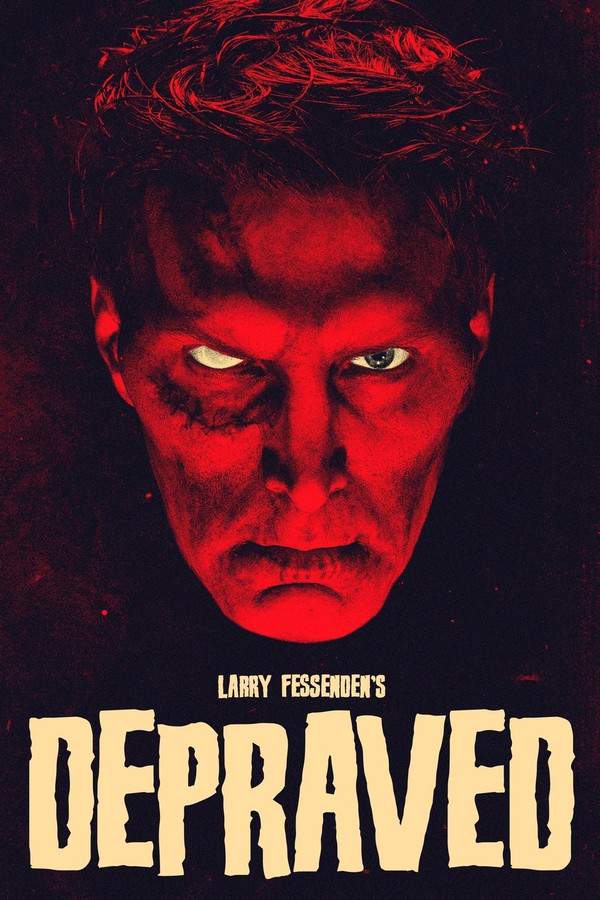
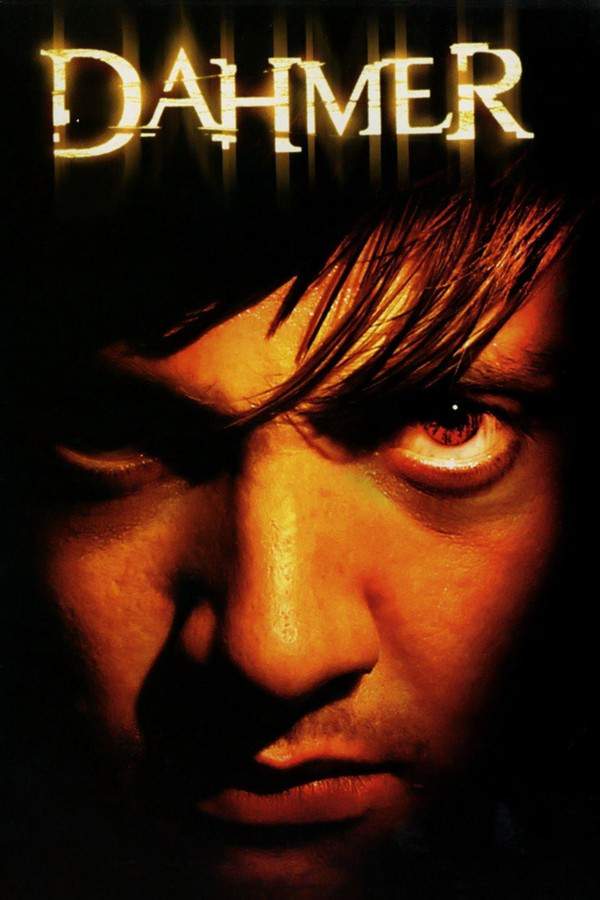
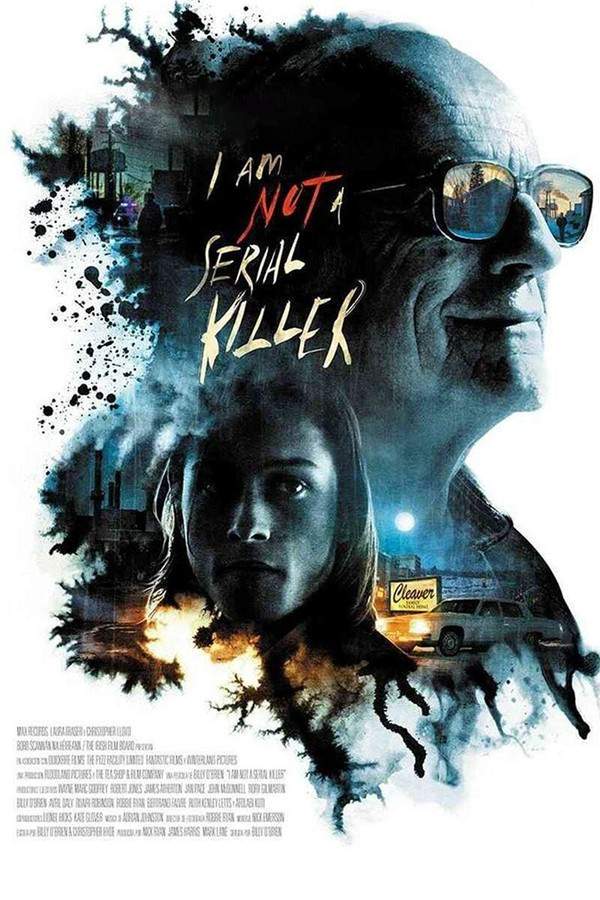
Movies with Similar Twists and Themes
Uncover films that echo the narrative beats, emotional arcs, or dramatic twists of the one you're exploring. These recommendations are handpicked based on story depth, thematic resonance, and spoiler-worthy moments — perfect for fans who crave more of the same intrigue.


Featured on this page

What's After the Movie?
Not sure whether to stay after the credits? Find out!
Check out our other apps:

SAT Sphere
Build confidence for the Digital SAT.

Mori Atlas
Discover wild places worth protecting.

Luntero
Search smarter for a home in Amsterdam.

Plot Explained
Unravel movie endings and hidden clues.

Pokechamp
Dive into Pokémon data and battle logic.

Driving Theory
Get ready for your European theory test.

Movie Dust
Plan your next cinema trip with ease.

Musemap
Find art and culture as you travel.

Selkobase
Compare credentials before committing.

Local Manual
Turn an unfamiliar country into practical next steps.

Lernavi
Compare school systems before your next move.

GymRoam
Find a workout stop wherever your plans take you.
Explore Our Movie Platform
New Movie Releases (2026)
Famous Movie Actors
Top Film Production Studios
Movie Plot Summaries & Endings
Major Movie Awards & Winners
Best Concert Films & Music Documentaries
Movie Collections and Curated Lists
© 2026 What's After the Movie. All rights reserved.
Privacy Policy