What Is Handling the Undead About?
The premise of Handling the Undead in 309 words, with nothing given away. The full story and the ending follow below.
In the waning heat of an Oslo summer, an inexplicable disturbance blurs the line between the living and the dead, casting the city into a dream‑like haze where the past drifts unbidden into the present. The streets take on an almost tactile melancholy, their familiar faces now shadowed by silent presences that move through neighborhoods like fog. This unsettling atmosphere sets the stage for a meditation on loss, memory, and the fragile borders we construct around grief.
Mahler is a grandfather still haunted by the absence of his young grandson, while his daughter Anna juggles the demands of work and motherhood, both tethered to a sorrow that feels suddenly tangible again. Across the city, David wrestles with the sudden void left by his wife’s untimely passing, striving to maintain a sense of normalcy for his children amid a world that no longer adheres to ordinary rules. Meanwhile, Tora navigates the raw emptiness after the death of her partner Elisabet, trying to reconcile daily life with an overwhelming sense of loss.
As the inexplicable events ripple outward, each family is drawn into a collective mystery: the newly arrived specters linger on the edges of everyday life, their presence both comforting and disorienting. The resurrected loved ones move through Oslo in a trance‑like state, their muted attempts to connect hinting at unfinished business and unresolved emotions. This shared experience forces the characters to confront the deep, often unspoken questions about identity, responsibility, and what it truly means to let go.
The film’s tone blends haunting lyricism with a subtle undercurrent of dread, inviting viewers to feel the weight of unspoken grief while exploring how love endures beyond the physical world. In this quiet, eerie Oslo, the characters must decide whether the return of the dead offers a chance for healing or merely deepens the shadows that already linger in their hearts.
What Happens in Handling the Undead?
The complete story of Handling the Undead, from the first scene to the last, in 593 words (about 3 minutes). Spoilers throughout. Names in the text link to 4 cast member pages.
Spoilers ahead
After an inexplicable and eerie event causes the deceased to return, three grieving families find themselves faced with the shocking resurrection of loved ones. Among them is Mahler, who has been mourning the loss of his young grandson Elias, the child of his daughter Anna. Another is David, who is still reeling from the premature death of his wife Eva. Lastly, there is Tora, who is deeply affected by the passing of her partner Elisabet.
The story begins with Mahler visiting Elias’s grave when the mysterious event unfolds. Suddenly, he collapses, only to find himself awakening across the grave. In a desperate move, he digs up the coffin and is astonished to discover Elias alive, albeit in an alarming condition. He takes the child home, where the already traumatized Anna, returning from her night shift, is met with chaos as she finds Elias in bed. Overwhelmed by the surreal turn of events, she plunges into despair, leading her to attempt to take her own life until Mahler intervenes just in time to save her.
Simultaneously, David grapples with his own grief at work when the catastrophic event occurs. He receives a panicked call informing him of Eva’s accident and rushes to the hospital only to discover that she has died before he could arrive. In a shocking twist, while grieving by her side, Eva unexpectedly begins to breathe again, leaving the hospital staff in a state of confusion.
As the story unfolds, Oslo transforms into a surreal environment where the deceased walk amongst the living, lost in a trance and unable to express themselves. Streets become crowded with the resurrected souls, many of whom desperately try to escape their graves, adding to the chaos and confusion surrounding the living.
In her struggle to cope with Elisabet’s death, Tora attempts to restore normalcy by bathing and dressing her. However, this act leads to a terrifying encounter when Elisabet, now altered, viciously attacks Tora.
In search of solace, Mahler and Anna retreat to a secluded cottage with Elias, hoping to find peace in isolation. Yet, Elias’s peculiar behavior and the pervasive smell of decay fuel Anna’s dread. As tensions rise, Anna finds herself alone at the cottage with Elias after taking a swim. Upon her return, she stumbles upon a decomposing man near the cottage. As Mahler arrives just in time to battle the intruder, he suffers a fatal injury from a vicious bite to his throat. While chaos ensues, Anna escapes with Elias in a rowboat, seeking safety.
David, determined to understand the phenomenon, reaches out to the hospital but receives no updates regarding Eva’s condition. He attempts to push forward with life alongside his children, Flora and Kian, even preparing to celebrate Kian’s birthday. A visit to Eva at the hospital takes a dark turn when she holds Kian’s pet bunny, only to crush it mindlessly in a trance. Flora quietly remarks, “Mom is dead,” which forces David to confront the harsh reality of their situation.
As events continue to spiral, Elisabet appears fully transformed, having committed a tragic act by killing Tora in her sleep. Meanwhile, Kian, struggling under the weight of his grief, holds a private burial ceremony for his beloved bunny in the woods. The narrative closes with Anna and Elias drifting away on a rowboat, where she lovingly tells him she loves him before gently placing him in the water, watching as he sinks beneath the surface. The haunting imagery and emotional turmoil encapsulate the depths of sorrow and the complexities of life after death in this gripping tale.
Handling the Undead Timeline: Every Key Event in Order
16 key events in the order they happen, from “The Inexplicable Event” to “Anna and Elias's Heartbreaking Departure”. 16 events name a place, across 9 locations.
- 1
The Inexplicable Event
An inexplicable event occurs, causing the dead to return to life. This shocking phenomenon transforms Oslo into a city where the deceased wander among the living, lost in a trance.
Where:Oslo
- 2
Mahler Visits Elias's Grave
Mahler visits the grave of his grandson Elias, who had died previously. During this visit, he collapses, only to awaken lying across the grave, leading him to a terrifying discovery.
Where:Cemetery
- 3
Elias is Found Alive
While digging up Elias's coffin, Mahler is horrified to find his grandson alive but in an advanced state of decay. He takes Elias home, where Anna, his mother, faces the shocking reality upon returning from her night shift.
Where:Mahler's Home
- 4
Anna's Despair
Overcome with confusion and despair, Anna struggles to comprehend Elias's condition and ultimately attempts to take her own life. Mahler intervenes just in time, saving her from her tragic decision.
Where:Mahler's Home
- 5
David's Tragic Loss
David's day takes a heartbreaking turn when he receives a call at work about his wife Eva's accident. He rushes to the hospital, but tragically, he arrives to find that she has already passed away.
Where:Hospital
- 6
Eva's Resurrection
While grieving by Eva's body in the hospital, David is shocked when she unexpectedly begins to breathe again. The hospital staff are baffled by this miraculous event as they witness the impossible unfold.
Where:Hospital
- 7
Resurrected Souls in the Streets
Oslo becomes a haunting scene as the resurrected wander the streets, most of them lost in their own minds and unable to communicate. Residents are disturbed to see their deceased loved ones roaming aimlessly.
Where:Oslo
- 8
Tora's Attempts to Restore Normalcy
Tora, unable to accept her partner Elisabet's death, takes desperate measures to restore normalcy. She bathes and dresses Elisabet, but this act of care turns violent when Elisabet savagely attacks her.
Where:Tora's Home
- 9
Retreat to the Cottage
Seeking solitude, Mahler and Anna retreat to a remote cottage with Elias. However, Elias’s disturbing behavior and the stench of decay exacerbate Anna's growing anxiety about their situation.
Where:Remote Cottage
- 10
Confrontation at the Cottage
While alone with Elias, Anna goes for a swim, but her peace is shattered when she encounters a decomposing man near the cottage. Mahler arrives just in time to fend off the man, but is fatally bitten in the process.
Where:Remote Cottage
Show the other 6 events of Handling the Undead Hide the last 6 events
- 11
Anna Flees with Elias
In a desperate escape, Anna takes Elias away in a rowboat after Mahler’s tragic demise. The sense of impending danger compels her to flee, leaving behind the horrors of the cottage.
Where:Water
- 12
David's Struggles with Reality
In the days that follow, David attempts to keep his family together while grappling with the reality of Eva’s return. He celebrates his son Kian's birthday but is haunted by the truth that clashes with what they face.
Where:Home
- 13
A Disturbing Reunion
During a visit to the hospital, David witnesses a horrifying moment when Eva, still in a confused state, crushes Kian's pet bunny while holding it. This event forces him and the children to confront the severity of their situation.
Where:Hospital
- 14
Elisabet's Transformation
Elisabet, now fully transformed, emerges in the hallway after having killed Tora in her sleep. This gruesome act underscores the terrifying nature of the event and the drastic changes in the resurrected.
Where:Tora's Home
- 15
Kian's Farewell
Overwhelmed by the loss of his mother, Kian organizes a private burial for his pet bunny in the woods. This ceremony highlights his struggle with loss and the profound impact it has on the young boy.
Where:Woods
- 16
Anna and Elias's Heartbreaking Departure
The story concludes with a poignant moment on the rowboat, where Anna expresses her love for Elias. In a heart-wrenching act, she gently places him back into the water, watching him sink, symbolizing her ultimate loss.
Where:Water
Who Are the Main Characters in Handling the Undead?
3 characters, among them Mahler, Anna and David: who each one is and the part they play in the story. Every profile links to the actor’s page.
-

Mahler
Played by Bjørn Sundquist
Mahler is a protective grandfather whose world crumbles when he loses his grandson, Elias. His desperation leads him to bring Elias back home after the inexplicable event, complicating his relationships with Anna and the reality of their situation. As the story progresses, he shows remarkable resilience, yet he faces tragic consequences as events unfold.
- 👴 Grandfather
- 💔 Grief
-

Anna
Played by Renate Reinsve
Anna is deeply affected by the death of her son, Elias, and struggles to cope with the overwhelming emotions that follow his return. Her despair drives her to a dark place, reflecting the intense turmoil of a mother faced with an impossible situation. Despite her hardships, she shows immense courage as she navigates the complexities of motherhood amidst chaos.
- 👩 Mother
- 🌊 Despair
-
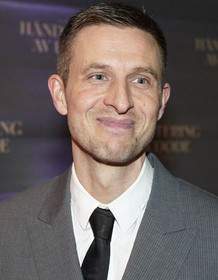
David
Played by Anders Danielsen Lie
David embodies the challenges of single parenthood as he deals with the loss of his wife, Eva. His journey is marked by the stark realization that acceptance is a painful process, especially when faced with the bizarre resurrection of the dead. Through his interactions with his children, he represents the struggle between hope and the harsh truth of reality.
- 👨 Father
- ⚖️ Acceptance
Where and When Is Handling the Undead Set?
Handling the Undead is set in Oslo. Here is why the place matters to the story.
When
The film takes place in a contemporary setting that reflects modern-day societal issues. The sudden resurrection of the dead creates an eerie atmosphere in everyday life, highlighting the fragility of human existence and the inevitability of grief. This unusual event serves as a catalyst for exploring deep emotional themes within the story.
Where
Oslo
Oslo serves as the haunting backdrop for the events of 'Handling the Undead.' Known for its vibrant urban life, the city transforms into a setting of despair as the deceased walk among the living. The presence of graves and hospitals emphasizes the struggles of the grieving families as they navigate this surreal reality.
- 🏙️ City
- 🪦 Graveyard
What Are the Themes of Handling the Undead?
2 ideas the story keeps returning to, among them Grief and Resurrection.
-
01
Grief
Grief permeates every character's journey as they grapple with loss and the complexities of having their loved ones return. Each individual experiences varying levels of despair, leading to moments of dark introspection and existential fear. This theme underscores the fragility of life and the struggles that come with accepting death.
-
02
Resurrection
The theme of resurrection is pivotal, as the film explores what it means to come back from the dead. While physically present, the returned individuals are trapped in a trance, raising questions about identity, reality, and the impact of unresolved grief. This theme challenges the characters' perceptions of life and death, blurring the line between the two.
How Does Handling the Undead End?
The last act of Handling the Undead and what it means, in 320 words. The ending lands as bleak. Big spoilers: read the plot summary first if you have not seen it.
The final act, in full
Handling the Undead ends with the horrifying truth about the undead returning from the dead. Throughout the film, we see how the characters’ grief drives them to hope and even desperation, leading them to believe in impossible reunions. The phenomenon that causes the dead to come back is mysterious, linked to a strange electromagnetic event that affects both the living and the deceased. When Eva wakes up after being pronounced dead and is declared legally alive again, it initially feels like a miracle for her family, especially after their grief and denial. However, as Eva’s condition deteriorates, it becomes clear she isn’t truly back—she’s a zombie. The same goes for Elisabet, who, despite her initial moments of tenderness and longing to reconnect, ultimately reveals darker signs of her undead nature, including biting and violence. The final reveal confirms that those who reappear are indeed flesh-eating zombies, not the loved ones they once were.
In the film’s brutal climax, Anna’s worst fears are realized when she finds Elias, her son, returned but turned into a reanimated zombie. The heartbreaking moment comes when Anna, overwhelmed by the horror and the realization that her son no longer exists as her child, drowns him to end his suffering and her own agony. This act of destruction is also portrayed as an escape for Anna—drowning Elias allows her to rid herself of the illusion that her son might still be alive in some form, and it offers her a tragic hope: that maybe now, she can hold onto the memory of Elias without the horrifying truth permanently tainting her grief. In her final act, Anna chooses to destroy what’s left of her son to prevent him from hunting others, even if it means destroying her own capacity for hope. Ultimately, her act signifies an acceptance of the terrifying reality—that death’s return is a monstrous facsimile of life, and sometimes, letting go means saying goodbye forever.
What Kind of Film Is Handling the Undead?
Melancholic in tone, with slow pacing and a moderate story, going by the plot summary.
- Tone
- Melancholic
- Pacing
- Slow
- Story
- Moderate
- Intensity
- High
- Ending
- Bleak
A slow burning, melancholic horror-drama that immerses the viewer in the heavy, oppressive grief of three families as they confront the unsettling resurrection of their loved ones, culminating in tragic losses and a profound sense of sorrow.
- sorrowful
- bleak
- oppressive
- anxious
- somber
- surreal
- grief and loss
- zombie horror
- family relationships
- supernatural horror
Content notes: animal death, suicide attempt, child death, corpse violence, grief.
Quiz
How well do you remember Handling the Undead? Test yourself on the story.