

What Is Guava Island About?
The premise of Guava Island in 293 words, with nothing given away. The full story follows below.
In a sun‑kissed, hand‑drawn world where music drifts through the palm‑shaded streets, Guava Island feels like a living lullaby. The island’s rhythm is shaped by its people and the stories they pass down, all gently guided by the warm narration of Kofi Novia. This animated folk tale invites the viewer to breathe in the colors, the sea breeze, and the pulse of a community that lives in harmony with both its natural beauty and its own hopeful myths.
At the heart of the island beats Deni Maroon, a charismatic musician who splits his days between the dock and the stage. With a guitar always at his side and a smile that gathers strangers into a shared chorus, Deni embodies the island’s yearning for celebration. He lives alongside Kofi, whose steady presence offers both grounding and encouragement, and they both know Yara, a diligent seamstress who weaves dreams into fabric while working long hours at the local factory.
The island’s industrious side is overseen by the ambitious owner known only as Red, whose enterprise keeps much of the population employed. This creates a subtle tension between the relentless rhythm of production and the free‑flowing spirit of artistic expression. It is within this delicate balance that Deni’s greatest ambition takes shape: a music festival that could bring the whole community together, letting the island’s innate joy shine brighter than any schedule or deadline.
As the days lead toward the promised celebration, the streets buzz with anticipation. Children hum new tunes, workers exchange hopeful glances, and the very air seems to vibrate with possibility. The story gently teases the challenges of turning a dream into reality, inviting viewers to wonder how a single melody might ripple through a world where every heartbeat is already a song.
What Happens in Guava Island?
The complete story of Guava Island, from the first scene to the last, in 638 words (about 3 minutes). Spoilers throughout. Names in the text link to 5 cast member pages.
Spoilers ahead
An animated folk tale, narrated by Rihanna as Kofi Novia, introduces the origins of the fictional Guava Island and the music performed by Donald Glover as Deni Maroon, a local celebrity who shares a life with Kofi. Deni wakes to the sound of a guitar being strummed, a sound that signals both his creative spirit and the responsibility he bears for a town that watches him with affection and expectation. On his way to work, he moves through a bustling street scene where neighbors cheer him on as he heads toward a festival that everyone in the community anticipates. A sudden, painful interruption comes when a group of familiar kids mug him; he talks them down with a promise of front-row seats at the festival, turning a potential scuffle into a shared moment of permission and possibility.
Nonso Anozie portrays Red Cargo, the island’s imposing magnate who holds influence over most people’s livelihoods. At the factory where Kofi toils as a seamstress, and where Yara is also present, the tension between creativity and corporate efficiency becomes a quiet backbone of the story. Deni’s world is shaken when Red orders him to cancel the festival to preserve productivity, spoiling the communal spark that the island’s people look forward to. When Deni questions his own power, Red responds with a crushing blow: he destroys the guitar that has become a symbol of the town’s freedom and dreams.
Back at home, Kofi tends to her own troubles with quiet resilience. She asks Deni about his injury and the absence of his instrument, while also wrestling with a life-changing secret of her own—she is pregnant—and she worries about how to tell Deni, given his free-spirited nature and the precarious balance between art and work that defines their world. The couple’s bond is tested not just by external pressures but by the future they hope to build together, a future that feels increasingly fragile in a landscape ruled by a powerful hierarchy.
The narrative broadens as two children, Zoila and Mapi, become a source of inspiration for Deni’s art. Zoila, Karla Talía Pino Piloto, and Mapi, portrayed by Alain Rodriguez, spark a renewed sense of purpose in him. Their imagined futures fuel a reinvigorated performance on the radio, and Deni announces a return to the festival, weaving gratitude and defiance into the music he plans to share with the town. The moment is charged with anticipation, and the crowd gathers with a shared belief that art can still steer a community toward joy.
As the festival night unfolds, a shadow edges through the crowd: a masked gunman appears just before Deni steps onto the stage. The crowd’s cheers falter as danger closes in, and Deni, courageous and unafraid, makes a final, hopeful attempt to reach the people through song. He escapes into an alley, but the gunman’s pursuit ends in tragedy as Deni is assassinated, leaving the island to confront a new, aching silence.
Red’s triumph in the moment of the gunfire is short-lived. He discovers that his workers—and the town itself—have abandoned the oppressive routine of production to attend a joyous, blue-themed memorial dedicated to Deni. The outpouring of solidarity signals a collective reawakening: the people choose memory, music, and community over fear and control. In the film’s quiet, hopeful epilogue, Kofi begins to tell her unborn child a story about how dreams can come true, a gentle reminder that even in a place shaped by hardship, imagination remains a persistent force.
Overall, the story blends intimate character moments with a larger meditation on work, power, and creative rebellion. It captures a community’s longing for art and celebration as acts of resistance, while grounding every turn in the warmth of relationships—between Deni and Kofi, between the young Zoila and Mapi, and between a people who refuse to let their dreams be silenced.
Guava Island Timeline: Every Key Event in Order
12 key events in the order they happen, from “Origins of Guava Island and dawn in the town” to “Epilogue: Dreams come true”. 12 events name a place, across 11 locations.
- 1
Origins of Guava Island and dawn in the town
Kofi the narrator introduces the origins of Guava Island and the music that defines it. We see Deni wake to a tune on his guitar and rush out toward the day’s responsibilities. The town prepares for a festival that everyone is eager to attend, setting a hopeful mood at dawn.
When:Dawn Where:Guava Island, Kofi's home and streets
- 2
Deni's morning walk to work and mugging
Deni leaves his home and is greeted by the bustling streets as he heads to work for the festival. A group of kids he knows mugs him, but he talks them down by promising them seats at the show. The incident foreshadows the festival’s power to disrupt Red Cargo’s control.
When:Morning Where:Guava Island streets
- 3
Red Cargo's control over the island
Red Cargo, run by the despotic magnate Red, dominates island labor and productivity. Deni works there while Kofi and Yara labor nearby, illustrating the island’s fragile balance between art, work, and control. The oppressive regime behind the festival’s celebration is established.
When:Daytime Where:Red Cargo offices and surrounding factories
- 4
Deni is kidnapped and bribed to cancel the festival
Deni is taken to Red's office, where the magnate offers a bribe to cancel the festival to protect production. When Deni questions his own agency, Red destroys his guitar, symbolically silencing his art. The festival’s survival hangs on a single moment of defiance.
When:Daytime Where:Red's office
- 5
Deni returns to Kofi and serenades
Deni returns home with a busted guitar and an uneasy silence between him and Kofi. He tries to hide the injury, then serenades her with the song he promised since childhood. The moment rekindles their shared history and reaffirms Deni’s commitment to his music.
When:Evening Where:Kofi's home
- 6
Kofi and Yara confront pregnancy
At work, Kofi tells Yara that she is pregnant, a secret she fears revealing to Deni because of his free-spirited lifestyle. The news adds a personal stake to the island’s political struggle and presses Deni to decide what kind of future he fights for. The pregnancy colors his upcoming choices.
When:Daytime Where:Factory
- 7
Deni finds inspiration and announces the festival
Two children, Zoila and Mapi, inspire Deni to perform on the radio again and declare his attendance at the festival. The town’s excitement swells as the festival becomes a beacon of hope against Red’s regime. The broadcast rekindles the sense that art can mobilize people.
When:Afternoon Where:Radio studio
- 8
Red and Kofi search for Deni before the festival
Red ambushes Kofi while she searches for Deni, pressuring her to tell him to cancel the festival. He warns of consequences and tightens his grip on the town’s labor force. The scene builds toward the festival’s confrontation.
When:Pre-festival Where:Town streets near festival site
- 9
The festival begins; Deni performs
Deni arrives late to the festival and delivers a powerful song dedicated to Zoila and Mapi. The crowd rises in full support as his performance asserts art as resistance. The festival becomes a defiant celebration of life against oppression.
When:Evening Where:Festival stage
- 10
Assassination attempt at the festival
A masked gunman opens fire on the stage; Deni escapes into an alley but is found and assassinated. The town reacts with shock as the celebration curdles into tragedy. Deni’s death cements his role as the island’s martyr for dreams.
When:Night Where:Festival site / alley
- 11
Memorial for Deni and collective day
Red initially revels in quiet control, then discovers that all employees have abandoned work to attend a jubilant memorial for Deni. Kofi tells Red that the people have finally had their day, recognizing the power of collective joy over corporate domination. The town gathers to honor Deni through song and solidarity.
When:After Where:Red Cargo offices and town
- 12
Epilogue: Dreams come true
In the epilogue, Kofi begins telling her child a story about how dreams come true. The tale reinforces Guava Island’s folkloric roots and suggests that art and hope endure beyond tragedy. It closes with a sense of future possibility for the island.
When:After Where:Kofi's home
Who Are the Main Characters in Guava Island?
6 characters, among them Deni Maroon (Donald Glover), Kofi Novia (Rihanna) and Yara Love (Letitia Wright): who each one is and the part they play in the story. Every profile links to the actor’s page.
-

Deni Maroon (Donald Glover)
Played by Donald Glover
A charismatic local musician whose guitar-defined identity anchors the island’s spirit. He pushes for a festival that unites the town and challenges Red Cargo’s restrictions, even after his instrument is destroyed. His resolve to turn music into a communal experience drives the story toward its climactic celebration and its somber aftermath.
- 🎶 Music
- 🎤 Performer
-

Kofi Novia (Rihanna)
Played by Rihanna
A factory seamstress and central narrator who balances work with care for her family. She supports Deni’s dream while managing questions of pregnancy and the pressures of island life. Her perspective anchors the emotional core of the tale as she guides the audience through the events.
- 🪡 Seamstress
- 🎙️ Narrator
-
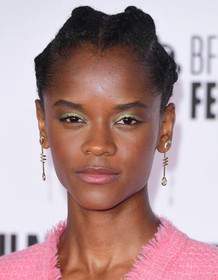
Yara Love (Letitia Wright)
Played by Letitia Wright
Kofi’s coworker and ally in the factory, sharing the struggle under Red Cargo’s regime and standing beside Deni’s artistic rebellion. Her presence embodies practical resilience and solidarity within the community.
- 🏭 Factory Worker
- 👭 Ally
- R(
Red (Red Cargo) (Nonso Anozie)
Played by Nonso Anozie
A ruthless business magnate who controls the island’s economy and uses bribery and intimidation to suppress dissent. His destruction of Deni’s guitar marks the extent of his power and sets the stage for the ultimate clash between control and creativity.
- 💼 Boss
- ⚖️ Oppression
- Z
Zoila
Played by Karla Talía Pino Piloto
One of the two children who spark Deni’s ambition to perform and give the town a hopeful future through art. Her presence represents innocence and a catalyst for the festival’s dream.
- 🧒 Child
- 🎵 Inspiration
- M
Mapi
Played by Alain Rodriguez
Zoila’s counterpart in inspiration, embodying curiosity and resilience that keep the festival dream alive as the island confronts hardship.
- 🧒 Child
- 🎵 Inspiration
Where and When Is Guava Island Set?
Guava Island is set in Guava Island. Here is why the place matters to the story.
Where
Guava Island
Guava Island is a vibrant tropical locale where street life, markets, and a growing music scene define daily rhythm. The town centers around Deni Maroon’s festival, a beacon of communal joy amid factory work and corporate control. The island’s culture blends labor, tradition, and celebration, making the festival a rare moment of collective uplift.
- 🏝️ Tropical Island
- 🎶 Music Culture
What Are the Themes of Guava Island?
3 ideas the story keeps returning to, among them Music Resistance, Power & Oppression and Community & Hope.
-
01
Music Resistance
Deni’s songs become more than entertainment; they mobilize the community and give voice to their longing for freedom. Red Cargo’s attempt to silence him by destroying his guitar backfires, fueling solidarity rather than compliance. The festival scene turns into a powerful act of collective defiance and shared joy, illustrating how art can empower a marginalized town.
-
02
Power & Oppression
RedCargo’s grip on the island demonstrates how economic power suppresses creativity and labor rights. The despot wielding bribes and fear demonstrates the costs of industrial control over everyday life. The narrative exposes how workers resist coercion and seek autonomy through cultural expression.
-
03
Community & Hope
Amidst oppression, the story foregrounds the healing power of shared culture and celebration. Zoila and Mapi symbolize future generations that keep hope alive and inspire action. The festival and its memorial become moments where the community reclaims agency and looks toward a brighter, collective future.
What Kind of Film Is Guava Island?
Hopeful in tone, with steady pacing and a straightforward story, going by the plot summary.
- Tone
- Hopeful
- Pacing
- Steady
- Story
- Straightforward
- Intensity
- Medium
- Ending
- Bittersweet
A musically-driven and warmly hopeful drama that balances the idyllic community spirit of a tropical island with the tragic tension of artistic rebellion against corporate oppression, culminating in a bittersweet but defiant conclusion.
- hopeful
- rebellious
- warm
- tragic
- defiant
- musical
- artistic expression
- community resistance
- worker exploitation
- political oppression
Content notes: assassination, death threat, oppressive regime, worker exploitation.
Quiz
How well do you remember Guava Island? Test yourself on the story.


