What Is Griffin and Phoenix About?
The premise of Griffin and Phoenix in 264 words, with nothing given away. The full story follows below.
In the crisp, sun‑lit world of early‑summer California, Geoffrey Griffin learns that an inoperable melanoma has given him only a limited horizon. Faced with the quiet resignation many expect of a terminal diagnosis, he refuses to let his days dissolve into silence. Instead, he seeks out moments that feel vivid and alive, even as he navigates a family life that feels strained by routine and unspoken distance. His yearning for genuine connection leads him to a university course that examines the psychological processes of death and dying, a setting that feels simultaneously academic and intimate.
It is there that he encounters Sarah Phoenix, a young woman whose own battle with terminal leukemia has left her oscillating between denial and a fierce need for answers. Like Geoffrey, she has taken refuge in the very subject that mirrors her reality, hoping perhaps to make sense of the inevitable. Their guarded introductions hint at a shared curiosity and a silent understanding that each is confronting mortality on their own terms, yet both are reluctant to expose the full weight of their diagnoses to anyone else.
The film moves with a gentle, bittersweet tone, blending the ordinary rhythms of everyday life with an undercurrent of urgency that comes from knowing time is finite. It invites viewers into a contemplative space where humor, tenderness, and the simple thrill of being present coexist. As Geoffrey and Sarah let their tentative friendship deepen, the story explores how love can blossom in the shadows of loss, encouraging each character—and the audience—to savor the unexpected gifts that appear when life’s calendar suddenly shortens.
What Happens in Griffin and Phoenix?
The complete story of Griffin and Phoenix, from the first scene to the last, in 793 words (about 3 minutes). Spoilers throughout. Names in the text link to 6 cast member pages.
Spoilers ahead
Geoffrey Griffin is in the midst of a camping trip with his estranged wife Jean Griffin and their children Randy Griffin and Bob Griffin in the rugged embrace of Yosemite National Park. The family interaction feels strained from the start: Geoffrey tries to coax a sense of togetherness, but his wife and kids respond with boredom or disinterest, turning even small requests, like walking the family dog, into moments of friction. A flashback slices through the drive—an ominous memory of a doctor’s warning that he harbors an inoperable, terminal melanoma, a prognosis that drapes the trip with a shadow of what’s to come. This revelation appears to deepen Geoffrey’s resolve to seize moments with his family, yet it also plants a seed of desperation that grows as he confronts their apathy and detachment.
Meanwhile, Sarah Phoenix is confronted with the same grim news: leukemia has claimed her fate. She vacillates between denial and the stark reality of her diagnosis, and after a fiery outburst she seeks a second medical opinion, only to receive the same verdict. Her life takes her on a parallel path to Geoffrey’s—toward a difficult, life-affirming reckoning with death and what it means to live. When Geoffrey travels to Los Angeles, he connects with his brother, George Griffin, who fills him in on the latest about the family and slides him a sum of money, $1,500, to spend as he wishes. This moment marks the beginning of a new chapter in Geoffrey’s struggle to find meaning amid the knowledge that his days may be numbered.
Compelled by his present reality and a newfound curiosity about dying, Geoffrey pursues a course titled “Psychological Processes of Death and Dying,” a choice that unexpectedly becomes the shared ground where he and Sarah meet. Both attend the class, and after it, Geoffrey asks Sarah to dinner the following Wednesday if she’s interested. She remains guarded, reticent about forming a close bond while facing her own terminal fate, and she decides not to show up for the date. Instead, she observes him from a nearby restaurant, where he eventually notices her and extends an invitation to come over.
What follows is a gradual, incandescent romance that defies conventional boundaries. Geoffrey and Sarah spend the ensuing weeks together, living with reckless gusto—sneaking into a movie theater, freighthopping, riding roller coasters at an amusement park, and painting messages on a water tower to mark their growing devotion. She writes “Class of ’59,” while he secretly inks a message that declares “Griffin Loves Phoenix” with a heart and arrow, both acts meant to celebrate their fleeting joy. Neither of them discloses the other’s diagnosis, and the discovery of mortality comes later, when Sarah discovers Geoffrey’s shelf of books about cancer and death—an unsettling insinuation that he has been shadowing her thoughts more closely than she could have imagined.
The moment of truth arrives when Sarah confronts Geoffrey about the true meaning behind his interests and the books in his apartment. Their realizations collide, and they admit that both are living under the shadow of terminal illness. Sarah confides that, if her pain grows too great to bear, she will retreat to a hospital and does not want him to search for her there. The two of them face the brutal honesty of their shared fate, and their relationship becomes a fragile refuge against the encroaching end.
The emotional toll of their discoveries is severe. One day, Sarah leaves a note explaining that her pain is unbearable and urging Geoffrey to stop searching for her and to focus on his family instead. He follows her trail across more than a dozen hospitals, and eventually finds her at her bedside. They share a tender, intimate moment that channels all the fear, longing, and hope they have kept under wraps. Yet the weight of impending loss proves too heavy for Sarah, who asks him to leave, and he complies, stepping away with a sense of sorrow that seems almost inconsolable. In the aftermath, Geoffrey wanders through a cemetery, where Sarah’s gravestone bears the peculiar inscription: “P.S. – Hi Griffin Thought you’d probably drop by.” The line feels like a private message from the beyond, a reminder of the connection they forged in life.
Returning to the present, Geoffrey’s grief erupts in anger as he exits the cemetery and destroys his own car and several others in a moment of rage. The film closes with a quiet, almost ceremonial denouement as a maintenance man covers over the graffiti on the water towers—washing away the marks that once linked their names and their shared moment of rebellion. In the end, the story leaves us with a sober meditation on love, mortality, and the ways people choose to live—and to grieve—when time runs short.
Griffin and Phoenix Timeline: Every Key Event in Order
15 key events in the order they happen, from “Yosemite camping trip begins” to “Driving away in rage as the public messages fade”. 15 events name a place, across 15 locations.
- 1
Yosemite camping trip begins
Geoffrey, his estranged wife Jean, and their children Randy and Bob head into Yosemite for a camping trip. Geoffrey pushes for family togetherness while the others are bored and uninterested, setting a tense tone for the excursion. The trip is framed by Geoffrey’s hidden concerns about his health and the impulse to create memories together.
When:Start of the trip Where:Yosemite National Park
- 2
Flashback to the diagnosis
While they are on the road, Geoffrey has a flashback to a doctor's visit where he is told he has an inoperable terminal melanoma. He learns he will die soon, and this grim news serves as the blunt motivator behind his bid to seize meaningful time with his family. The memory foreshadows the emotional stakes of the story.
When:During the road trip back Where:In the car, during the return trip
- 3
Geoffrey deserts his family
In a burst of frustration, Geoffrey detaches his car from the camper and drives away, effectively abandoning his wife and children on the highway. He is overwhelmed by their apathy and petty demands, choosing to withdraw rather than confront the tension. This act sets the split in the family dynamics in motion.
When:During the return trip Where:On the road near Yosemite
- 4
Sarah discovers her illness
Sarah Phoenix receives news that she has leukemia and initially goes into denial. After an angry outburst, she seeks a second medical opinion that confirms the terminal diagnosis. Her confrontation with mortality drives her openness to unexpected connections.
When:Around the same period as Geoffrey's crisis Where:Doctor’s office / related medical setting
- 5
Geoffrey goes to LA; brother lends support
Geoffrey drives to Los Angeles where his brother George updates him on the ex-wife and kids and gives him $1,500 to spend at his leisure. The visit exposes Geoffrey to a more candid, supportive family perspective and marks a turn in his self-education about dying. The money offers him a sense of temporary freedom.
When:Shortly after desertion Where:Los Angeles
- 6
A death-and-dying class brings them together
Geoffrey attends a course titled Psychological Processes of Death and Dying, seeking understanding and meaning as his life nears an end. Sarah also enrolls in the class, and this shared environment becomes the setting for their first meaningful connection. Their presence in the same class anchors the evolving relationship.
When:Following the LA trip Where:Classroom
- 7
First dinner invitation and pursuit
After class, Geoffrey asks Sarah to meet for dinner the following Wednesday, but she remains guarded and does not commit. Instead, she spies on him from a neighboring restaurant, and he notices her, inviting her over. This catalyzes their initial, thorny proximity and mutual intrigue.
When:That evening after the class Where:Nearby restaurant area
- 8
A reckless romance unfolds
Geoffrey and Sarah fall in love and begin living life to the fullest, engaging in outrageous, playful acts. They sneak into a movie theater, freighthop trains, ride roller coasters, and paint messages on a water tower—signs of a carefree existence in the shadow of illness.
When:Weeks after their first meeting Where:Various urban locations
- 9
Mutual illness revealed
Sarah discovers books on cancer, death, and dying in Geoffrey's apartment, leading to an angry confrontation. In the process, they both learn that the other is also terminally ill, shifting their relationship from escape to shared fate. The revelation deepens their bond but also intensifies the emotional stakes.
When:During the early romance Where:Geoffrey's apartment
- 10
Choosing to cherish the time left
Despite their diagnoses, Griffin and Phoenix decide to embrace the time they have together, trying to live fully and support one another. They navigate love, risk, and the looming certainty of loss while not letting illness eclipse their connection. The relationship becomes a sanctuary against the constraints of their conditions.
When:After the illness revelation Where:Various locations
Show the other 5 events of Griffin and Phoenix Hide the last 5 events
- 11
Sarah's note and his resolve to honor her wish
Sarah writes a note explaining that the pain is unbearable and telling Geoffrey to spend time with his family and not to search for her. Geoffrey, grieved and determined, resolves to honor her request and continue living while reckoning with foregone possibilities. The note marks a turning point toward acceptance and distance.
When:Day of the unbearable pain Where:Geoffrey's world; note location
- 12
Geoffrey finds her; emotional farewell
Geoffrey hunts through more than a dozen hospitals to locate Sarah and sits by her bedside as they share a quiet, intimate moment. She asks him to leave, unable to bear the emotional distress of his presence, preserving her dignity in the face of death. The scene captures the heart-wrenching limits of their connection.
When:Soon after the note Where:Hospitals; Sarah's bedside
- 13
Sarah passes away
Sarah dies, leaving Geoffrey devastated and overwhelmed by grief. He struggles to cope with the loss, ultimately retreating from the hospital and confronting the void her absence creates. The death marks the terminal act of their shared story.
When:Immediately after death Where:Hospital then Geoffrey's retreat
- 14
Gravestone with a last message
Geoffrey visits the cemetery and discovers Sarah's gravestone bearing a postscript that reads: 'P.S. – Hi Griffin Thought you'd probably drop by.' The note serves as a haunting final reminder of their connection. It underscores the persistence of memory beyond death.
When:After her death Where:Cemetery
- 15
Driving away in rage as the public messages fade
Geoffrey leaves the cemetery in despair and erupts in anger, smashing his own car and several others. A maintenance man begins painting over the water tower messages, signaling the end of Griffin and Phoenix’s public declarations and the film’s final, ambiguous closure.
When:End of the film Where:Cemetery then road; water tower
Who Are the Main Characters in Griffin and Phoenix?
13 characters, among them Geoffrey Griffin (Peter Falk), Sarah Phoenix (Jill Clayburgh) and Jean Griffin (Dorothy Tristan): who each one is and the part they play in the story. Every profile links to the actor’s page.
-

Geoffrey Griffin (Peter Falk)
Played by Peter Falk
A middle-aged man diagnosed with an inoperable melanoma who seeks meaning by pursuing a relationship outside his failing marriage. His illness fuels urgency and a desire to reconnect, driving him toward bold actions and a search for personal redemption.
- 🎭 Drama
- 🧭 Determination
- 💔 Heartbreak
-

Sarah Phoenix (Jill Clayburgh)
Played by Jill Clayburgh
A woman facing terminal leukemia who oscillates between denial and acceptance. She forms a transformative bond with Geoffrey, choosing authentic connection and living fully even as her prognosis worsens.
- 💊 Illness
- ❤️ Romance
- 🌀 Vulnerability
-
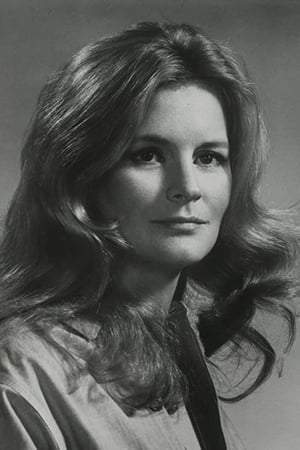
Jean Griffin (Dorothy Tristan)
Played by Dorothy Tristan
Geoffrey’s estranged wife, bored with the family trip and emotionally distant. Her attitude helps catalyze Geoffrey’s personal journey away from the marriage.
- 💔 Separation
- 👥 Family
- 🗣️ Tension
- GG
George Griffin (John Lehne)
Played by John Lehne
Geoffrey’s brother who provides financial support and a window into the family dynamics. He represents a practical counterpoint to Geoffrey’s romantic rebellion.
- 👤 Family
- 💵 Support
- 🗣️ Guidance
- RG
Randy Griffin (Randy Faustino)
Played by Randy Faustino
Geoffrey and Jean’s child, whose disengagement reflects the broader emotional distance within the family during the crisis.
- 👶 Family
- 🌀 Distance
- 🗨️ Interaction
- BG
Bob Griffin (Stephen Rogers)
Played by Stephen Rogers
Geoffrey and Jean’s other child, reinforcing the family’s fractured dynamics during the unfolding events.
- 👶 Family
- 🗺️ Distance
- 🗨️ Interaction
-
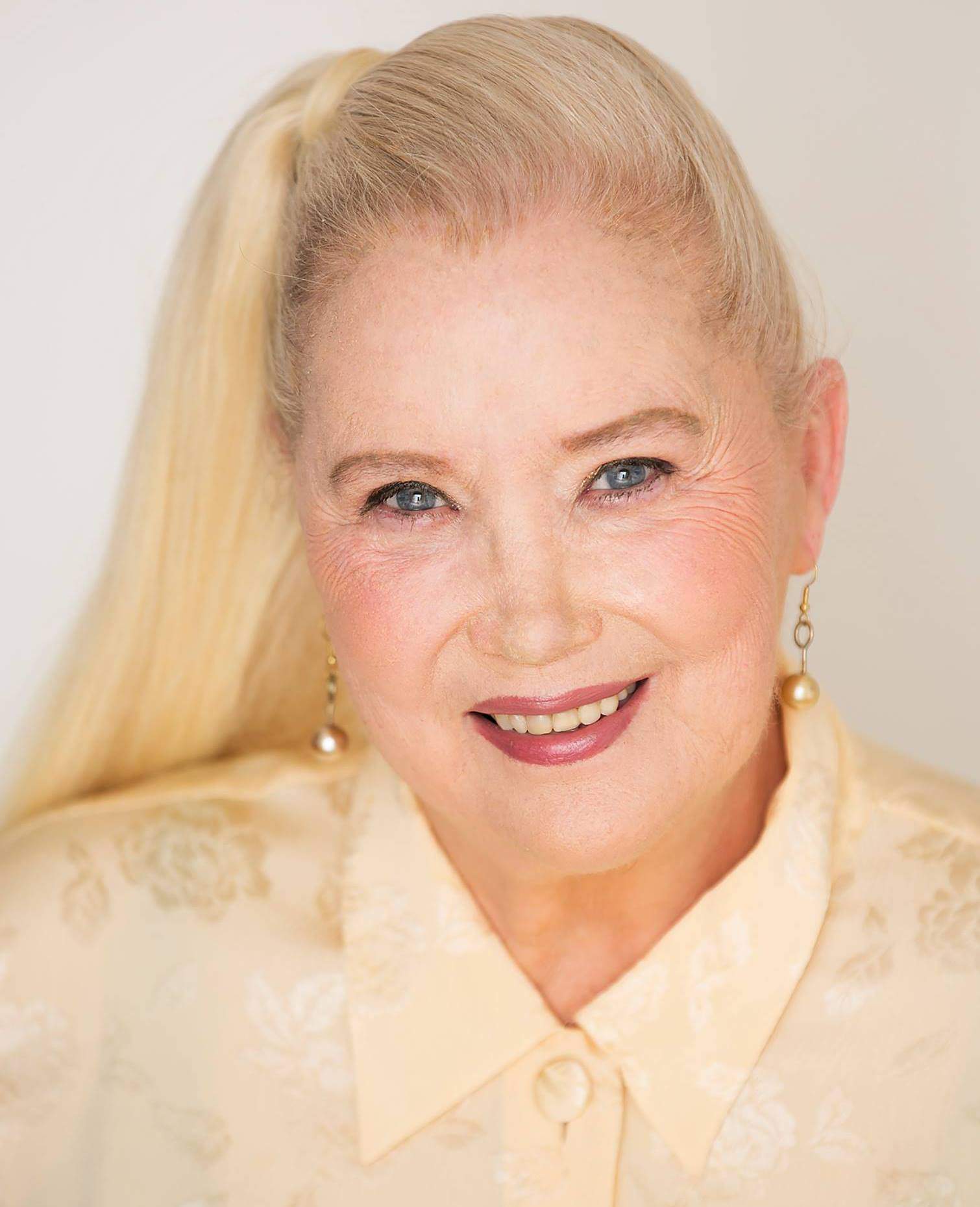
Jody (Sally Kirkland)
Played by Sally Kirkland
A supporting ensemble member whose presence contributes to the film’s examination of relationships and illness through interactions around the main couple.
- 👥 Ensemble
- 🩺 Medical
- 🗨️ Dialogue
- DF
Dr. Feinberg (Ben Hammer)
Played by Ben Hammer
One of the doctors delivering the medical news and shaping the protagonists’ understanding of their conditions.
- 🏥 Medical
- 🧪 Diagnosis
- 🧭 Guidance
- DT
Dr. Thompson (Irwin Charone)
Played by Irwin Charone
A physician involved in the unfolding medical storyline surrounding the illnesses of Geoffrey and Sarah.
- 🏥 Medical
- 🗺️ Clinic
- 🧭 Guidance
- DG
Dr. Glenn (John Harkins)
Played by John Harkins
Another medical professional contributing to diagnosis and care in the central plot.
- 🏥 Medical
- 👨⚕️ Doctor
- 🧭 Decision
- OM
Old Man (George Chandler)
Played by George Chandler
A minor figure who situates the story within the social fabric of its setting.
- 🧓 Senior
- 🗨️ Interaction
- 🗺️ Setting
- DH
Dr. Harding (Ken Sansom)
Played by Ken Sansom
Another medical professional contributing to the central medical narrative.
- 👨⚕️ Doctor
- 🧬 Science
- 🩺 Diagnosis
- P(
Professor (Milton Parsons)
Played by Milton Parsons
The professor in the class Psychological Processes of Death and Dying, where Geoffrey and Sarah first connect.
- 🎓 Education
- 🧠 Psychology
- 🗺️ Class
Where and When Is Griffin and Phoenix Set?
Griffin and Phoenix is set in Yosemite National Park and Los Angeles. Here is why the place matters to the story.
Where
Yosemite National Park, Los Angeles
The story opens with a camping trip in Yosemite National Park, using the rugged outdoors as a backdrop for a family strained by apathy. The park setting contrasts with the private storms each character faces, emphasizing isolation and distance within a troubled family. Later the action shifts to Los Angeles for medical visits and the evolving romance between Geoffrey and Sarah.
- ❄️ Outdoors
- 🗺️ National Park
- 🚗 Road trip
What Are the Themes of Griffin and Phoenix?
4 ideas the story keeps returning to, among them Love and Mortality, Nonconformity and Mortality.
-
01
Love and Mortality
Two terminally ill people form a hopeful, fragile romance that gives meaning to the time they have left. Their relationship becomes a lens on how love can emerge suddenly and empower individuals facing death. The story examines vulnerability, commitment, and the courage to live fully in the face of a terminal prognosis.
-
02
Nonconformity
Geoffrey and Sarah reject conventional expectations by engaging in playful, rebellious acts in public, choosing spontaneity over stability. Their escapades—like sneaking into cinemas and painting a water tower—highlight a desire to redefine what it means to live when time is limited. The couple builds meaning through shared mischief rather than social acceptance.
-
03
Mortality
The presence of terminal illness frames every choice and twist of fate, forcing characters to confront the value and fragility of life. The revelation of each other’s illness deepens their bond, even as death hovers over their happiness. The ending underscores the inevitability of loss and the impact of memory.
-
04
Legacy
Small acts—like leaving messages on water towers and a gravestone note—become a record of the couple’s brief romance. The maintenance crew’s final act of painting over the messages suggests memory fades, but the story implies that such connections can leave a lasting, if fragile, imprint. It asks what remains when love meets mortality.
What Kind of Film Is Griffin and Phoenix?
Melancholic in tone, with steady pacing and a straightforward story, going by the plot summary.
- Tone
- Melancholic
- Pacing
- Steady
- Story
- Straightforward
- Intensity
- Medium
- Ending
- Sad
A tender yet somber romance about two people living with terminal illness, characterized by a melancholic tone, stolen moments of joy, and the profound weight of impending loss.
- melancholic
- romantic
- tender
- reflective
- somber
- yearning
- terminal illness
- love in the face of death
- carpe diem
- grief and loss
Content notes: terminal illness, death of a main character.
Quiz
How well do you remember Griffin and Phoenix? Test yourself on the story.