What Is Good Luck, Miss Wyckoff About?
The premise of Good Luck, Miss Wyckoff in 374 words, with nothing given away. The full story follows below.
In the quiet town of Freedom, Kansas, 1956 feels both timeless and suffocating. The town’s modest streets and its close‑knit community form a backdrop of restrained propriety, where every smile is measured and every deviation is whispered about. Within the austere walls of the high school, Evelyn Wyckoff—a 35‑year‑old Latin teacher—moves through her days with a polished veneer, admired by students and colleagues alike yet haunted by an inner emptiness. Her life is marked by a stark paradox: outward composure paired with a yearning that intensifies as she approaches premature menopause, a physical and emotional crossroads that leaves her feeling adrift.
Seeking any hint of direction, Evelyn turns to a physician who gently suggests that love might be the antidote to her disquiet. A referral leads her to Dr. Steiner, a psychologist whose conversations coax her toward an acknowledgement of a deep‑seated hunger for connection. The prospect of intimacy begins to surface, casting a fragile light on what has long been concealed behind her disciplined exterior. Subtle flirtations with a kind‑hearted bus driver hint at possibilities, yet the weight of duty and the fear of disrupting others’ lives keep her desire locked behind a cautious façade.
Amidst this inner turbulence, a new presence enters her world: Rafe Collins, a young Black janitor whose quiet confidence and keen observation disturb the careful equilibrium Evelyn has maintained. Their interactions ignite a charged dynamic that straddles the forbidden lines of race, class, and power, exposing Evelyn to emotions she has never permitted herself to explore. The tension between attraction and societal constraint creates a simmering tension that drives the film’s core, inviting viewers to linger on the uneasy intimacy that blossoms in the shadows of a conservative Midwest.
The tone of the story is deliberately hushed and introspective, blending the muted palette of mid‑century America with an undercurrent of restless yearning. Cinematically, the film lingers on lingering glances, the soft rustle of a classroom after hours, and the pervasive silence that belies a storm of unspoken longing. It is a study of desire and self‑acceptance set against a world that offers little room for deviation, inviting the audience to contemplate how far a woman will go to claim the fragments of herself that have long been denied.
What Happens in Good Luck, Miss Wyckoff?
The complete story of Good Luck, Miss Wyckoff, from the first scene to the last, in 457 words (about 2 minutes). Spoilers throughout. Names in the text link to 6 cast member pages.
Spoilers ahead
In 1954, in the fictional Kansas town of Freedom, Evelyn Wyckoff is a lonely and deeply troubled 35-year-old high-school Latin teacher who has lost satisfaction in her work, despite being well-liked by both students and colleagues. She is physically attractive yet still a virgin, and she sits on the cusp of premature menopause, a combination that leaves her feeling adrift. Her physician, Dr. Neal, believes that a romantic relationship could help lift her spirits and points her toward Dr. Steiner, a psychologist practicing in Wichita. Through the conversations with [Dr. Steiner], Evelyn begins to acknowledge a real hunger for love and connection, a spark she has long denied.
Her search for affection leads her to flirt with Ed Eckles, a warm-hearted bus driver who ferries her on trips to Wichita. Ed is earnest and caring, and he admits that he cares for her, even suggesting they nurture a love affair. Yet the prospect troubles him because he is married, leaving Evelyn torn between desire and the risk of complicating someone else’s life. When she finally gathers the courage to pursue the relationship, she discovers that Ed has already left town, leaving her with a renewed sense of loneliness and confusion.
The course of her life takes a darker turn when she is confronted by Rafe Collins, a cocky Black college student who cleans classrooms after hours. Initially, he makes lewd suggestions and pushes boundaries, and Evelyn flees in panic, choosing not to report the incident. The following day, he returns and rapes her on her desk, an act that shatters any sense of safety she had left. What begins as fear grows into a brutal, ongoing cycle of control, as Rafe Collins subjects her to daily abuse. Evelyn finds herself caught between a mixture of fear, shame, and momentary coercive longing, a terrifying dynamic she does her best to endure.
The assault becomes public when Evelyn’s screams, as she is forced against a hot radiator during sex, draw the attention of two janitors who walk in and witness the horrifying scene. A scandal erupts, and Evelyn faces relentless ostracism from the town. The local principal, Havermeyer, is compelled to sever her ties with the school and directs her to seek a new job in another town in New Jersey, a move that isolates her further but also sets the stage for a possible reinvention of her life. Soon the community’s judgmental gaze hardens into outright coldness, pushing Evelyn toward the brink as she contemplates suicide. Yet the story ultimately centers on her resilience: she begins to reclaim her sense of self and chooses to leave Freedom behind, stepping into a future where she can rebuild her life away from the scorn and stigma that once defined her.
Good Luck, Miss Wyckoff Timeline: Every Key Event in Order
12 key events in the order they happen, from “A lonely Latin teacher in Freedom” to “A new life beyond Freedom”. 12 events name a place, across 9 locations.
- 1
A lonely Latin teacher in Freedom
In 1954, Evelyn Wyckoff, a 35-year-old Latin teacher, lives in the small Kansas town of Freedom. She is deeply depressed and feels disconnected from life, despite being well-liked by students and colleagues. Her sense of purpose has faded, leaving her searching for meaning in a colorless routine.
When:1954 Where:Freedom, Kansas
- 2
Doctor's advice and referral
Her physician, Dr. Neal, suggests that her problems might ease if she pursued a romantic relationship. He directs her to Dr. Steiner, a psychiatrist in Wichita. The suggestion sets Evelyn on a path toward therapy as a way to rediscover love and connection.
When:1954 Where:Freedom and Wichita
- 3
Therapy begins
Evelyn's talks with Dr. Steiner gradually help her recognize a craving for love rather than mere fulfillment. She starts to acknowledge that her unhappiness stems from a longing for romantic connection. Therapy marks the first step toward accepting her own needs.
When:early 1954 Where:Wichita, Dr. Steiner's office
- 4
Flirtations on the Wichita trips
On her trips to Wichita, Evelyn begins flirting with Ed Eckles, a friendly bus driver who shows genuine care. He responds with warmth and invites a closer relationship. The possibility of romance promises relief from isolation, though complications soon surface.
When:1954 Where:Wichita
- 5
Ed Eckles' marriage complicates matters
Ed reveals that he is married, making an affair seem risky and morally fraught. Evelyn hesitates, torn between craving companionship and fear of public judgment. The dilemma leaves her both hopeful and uncertain.
When:1954 Where:Wichita
- 6
Ed leaves town before any relationship can form
Just as Evelyn becomes ready to pursue Ed, he leaves town for good, ending the possibility of their romance. The failed prospect intensifies her loneliness and pushes her toward a darker isolation. The missed connection deepens the emotional vacuum.
When:1954 Where:Town of Freedom / Wichita
- 7
Rafe Collins appears with harassment
The next day, Rafe Collins, a cocky Black college student who cleans classrooms, approaches Evelyn with lewd suggestions. She flees the room in panic and resolves to tell no one about the incident, hoping it was an isolated episode. The threat of ongoing harassment looms.
When:1954 Where:School classroom
- 8
Rafe rapes Evelyn in the classroom
The following day, Rafe returns and rapes Evelyn on her desk. Over time, his presence becomes a daily pattern of coercive encounters, mixing intimidation with sexual exploitation. She endures the abuse in a web of fear, shame, and conflicting feelings.
When:1954-1955 Where:School classroom
- 9
Public scandal erupts
When Evelyn's screams during a particularly brutal act are heard by two janitors, the incident becomes a public scandal. The school and town turn against her, forcing her to confront ostracism and gossip. The stigma damages her reputation and support system.
When:post-radiator incident Where:School, town
- 10
Principal Havermayer's intervention
Principal Havermayer is compelled to address the fallout, and he suggests that Evelyn resign and take a job in New Jersey. The pressure to leave town crystallizes as a consequence of the scandal. The school and community's response accelerates her departure.
When:post-scandal Where:School; move to New Jersey
- 11
Suicidal thoughts and the darkest moment
With the community's cold treatment, Evelyn contemplates suicide as a desperate escape from public shame. She faces the consequences of the assault and the crushing weight of social condemnation. The moment marks the nadir from which she must try to rebuild.
When:post-scandal Where:Freedom, Kansas
- 12
A new life beyond Freedom
In the end, Evelyn regains her strength and decides to move out of town to begin a new life. She seeks autonomy and a fresh future away from the judgmental gaze of her former community. The move to New Jersey signals a new chapter and the possibility of healing.
When:end of story Where:Moves to New Jersey
Who Are the Main Characters in Good Luck, Miss Wyckoff?
6 characters, among them Evelyn Wyckoff (Anne Heywood), Rafe Collins (John Lafayette) and Dr. Steiner (Donald Pleasence): who each one is and the part they play in the story. Every profile links to the actor’s page.
- EW
Evelyn Wyckoff (Anne Heywood)
Played by Anne Heywood
A lonely, depressed 35-year-old high-school Latin teacher who longs for love. Her journey spans seeking connection, enduring abuse, and ultimately reclaiming her life. She is shown as compassionate yet conflicted, torn between societal judgment and her own needs.
- 🎭 Protagonist
- 💔 Trauma survivor
- 🧭 Resilient
- RC
Rafe Collins (John Lafayette)
Played by John Lafayette
A cocky Black college student who works as a janitor and becomes Evelyn’s abuser. The character is depicted as a sadistic, controlling figure who exerts power through sexual violence and intimidation.
- 🧑🎓 Antagonist
- 💢 Predatory
- ⚠️ Violent
-
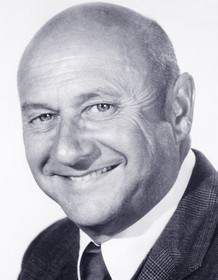
Dr. Steiner (Donald Pleasence)
Played by Donald Pleasence
A psychiatrist in Wichita who counsels Evelyn, providing some hope and insight as she confronts her feelings and trauma. He represents a more progressive medical approach to mental health for the era.
- 🧠 Therapist
- 💡 Supportive
- 🔎 Clinician
-

Dr. Neal (Robert Vaughn)
Played by Robert Vaughn
A physician who suggests that Evelyn’s problems might be solved through romance, reflecting the era’s simplistic, problematic views on psychology and gender.
- 👨⚕️ Doctor
- 💬 Conventionalist
- 🧩 Skeptical
- H(
Havermeyer (Dana Elcar)
Played by Dana Elcar
The friendly principal who must confront the scandal when the school community pressures her to resign. He embodies the institutional response to perceived impropriety.
- 🏫 Principal
- 🧊 Strict
- 🗣️ Administrative
- EE
Ed Eckles (Earl Holliman)
Played by Earl Holliman
A kind, married bus driver who offers Evelyn warmth and the possibility of love, representing a hopeful counterpoint to her failed romance with Dr. Neal.
- 🚎 Supportive
- 💖 Potential love interest
- 🧭 Compassionate
Where and When Is Good Luck, Miss Wyckoff Set?
Good Luck, Miss Wyckoff is set in Freedom, Kansas, Wichita, Kansas and New Jersey (1954). Here is why the time and place matter to the story.
When
1954
The events unfold in 1954, a period marked by rigid gender roles, conservative social mores, and strong community surveillance in small-town America. Issues of sexuality, propriety, and reputation heavily color daily life and how a woman’s experiences are publicly perceived. The era’s medical and social attitudes shape how Evelyn seeks help and how others respond to her situation.
Where
Freedom, Kansas, Wichita, Kansas, New Jersey
Freedom, Kansas is a fictional small-town setting where Evelyn teaches and social life centers on school, church, and local reputation. Wichita acts as the nearby urban hub with medical professionals and psychiatrists that pull Evelyn into a broader world beyond her hometown. New Jersey is the destination the story points to for a fresh start after the scandal, signaling a move away from her previous life.
- 🏘️ Small town
- 🏙️ Urban center
- 🚗 Travel corridor
What Are the Themes of Good Luck, Miss Wyckoff?
4 ideas the story keeps returning to, among them Ostracism, Trauma and Healing and Power and Exploitation.
-
01
Ostracism
Evelyn’s alleged transgression becomes a source of gossip and public shaming. The town’s reactions reveal how social reputation can override personal trauma, pushing her toward resignation and isolation. The film uses this pressure to critique how communities police female sexuality and silence survivors.
-
02
Trauma and Healing
The assault triggers deep emotional pain and confusion for Evelyn, highlighting the long arc from denial to acknowledgment. Therapy and conversation with clinicians become a cautious path toward understanding and reclaiming agency. The narrative tracks her struggle to process shame while seeking genuine connection.
-
03
Power and Exploitation
Rafe Collins embodies predatory power, using authority and aggression to control Evelyn. The dynamic exposes how vulnerability can be manipulated in unequal social hierarchies, including race and gender tensions of the era. The characters’ interactions critique the abuse embedded in power imbalances.
-
04
Resilience and New Beginning
Despite social condemnation, Evelyn finds a path toward reconciling her sense of self and moving forward. The ending emphasizes personal growth, autonomy, and the possibility of rebuilding a life away from the town’s scorn. It frames her as a survivor who envisions a different future.
What Kind of Film Is Good Luck, Miss Wyckoff?
Dark in tone, with steady pacing and a moderate story, going by the plot summary.
- Tone
- Dark
- Pacing
- Steady
- Story
- Moderate
- Intensity
- High
- Ending
- Bittersweet
A dark and emotionally heavy drama that explores the oppressive nature of trauma and shame through a teacher's brutal sexual abuse and her difficult, bittersweet journey toward reclaiming her life.
- oppressive
- lonely
- traumatic
- anxious
- brutal
- melancholic
- sexual abuse
- power dynamics
- psychological trauma
- loneliness and isolation
Content notes: sexual assault, rape, sexual abuse, psychological trauma, suicidal thoughts.
Quiz
How well do you remember Good Luck, Miss Wyckoff? Test yourself on the story.