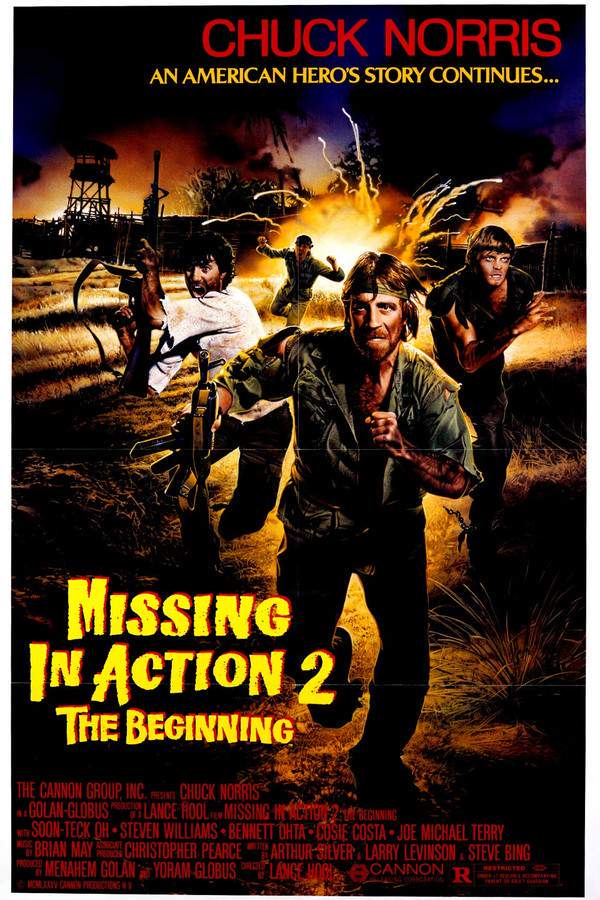
What Is Good Guys Wear Black About?
The premise of Good Guys Wear Black in 319 words, with nothing given away. The full story follows below.
In the restless aftermath of the Vietnam War, the world of John T. Booker is a blend of academic lecture halls and the high‑octane roar of race‑car engines, set against the sun‑baked streets of 1970s Los Angeles. The city itself pulses with a mix of optimism and unresolved tension, a place where former soldiers and political machinations intersect in smoky cafés and boardrooms. Beneath the surface, the lingering echo of a secretive rescue operation looms, coloring every conversation about duty, honor, and the cost of decisions made far from home.
John T. Booker carries the weight of a battlefield that never truly ended. Once the leader of an elite commando team, he now imparts his hard‑won lessons as a political science professor at UCLA, his lectures laced with a veteran’s skepticism about the motives that send young men into foreign jungles. Outside the classroom, he pursues the thrill of racing, a dangerous pastime that mirrors the adrenaline of his past life and offers a fleeting sense of control over a world that feels increasingly unpredictable.
Margaret arrives as a sharp‑witted journalist drawn to Booker’s controversial perspective. Her probing questions about the failed mission and the fate of the surviving operatives spark a connection that is both intellectual and personal, pulling Booker deeper into a web of old loyalties and unanswered questions. Their exchanges crack open the veneer of academic debate, hinting at larger forces still at work on the global stage.
The film settles into a tone of quiet suspense, where the past is a shadow that follows every step. The atmosphere blends the cool detachment of scholarly inquiry with the gritty immediacy of a man who once lived on the edge of danger. As old secrets begin to surface, the story invites the audience to linger on the uneasy balance between redemption and retribution, and to wonder what price will be paid when history refuses to stay buried.
What Happens in Good Guys Wear Black?
The complete story of Good Guys Wear Black, from the first scene to the last, in 393 words (about 2 minutes). Spoilers throughout. Names in the text link to 2 cast member pages.
Spoilers ahead
In 1973, United States Senator Conrad Morgan, the chief diplomat in negotiating the end of the Vietnam War, James Franciscus makes a deal in Paris with Kuong Yen, a North Vietnamese negotiator. The pact calls for Yen to release certain key CIA POWs in exchange for Morgan arranging a deadly trap for an elite group of CIA operatives known as the Black Tigers. The treaty is signed and the Black Tigers are sent into the Vietnamese jungle to meet their unwitting doom, misled to believe they are on a mission to liberate American POWs. Yet this plan crashes against one stubborn reality: the commandos’ team leader is Major John T. Booker, a determined and capable presence who refuses to break under pressure. Despite overwhelming odds, Booker survives, along with the four men who stayed by his side.
Five years after returning from Vietnam, Booker is back in Los Angeles, where he works as a political science professor at UCLA and indulges a high-octane hobby—race-car driving. In the classroom, he critiques the war and questions how the United States became entangled in it, sparking the interest of a sharp-witted journalist who attends his lectures. Margaret Anne Archer has pointed questions about the botched rescue mission and the fate of the Black Tigers, and her presence stirs both professional curiosity and personal risk. As the body count rises—someone is methodically eliminating the surviving members of Booker’s former team—the former commando is dragged back into a tangled web of old loyalties and hidden motives.
The trigger that pulls Booker back into his haunted past comes when Morgan ascends to Secretary of State and Yen uses the new leverage to pressure an old ally into fulfilling the unfinished business: the complete extermination of the Black Tigers. What follows is a tense confrontation between duty and survival, where the lines between ally and enemy blur and every step brings Booker closer to confronting the shadows that were cast decades earlier. In a story built on political intrigue, personal vengeance, and the lingering costs of war, the pursuit becomes as much about protecting the living as it is about righting the mistakes of the past. A saga of secrets, loyalty, and the price of vengeance unfolds with relentless momentum, inviting readers to weigh the costs of decisions made in rooms where history is written and lives are irrevocably altered.
Good Guys Wear Black Timeline: Every Key Event in Order
12 key events in the order they happen, from “Paris deal to end the Vietnam War” to “Booker faces the past as threats mount”. 8 events name a place, across 6 locations.
- 1
Paris deal to end the Vietnam War
In Paris, 1973, United States Senator Conrad Morgan negotiates with Kuong Yen to end the Vietnam War. The agreement trades the release of certain CIA POWs for a death trap set for the Black Tigers. The treaty is signed and the Black Tigers are sent into the jungle under the impression they are liberating POWs, with Major John T. Booker as their team leader. Booker survives along with four other members who had stayed near him in the field.
When:1973 Where:Paris
- 2
Doomed Black Tigers mission
The Black Tigers are sent into the Vietnam jungle on a mission they are told will liberate American POWs. In reality it is a setup, a death trap tied to the earlier Paris deal. The team is unaware of the trap and relies on their leadership under Major John T. Booker, who will ultimately survive the mission alongside a few others.
When:1973 Where:Vietnam jungle
- 3
Booker and survivors return
Despite heavy odds, Major John T. Booker survives the mission along with several nearby teammates who had wisely stuck with him. The rest of their unit has fallen to the trap. The survivors carry the memory of the botched operation as they fade from the public eye.
When:1973 Where:Vietnam jungle
- 4
Booker in Los Angeles as professor
Five years after returning from Vietnam, Booker lives in Los Angeles and works as a political science professor at UCLA. He also pursues a hobby of race-car driving. His present life is quiet but haunted by memories of the mission and its failures.
When:1978 Where:Los Angeles
- 5
Booker’s UCLA lectures
At UCLA, Booker lectures about how the war should not have happened and argues that the U.S. should not have been involved. His critique of the war underscores the moral and political fallout of the botched rescue mission. The lecture attracts attention from students and locals who question the official narrative.
When:1978 Where:UCLA campus, Los Angeles
- 6
Margaret attends and questions the past
A bright female reporter named Margaret sits in on Booker's lecture and asks pointed questions about the botched rescue mission. Her questions hint at a lingering mystery surrounding the survival and the cover-up. The encounter foreshadows the danger creeping back into Booker's life.
When:1978 Where:UCLA, Los Angeles
- 7
A killer targets the survivors
Soon after, Booker and the other surviving members of the Black Tigers become targets as someone begins slowly killing them off. The string of killings shocks the community and signals that history may be repeating itself. The threat implicates not just the past, but those connected to the Paris deal.
When:1978
- 8
Morgan’s Secretary of State appointment
Morgan is appointed Secretary of State, a move that mobilizes Yen to resurrect the unfinished deal. The appointment ties the old geopolitical maneuver to current events and draws Booker back into the web of conspiracies. The setting shifts to Washington, D.C., where major power plays unfold.
When:1978 Where:Washington, D.C.
- 9
Yen blackmails to force the ex-negotiations buddy
Yen uses the leverage created by Morgan's new role to blackmail his former negotiation partner into carrying out the extermination of the Black Tigers. The blackmail reveals that the old deal is not over and that lethal consequences still await the survivors. The power plays intensify in Washington, D.C.
When:1978 Where:Washington, D.C.
- 10
Extermination plan revived
With Yen's coercion, the plan to exterminate the Black Tigers is revived and moved toward execution. The revived mission signals a direct threat to Booker and the surviving veterans who had hoped for peace. The outline of the operation remains shrouded in secrecy as the players maneuver.
When:1978
- 11
Tension escalates for the Black Tigers
The renewed danger tightens around the remaining Black Tigers as their kill orders circulate. Booker finds his past colliding with the present as threats close in on him and the people he cares about. The stakes rise as the conspiracy edges toward its execution.
When:1978
- 12
Booker faces the past as threats mount
The danger pulls Booker deeper into the past, reconnecting him with the events of the Paris deal and the fate of the Black Tigers. He must confront the machinations of Yen, Morgan, and their circle to protect the remaining survivors. The summary ends with the plan to eradicate the Black Tigers still in motion, leaving Booker at a crossroads.
When:1978
Who Are the Main Characters in Good Guys Wear Black?
3 characters, among them John T. Booker (James Franciscus), Margaret (Anne Archer) and Conrad Morgan: who each one is and the part they play in the story. 2 of them link to the actor’s page.
-
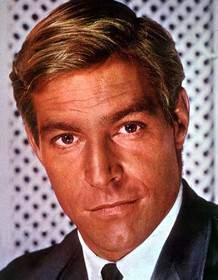
John T. Booker (James Franciscus)
Played by James Franciscus
A former Black Tiger team leader who survives the jungle mission and becomes a UCLA political science professor. He bridges military discipline with intellectual skepticism, often lecturing on why the war should not have happened. Calm, calculating, and driven by the desire to expose the truth behind the botched rescue, he remains the moral center of the story.
- 🎖️ Veteran
- 📚 Educator
- 🧭 Strategic
-

Margaret (Anne Archer)
Played by Anne Archer
An inquisitive reporter who attends Booker’s lecture and probes the truth behind the Black Tiger conspiracy. She embodies persistence and a willingness to risk safety for the story. Her questions propel the investigation into who is really pulling the strings.
- 🗞️ Reporter
- 💡 Curious
- 🔍 Investigative
- CM
Conrad Morgan
A U.S. Senator and diplomat whose Paris deal becomes the catalyst for the deadly revenge plot. His actions reflect the tension between public service and political expediency, as he becomes a target and a potential suspect in the ensuing killings.
- 🗳️ Politician
- 🎯 Calculated
- 🕊️ Power broker
Where and When Is Good Guys Wear Black Set?
Good Guys Wear Black is set in Paris, Vietnam jungle and Los Angeles (UCLA) (1970s). Here is why the time and place matter to the story.
When
1970s
The narrative begins with a 1973 Paris negotiation and follows the fallout over the next five years. It situates its action in the post-Vietnam era, mixing political deals with military regrets. The late 1970s setting emphasizes a world still grappling with unresolved war consequences and clandestine operations.
Where
Paris, Vietnam jungle, Los Angeles (UCLA)
The story spans multiple locations: Paris hosts the high-stakes diplomatic deal, the Vietnam jungle is the theater of the ill-fated rescue mission, and Los Angeles, specifically UCLA, grounds Booker’s postwar life. These settings anchor the film in a 1970s geopolitical climate, shifting from diplomatic intrigue to personal recollection. The contrast between foreign war zones and an academic campus highlights the film’s mix of espionage thriller and memoir.
- 🗺️ Global backdrop
- 🕊️ Cold War politics
- 🏛️ Government diplomacy
What Are the Themes of Good Guys Wear Black?
3 ideas the story keeps returning to, among them Conspiracy, Moral Ambiguity and War Legacy.
-
01
Conspiracy
A secret pact between a U.S. senator and a North Vietnamese negotiator sets off a plot to exterminate a U.S. special forces unit. The film threads political leverage, deception, and betrayal across the corridors of diplomacy and the jungles of Vietnam. The investigation into the surviving Tigers exposes how high-stakes politics can weaponize personal duty.
-
02
Moral Ambiguity
The tale questions whether saving face in diplomacy justifies murdering soldiers who were misled about their mission. Booker’s critique of the war contrasts with the danger of revenge becoming policy. The narrative blurs lines between hero and villain, forcing characters to choose between loyalty and truth.
-
03
War Legacy
Survivors carry the weight of a botched operation and its political cover-up. The past asserts itself in the present as assassinations ripple through academic halls and political circles. The film treats memory as a weapon, shaping actions long after the battles have ended.
What Kind of Film Is Good Guys Wear Black?
Tense in tone, with fast pacing and a moderate story, going by the plot summary.
- Tone
- Tense
- Pacing
- Fast
- Story
- Moderate
- Intensity
- High
- Ending
- Happy
A fast-paced and tense 1970s action thriller where a former commando uncovers a deadly government conspiracy while hunting those responsible for killing his former squad.
- tense
- action-packed
- revenge-driven
- suspenseful
- paranoid
- determined
- political conspiracy
- military revenge
- government betrayal
- assassination plot
Content notes: war violence, assassination, military combat.
Quiz
How well do you remember Good Guys Wear Black? Test yourself on the story.