
Fools’ Parade 1971

Directed by
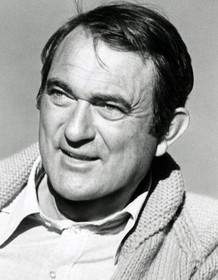
Andrew V. McLaglen
Made by

Columbia Pictures
Fools’ Parade Plot Summary
Read the complete plot summary and ending explained for Fools’ Parade (1971). From turning points to emotional moments, uncover what really happened and why it matters.
In 1935, the one-eyed murderer, Mattie Appleyard, who refers to his obviously unmatched glass eye with the persona, “Tighe,” wakes up alongside bank robber Lee Cottrill and a young convict named Johnny Jesus after being released on the same day from the West Virginia State Penitentiary in the fictional town of Glory. The trio has spent forty years behind bars, and Appleyard receives a check for $25,452.32 as compensation for his long prison labor—a hefty sum during the depths of the Great Depression. Their shared dream is simple and audacious: to strike out on their own and open an independent grocery store in a distant coal camp community that still lacks a proper, customer-friendly shop.
The three men are escorted by the prison Captain and Sunday School teacher, Dallas ‘Doc’ Council, to Glory’s local train station. The ride becomes the opening act of a dangerous plan: the check can only be redeemed in person back in Glory, so Council has secretly conspired with Glory banker Homer Grindstaff to ensure the money will never be cashed. Council even hints that the blood money will partly support missionary work and a vacation Bible school, weaving religious rhetoric into a deadly plot.
At a later train stop, Council, along with his accomplices, the manipulative radio singer Junior Kilfong and the steady but sinister Steve Mystic, aims to strike. Mystic has already described Appleyard, Cottrill, and Johnny as atheists, and Kilfong asks for reassurance about their beliefs, a detail that foreshadows the moral games at play. The plan is jeopardized when guilt-ridden conductor Willis Hubbard overhears the plot and sounds the alarm, allowing the three escapees to slip away. In the confusion, Kilfong shoots mining-supply salesman Roy K. Sizemore, and Council coldly finishes the job by killing the wounded Sizemore and pinning the blame on Appleyard. The killer escapes with Sizemore’s dynamite.
The next day, Council revisits Grindstaff at the bank. Appleyard, armed with dynamite strapped to his chest and more packed in a suitcase, marches in and uses the threat of violence to force the bank to cash the check. The famous line echoes in the tension: Appleyard proclaims he will blow up the bank “and half this city block” if the money isn’t paid. The banker reluctantly complies, and the trio’s plan to secure their future appears momentarily to be within reach.
The group splits up to lay low and meet later, but trouble follows them. Cottrill ends up boarding a rickety houseboat owned by a down-on-her-luck prostitute named Cleo and is joined by Chanty Thorne, a sixteen-year-old girl Cleo has taken in, hoping to sell her virginity for $100. Appleyard and Johnny show up, but Council’s bloodhound marks their trail. The two fugitives manage to escape in a skiff, leaving behind the dynamite-laden stash, but Johnny stays concerned about what will happen to Chanty, so they circle back when Council departs.
Before leaving, Council informs Cleo about Appleyard’s money, and at gunpoint the young men surrender the suitcase that Cleo believes holds the cash, in exchange for Chanty. Cleo, suspicious of what she’s really got, tries to pry open the locked suitcase and, in a desperate act, sets off an explosion aboard the houseboat, killing herself. The now-fractured trio finds themselves trapped on a boxcar, with a guilt-ridden conductor, Hubbard, returning to help them escape. He’s too afraid of Council to come forward, though, keeping his truth hidden.
The chase resumes as Council, Mystic, and Kilfong close in on the fugitives at an abandoned house. In a brutal turn, Council kills Mystic and Kilfong, sparing no one but himself to claim the loot. Johnny hurls a stick of dynamite at Council, but the weapon is retrieved by Council’s loyal bloodhound and brought back. Appleyard yanks the remaining dynamite out of the room and hurls it away, this time sealing Council’s fate with a deadly explosion.
Arrest follows. The money is confiscated, and Hubbard eventually confesses what he knows, leading to Grindstaff’s arrest. With the truth out, Appleyard and his friends are exonerated, and the long-awaited moment arrives: Appleyard is finally able to cash his check and, in effect, claim the life that had eluded him for decades. The story closes on a note of uneasy justice, where ambition, crime, guilt, and loyalty collide in a small Appalachian town.
Fools’ Parade Timeline
Follow the complete movie timeline of Fools’ Parade (1971) with every major event in chronological order. Great for understanding complex plots and story progression.
Prison release and escort to Glory
Mattie Appleyard, Lee Cottrill, and Johnny Jesus are released from the West Virginia State Penitentiary. They are escorted to the local train station in Glory, West Virginia. They begin to plan their own independent grocery business in a distant coal camp.
Check issued and redeemable in person
Appleyard is issued a check for $25,452.32 for forty years of prison work. The check can only be redeemed in person at the Glory bank, pulling him back to town. Council has plotted with Grindstaff to ensure the check is never cashed and to obtain a cash advance for the anticipated killings.
Conspiracy to derail the cash windfall
Council informs Grindstaff about the plan to take the money and not let the check be cashed; Grindstaff agrees to help with a cash advance. They intend to kill Appleyard, Cottrill, and Johnny Jesus to divert the funds to missionary support and a Bible school. This conspiracy sets the stage for the attempted ambush.
Nighttime ambush planned at a downstream depot
Council, Mystic, and Kilfong travel to a downstream train stop to ambush the trio at night. Mystic has described the group as atheists to Kilfong, who seeks confirmation before the attack. The plan is to strike from the depot down the line from Glory.
Conductor warns the trio; plot thwarted
Guilt-ridden conductor Willis Hubbard informs the would-be victims of the plot. The trio thwarts the ambush and evades danger. Hubbard's warning contributes to avoiding the immediate trap.
Sizemore shot; dynamite stash secured
Kilfong shoots Roy K. Sizemore, a mining supply salesman. Council kills Sizemore and places the blame on Appleyard. Appleyard escapes with Sizemore's supply of dynamite, heightening the stakes of the pursuit.
Threat to cash the check and bank confrontation
The next day, Appleyard returns to Glory with dynamite strapped to his chest and another bundle in a suitcase. He threatens to blow up the bank and the surrounding block unless Grindstaff cashes his check. Grindstaff reluctantly complies.
Houseboat rendezvous and pursuit
Cottrill boards a houseboat owned by Cleo with Chanty, a young girl Cleo has taken in. Appleyard and Johnny confront them aboard but are tracked by Council. The trio escapes in a skiff, leaving behind the suitcase of dynamite.
Cleo's betrayal and houseboat explosion
Cleo learns of Appleyard's money and exchanges the suitcase for Chanty. Cleo later tries to pry open the locked suitcase, triggering an explosion that destroys the houseboat and kills Cleo.
Boxcar chase and uneasy escape
The fugitives become trapped on a boxcar in the yard, pursued by Council. Hubbard returns as a guilt-ridden conductor and helps them escape, though he fears Council's reach. They slip away under the cover of darkness.
Final pursuit ends in betrayal and death
Council, Mystic, and Kilfong catch up to them at an abandoned house. Council decides not to share the loot and kills Mystic and Kilfong. Johnny throws a stick of dynamite toward Council, but the bloodhound retrieves it and the dynamite is hurled out, killing Council.
Truth revealed; arrests and exoneration
Hubbard confesses the truth to authorities, leading to Grindstaff's arrest and the exoneration of Appleyard, Cottrill, and Johnny Jesus. The money is confiscated and Appleyard is finally allowed to cash his check. Justice is restored for the trio and their partners.
Resolution and a cautious new beginning
With the case resolved, Appleyard and his allies secure their freedom and begin to plan a more cautious future, symbolized by the ability to cash the check. The town returns to routine as the trio looks toward a quieter life away from the pursuit.
Fools’ Parade Characters
Explore all characters from Fools’ Parade (1971). Get detailed profiles with their roles, arcs, and key relationships explained.
Mattie Appleyard (James Stewart)
A seasoned, one-eyed ex-convict who partners with fellow escapees to pursue independence and opportunity. He blends pragmatism with a stubborn sense of loyalty to his friends. Although initially driven by money, his choices reveal a longing for dignity within a corrupt system. His arc culminates in exoneration and a chance to cash his earned check.
Lee Cottrill (Strother Martin)
A brutal, capable accomplice who walks a fine line between criminal pragmatism and dangerous impulsiveness. He trusts Appleyard yet remains willing to take risks for more money and survival. His fate underscores the volatility of alliances in a world ruled by greed and fear.
Johnny Jesus (Kurt Russell)
A young convict released alongside Appleyard and Cottrill. He brings a mix of street smarts and hopeful resilience, often acting as a cautious, courageous voice within the group. He forms bonds with his companions and ultimately helps navigate the perilous pursuit.
Homer Grindstaff (David Huddleston)
A banker who conspires with Doc Council to ensure the cashing of the check never benefits Appleyard. He uses the money as leverage and exhibits the era's greed, yet his arrest at the end suggests a reckoning for the corrupt system he represents.
Dallas 'Doc' Council (George Kennedy)
Prison captain and Sunday School teacher who leads a deceitful plot against the trio. He orchestrates killings and manipulates others to seize the money, revealing a stark hypocrisy between his religious persona and criminal actions. His downfall arrives through the consequences of his own treachery.
Cleo (Anne Baxter)
A down-on-her-luck prostitute who becomes entangled in the money scheme. She believes the suitcase contains wealth and makes choices that lead to self-destruction. Her fate underscores the perilous lure of easy money in a world of desperate lives.
Chanty Thorne (Katherine Cannon)
Sixteen-year-old girl under Cleo's care, used as a pawn in the machinations around the money. Her presence highlights exploitation and the vulnerability of youth in hard times. She survives the central chaos, embodying innocence amid corruption.
Roy K. Sizemore (William Windom)
A mining supply salesman who becomes a casualty in the power play over the money. His theft and subsequent death are used to frame Appleyard, illustrating how quickly individuals can be stoked into violence by desire and deceit.
Willis Hubbard (Robert Donner)
A guilt-ridden train conductor who leaks information about the plot and ultimately aids the trio in escaping. His fear prevents him from reporting what he knows, yet his late bravery helps avert disaster. He embodies the conflicted conscience of ordinary people in compromised times.
Steve Mystic (Mike Kellin)
A conspirator who helps arrange the kill and later reveals the trio's atheism to Junior Kilfong. His willingness to join in violent acts for gain marks him as a corrupting influence among the group’s delicate dynamics.
Junior Kilfong (Morgan Paull)
A cracked-ice-sucking radio singer recruited into the plot, initially lulled by the possibility of quick wealth. His naivety and faith in Mystic's assurances lead him into danger, and he meets a grim end when Council eliminates the two confederates.
Fools’ Parade Settings
Learn where and when Fools’ Parade (1971) takes place. Explore the film’s settings, era, and how they shape the narrative.
Time period
1935
The events unfold in 1935, a year deep in the Great Depression when cash was scarce and opportunity was rare. The town's structures—bank, train station, and penitentiary—frame a period of precarious livelihoods and desperate measures. Economic strain drives the characters to risk everything for money, security, or redemption.
Location
Glory, West Virginia
Glory is a fictional West Virginia coal town set during the Great Depression. Its economy centers on a coal camp, a single bank, and a coal-company store that highlight the era's scarcity and hardship. The town's environment feels tight-knit yet worn, with ordinary life shadowed by criminal plots and economic desperation.
Fools’ Parade Themes
Discover the main themes in Fools’ Parade (1971). Analyze the deeper meanings, emotional layers, and social commentary behind the film.
💰
Greed
Money drives the plot and corrupts institutions. The plan to cash a massive check reveals how financial desperation can corrupt loyalty and morality. Characters chase wealth at others' expense, blurring lines between crime and survival. The pursuit of money ultimately tests trust and sacrifice.
🎭
Hypocrisy
Public virtue clashes with private ruthlessness. A Sunday School teacher and banker conspiring with criminals show a gulf between outward piety and real intent. The film examines how institutions and personas can mask true motives. Faith and morality are weighed against violence and manipulation.
⚖️
Redemption
Despite betrayal and crime, the story centers on moments of moral reckonings. Some characters seek absolution or vindication against corrupt systems. The ending suggests that truth and courage can overturn false accusations. Redemption arrives through confession and collective truth-telling.

Coming soon on iOS and Android
The Plot Explained Mobile App
From blockbusters to hidden gems — dive into movie stories anytime, anywhere. Save your favorites, discover plots faster, and never miss a twist again.
Sign up to be the first to know when we launch. Your email stays private — always.
Explore the mobile appFools’ Parade Spoiler-Free Summary
Discover the spoiler-free summary of Fools’ Parade (1971). Get a concise overview without any spoilers.
In the bleak autumn of 1935, the isolated town of Glory, West Virginia, clings to the edge of the Great Depression. Coal dust hangs in the air, the mountains loom like silent witnesses, and the rhythm of daily life is a fragile mix of hard labor and whispered hope. The town’s cracked storefronts and dimly lit streets create a landscape where every transaction feels like a gamble, and the future is as uncertain as the weather on the ridge.
Into this world step three men who have just been released from the state penitentiary after four decades behind bars. Mattie Appleyard, a one‑eyed veteran of the system, carries the weight of a lifetime of forced labor and a lingering, almost theatrical sensibility. Lee Cottrill arrives with the swagger of a former bank robber, still tasting the rush of his past exploits. Johnny Jesus is the youngest, his youthful optimism bruised but not broken. Their shared experience of confinement has forged a bond that feels both fragile and formidable, setting the stage for a journey that is as much about reclaiming identity as it is about surviving the present.
The trio’s modest ambition—to turn a modest sum of hard‑earned money into a modest general store that will serve the coal‑camp community—quickly runs into the entrenched forces of a town that resists change. A prison official who once held the keys to their freedom now wields his influence like a weapon, while the local banker, guardian of the very check that could finance their dream, stands as an equally stubborn obstacle. The tension between the men’s quiet determination and the town’s hidden currents creates a simmering conflict that hangs over every conversation and every step they take.
Against this backdrop, Fools’ Parade sways between gritty realism and a weary lyricism, capturing the stubborn hope that can bloom even in the most unforgiving soil. The film’s tone is amber‑toned and unflinching, inviting viewers to feel the weight of history while watching three men grapple with redemption, loyalty, and the uneasy promise of a fresh start in a place that has long forgotten how to welcome it.
Movies with Similar Twists and Themes
Uncover films that echo the narrative beats, emotional arcs, or dramatic twists of the one you're exploring. These recommendations are handpicked based on story depth, thematic resonance, and spoiler-worthy moments — perfect for fans who crave more of the same intrigue.
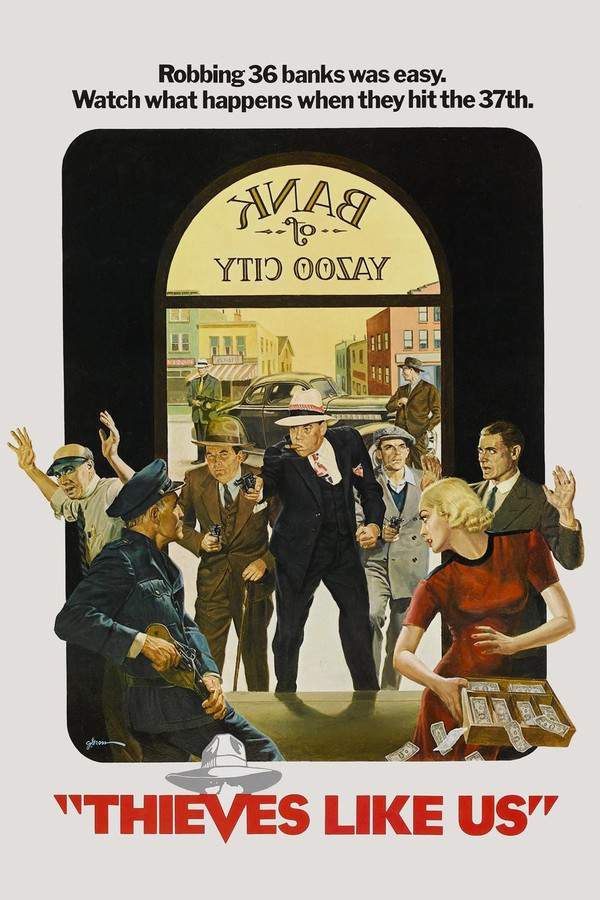

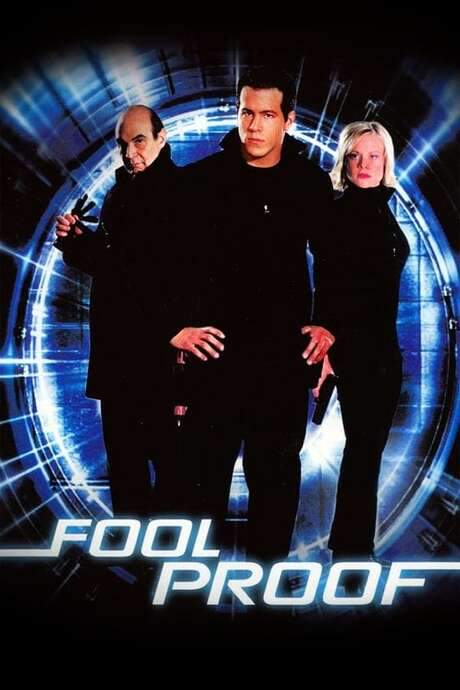

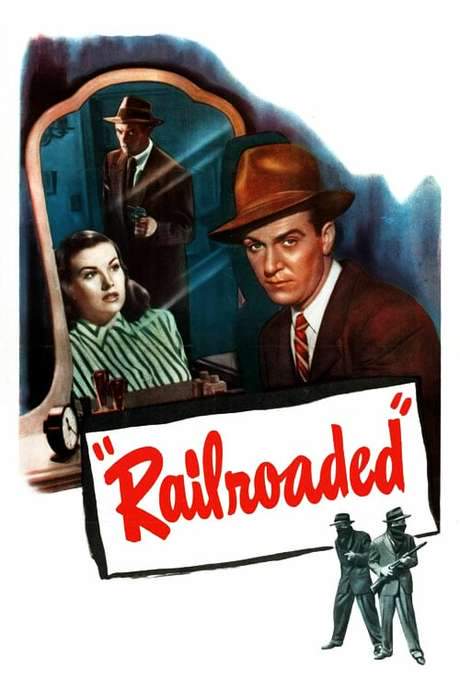

Featured on this page

What's After the Movie?
Not sure whether to stay after the credits? Find out!
Check out our other apps:

SAT Sphere
Build confidence for the Digital SAT.

Mori Atlas
Discover wild places worth protecting.

Luntero
Search smarter for a home in Amsterdam.

Plot Explained
Unravel movie endings and hidden clues.

Pokechamp
Dive into Pokémon data and battle logic.

Driving Theory
Get ready for your European theory test.

Movie Dust
Plan your next cinema trip with ease.

Musemap
Find art and culture as you travel.

Selkobase
Compare credentials before committing.

Local Manual
Turn an unfamiliar country into practical next steps.

Lernavi
Compare school systems before your next move.

GymRoam
Find a workout stop wherever your plans take you.
Explore Our Movie Platform
New Movie Releases (2026)
Famous Movie Actors
Top Film Production Studios
Movie Plot Summaries & Endings
Major Movie Awards & Winners
Best Concert Films & Music Documentaries
Movie Collections and Curated Lists
© 2026 What's After the Movie. All rights reserved.
Privacy Policy