
Flowers for Algernon 2000


Directed by

Jeff Bleckner
Made by

Citadel Entertainment
Where to Watch Flowers for Algernon
See current US streaming, rental, and purchase options for Flowers for Algernon (2000) via JustWatch.









Flowers for Algernon Plot Summary
Read the complete plot summary and ending explained for Flowers for Algernon (2000). From turning points to emotional moments, uncover what really happened and why it matters.
Charlie Gordon is a mentally disabled young man who works as a part-time baker. Alice Kinian, the teacher at the special school that he attends, suggests he undergo an operation to increase his intelligence. In the lead‑up to treatment, Charlie watches a mouse named Algernon navigate an intricate maze with surprising ease, a sign that something extraordinary might be possible for him too.
After the operation, Charlie’s intellectual abilities rise dramatically, and he begins to see clearly how often people have mocked him for his “differentness.” He forms a bond with the doctors and staff who helped him, especially the careful attention of the medical team. He accompanies the surgeon to a conference, where Dr. Jonah Strauss delivers a provocative speech that unsettles Charlie. The scientist’s talk, coupled with Charlie’s own new sharpness, leads him to deliver a forceful response that surprises everyone in the room. Charlie also learns a hard truth about the support systems around him when he notices the unnerving way some people react to the changes in him, and he becomes frightened by a moment of chaos when he releases some mice into the classroom in a moment of panic.
Back at home, the doctor confesses that he is aware of the outcomes from similar experiments conducted elsewhere, which casts a shadow over Charlie’s steady progress. Algernon begins to show signs of decline as well, signaling that the gains might be limited or temporary. Faced with a shrinking window of time, Charlie resolves to use what’s left of his improved mind to search for a lasting solution rather than simply enjoying the new clarity.
In a poignant turn, he seeks out his mother, with whom he had cut ties many years before, hoping for reconciliation or at least understanding. The story grows heavier as Algernon’s death arrives in Charlie’s hands, a heartbreaking moment that he chooses to honor by burying the mouse privately rather than letting it be dissected. He returns to the bakery with a sense of inevitability about what lies ahead, and, in a tender farewell, he says goodbye to Alice, who loves him deeply. Heartbroken by the rapid changes around him, he asks her to bring flowers to Algernon’s grave, a final act that seals the path he must walk from that point forward.
Flowers for Algernon Timeline
Follow the complete movie timeline of Flowers for Algernon (2000) with every major event in chronological order. Great for understanding complex plots and story progression.
Baseline tests and Algernon's maze
Charlie undergoes pre-treatment tests to measure his intellectual ability. During the testing, he watches Algernon the mouse solve a maze, highlighting the gap between his own abilities and the mouse's. This moment foreshadows the surgical proposal and the potential for intelligence enhancement.
The experimental surgery
Charlie undergoes an experimental brain operation aimed at dramatically increasing his intelligence. The procedure is high-risk and conducted by Dr. Strauss and his team. The outcome is uncertain, and the story hinges on the possible renewal of Charlie's mind.
Intelligence blooms
After the surgery, Charlie's cognitive abilities begin to rise rapidly. He grasps complex concepts and learns at an accelerated pace, feeling the world opening up before him. The changes alter how others treat him and how he sees himself.
Awareness of being mocked
Charlie realizes that many people teased him when he was less capable, and he becomes aware of the cruelty in social interactions. He starts sensing how others perceive him and questions how his new intelligence might change those dynamics. This awareness sows emotional tension for what lies ahead.
Conference invitation
Dr. Strauss invites Charlie to a surgery conference where the results are discussed publicly. The moment exposes Charlie to the broader implications of the experiment and the scientific community's expectations. He delivers a forceful, critical speech that alarms the attendees and reveals his growing frustration.
Mice release in the classroom
In a moment of panic after the conference, Charlie releases some laboratory mice into the classroom. The act demonstrates the volatility surrounding the experiment and foreshadows ethical concerns. It underscores how Charlie's new mind clashes with the old routines.
Russian experiments confessed
Back home, Dr. Strauss confesses that he knows the results of experiments conducted by a Russian researcher. This revelation casts doubt on the permanence and safety of Charlie's gains. The personal stakes of science and ethics become clearer.
Algernon grows ill
Algernon, Charlie's mouse companion in the tests, begins to show signs of illness as the effects of the experiment wane. Charlie senses a troubling pattern and fears the loss of the companion who kept him company through his ascent. The decline signals that the improvements may be temporary.
Seeking a solution
Charlie decides to use the little time he has to find a way to maintain his gains or slow their loss. He concludes that focusing only on rational intellect is not enough to sustain his identity. This realization drives his search for a more balanced understanding of self.
Visit to his mother
In his quest for meaning, Charlie visits his mother, with whom he had severed ties years ago. The reunion exposes the personal costs of his ascent and forces him to confront past relationships. The visit deepens his emotional awareness beyond pure intellect.
Algernon dies
Algernon dies in Charlie's hands, marking a profound turning point in the story. Charlie feels the weight of loss and the realization that the gains may be fleeting. The death deepens his sense of responsibility and mortality.
Burial and secrecy
Charlie secretly buries Algernon to prevent him from being dissected, highlighting ethical tensions around the experiments. He keeps the burial private, choosing not to reveal the grim truth to others. The act underscores the human costs behind scientific progress.
Back to the bakery
Charlie returns to his old life by going back to the bakery where he once worked. The familiar routine stands in contrast to the upheavals of his intellectual journey. He faces a fragile future with a mix of hope and fear about what comes next.
Goodbye to Alice and the grave flowers
Charlie says goodbye to Alice, who loves him, and asks her to bring flowers to Algernon's grave. The farewell encapsulates the bittersweet arc of his ascent and the memory of what has been lost. It leaves a poignant note about remembrance and the limits of progress.
Flowers for Algernon Characters
Explore all characters from Flowers for Algernon (2000). Get detailed profiles with their roles, arcs, and key relationships explained.
Charlie Gordon (Matthew Modine)
Charlie starts as a well-meaning, emotionally open man with an intellectual disability. He is eager to be accepted and to prove his capabilities, which drives him to accept the experimental procedure. His rapid intellect gain exposes him to new social complexities and the pain of isolation, ultimately forcing him to reevaluate what matters most.
Alice Kinian (Kelli Williams)
Alice teaches at Charlie’s school and advocates for his potential. She encourages the surgery and cares about his wellbeing, even as the relationship becomes complicated by Charlie’s changing abilities. Her empathy and commitment highlight the human impact of scientific ambition.
Dr. Jonah Strauss (Ron Rifkin)
Dr. Strauss performs the experimental procedure and serves as a clinical observer of Charlie’s progress. He grapples with the ethical implications of the experiment and reveals knowledge of a similar Russian study. He is both a catalyst and a reflective voice about science’s limits.
Rose Gordon (Bonnie Bedelia)
Rose is Charlie’s mother, from whom he had distanced himself. Their brief reunion is charged with unresolved history and a longing for family. Her appearance anchors the emotional stakes of Charlie’s journey and his longing for connection.
Algernon
Algernon is Charlie’s lab mouse whose ease with puzzles foreshadows Charlie’s potential. The mouse’s fate dramatically echoes the movie’s turn toward the fragility of intelligence and the ethical questions surrounding the experiment.
Flowers for Algernon Settings
Learn where and when Flowers for Algernon (2000) takes place. Explore the film’s settings, era, and how they shape the narrative.
Location
Special School, Bakery, Research Laboratory, Conference Hall
The story unfolds across a special school where Charlie learns and is teased for his differences. It also centers on a modest bakery where he works as a part-time helper, highlighting grounded, everyday life. A research laboratory and a conference setting appear as the stage for the experiment that changes Charlie, and later a home life that anchors his relationships.
Flowers for Algernon Themes
Discover the main themes in Flowers for Algernon (2000). Analyze the deeper meanings, emotional layers, and social commentary behind the film.
🧠
Intelligence
The film explores the rapid rise of Charlie’s intellect after the operation and the corresponding clarity about his social vulnerabilities. It shows how cognitive gains alter his sense of self and his interactions with others. Yet the pursuit of higher intelligence comes at ethical and emotional costs.
🎭
Identity
As Charlie’s mind sharpens, he confronts a changing self-image and the way others perceive him. The story pieces together the tension between inner worth and outward labels. The transformation forces Charlie to rethink what it means to be 'himself' beyond IQ or social status.
🕯️
Mortality
The narrative underscores the fragility of life and the limits of scientific control. Algernon’s death becomes a grim foreshadowing of Charlie’s own arc, reminding him that intellect without emotional grounding is incomplete. The ending emphasizes acceptance, loss, and the need to cherish meaningful connections.

Coming soon on iOS and Android
The Plot Explained Mobile App
From blockbusters to hidden gems — dive into movie stories anytime, anywhere. Save your favorites, discover plots faster, and never miss a twist again.
Sign up to be the first to know when we launch. Your email stays private — always.
Explore the mobile appFlowers for Algernon Spoiler-Free Summary
Discover the spoiler-free summary of Flowers for Algernon (2000). Get a concise overview without any spoilers.
markdown Charlie Gordon is a gentle, intellectually disabled young man who finds contentment in his simple life as a part-time baker and student at a special school. His world is one of routine and earnest efforts to learn, even when the lessons don’t always stick. But within him burns a quiet longing to be “smart” — to understand the world as others do, to connect more fully with the people around him. His teacher, Alice, recognizes something unique in Charlie and recommends him for a groundbreaking experimental procedure that could dramatically alter the trajectory of his life.
The experiment has already shown promise in a laboratory mouse named Algernon, whose remarkable success in navigating complex mazes hints at what might be possible for Charlie. Under the guidance of Dr. Strauss, Charlie agrees to undergo the surgery, stepping into uncharted territory where science and human consciousness intersect. The procedure offers him something he has never known: the chance to think, reason, and perceive the world with heightened clarity. Yet the intervention raises profound questions about identity, selfhood, and whether the essence of a person remains intact when the mind itself is transformed.
As Charlie’s intellectual capabilities begin to expand, he discovers that greater understanding brings both illumination and complexity. He starts to recognize nuances in relationships and interactions that were previously invisible to him, realizing that some connections may not have been as genuine as he once believed. The journey forces him to reconcile who he was with who he is becoming, while the shadow of the treatment’s uncertain longevity looms over every moment of clarity. What does it mean to gain everything you ever wanted, only to face the possibility that it might not last? Charlie’s story becomes a meditation on love, loss, and the fragile beauty of human consciousness.
Movies with Similar Twists and Themes
Uncover films that echo the narrative beats, emotional arcs, or dramatic twists of the one you're exploring. These recommendations are handpicked based on story depth, thematic resonance, and spoiler-worthy moments — perfect for fans who crave more of the same intrigue.



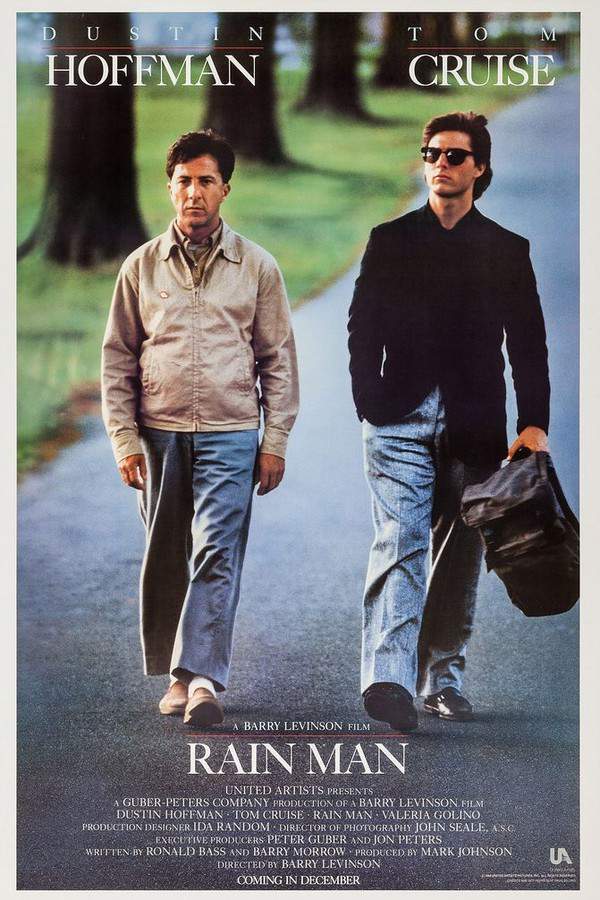

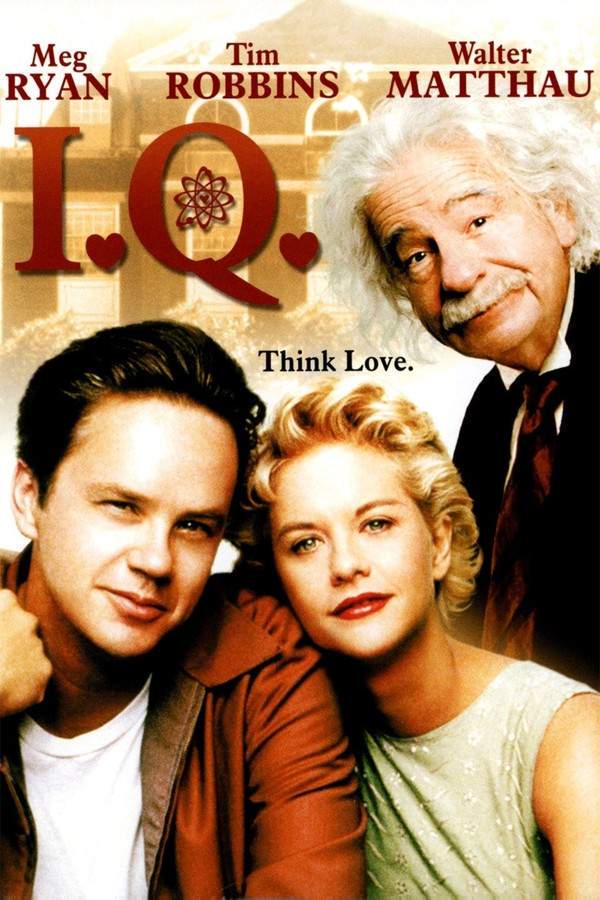
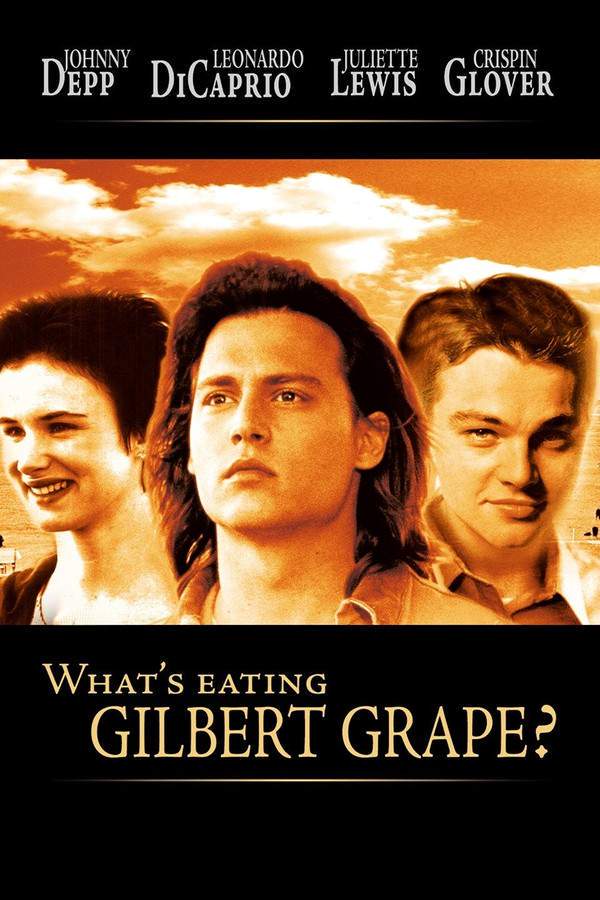


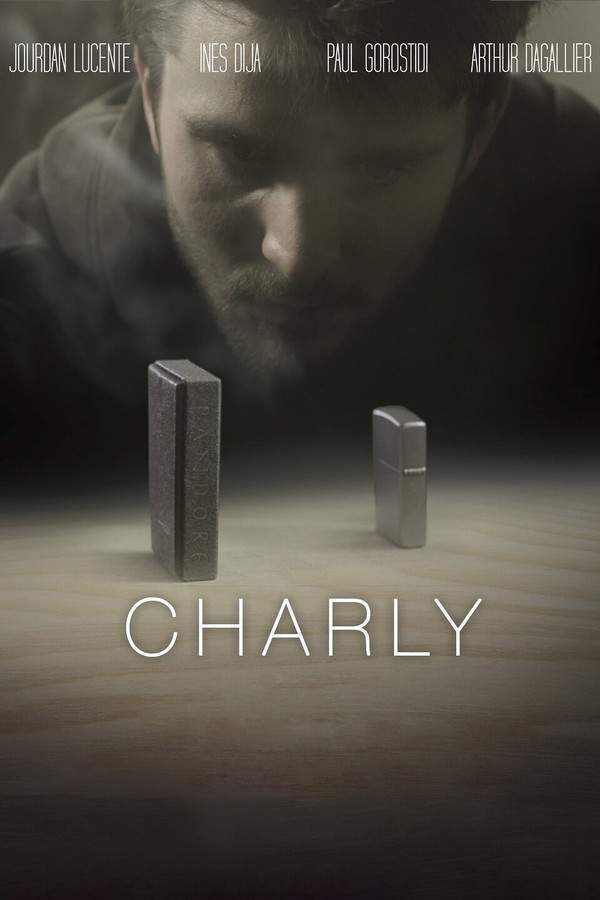

Featured on this page

What's After the Movie?
Not sure whether to stay after the credits? Find out!
Check out our other apps:

SAT Sphere
Build confidence for the Digital SAT.

Mori Atlas
Discover wild places worth protecting.

Luntero
Search smarter for a home in Amsterdam.

Plot Explained
Unravel movie endings and hidden clues.

Pokechamp
Dive into Pokémon data and battle logic.

Driving Theory
Get ready for your European theory test.

Movie Dust
Plan your next cinema trip with ease.

Musemap
Find art and culture as you travel.

Selkobase
Compare credentials before committing.

Local Manual
Turn an unfamiliar country into practical next steps.

Lernavi
Compare school systems before your next move.

GymRoam
Find a workout stop wherever your plans take you.
Explore Our Movie Platform
New Movie Releases (2026)
Famous Movie Actors
Top Film Production Studios
Movie Plot Summaries & Endings
Major Movie Awards & Winners
Best Concert Films & Music Documentaries
Movie Collections and Curated Lists
© 2026 What's After the Movie. All rights reserved.
Privacy Policy