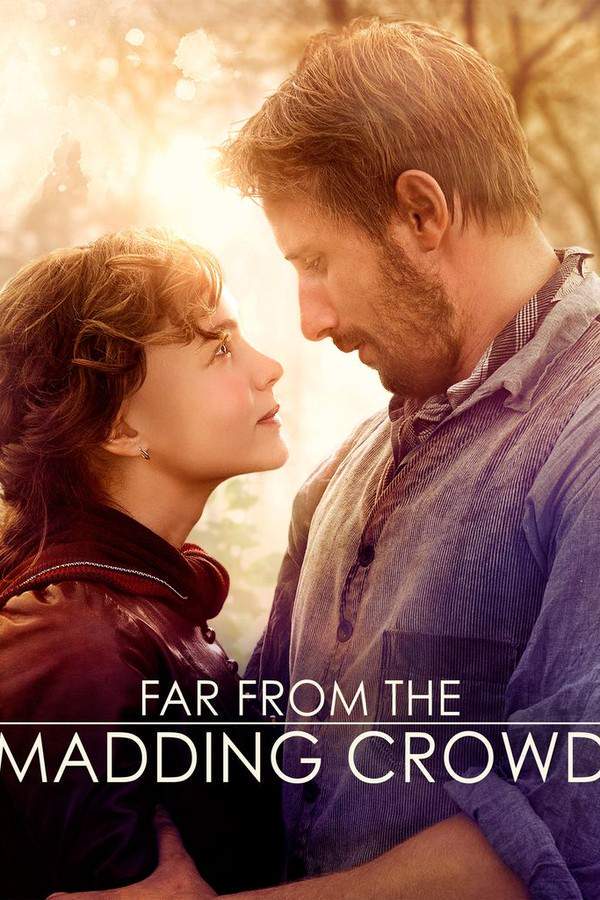
What Is Far from the Madding Crowd About?
The premise of Far from the Madding Crowd in 273 words, with nothing given away. The full story follows below.
In the rolling hills of 19th‑century England, a world of wheat fields, stone cottages and quiet market towns hums with the rhythms of rural life. The film captures the pastoral beauty of the countryside while letting the light, breezy atmosphere reveal the undercurrents of desire and expectation that flow through its inhabitants. A gentle, lyrical score accompanies sweeping vistas, setting a tone that is both intimate and expansive, inviting viewers to linger on the simple yet complex textures of a bygone era.
At the heart of this landscape is Bathsheba Everdene, a proud and spirited young woman whose fierce independence sets her apart in a society that often expects women to be demure and obedient. She inherits a farm and quickly proves herself capable, managing the land with a blend of practicality and impetuous charm. Her confidence and allure make her both a beacon and a provocation, hinting at the emotional turbulence that will follow as she navigates love, duty, and the yearning for self‑determination.
Surrounding her are three very different men, each drawn to her in his own way. The steadfast and humble Gabriel Oak offers quiet reliability and a deep respect for the land, embodying a steady, nurturing presence. The affluent and contemplative William Boldwood represents a more measured, perhaps traditional, affection that carries the weight of social standing. Meanwhile, the charismatic and daring Frank Troy brings a flash of excitement and boldness, his confidence bordering on recklessness. Their intertwined paths create a delicate dance of attraction and rivalry, setting the stage for a story that explores how love, ambition, and personality clash against the timeless backdrop of the English countryside.
What Happens in Far from the Madding Crowd?
The complete story of Far from the Madding Crowd, from the first scene to the last, in 832 words (about 4 minutes). Spoilers throughout. Names in the text link to 4 cast member pages.
Spoilers ahead
Set in 1870s Britain, this film follows the story of Bathsheba Everdene, a spirited young woman played by Carey Mulligan, whose independence and strong will shape her life’s journey. It begins on a farm in Dorset where she meets her neighbor, the honest and kind-hearted Gabriel Oak, portrayed by Matthias Schoenaerts. Gabriel is a humble farmer who soon develops feelings for Bathsheba, and he eventually proposes to her. However, Bathsheba, eager to maintain her independence and unwilling to be bound by traditional expectations, declines his proposal, confidently stating that she is too proud to marry.
Their lives take a dramatic turn when, during a night of misfortune, Gabriel’s new sheepdog accidentally herds his entire flock off a steep cliff, leaving him devastated and penniless. This tragic event prompts Gabriel to leave the farm in search of work elsewhere. Meanwhile, Bathsheba inherits her uncle’s farm and takes on its management herself, demonstrating her ability to handle responsibilities traditionally reserved for men.
While seeking employment at a fair, Gabriel witnesses soldiers recruiting for war. Among them is a girl named Fanny Robin, who, recognizing Gabriel, points out a soldier named Sergeant Frank Troy, famously known as Troy, played by Jonathan Firth. Fanny hints that Troy is her sweetheart and suggests Gabriel seek work at a nearby farm in Weatherbury. When Gabriel arrives, he finds chaos as several buildings are ablaze but manages to save the barn from destruction. The next morning, he is introduced to the new mistress, Bathsheba, who hires him as a shepherd.
At the local town, Bathsheba encounters William Boldwood, a prosperous and mature bachelor played by Nigel Terry. She teases Boldwood affectionately by sending him a Valentine’s card as a joke, initially offending him but also intriguing him deeply. In the same town, Fanny goes to the wrong church for her wedding, but Troy, feeling rejected, is crushed and shattered when it appears she has betrayed him.
Boldwood’s affection for Bathsheba grows, and he eventually proposes marriage after she visits his estate. She hesitates to give a definitive answer, and Gabriel warns her about playing with Boldwood’s feelings. Feeling chastised, Bathsheba fires Gabriel for his concerns but soon realizes her mistake when a sheep crisis arises that only Gabriel can handle effectively. She persuades him to return, and the two begin to work closely together again.
Meanwhile, Frank Troy, who has expressed admiration for Bathsheba, returns to the farm and begins to flirt openly. He subsequently arranges secret meetings with her, showing off his swordplay and passion in the woods, where he boldly kisses her, leaving her in a dazed state. Gabriel again warns Bathsheba about Troy’s character, but she dismisses his concerns. Ultimately, she elopes with Troy, and their union is celebrated among friends and workers.
However, Troy’s true nature begins to surface. He shows his darker side when, one stormy day, amid drunkenness and chaos, he neglects his responsibilities and refuses to help Gabriel protect the hayricks. Bathsheba courageously joins Gabriel in weathering the storm to save the harvest, realizing she was naive to fall for Troy’s flattery.
Trouble ensues when Fanny Robin, who is pregnant with Troy’s child, seeks Troy’s help. Troy, in a callous act, sends her to the workhouse, promising to care for his unborn child. Sadly, Fanny and her baby’s lives end in childbirth, with their coffin arriving at Bathsheba’s farm, marked with the words “Fanny Robbin and child.” Gabriel secretly erases “and child,” recognizing Fanny’s identity. When Troy returns, he visits the coffin, kisses Fanny’s lips, and reveals a possessive, destructive streak, which drives him to the seaside where he fakes his drowning. The disappearance leaves everyone in distress.
Facing mounting debts, Bathsheba considers selling her farm. Boldwood offers to buy it and even suggests she consider marrying him again. He reveals his intentions to propose, and she considers his offer, contemplating her options, especially after she plans a Christmas party at her estate. However, on the eve of festivities, she is startled to find Troy alive and well—he has survived and returned, having faked his death to escape his troubles. Troy’s return sparks chaos, as he demands money and roughs up Bathsheba in an attempt to regain control. In a tragic turn, Boldwood intervenes and, in a fit of rage and despair, kills Troy with a single shot from his shotgun. He is quickly imprisoned for his actions, though Gabriel remarks that Boldwood’s act was a “crime of passion.”
The story reaches a poignant conclusion when Gabriel announces his plan to emigrate to America, leaving Bathsheba behind. As he departs early one morning, Bathsheba chases after him on horseback, begging him not to go. She thanks him for his unwavering faith in her and the life they’ve shared. Gabriel, moved, asks if she would accept his proposal again, and she smiles, responding, “You need ask but once more.” The film ends as they embrace, walking back hand in hand, symbolizing hope, forgiveness, and the enduring power of love amidst life’s turmoil.
Far from the Madding Crowd Timeline: Every Key Event in Order
11 key events in the order they happen, from “Bathsheba inherits her uncle's farm” to “Bathsheba and Gabriel reunite”. 10 events name a place, across 6 locations.
- 1
Bathsheba inherits her uncle's farm
Bathsheba Everdene inherits her uncle's farm and decides to leave her previous life behind to run it herself. While working on her aunt's farm, she meets neighbouring farmer Gabriel Oak, who eventually proposes to her. She declines his proposal, citing her desire for independence, setting the stage for her future decisions.
When:1870 Where:Dorset
- 2
Gabriel's flock is herded off a cliff
Gabriel Oak's new sheepdog accidentally herds his entire flock off a steep cliff, leaving him penniless and forcing him to seek new employment. This incident marks a turning point in his life, forcing him to leave his farm and start anew.
When:Early in the story
- 3
Gabriel finds work at Bathsheba's farm
Gabriel arrives at Weatherbury, where he saves the barn from a fire and is hired as a shepherd by Bathsheba. His practical skills and character impress her, making him a key figure at her farm.
When:Shortly after her inheritance Where:Weatherbury
- 4
Bathsheba receives a Valentine from Boldwood
Bathsheba, at a fair, sends Boldwood a Valentine as a joke, which offends and intrigues him. This event sparks Boldwood's romantic obsession with her, influencing future events.
When:Early in her time at Weatherbury Where:Fair and Boldwood's estate
- 5
Boldwood proposes marriage to Bathsheba
Boldwood, taken with her, invites Bathsheba to his home and proposes marriage. She delays her answer, and Gabriel criticizes her for playing with Boldwood's affections. This leads her to dismiss Gabriel temporarily.
When:Following the Valentine incident Where:Boldwood's estate
- 6
Bathsheba elopes with Sergeant Troy
Against Gabriel's advice, Bathsheba secretly marries Sergeant Troy after a flirtatious encounter. Troy begins to show his darker side, and their marriage becomes troubled.
When:Shortly after Boldwood's proposal Where:Weatherbury
- 7
Troy's troubles and the death of Fanny Robin
Troy's gambling and recklessness lead to the death of his pregnant lover Fanny Robin, whose coffin is mistakenly brought to Bathsheba's farm. Troy reveals his feelings for Fanny, deepening the tragedy.
When:Following their marriage Where:Weatherbury
- 8
Troy fakes his death and swims into the ocean
After his feelings for Fanny surface and amid his debts, Troy fakes his drowning by swimming far out into the ocean. He remains absent, believed dead, creating hope and tension among the characters.
When:Some time after Fanny's death Where:Beach
- 9
Barnard, Boldwood's act of revenge
Boldwood, enraged by Troy's return and his betrayal, kills Troy with a shotgun during an encounter at Bathsheba's estate. Boldwood is imprisoned for the act, and this marks a tragic climax in the story.
When:Following Troy's return Where:Bathsheba's farm
- 10
Gabriel plans to emigrate to America
Gabriel announces his intention to leave for America, feeling the farm's future is secure. Bathsheba chases after him on horseback, expressing her feelings and hinting at a potential reconciliation.
When:After Boldwood's imprisonment Where:Weatherbury
- 11
Bathsheba and Gabriel reunite
Bathsheba admits that Gabriel only needs to ask once more if he is to propose again. They share a passionate kiss and walk back together, hinting at a new beginning for their relationship.
When:Final moments of the story Where:Weatherbury
Who Are the Main Characters in Far from the Madding Crowd?
7 characters, among them Joseph Poorgrass, Maryann Money and Fanny Robin: who each one is and the part they play in the story. 6 of them link to the actor’s page.
-

Joseph Poorgrass
Played by Sean Gilder
Joseph Poorgrass is a humble and simple-minded farm laborer. His character adds a touch of rural earnestness to the story, embodying the traditional working-class community’s values and straightforwardness.
- 👨🌾 Farmhand
- 🤝 Loyal
- 🗣️ Humble
- MM
Maryann Money
Played by Linda Bassett
Maryann Money is a supporting character, likely representing the local community or domestic help. She adds to the village atmosphere and the social fabric of the rural setting.
- 🏡 Domestic
- 🧑🤝🧑 Community
- 💬 Supportive
- FR
Fanny Robin
Played by Natasha Little
Fanny Robin is a young woman whose tragic storyline involves love, betrayal, and loss. Her relationship with Troy and her death highlight the themes of love’s fragility and social judgments.
- 💔 Tragedy
- 💌 Love
- 🌸 Innocence
-
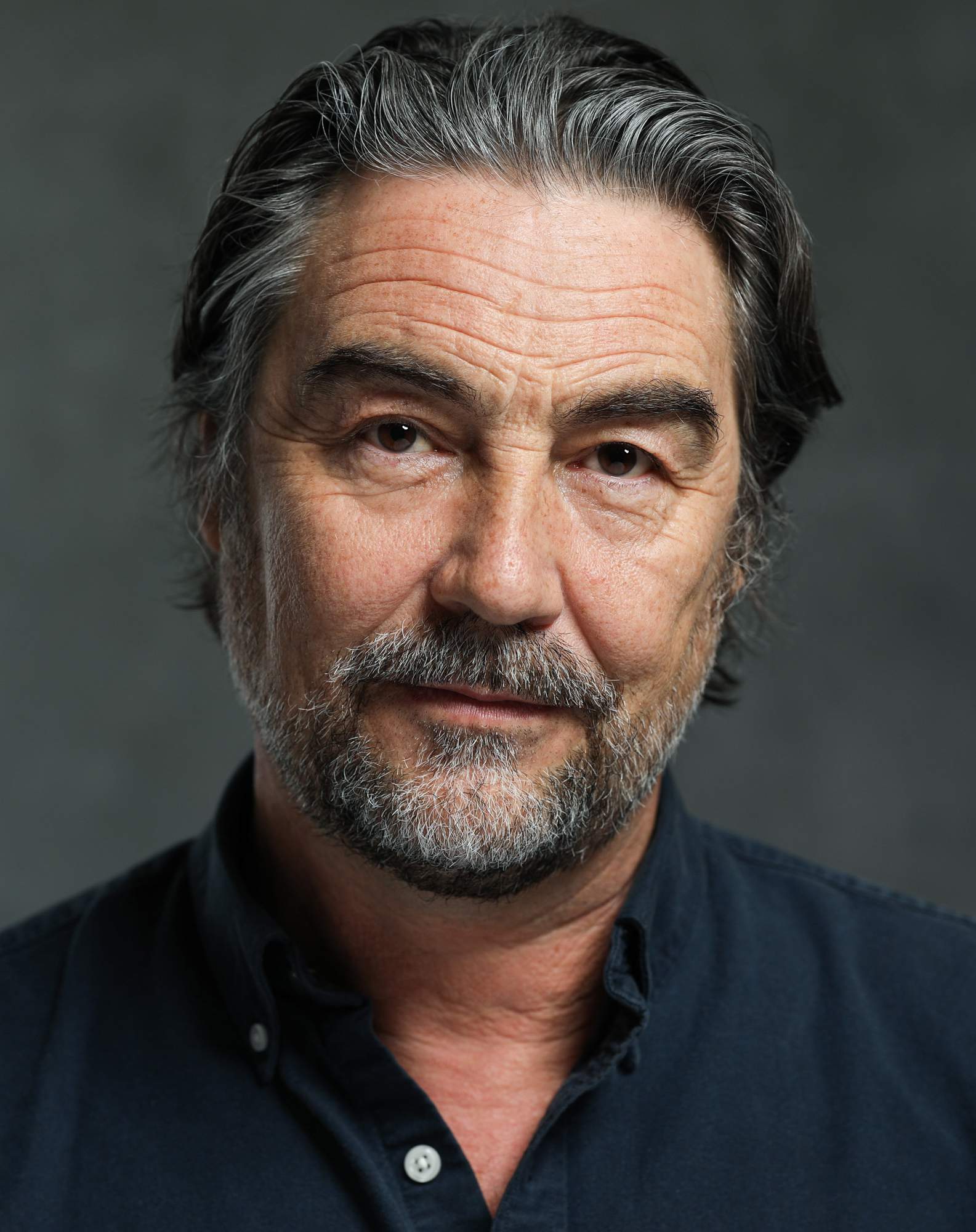
Gabriel Oak
Played by Nathaniel Parker
Gabriel Oak is a compassionate and dependable farmer. His resilience and integrity define his character, making him a stabilizing force in the story and a symbol of steadfastness and true love.
- 👨🌾 Loyal
- 💪 Resilient
- 💙 Honest
- MB
Mr Boldwood
Played by Nigel Terry
William Boldwood is a wealthy, mature bachelor whose infatuation with Bathsheba leads to both romantic hope and tragic consequences. His character embodies stability and the dangers of obsession.
- 🏠 Wealthy
- 🧔 Mature
- 💘 Obsessive
- BE
Bathsheba Everdene
Played by Paloma Baeza
Bathsheba Everdene is a strong-willed and independent woman. Her journey involves love, independence, and moral choices, reflecting the evolving role of women in Victorian society.
- 👩🌾 Independent
- 💃 Strong-willed
- 🌹 Compassionate
- SF
Sergeant Frank Troy
Frank Troy is a charismatic yet volatile soldier whose relationships and actions drive much of the film’s drama. His passion and recklessness lead to tragic consequences for himself and others.
- 🗡️ Charismatic
- 🔥 Volatile
- ⚠️ Tragic
Where and When Is Far from the Madding Crowd Set?
Far from the Madding Crowd is set in Dorset and Britain (1870). Here is why the time and place matter to the story.
When
1870
The movie takes place during the late 19th century, a period marked by agricultural reliance, social hierarchies, and traditional values. This era saw significant rural life activities, including farming, livestock herding, and community gatherings, amid the backdrop of post-Victorian Britain.
Where
Dorset, Britain
Set in the rural landscapes of Dorset, Britain, the film showcases an agrarian community surrounded by fields, farms, and natural beauty. Dorset is known for its picturesque countryside, traditional farming, and historic sites, providing an idyllic yet challenging backdrop for the story.
- 🏞️ Rural
- 🏡 Countryside
- 🌿 Agricultural
What Are the Themes of Far from the Madding Crowd?
2 ideas the story keeps returning to, among them Conflict and Passion.
-
01
Conflict
The movie explores personal and societal conflicts, from love triangles and class expectations to moral dilemmas. Characters face internal struggles and external pressures that influence their decisions, highlighting the tumultuous nature of human relationships during that period.
-
02
Passion
Romantic passion drives several characters' actions, leading to love, heartbreak, and tragedy. The film depicts intense emotional bonds and conflicts that reveal the complexities of desire and fidelity.
What Kind of Film Is Far from the Madding Crowd?
Melancholic in tone, with steady pacing and a moderate story, going by the plot summary.
- Tone
- Melancholic
- Pacing
- Steady
- Story
- Moderate
- Intensity
- Medium
- Ending
- Bittersweet
A steady-paced, melancholic period drama that charts a headstrong woman's turbulent romantic journey through passion, tragedy, and self-realization, culminating in a bittersweet but ultimately hopeful resolution.
- melancholic
- passionate
- dramatic
- somber
- hopeful
- tragic romance
- unrequited love
- independence
- social class
- destructive relationships
Content notes: death in childbirth, murder, domestic abuse, emotional manipulation.
Quiz
How well do you remember Far from the Madding Crowd? Test yourself on the story.