What Is Fahrenheit 11/9 About?
The premise of Fahrenheit 11/9 in 300 words, with nothing given away. The full story follows below.
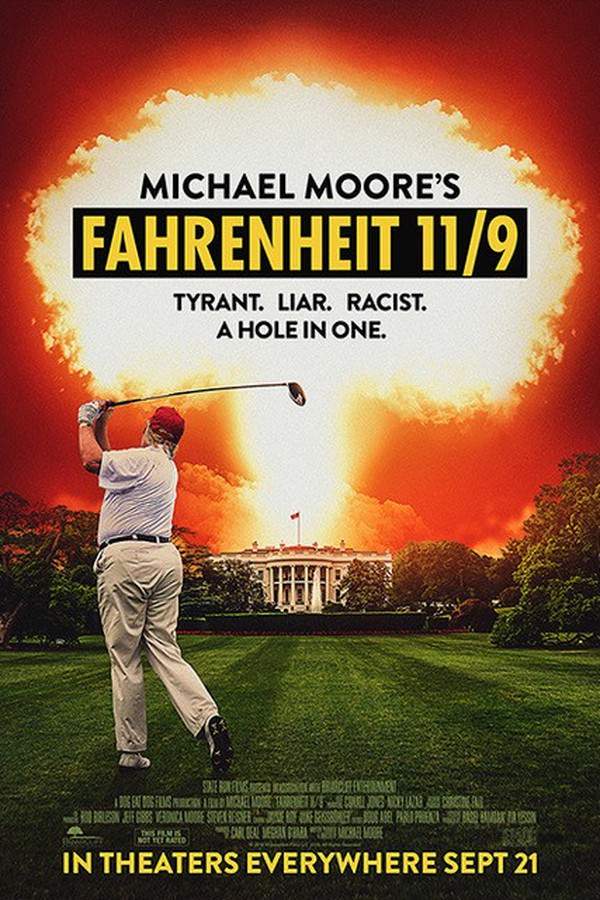
markdown Michael Moore, the provocative documentary filmmaker known for his unapologetically bold style, takes viewers on a journey across a fractured America with Fahrenheit 11/9. The film carries the sharp, comedic edge Moore is famous for while tackling weighty subjects that pulse through the nation’s headlines. With his signature blend of outrage and dark humor, he sets out to examine a country standing at a turbulent crossroads, where political and social fault lines have grown impossible to ignore.
Traveling through different communities, Moore turns his lens on everyday Americans whose lives have been shaped — and shaken — by the era they inhabit. His focus drifts between the halls of political power and the kitchens and classrooms of ordinary households, capturing the anxieties, frustrations, and resilience of people navigating an uncertain landscape. The film observes a nation grappling with questions about its identity, its democratic institutions, and the promises that once seemed unshakeable, including concerns over voting systems and the lived realities of those affected by government decisions.
The mood is equal parts urgent and sardonic, reflecting Moore’s belief that laughter and outrage often walk hand in hand when confronting serious issues. By weaving together personal stories with broader systemic concerns — from environmental disasters to community tragedies — the documentary paints a portrait of a society in transition. Moore’s distinctive voice anchors the exploration, offering commentary that feels as conversational as it is confrontational, inviting viewers to question familiar narratives alongside him.
Through this journey, Fahrenheit 11/9 presents itself not simply as a chronicle of recent political upheaval, but as a mirror reflecting deeper questions about the American experiment itself. The film creates space to sit with discomfort and to consider what it truly means when a nation is forced to reckon with the forces shaping its present moment.
What Happens in Fahrenheit 11/9?
The complete story of Fahrenheit 11/9, from the first scene to the last, in 593 words (about 3 minutes). Spoilers throughout. Names in the text link to 4 cast member pages.
Spoilers ahead
This documentary is presented as a provocative and comedic examination of the modern era, specifically focusing on the tumultuous landscape of the 2016 United States presidential election. The film meticulously tracks the unexpected electoral defeat of Hillary Clinton and the subsequent rise to power of Donald Trump. Central to the narrative are two primary inquiries: the specific mechanisms and social conditions that allowed the U.S. to progress toward a Trump presidency, and the potential methods for the country to eventually “get out” of the era defined by his administration.
The film posits a controversial starting point, claiming that the 2016 presidential campaign began almost as a hoax. The suggestion is that the initial goal was simply to secure more media visibility than Gwen Stefani, as Trump was reportedly being paid less for his role on The Apprentice than she was for her appearance on The Voice. However, the narrative shifts as it explores how his public discourse—including racist remarks directed toward Chinese and Mexican people and his frequent belittling of existing American political policies on national television—led NBC to sever its ties with him. Paradoxically, these actions helped him cultivate a massive base of loyal supporters, which provided the momentum to transition the “hoax” into a legitimate campaign, eventually forcing NBC to resume its coverage of him.
Beyond the immediate scope of the Trump administration, the filmmaker delves into several systemic issues he believes are interconnected with or inspired by the political climate. This includes a detailed look at the 2014 Flint water crisis, an event orchestrated by an appointee of then-Republican Governor Rick Snyder. By changing the water source from Lake Huron to the Flint River, the administration caused toxic levels of lead to contaminate the local water supply. The film also highlights the tragic 2018 Stoneman Douglas High School shooting in Parkland, Florida, and the resulting March for Our Lives protests. Through this lens, the documentary criticizes politicians who accept campaign contributions from the National Rifle Association. Furthermore, the film targets former President Barack Obama, arguing that his 2016 visit to Flint failed to meet the expectations of the citizens who had hoped for substantial federal assistance.
In a series of stark comparisons, the documentary parallels the rise of Donald Trump with that of Adolf Hitler and the Nazi Party. The filmmaker draws a connection between the Reichstag fire and the September 11 attacks, while comparing Hitler’s rhetoric—which blamed various religions, ethnicities, and sexual orientations for Germany’s struggles—to specific comments made by Trump. The film further argues that recent instances of unprovoked racial violence were directly inspired by this political atmosphere.
As the film reaches its conclusion, it is argued that the United States Constitution no longer serves as a shield for average citizens against the influence of the wealthy and powerful. The narrative suggests that the American Dream has devolved into nothing more than a dream. To support this thesis, the filmmaker references his own previous works, including Roger and Me (which Trump mentioned enjoying during an interview with Roseanne), Bowling for Columbine, and Capitalism: A Love Story.
The film reflects on a lineage of leadership, including George W. Bush, Ronald Reagan, Bill Clinton, and Barack Obama, suggesting that the country required a figure like Trump to act as a wake-up call. The final sentiment is a grim realization: that the United States has become a country that is perhaps not worth saving, but rather one that must be started anew. The documentary further emphasizes its political stance through appearances by left-wing activist politicians, including Alexandria Ocasio-Cortez and Rashida Tlaib.
Fahrenheit 11/9 Timeline: Every Key Event in Order
15 key events in the order they happen, from “The Flint Water Crisis Begins” to “A Country 'Starting Anew'”. 7 events name a place, across 5 locations.
- 1
The Flint Water Crisis Begins
Moore examines the 2014 Flint water crisis, which he believes is connected to and inspired by Trump's rise. An appointee of then Republican Michigan Governor Rick Snyder changed the city's water source from Lake Huron to the Flint River. This decision led to toxic levels of lead contaminating the water supply.
When:2014 Where:Flint, Michigan
- 2
Trump's Campaign Starts as a 'Hoax'
The documentary opens with the claim that Trump's 2016 presidential campaign started out as a hoax, merely to get more media coverage than Gwen Stefani. Trump was reportedly upset that Stefani was being paid more to appear on The Voice than he was on The Apprentice. What began as a supposed publicity stunt would soon spiral into a genuine bid for the presidency.
When:2015 Where:New York City
- 3
NBC Cuts Ties with Trump
Trump's racist remarks towards Mexicans and Chinese people, along with his belittling of America's current political policies on national television, led NBC to cut their ties with him. The network severed its relationship with the celebrity businessman over his inflammatory statements. At this point, it appeared his television career might be over.
When:2015
- 4
The Campaign Turns Serious
Despite NBC dropping him, Trump had gained a large following of supporters during his provocative campaign. This groundswell of backing prompted him to go ahead with his presidential campaign for real. In an ironic twist, NBC began covering Trump again once his candidacy gained momentum.
When:2015-2016
- 5
Clinton's Unexpected Loss
The 2016 United States presidential election culminates in the unexpected loss of Hillary Clinton. Donald Trump defies predictions to win the presidency, stunning the nation. The documentary frames this moment as the beginning of a new and troubling political era.
When:November 2016 Where:United States
- 6
Obama's Disappointing Visit to Flint
Moore criticizes outgoing President Barack Obama for his visit to Flint during the water crisis. The people of Flint expected to receive federal help following the presidential visit. However, Moore argues that Obama's trip did not live up to the expectations of the suffering residents.
When:2016 Where:Flint, Michigan
- 7
The Era of the Trump Administration
The documentary explores the presidency of Donald Trump and asks two central questions: how the U.S. progressed to the Trump presidency, and how to 'get out' of the era of the Trump administration. The distributor describes the film as a provocative and comedic look at the times in which we live. Moore dissects the forces that made Trump's rise possible.
When:2017 Where:Washington, D.C.
- 8
Stoneman Douglas High School Shooting
Moore focuses on the 2018 Stoneman Douglas High School shooting in Parkland, Florida, as a pivotal tragedy of the Trump era. The devastating attack on students and teachers reignited the national debate over gun violence. The shooting becomes a catalyst for a new wave of youth political activism.
When:2018 Where:Parkland, Florida
- 9
March for Our Lives
In response to the Parkland shooting, the March for Our Lives protest sweeps across the United States, calling for gun control measures. Moore highlights the movement as a sign of resistance and civic engagement. He also criticizes politicians who receive campaign donations from the National Rifle Association.
When:2018 Where:United States
- 10
Parallels with Hitler and the Nazis
Moore draws provocative comparisons between Trump's rise to power and that of Adolf Hitler and the Nazi Party. He parallels the Reichstag fire with the September 11 attacks as events exploited for political purposes. He also compares Hitler's speeches blaming different ethnicities, religions, and sexual orientations for Germany's problems to some of Trump's comments.
Show the other 5 events of Fahrenheit 11/9 Hide the last 5 events
- 11
Racial Violence Inspired by Trump
The documentary showcases then-recent instances of unprovoked racial violence across the country. Moore states that these acts were inspired by Trump's rhetoric and presidency. The incidents serve as troubling evidence of the atmosphere taking hold during this period.
- 12
Voices of a New Political Generation
The film features cameos of left-wing activist politicians like Alexandria Ocasio-Cortez and Rashida Tlaib. These rising stars represent a new wave of progressive leadership emerging in response to the Trump era. Their inclusion signals Moore's hope for political renewal.
- 13
Moore's Cinematic Track Record
To support his argument, Moore cites his previous documentaries: Roger and Me, Bowling for Columbine, and Capitalism: A Love Story. Notably, Trump himself stated in an interview with Roseanne Barr that he enjoyed Roger and Me. These films trace Moore's decades-long critique of American capitalism and power.
- 14
The Constitution Fails Ordinary Americans
In the conclusion of the film, Moore contends that the United States Constitution no longer protects normal Americans from the wealthy and powerful of American society. He argues that the American Dream is now nothing more than a mere dream. The promises once made to citizens have been hollowed out in favor of the elite.
- 15
A Country 'Starting Anew'
Moore argues that after presidents like Ronald Reagan, Bill Clinton, George W. Bush, and Barack Obama, the country needed to see a president like Trump in order to wake up to reality. He believes the United States has become a country not worth saving in its current form, but one that must start anew. The film closes with this defiant call for fundamental transformation rather than restoration.
Who Are the Main Characters in Fahrenheit 11/9?
3 characters, among them Alexandria Ocasio-Cortez, Donald Trump and Michael Moore: who each one is and the part they play in the story. 2 of them link to the actor’s page.
-

Alexandria Ocasio-Cortez
Played by Alexandria Ocasio-Cortez
A prominent young politician and activist, Alexandria Ocasio-Cortez represents a progressive voice in American politics. She advocates for social justice, environmental responsibility, and economic reform, challenging the status quo. Her appearance in the documentary underscores the importance of civic engagement among younger generations.
- 🎤 Activism
- 💼 Politics
-
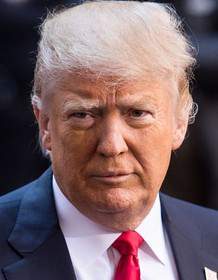
Donald Trump
Played by Donald Trump
As the main focus of criticism in the documentary, Donald Trump embodies the polarizing figure reshaping American politics. His presidency represents a departure from traditional political norms, catalyzing discussions about nationalism, race, and populism. Trump's rhetoric and policies have drawn both support and fierce opposition across the country.
- 🗣️ Controversy
- 🇺🇸 Leadership
- MM
Michael Moore
The filmmaker and narrator, Michael Moore uses his platform to explore urgent political issues in America. Known for his provocative style, he challenges viewers to confront uncomfortable truths related to governance, democracy, and societal failures. He blends humor and serious critique to engage a wide audience.
- 🎬 Filmmaker
- 📊 Activism
Where and When Is Fahrenheit 11/9 Set?
Fahrenheit 11/9 is set in Flint, Michigan and United States (2016, Contemporary). Here is why the time and place matter to the story.
When
2016, Contemporary
The movie takes place during the 2016 United States presidential election and its aftermath, a period marked by political upheaval and societal divisions. This era witnessed the rise of Donald Trump, whose controversial rhetoric and policies sparked intense debate across the nation. The film critiques the implications of this political climate on various communities and social issues.
Where
Flint, Michigan, United States
Flint is a city in Michigan known for its rich automotive history, once being a bustling center for General Motors. However, it gained attention for the water crisis that exposed residents to lead poisoning due to poor governance and infrastructure failures. The city's struggles highlight broader issues of neglect and accountability in American politics.
- 🏙️ City
- 🇺🇸 USA
What Are the Themes of Fahrenheit 11/9?
3 ideas the story keeps returning to, among them Political Turmoil, Water Crisis and Gun Control.
-
01
Political Turmoil
The documentary delves into the chaos of the 2016 election and the resulting Trump administration. It examines how political decisions impact everyday lives, especially concerning minority communities and social justice. The underlying theme questions the state of democracy and citizen engagement in politics.
-
02
Water Crisis
The Flint water crisis is a central theme in the documentary, illustrating the consequences of governmental negligence on public health. The film portrays how the mismanagement of resources and policies can lead to systemic harm, raising awareness about environmental justice and the importance of clean water access.
-
03
Gun Control
The documentary addresses the urgent need for gun control, particularly in light of tragic events like the Stoneman Douglas High School shooting. It critiques the influence of the National Rifle Association on politicians, urging viewers to consider the implications of gun violence on society and the need for reform.
What Kind of Film Is Fahrenheit 11/9?
Dark in tone, with variable pacing and a complex story, going by the plot summary.
- Tone
- Dark
- Pacing
- Variable
- Story
- Complex
- Intensity
- High
- Ending
- Bleak
A provocative, politically charged documentary that blends dark satire with sobering real-world footage, surveying America's institutional failures through outrage, historical parallels, and unflinching social commentary.
- provocative
- incendiary
- outraged
- confrontational
- urgent
- satirical
- political corruption
- gun violence
- water crisis
- environmental injustice
Content notes: school shooting, gun violence, racial violence, white supremacy, xenophobia, child endangerment.
Quiz
How well do you remember Fahrenheit 11/9? Test yourself on the story.