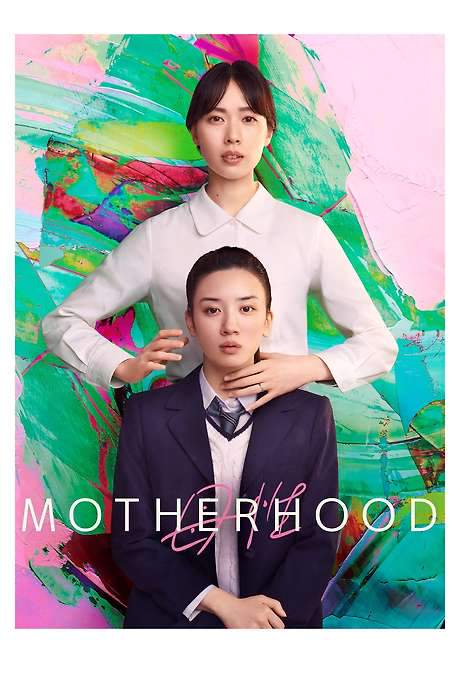
What Is Motherhood About?
The premise of Motherhood in 324 words, with nothing given away. The full story follows below.
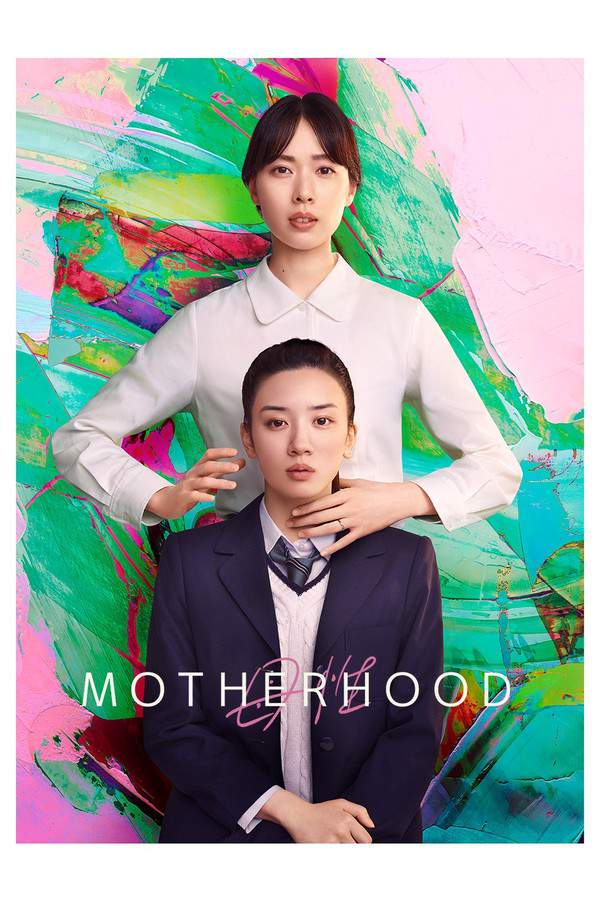
A seemingly ordinary family life is shattered when Sayaka, a high school student, dies by suicide. With no clear explanation for her decision, those closest to her struggle to reconcile the familiar routines of her daily life with the sudden absence at the center of their world. The absence of a clear answer leaves her mother, Rumiko, and everyone around Sayaka questioning what they missed, what they failed to see, and which version of their shared memories can be trusted.
As Rumiko and Sayaka’s recollections resurface, the same moments take on sharply different emotional meanings. A conversation that once seemed ordinary may now feel loaded; a gesture of affection can be remembered as care or control, depending on the perspective behind it. Their relationship becomes the film’s central lens, revealing a mother’s belief in the bond she has built with her daughter while exposing how little two people can understand the same history. What appeared to be a loving upbringing is gradually overshadowed by an unsettling sense of distance.
The story inhabits a restrained, intimate world shaped by family hierarchy, traditional expectations, and the limited agency granted to women within the household. Rumiko’s own experiences suggest that endurance and obedience have long been presented as sources of security, even when they offer little protection. Sayaka’s generation inherits these unspoken rules, creating a pressure that is difficult to name and even harder to resist. The film’s quiet, psychologically attentive tone allows small tensions to gather weight without losing sight of the love and concern running through the family.
Motherhood is less a conventional mystery than a reflection on memory, communication, and the hidden costs of maintaining harmony. Its curiosity lies in the gap between intention and impact: a parent may believe she is offering guidance while her child experiences something entirely different. Through fragmented perspectives and suggestive details, the film asks whether understanding the past is the same as understanding the person who lived it.
What Happens in Motherhood?
The complete story of Motherhood, from the first scene to the last, in 226 words (about 1 minute). Spoilers throughout. Names in the text link to 4 cast member pages.
Spoilers ahead
The story begins with the tragic death of Sayaka, Mei Nagano, a high school student who decides to end her own life. Her suicide is shrouded in mystery, as there is no suicide note and no clear motive, leaving those around her confused by the sudden tragedy. To the outside world, Sayaka appeared to lead a normal life, supported by the love and affection of her mother, Rumiko, Erika Toda.
However, the narrative delves deeper into the toxic power dynamics of a traditional Japanese household. Through a series of flashbacks, it is revealed that Rumiko suffered constant emotional abuse and torture from her mother-in-law, Atsuko Takahata, who used her authority as the head of the house to treat Rumiko unfairly. Whenever Sayaka attempted to defend her mother, she was met with criticism rather than gratitude. Rumiko urged her daughter to comply with cultural norms, advising her to be patient and respectful toward elders, effectively encouraging her to endure the same cycle of suffering.
The situation became unbearable for Sayaka when she realized her father, Masaki Miura, also turned a blind eye to his mother’s cruelty. Feeling a profound sense of betrayal and isolation, Sayaka concluded that she was completely alone in her grief. This oppressive environment, fueled by complacency and rigid tradition, ultimately led Sayaka to a state of total despair, resulting in her heartbreaking decision.
Motherhood Timeline: Every Key Event in Order
14 key events in the order they happen, from “Sayaka's Tragic Death” to “The Toxic Environment Claims Her”.
- 1
Sayaka's Tragic Death
On one fine day, Sayaka, a female high school student, decides to take her own life and commits suicide. Her death comes completely without warning, leaving everyone around her shocked and searching for answers.
- 2
An Unexplained Mystery
The motive behind Sayaka's suicide remains unanswered, and the clues needed to understand her death are untraceable. No suicide note is found, so the incident is labelled as a shoddy, mysterious matter.
- 3
A Seemingly Normal Life
Many people from Sayaka's social circles insist that she had a routine, normal life with her family. To outsiders, she appeared to be living an ordinary life alongside her mother, Rumiko.
- 4
The Loving Single Mother
Rumiko, Sayaka's mother, appears to the outside world as a genuine single mother. She is known for taking care of her daughter Sayaka with love and affection, giving no hint of trouble behind closed doors.
- 5
Flashbacks Reveal the Truth
As flashbacks of Sayaka and Rumiko's life trajectories surface, a critical juncture is reached in understanding her death. The memories expose the bigger picture of a traditional Japanese family that emphasizes power dynamics and rigid expectations of how women should act, even when the odds are against them.
- 6
The Grandmother's Cruelty
In the flashbacks, it is revealed that Rumiko's mother-in-law had a habit of torturing and bashing Rumiko. She treated her unfairly to showcase her influence and authority as the head of the house.
Where:Family home
- 7
Sayaka Defends Her Mother
Witnessing the mistreatment, Sayaka repeatedly attempts to defend and support her mother Rumiko against the grandmother's abuse. Each time, however, she finds herself on the receiving end of criticism instead of gratitude.
Where:Family home
- 8
Rumiko Turns Against Her Daughter
Instead of supporting Sayaka for standing up against her mother-in-law, Rumiko criticizes her daughter. She scolds Sayaka for challenging the elder family member rather than appreciating her loyalty.
Where:Family home
- 9
Advice to Obey Tradition
Rumiko advises Sayaka to give respect to the elders without deviating from the basic family traditions. Instead of teaching her self-defense strategies, she urges her daughter to be patient and comply with cultural norms rather than venting frustration at senior family members.
Where:Family home
- 10
Rumiko's Own Upbringing
Rumiko wants her daughter to live a life just like hers, giving a glimpse of how she herself gathered life advice from her own mother. She was taught to adjust and live peacefully within the family she entered after her marriage.
Show the other 4 events of Motherhood Hide the last 4 events
- 11
The Father Turns a Blind Eye
Sayaka realizes that even her own father fails to admit his mother's rude behavior, turning a blind eye to her cruelty. His silence shatters any remaining hope of having an ally within her own household.
Where:Family home
- 12
A Deep Sense of Betrayal
Having been failed by both her mother and her father, Sayaka comes to the conclusion that she is left behind even by her own parents. This feeling of betrayal by the very people who should protect her deepens her isolation and despair.
- 13
Losing All Hope
As things go out of control, Sayaka sinks into grief and despair. She loses all hope of ever reviving the bond within her family and sees no way out of her painful circumstances.
- 14
The Toxic Environment Claims Her
Brought up under years of depressing, toxic family dynamics, Sayaka's fate is ultimately sealed. These accumulated experiences of injustice, pressure, and abandonment summed up her suicidal death, finally explaining the mystery behind it.
Who Are the Main Characters in Motherhood?
4 characters, among them Tadokoro Sayaka, Rumiko and Atsuko Takahata: who each one is and the part they play in the story. Every profile links to the actor’s page.
- TS
Tadokoro Sayaka
Played by Mei Nagano
Sayaka is a high school student who struggles with profound feelings of betrayal and isolation. Her decision to end her life stems from her experiences of emotional abuse within a traditional family structure. As the narrative unfolds, it becomes clear that her struggles reflect broader societal issues regarding family dynamics and cultural expectations.
- 👧 Teen
- 🥀 Tragedy
- 💔 Isolation
- R
Rumiko
Played by Erika Toda
Rumiko, Sayaka's mother, is a character deeply affected by the oppressive familial environment. She embodies the struggle of conforming to cultural norms while suffering emotional abuse herself. Her attempts to protect her daughter yet comply with her own mother's authority create a tragic cycle of suffering.
- 👩👧 Mother
- 😔 Heartache
- ⚖️ Tradition
- AT
Atsuko Takahata
Played by Atsuko Takahata
As Sayaka's grandmother, Atsuko represents the oppressive force of tradition and authority in the family. Her emotional manipulation and harsh treatment of Rumiko exemplify the toxic dynamics that contribute to the family's dysfunction. She is a symbol of the struggles faced by women within traditional societal structures.
- 👵 Elder
- 😡 Authority
- 📜 Tradition
- TS
Tadokoro Satoshi
Played by Masaki Miura
Sayaka's father, Satoshi, is characterized by his complacency and failure to acknowledge the toxic environment within the household. His inaction in the face of his mother's cruelty affects Sayaka deeply, leading to a sense of profound abandonment. Satoshi represents the silent complicity that can exist within families.
- 👨👧 Father
- 🔇 Silence
- 🚶♂️ Complacency
Where and When Is Motherhood Set?
Motherhood is set in Japan. Here is why the place matters to the story.
When
The film does not specify a particular time period; however, it reflects contemporary issues within familial relationships and societal expectations. The themes of tradition and emotional turmoil are timeless, resonating with audiences regardless of the era.
Where
Japan
The movie predominantly takes place in Japan, showcasing a traditional household. This setting highlights the cultural expectations and family dynamics that are often deeply embedded in Japanese society. Known for its rich history and complex familial structures, Japan serves as a backdrop for the emotional struggles faced by the characters.
- 🇯🇵 Japan
- 🏠 Home
- 🔍 Tradition
What Are the Themes of Motherhood?
3 ideas the story keeps returning to, among them Loss, Isolation and Tradition.
-
01
Loss
The theme of loss is central to the narrative, stemming from Sayaka's tragic suicide. This loss reverberates through her family, highlighting the void left behind and the emotional turmoil that follows. The pain of losing a loved one is compounded by the unanswered questions and mystery surrounding her decision.
-
02
Isolation
Isolation permeates the story, portrayed through Sayaka's feelings of betrayal and loneliness within her family. Despite being surrounded by loved ones, she feels abandoned and unheard, illustrating the impact of toxic family dynamics. This theme is critical in understanding the tragic circumstances leading to her decision.
-
03
Tradition
Tradition plays a pivotal role in shaping characters' behaviors and expectations in the film. The rigid adherence to cultural norms results in emotional suffering, particularly for mothers and daughters. This theme explores the struggle between personal happiness and societal obligations, ultimately questioning the validity of such traditions.
What Kind of Film Is Motherhood?
Dark in tone, with slow pacing and a complex story, going by the plot summary.
- Tone
- Dark
- Pacing
- Slow
- Story
- Complex
- Intensity
- High
- Ending
- Sad
A somber, psychologically probing family drama that unfolds through flashbacks, exposing the quiet cruelties and inherited suffering behind a teenager's seemingly inexplicable suicide.
- oppressive
- somber
- mournful
- isolated
- anxious
- reflective
- grief and loss
- suicide
- family dysfunction
- emotional abuse
Content notes: suicide, self harm, emotional abuse, domestic abuse, child endangerment.
Quiz
How well do you remember Motherhood? Test yourself on the story.