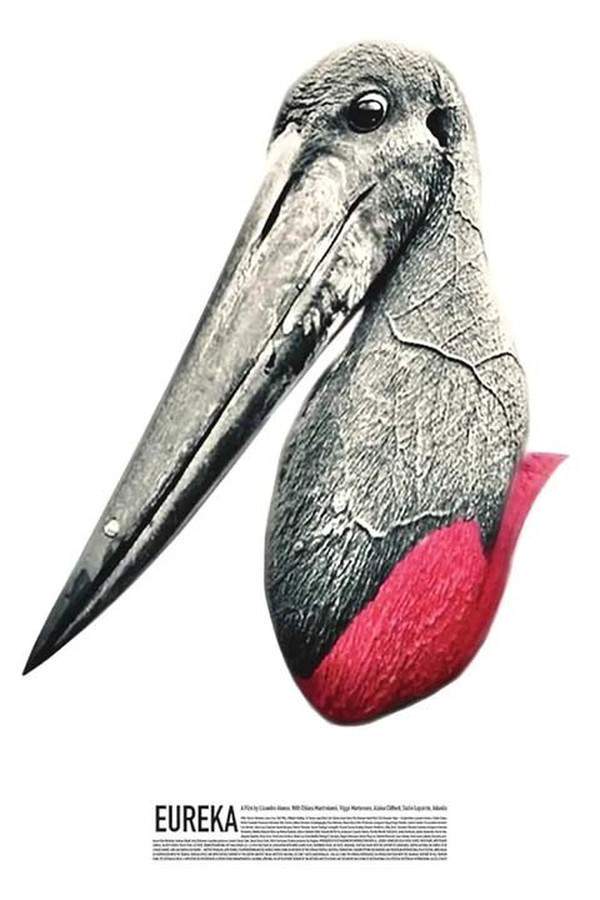
Eureka 2001

Directed by

Shinji Aoyama
Made by

Shooting Gallery
Eureka Plot Summary
Read the complete plot summary and ending explained for Eureka (2001). From turning points to emotional moments, uncover what really happened and why it matters.
Eureka is a drama set mainly in rural Kyushu, Japan, and it is almost entirely shot in a sepia tone, giving the film a hushed, memory-like atmosphere. The story centers on the lasting effects of a violent incident on three survivors: Naoki Tamura, his sister Kozue Tamura, and Makoto Sawai, a bus driver. They are the sole witnesses to a hijacking, and the film presents the trauma they endure without dwelling on graphic depictions of the violence itself. The emphasis is on how the event reshapes their lives and the slow emergence of their emotional scars.
The cast’s performances anchor the film’s quiet, observational approach. The film features performances by Aoi Miyazaki and Kôji Yakusho, bringing depth to the trio of survivors as their paths diverge and collide in the years after the incident. Naoki and Kozue withdraw from school, fall silent, and drift away from their parents. Their mother ultimately leaves the family, and their father dies in a car crash, with questions lingering about whether the death was suicide or an accident. The children continue living alone in the family home, a stark contrast to the world around them.
Makoto, the bus driver, struggles to resume a normal life. He travels the roads and, upon returning home, finds his wife has left him. Unable to return to driving, he takes a job as a day-laborer with an old school-friend, trying to rebuild some sense of purpose. The tension between Makoto and his own family grows, and he eventually moves in with Naoki and Kozue, taking over housekeeping and making sure they eat. Kozue begins to speak a little again, but Naoki remains mute, their communication fragile and tentative.
A detective who handled the hijacking becomes a persistent voice in Makoto’s life, harassing him about a murder in the neighborhood without presenting solid evidence. While Makoto is away at work, their older cousin Akihiko arrives and asks to stay to help look after the children. The four of them—Makoto, Akihiko, Naoki, and Kozue—settle into a fragile, improvised family arrangement, each carrying their own unspoken fears.
Another murder occurs, this time of a friend of Makoto’s. The detective questions Makoto but he is released, and he debates with a co-worker about his wish to return to driving. The group formulates a plan to escape their troubles by leaving behind the tensions that bind them to the present. They buy an old bus and convert it into living quarters, embarking on an extended journey around the island.
As they travel, Kozue grows more relaxed, while Naoki grows more unsettled. It gradually becomes clear that Naoki is the murderer, a revelation the film handles with restrained intensity. Makoto confronts Naoki and persuades him to surrender. The remaining three continue their journey, but tensions flare when Makoto ejects Akihiko from the bus due to his cynical, shallow outlook. The path of the journey becomes a reckoning for each of them.
In the end, after a sequence of hard-won realizations, Makoto and Kozue reach a moment where they sense they can face ordinary life again. Their bond and the weight they carry begin to loosen, and as they reach the peak of Kyushu’s highest mountain, the film shifts into color, signaling a possible turn toward normalcy and the possibility of reconnecting with the world outside their shared trauma. The color shift marks a hopeful, if tentative, transition from memory and pain toward a future that might hold ordinary life again.
Eureka Timeline
Follow the complete movie timeline of Eureka (2001) with every major event in chronological order. Great for understanding complex plots and story progression.
Hijacking on the bus; three survivors
During a bus hijacking in rural Kyushu, a gunman takes control, but the three survivors escape unharmed. The act is not shown in detail, yet the incident triggers deep psychological wounds for Makoto, Naoki, and Kozue. The event marks the beginning of their long struggle to cope with trauma.
Naoki and Kozue fall silent after the hijack
Naoki and Kozue stop speaking and withdraw from school and parental life. They drift in a dissociated state within the family home, their behavior shaped by the trauma they endured. The collapse of normalcy around them deepens their isolation.
Mother abandons the family
Some time after the hijack, the children's mother leaves the family, further destabilizing the household. The split erodes any sense of stability the children once had. The home becomes a fragile shelter rather than a sanctuary.
Father dies in a car crash
Later, their father is killed in a car crash, with ambiguity around whether it was suicide. The loss intensifies the children’s sense of abandonment and danger surrounding their lives. The family is left with fewer supports as events spiral.
Makoto abandons his ordinary life and hits the road
Makoto cannot face normal life after the hijack and ventures back on the road. He travels away from the family home, seeking a way to cope with his trauma. His absence adds strain to the family as they try to endure without him.
Makoto returns to an empty home and takes day-labor
When Makoto returns, he finds his wife has left him, deepening his sense of failure. He cannot return to driving a bus and instead works as a day-laborer for an old school-friend. The household now includes his father and brothers, shifting the family dynamics.
Makoto moves in with Naoki and Kozue
Makoto moves in with Naoki and Kozue, taking over housekeeping and ensuring they eat properly. The trio settles into a fragile, improvised family routine. Naoki remains largely mute while Kozue begins to speak a little again.
Detective harasses Makoto
The detective who handled the hijacking begins to pressure Makoto about a murder in the neighborhood, seemingly without solid evidence. The relentless questioning heightens tension within the makeshift family. Makoto's nerves fray as suspicion falls around him.
Cousin Akihiko arrives to help
Akihiko, the older cousin, comes to stay and look after Naoki and Kozue. The four form a tense but functional arrangement, trying to keep order while the truth of their trauma lingers. Doubts and unease linger beneath the surface.
A new murder; plan to run away
Another murder occurs, targeting a friend of Makoto. The suspect is arrested but released, and he shares a longing to return to driving and take everyone away from their troubles. He and Makoto begin to consider leaving their past behind for a fresh start.
They buy an old bus and set off
They purchase an old bus and convert it into living space, beginning an extended tour around the island. The journey provides escape but also exposes underlying tensions, especially Naoki's growing disturbance. The road offers both freedom and fear.
Naoki reveals himself as the killer; confrontation
As the trip continues, Naoki is revealed to be the murderer. Makoto confronts him and convinces Naoki to surrender to the authorities. The confrontation marks a turning point, forcing the group to face consequences and seek some form of accountability.
Makoto ejects Akihiko from the bus
Makoto loses his temper with Akihiko's cynical outlook and throws him off the bus. The remaining trio continues the journey with fewer voices, tightening their bond in the wake of betrayal. The decision reflects Makoto's desire for a more honest path forward.
Reaching Kyushu's highest peak; color returns
Makoto and Kozue reach the peak of Kyushu's highest mountain, where they realize they can face ordinary life again. The moment signals a shift in perception and marks the transition from sepia to color. The journey ends with a fragile sense of hopeful endurance.
Eureka Characters
Explore all characters from Eureka (2001). Get detailed profiles with their roles, arcs, and key relationships explained.
Kozue Tamura (Aoi Miyazaki)
Kozue is the younger sister who, following the hijacking, withdraws from speech and interaction, embodying a fragile, cautious resilience. Her gradual re-engagement with others signals both the persistence of trauma and the possibility of recovery. She becomes more communicative as the journey unfolds, representing hope amid despair.
Makoto Sawai (Kôji Yakusho)
Makoto is the bus driver whose life splinters after the hijacking. He struggles to resume normal life, oscillating between protective authority and emotional distance. His decision to join the siblings on the road and his later confrontation anchor the group’s fragile sense of stability and purpose.
Eureka Settings
Learn where and when Eureka (2001) takes place. Explore the film’s settings, era, and how they shape the narrative.
Time period
late 1990s
The story unfolds in a contemporary late-1990s Japan, a period of social change yet ordinary domestic life in rural areas. Life here moves at a slower pace, allowing the characters’ trauma to unfold gradually. Visual and narrative pacing echo the era’s restrained mood, with color returning only as healing progresses.
Location
Rural Kyushu, Japan
Set in rural Kyushu, Japan, the film unfolds across quiet countryside locations. The setting emphasizes isolation as the characters cope with trauma. The sepia visuals reinforce memory and distance from ordinary life.
Eureka Themes
Discover the main themes in Eureka (2001). Analyze the deeper meanings, emotional layers, and social commentary behind the film.
🧠
Trauma
The film centers on the lasting impact of violence on three survivors, showing how fear, guilt, and disruption reshape everyday life. Naoki, Kozue, and Makoto each cope differently, revealing the complex psychology of trauma in a close-knit community. The narrative avoids graphic violence, focusing instead on memory, avoidance, and the gradual path toward relief.
👪
Family
A broken family slowly navigates the limits of care and responsibility after the hijacking. Makoto becomes a surrogate parent, knitting the siblings into a fragile unit while their mother’s abandonment adds to the sense of fragility. The “found family” on the road highlights how love and obligation can sustain people through crisis.
🧭
Journey
The ensemble’s odyssey on an old bus turns into a literal and symbolic voyage toward healing. The road trip exposes tensions, reversals of trust, and moments of unexpected connection. As they travel across Kyushu, the characters confront what it means to return to ordinary life and to face one’s past.

Coming soon on iOS and Android
The Plot Explained Mobile App
From blockbusters to hidden gems — dive into movie stories anytime, anywhere. Save your favorites, discover plots faster, and never miss a twist again.
Sign up to be the first to know when we launch. Your email stays private — always.
Explore the mobile appEureka Spoiler-Free Summary
Discover the spoiler-free summary of Eureka (2001). Get a concise overview without any spoilers.
In the frozen foothills of the Yukon in 1925, the landscape stretches endless and unforgiving, a vast expanse of pine‑laden ridges, wind‑scoured riverbanks and a sky that seems to press down on every weary traveler. The remote outposts that dot the wilderness are little more than weather‑worn cabins and the occasional dimly lit saloon, places where the thin line between hope and desperation is constantly tested by the relentless cold.
Jack McCann is a lone prospector, a man whose days are measured by the clang of a pick and the distant echo of dreaming fortunes. He lives by the rhythm of the earth, his solitude broken only when he stumbles upon a solitary brothel hidden in a canyon. There he meets Frieda, a madam whose reputation for seeing beyond the ordinary has turned the outpost into a waypoint for those chasing fate. Her eyes, sharp and unsettling, carry a weight of insight that feels both comforting and unsettling in the stark frontier.
Between them forms a quiet, magnetic connection that feels as ancient as the mountains themselves. Frieda offers Jack a strange stone, a smooth, almost luminous fragment she claims holds the promise of gold—a tangible hope in a land where riches are whispered but rarely found. Yet the gift carries its own whisper, a suggestion of an inevitable darkness that lies waiting in the unforgiving terrain, hinting that the quest for wealth may bind a traveler to a destiny as harsh as the wilderness around him.
The film settles into a tone of hushed tension, its sepia‑toned visuals lending every scene the texture of memory and myth. Characters move through the cold with a mix of yearning and resignation, their interactions layered with unspoken promises and foreboding possibilities. As Jack weighs the allure of the stone against the murmur of fate, the audience is left to feel the weight of choice in a world where every step can echo for a lifetime.
Movies with Similar Twists and Themes
Uncover films that echo the narrative beats, emotional arcs, or dramatic twists of the one you're exploring. These recommendations are handpicked based on story depth, thematic resonance, and spoiler-worthy moments — perfect for fans who crave more of the same intrigue.
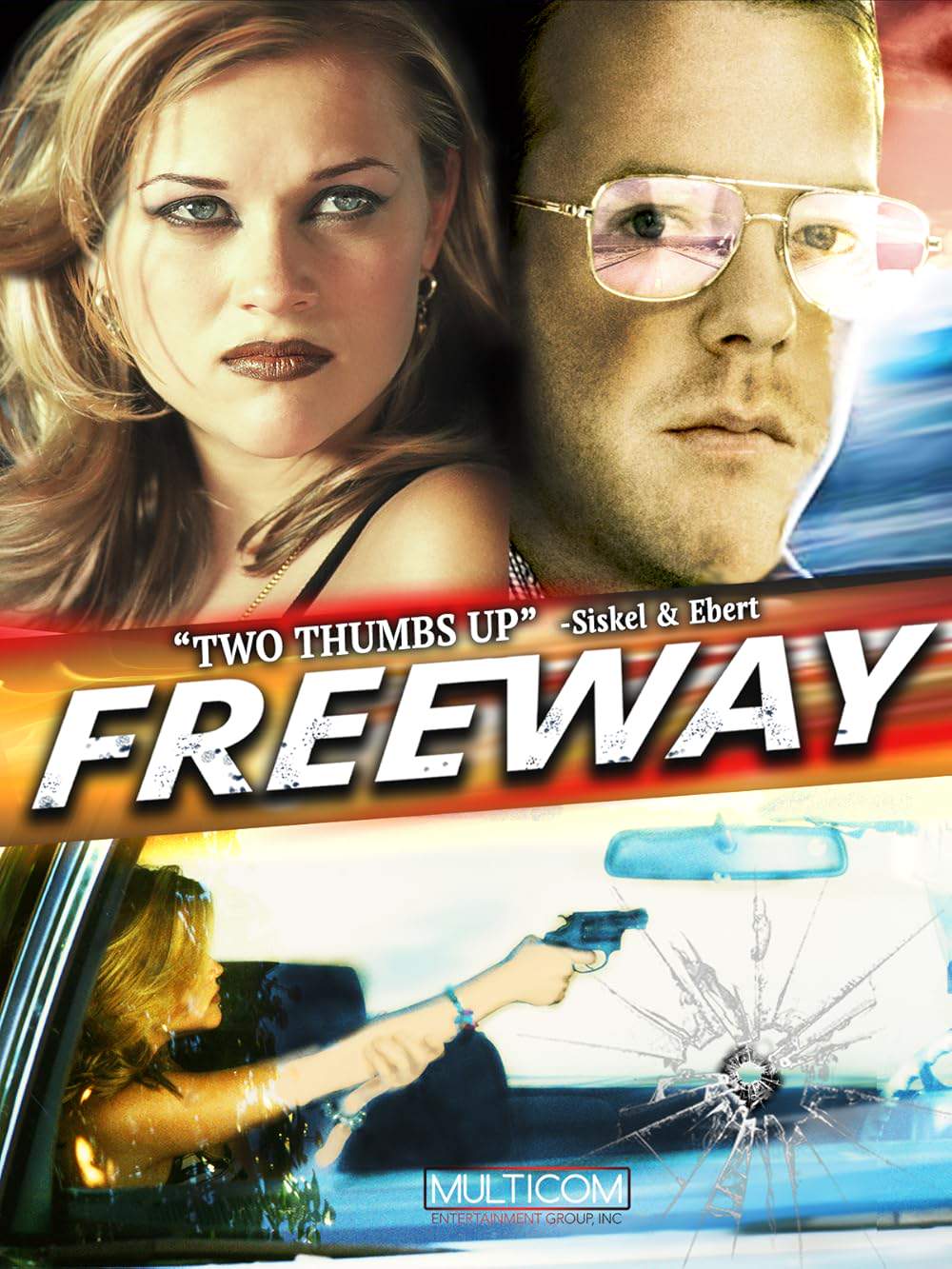

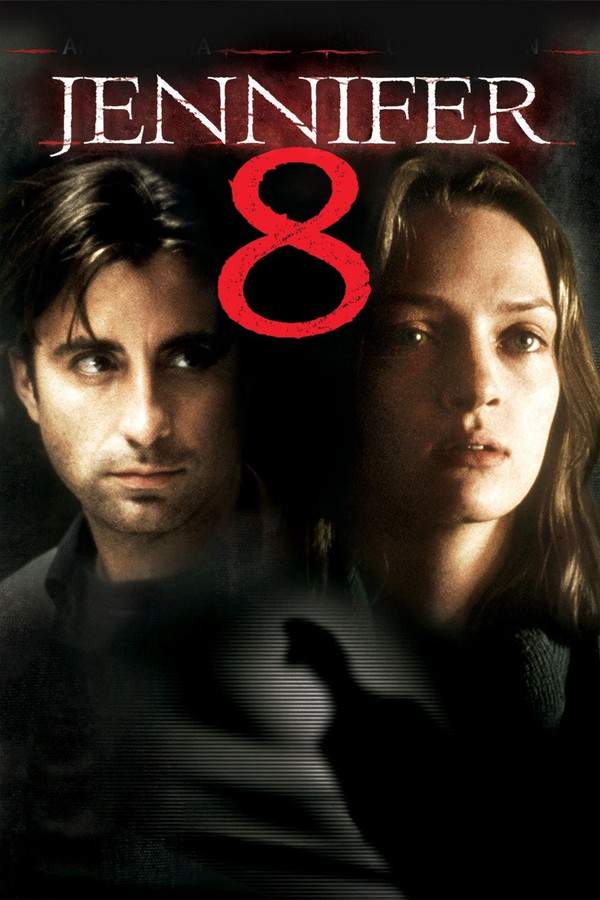
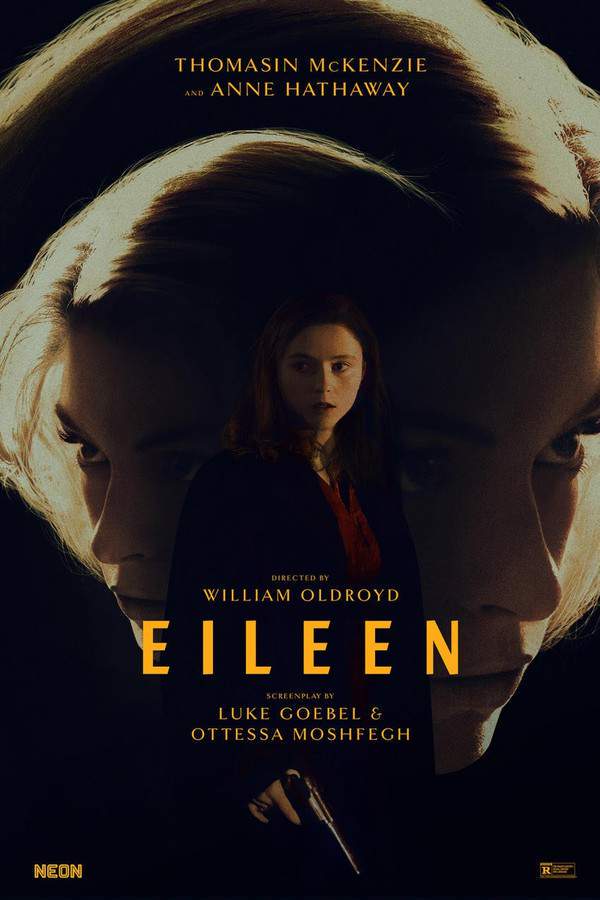
Featured on this page

What's After the Movie?
Not sure whether to stay after the credits? Find out!
Check out our other apps:

SAT Sphere
Build confidence for the Digital SAT.

Mori Atlas
Discover wild places worth protecting.

Luntero
Search smarter for a home in Amsterdam.

Plot Explained
Unravel movie endings and hidden clues.

Pokechamp
Dive into Pokémon data and battle logic.

Driving Theory
Get ready for your European theory test.

Movie Dust
Plan your next cinema trip with ease.

Musemap
Find art and culture as you travel.

Selkobase
Compare credentials before committing.

Local Manual
Turn an unfamiliar country into practical next steps.

Lernavi
Compare school systems before your next move.

GymRoam
Find a workout stop wherever your plans take you.
Explore Our Movie Platform
New Movie Releases (2026)
Famous Movie Actors
Top Film Production Studios
Movie Plot Summaries & Endings
Major Movie Awards & Winners
Best Concert Films & Music Documentaries
Movie Collections and Curated Lists
© 2026 What's After the Movie. All rights reserved.
Privacy Policy