
Ethel 2012


Directed by
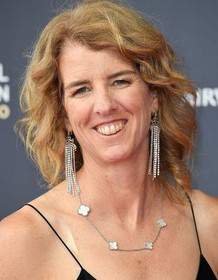
Rory Kennedy
Made by

Moxie Firecracker Films
Where to Watch Ethel
See current US streaming, rental, and purchase options for Ethel (2012) via JustWatch.


Streaming availability powered by 
Ethel Plot Summary
Read the complete plot summary and ending explained for Ethel (2012). From turning points to emotional moments, uncover what really happened and why it matters.
The documentary traces an ordinary family shaped by parents who recognize the responsibility to make the world a better place and who raise their children to notice needs and take action. It opens with the early years of the Kennedy clan, when they lived in the country, and then expands to weave their story into the wider tapestry of American history, showing that the Kennedy parents and their children were present in many defining moments across decades.
As the film moves forward, it centers on the aftermath of John F. Kennedy’s death. The director, Rory Kennedy, asks his mother, Ethel Kennedy, about the death of her own father, an event that is described as occurring while she was expecting. The moment renders Ethel nearly speechless, and a similar hush seems to settle on the grown children portrayed in the film, who confront the enduring weight of loss and legacy. The quiet, intimate conversations peel back the private sorrow behind a family long committed to public life.
The narrative continually returns to the people who shaped the Kennedy story—parents and siblings, public figures who appear through archival footage and the living memory of the family. There are scenes of funerals and long stretches of railway tracks crowded with people paying their respects, a visual reminder of how grief, duty, and public service intertwine in this family’s history. Throughout, the film emphasizes how those public moments did not merely end with a moment of tragedy, but rather propelled a sustained dedication to serving others.
After the funeral and the public ceremonies, the family’s life of public service persists. Ethel Kennedy emerges as a steady steward of the couple’s shared vision, guiding her children with a blend of discipline and quiet encouragement. At home, she teaches them sports and instills values that emphasize resilience and responsibility, yet she resists taking credit for the outcomes, underscoring a belief that character is formed through daily practice and communal support rather than individual acclaim.
More than five decades after the assassination of Robert Kennedy, the family remains bound by memory and purpose. The documentary concludes with a sense that the Kennedy story continues to unfold through the ongoing commitment of its members to public life, family, and the ideals they inherited. The film offers a patient, reflective portrait of a family whose influence lingered long after the headlines faded, and who, in the words of its narration, continues to live on together.
Ethel Timeline
Follow the complete movie timeline of Ethel (2012) with every major event in chronological order. Great for understanding complex plots and story progression.
Family life in the countryside
The film opens with the Kennedy family's early years spent in the countryside. It shows a close-knit household guided by parents who emphasize curiosity, responsibility, and a desire to improve the world. These scenes set the tone for the family's lifelong engagement with public life.
A household shaped by social awareness
The parents instill a sense of social responsibility in their children and encourage them to acknowledge real-world needs. They model taking action rather than staying distant, teaching the value of service and community involvement. The home becomes a training ground for the ethical outlook shown throughout the documentary.
Scenes weave into the history of the United States
Throughout the narrative, montages place the Kennedy family within the larger arc of American history. The film intercuts personal moments with episodes from the United States' past to show how public life and private values intersect. Viewers are reminded that personal choices unfold against a public backdrop.
RFK's death and its aftermath
Jack Kennedy's death marks a turning point for the family. The film follows the emotional impact on Ethel, the children, and the broader public as the tragedy unfolds. The aftermath sets in motion a legacy of public service that the family continues to carry.
Ethel's memory of her own father
Rory Kennedy asks his mother about the death of her own father, an event that occurred before she was born. The moment reveals the vulnerabilities and silences that accompany loss. Ethel and her children confront difficult memories as the narrative moves forward.
Funerals and the long road of farewell
There are powerful scenes of funerals and the long road of mourning, with miles of railway echoing the scale of public farewell. The film captures the rituals and crowds that gather to honor those who served. These moments underscore the Kennedy family's enduring public presence.
Public life persists after the funerals
After the funerals, a life of public service persists as a guiding principle. Family members continue to engage in civic work and public life, shaping the era in which they live. The resilience of their commitment is a throughline of the documentary.
Ethel becomes the executor of the family's vision
Ethel steps into a leadership role, carrying forward her husband and children's legacy into public life. She navigates public responsibilities while balancing family life and private memory. The film portrays her as a steady figure carrying forward their shared ideals.
Home life: teaching sports and discipline
At home, she focuses on raising her children with sports and discipline, shaping their routines and character. The household remains a place where values are practiced daily and resilience is modeled. The narrative emphasizes the quiet, persistent work of parenting within a public family.
Humility over credit for their upbringing
She does not seek or claim sole credit for how the children turned out. The documentary frames the upbringing as a collective achievement rooted in family values and shared purpose. This humility reinforces the sense of continuity across generations.
Five decades later: a still-knit family
Now, over 53 years after Robert Kennedy's assassination, the family remains close and actively involved in public life. The film watches them navigate a long arc of memory, service, and shared bonds. Their unity stands as a throughline for the documentary's narrative.
Continuity of purpose across generations
The closing notes emphasize that the family's mission endures beyond individual lives and eras. It highlights how values are preserved and passed down, continuing to guide the next generation toward public service and civic responsibility. The documentary leaves viewers with a sense of ongoing family impact.
Ethel Characters
Explore all characters from Ethel (2012). Get detailed profiles with their roles, arcs, and key relationships explained.
Ethel Kennedy
As the matriarch who stewards the Kennedy family’s legacy, she embodies quiet strength and persistent care. The film portrays her as the executor of her husband’s vision, balancing public duties with family life and setting rules that shape her children's character.
John F. Kennedy
Former U.S. president whose presidency and assassination loom large in the family story. The documentary uses archival footage to show how his leadership and tragedy influenced the family's public image and the direction of the nation.
Robert F. Kennedy
RFK is depicted through the lens of his public service and untimely death, shaping the family’s sense of mission and loss. The film presents his funeral and the lasting impact of his political ideals on his siblings and children.
Rory Kennedy
The director and narrator guides the viewer through the family’s story, weaving interviews with family members and archival footage. His perspective frames the balance between memory, history, and personal reflection.
Jacqueline Kennedy
As a symbol of the Kennedy era, she appears in archival footage representing poise, public image, and the private effects of national upheaval on family life.
Ethel Settings
Learn where and when Ethel (2012) takes place. Explore the film’s settings, era, and how they shape the narrative.
Time period
Mid-20th century to early 21st century
The story spans several decades, beginning in the family’s early years and continuing into modern times. It captures the era of public service, national events, and the enduring memory of the Kennedy family as their history intersects with the wider history of the United States. The documentary presents both past moments and present reflections, illustrating how the family’s legacy endures after major tragedies.
Location
United States
The film unfolds across the United States, tracing the Kennedy family's life from rural country living to their role in the nation's political and social history. The setting serves as a backdrop for personal growth, public service, and the public funerals that mark the family legacy. The documentary uses archival moments to anchor the narrative in American life.
Ethel Themes
Discover the main themes in Ethel (2012). Analyze the deeper meanings, emotional layers, and social commentary behind the film.
🕊️
Family & Service
The film centers on a family guided by a shared sense of duty, where parents teach responsibility and compassion and children are encouraged to act on societal needs. It portrays how strong family values can influence public life and personal choices. The narrative shows discipline, care, and support as the foundation for a life of public service.
🏛️
Legacy & Public Life
The Kennedy family’s commitment to public service frames the documentary, highlighting how political fame and tragedy shape a family’s legacy. The film examines how personal decisions intersect with national events, creating a living history. It also considers how a family can carry forward a vision beyond individual members.
💔
Death & Mourning
Funerals and assassinations mark turning points in the family narrative, forcing them to confront loss in the public eye. The film portrays the emotional toll of these events on relatives and the broader national consciousness. It also reflects how grief becomes a driving force to continue a legacy.
🎓
Education & Discipline
At home, Ethel Kennedy teaches her children sports and discipline, shaping character and resilience. The documentary emphasizes everyday practices of care and guidance that nurture a sense of responsibility. It suggests that character building is as important as public achievement.

Coming soon on iOS and Android
The Plot Explained Mobile App
From blockbusters to hidden gems — dive into movie stories anytime, anywhere. Save your favorites, discover plots faster, and never miss a twist again.
Sign up to be the first to know when we launch. Your email stays private — always.
Explore the mobile appEthel Spoiler-Free Summary
Discover the spoiler-free summary of Ethel (2012). Get a concise overview without any spoilers.
In a quiet, homespun setting that feels both timeless and intimately contemporary, Ethel Kennedy opens a window onto a remarkable American lineage. The film positions her as both the heart of a household and a living conduit to the sweeping currents of public service that have shaped her family’s narrative. Through candid conversations, she shares the rhythms of daily life—family meals, sports in the backyard, and the quiet discipline that shaped her children—while gently hinting at the broader responsibilities that have always lingered just beyond the front door.
Guiding the conversation is her daughter, filmmaker Rory Kennedy, whose gentle curiosity frames the documentary as a tender intergenerational dialogue. Rory steps behind the camera not to expose scandal, but to illuminate the personal values that have steadied a family often caught in the spotlight of history. The tone is reflective and reverent, allowing moments of laughter, quiet contemplation, and understated resilience to surface naturally, inviting viewers to feel the pulse of a household that has balanced private love with public aspiration.
The world of the film is built on the juxtaposition of ordinary domestic scenes with the subtle echo of national events that have brushed the family’s path. By weaving together archival touches of American history and the lived experience of a mother who has watched her children grow into public figures, the documentary creates a sense of continuity—where personal commitment and civic duty coexist. The atmosphere is warm yet contemplative, encouraging an appreciation for how ordinary values can ripple outwards without ever losing their intimate core.
Featured on this page

What's After the Movie?
Not sure whether to stay after the credits? Find out!
Check out our other apps:

SAT Sphere
Build confidence for the Digital SAT.

Mori Atlas
Discover wild places worth protecting.

Luntero
Search smarter for a home in Amsterdam.

Plot Explained
Unravel movie endings and hidden clues.

Pokechamp
Dive into Pokémon data and battle logic.

Driving Theory
Get ready for your European theory test.

Movie Dust
Plan your next cinema trip with ease.

Musemap
Find art and culture as you travel.

Selkobase
Compare credentials before committing.

Local Manual
Turn an unfamiliar country into practical next steps.

Lernavi
Compare school systems before your next move.

GymRoam
Find a workout stop wherever your plans take you.
Explore Our Movie Platform
New Movie Releases (2026)
Famous Movie Actors
Top Film Production Studios
Movie Plot Summaries & Endings
Major Movie Awards & Winners
Best Concert Films & Music Documentaries
Movie Collections and Curated Lists
© 2026 What's After the Movie. All rights reserved.
Privacy Policy