
Edison, the Man 1940

Directed by

John Butler
Made by

Metro-Goldwyn-Mayer
Edison, the Man Plot Summary
Read the complete plot summary and ending explained for Edison, the Man (1940). From turning points to emotional moments, uncover what really happened and why it matters.
In 1869, Thomas A. Edison is eager to be more than a tramp telegraph operator, and he heads to New York at the urging of his old friend, Bunt Cavatt. He finds work for Bunt’s uncle, Ben Els, and begins pitching his ideas to financiers who might back his restless creativity. He first targets the ambitious Mr. Taggart, a financier who shows little interest in funding what he calls “green electrical workers.” Yet the door opens a crack when General Powell, the president of Western Union, takes a chance on Edison’s vision and potential.
Edison eventually sells his invention of an improved ticker tape machine to Taggart and Powell for $40,000, a sum that allows him to marry and to establish his own laboratory at Menlo Park. In the years that follow, he and his devoted staff push forward a stream of innovations, most notably the creation of the phonograph, a breakthrough that reshapes how people listen to sound and how information is recorded. The team’s steady progress marks Edison as a force in the modern age of invention, driven by persistence, curiosity, and a methodical approach to problem-solving.
Trouble arises when [Bunt Cavatt] brags to reporters that Edison has perfected the electric light. Although he has not yet achieved that milestone, the claim triggers a sting of skepticism and condemnation from parts of the scientific community, a climate that is subtly encouraged by Taggart, whose gas-based business interests might be threatened by Edison’s advancing ideas. Faced with public doubt and powerful business pressure, Edison temporarily steps away from the laboratory and away from pure science, only to return to a grueling cycle of trial-and-error work aimed at turning electricity into practical illumination.
The stakes rise as Taggart, wary of losing control over the project, constrains Edison with a tight deadline—six months to complete the entire task of lighting a great city. Undeterred by the clock and the opposition, Edison refuses to abandon his pursuit. He pushes through the setbacks, refines his approaches, and, in a dramatic crescendo, completes the work just in time, bringing electric light to New York City and proving the transformative power of invention when tenacity meets opportunity.
Edison, the Man Timeline
Follow the complete movie timeline of Edison, the Man (1940) with every major event in chronological order. Great for understanding complex plots and story progression.
Edison arrives in New York to seek fortune
In 1869, Edison travels to New York at the urging of his old friend Bunt Cavatt, leaving behind the tramp days. He hopes to break into the professional world of invention and electrical work. The city offers him opportunities he believes he can seize with his talent.
Takes a job with Ben Els
He goes to work for Bunt's uncle, Ben Els, where he can gain practical experience and demonstrate his abilities. The position lets him test ideas in a real-world setting and make valuable connections. This period marks his transition from a street-smart operator to a serious inventor.
Seeks funding from Taggart
Edison tries to persuade financier Mr. Taggart to fund the development of his inventions. Taggart shows little interest in financing what he dismissively calls 'green electrical workers.' Edison remains determined, seeking backers who will trust his vision.
General Powell backs the project
General Powell, the president of Western Union, sees merit in Edison’s work and agrees to finance his projects. This support contrasts with Taggart’s reluctance and begins to legitimize Edison’s ambitions. The alliance with Powell provides crucial early momentum.
Sells ticker tape invention for capital
Edison sells his improved ticker tape machine to Taggart and Powell for $40,000, providing the capital he needs to advance his research. The windfall permits him to get married and establish his own laboratory. This sale marks a turning point from speculative ideas to funded experimentation.
Marriage and Menlo Park laboratory
With funding secured, Edison marries and opens his own laboratory at Menlo Park. He assembles a devoted staff and turns his home into a working lab where disciplined experimentation begins in earnest. The lab becomes the cradle of his most famous inventions.
The phonograph is devised
In the following years, Edison and his team invent the phonograph, a milestone that demonstrates the power of their collaboration. The invention cements his reputation as a leading inventor of the era. The staff's dedication is crucial to achieving this breakthrough.
Bunt Cavatt’s brag causes trouble
Bunt Cavatt brags to reporters that Edison has perfected the electric light, triggering a backlash from the scientific community. Taggart fuels the skepticism, and Edison finds himself condemned by peers who fear disruption to established industries. The pressure forces him to defend his work publicly.
Edison abandons science to focus on invention
After the backlash, Edison withdraws from traditional scientific circles and dedicates himself to a Herculean trial-and-error effort. He pursues a practical, working solution to electric lighting rather than theoretical breakthroughs alone. The relentless grind defines the next phase of his career.
A six-month deadline from Taggart
Taggart imposes a six-month deadline to complete the entire lighting project for New York. Edison accepts the challenge and reorganizes his approach to deliver a working system within the tight timeframe. Despite the pressure, he remains determined to meet the deadline.
The breakthrough and completion
Edison and his team work through intense testing and iteration to produce a practical electric light. They complete the project just in time, securing the success of their plans to illuminate New York City. The achievement marks a pivotal moment in the adoption of electric lighting.
Aftermath and recognition
With the project finished, Edison’s name grows as a symbol of practical invention and perseverance. Taggart’s skepticism is overcome by the successful outcome, and Edison gains credibility with investors and the public. His success lays the groundwork for future, groundbreaking work.
Edison, the Man Characters
Explore all characters from Edison, the Man (1940). Get detailed profiles with their roles, arcs, and key relationships explained.
Thomas A. Edison (Spencer Tracy)
An ambitious and tenacious inventor who travels to New York to pursue opportunities. He builds a working team, establishes the Menlo Park laboratory, and endures skepticism before finally delivering a practical electric light. His perseverance and willingness to iterate drive the transformation from idea to public utility.
Bunt Cavatt (Lynne Overman)
Edison’s old friend who prompts his move to New York. A catalyst in the early life of the venture, he helps set the plan in motion and acts as a social link between Edison and the wider world of opportunity.
Ben Els (Henry Travers)
A mentor figure who provides Edison with work and introductions. He embodies practical support and a steady, if cautious, belief in Edison’s potential, helping to bridge the inventor with investors.
Mr. Taggart (Gene Lockhart)
A financier who resists funding Edison’s ventures at first, wary of the inventor’s publicity and the implications for his gas stocks. He represents commercial resistance to new technology and the political economy surrounding invention.
General Powell (Charles Coburn)
President of Western Union who ultimately recognizes the potential in Edison’s work and becomes an ally by providing financial support. He embodies institutional support for advancing communication technology.
Mary Stilwell (Rita Johnson)
Edison’s wife, who shares in the ups and downs of his career. Her presence grounds the inventor’s personal life amid the turbulence of experimentation and the demands of business.
Edison, the Man Settings
Learn where and when Edison, the Man (1940) takes place. Explore the film’s settings, era, and how they shape the narrative.
Time period
Late 19th century (1869–1880s)
The story begins in 1869 when Edison travels to New York. In the ensuing years, he and his team test ideas, refine devices, and secure investments. By the late 1870s, he achieves a practical electric light, tying invention to the needs of a rapidly modernizing city.
Location
New York, Menlo Park
New York serves as the bustling urban stage where Edison pursues funding and public attention. Menlo Park, New Jersey, emerges as the cradle of his research laboratory and a symbol of hands-on invention. These locations anchor the narrative in the era’s rapid urban growth and the shift from idea to industrial utility.
Edison, the Man Themes
Discover the main themes in Edison, the Man (1940). Analyze the deeper meanings, emotional layers, and social commentary behind the film.
💡
Innovation
The central arc follows Edison’s relentless experimentation as he moves from abstract concept to functional device. The film traces the long, iterative path of invention, highlighting the thrill of breakthroughs and the discipline of steady improvement.
💼
Funding & Industry
Financiers and corporate power shape the fate of invention. Taggart’s skepticism and Powell’s support illustrate the clash between risk, capital, and public utility. The narrative shows how monetary backing and strategic alliances are as crucial as clever ideas.
🧪
Experimentation
Trial and error drives progress, with Edison assembling a devoted staff and a rigorous workflow. The story emphasizes persistence in the face of doubt, the value of practical testing, and the methodical pursuit of a working solution.

Coming soon on iOS and Android
The Plot Explained Mobile App
From blockbusters to hidden gems — dive into movie stories anytime, anywhere. Save your favorites, discover plots faster, and never miss a twist again.
Sign up to be the first to know when we launch. Your email stays private — always.
Explore the mobile appEdison, the Man Spoiler-Free Summary
Discover the spoiler-free summary of Edison, the Man (1940). Get a concise overview without any spoilers.
In a reflective frame that spans half a century, an elderly Thomas Edison looks back on the journey that transformed him from an ambitious young dreamer into one of history’s most influential inventors. The story unfolds through his memories, returning to 1869 when a twenty-two-year-old Edison arrives in New York with little more than restless curiosity and a determination to be more than a tramp telegraph operator. His mind already buzzes with ideas, and he carries the urging of his friend Bunt Cavatt to seek something greater than the life he has known.
The New York he enters teems with opportunity and resistance in equal measure. Financiers and businessmen hold the keys to resources, and Edison must navigate a world where vision often collides with entrenched interests and pragmatic skepticism. Figures like Ben Els offer footholds in unfamiliar territory, while powerful men such as Mr. Taggart and General Powell represent both the barriers and possibilities that shape an inventor’s path. Convincing others to believe in ideas before they exist becomes its own kind of labor.
The film captures the spirit of invention at a moment when the modern age was taking shape. Edison’s pursuit is defined not merely by flashes of brilliance, but by persistence, a methodical approach to problems, and an unwillingness to accept impossibility. As he seeks support for his early creations, tensions simmer between progress and the established order—and between public doubt and private conviction. What emerges is a portrait of creativity under pressure, where the drive to illuminate the world must first survive the darkness of skepticism.
Movies with Similar Twists and Themes
Uncover films that echo the narrative beats, emotional arcs, or dramatic twists of the one you're exploring. These recommendations are handpicked based on story depth, thematic resonance, and spoiler-worthy moments — perfect for fans who crave more of the same intrigue.
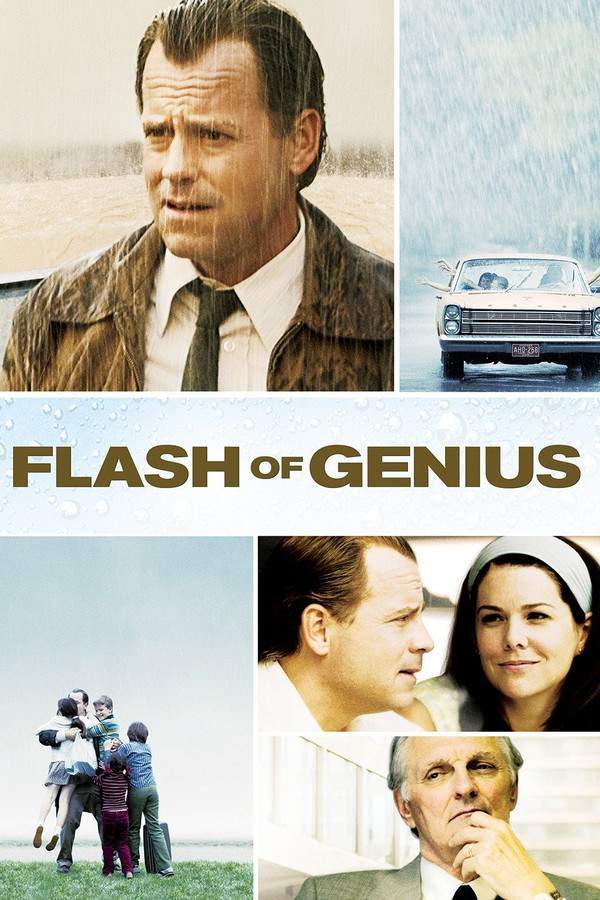
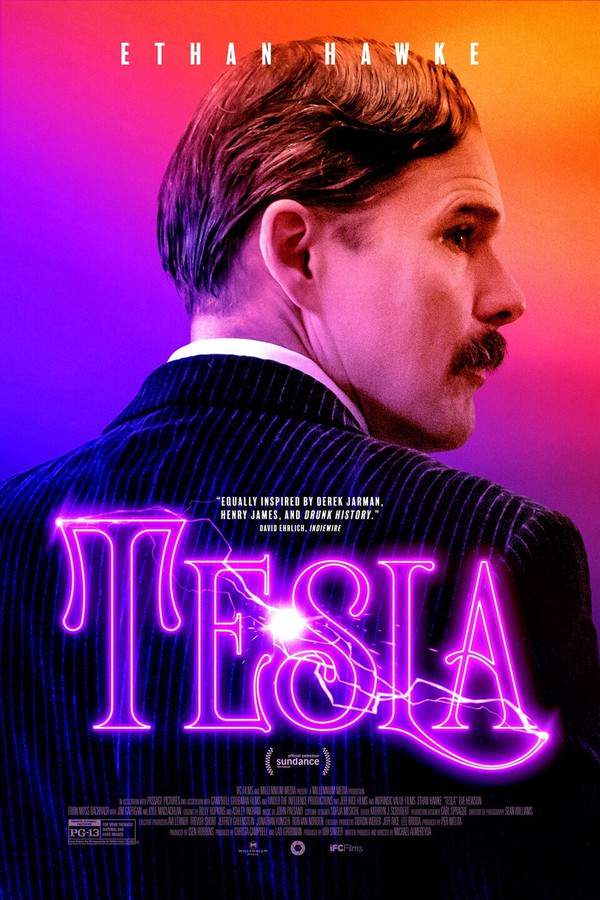



Featured on this page

What's After the Movie?
Not sure whether to stay after the credits? Find out!
Check out our other apps:

SAT Sphere
Build confidence for the Digital SAT.

Mori Atlas
Discover wild places worth protecting.

Luntero
Search smarter for a home in Amsterdam.

Plot Explained
Unravel movie endings and hidden clues.

Pokechamp
Dive into Pokémon data and battle logic.

Driving Theory
Get ready for your European theory test.

Movie Dust
Plan your next cinema trip with ease.

Musemap
Find art and culture as you travel.

Selkobase
Compare credentials before committing.

Local Manual
Turn an unfamiliar country into practical next steps.

Lernavi
Compare school systems before your next move.

GymRoam
Find a workout stop wherever your plans take you.
Explore Our Movie Platform
New Movie Releases (2026)
Famous Movie Actors
Top Film Production Studios
Movie Plot Summaries & Endings
Major Movie Awards & Winners
Best Concert Films & Music Documentaries
Movie Collections and Curated Lists
© 2026 What's After the Movie. All rights reserved.
Privacy Policy