
Dust in the Wind 1986


Dust in the Wind Plot Summary
Read the complete plot summary and ending explained for Dust in the Wind (1986). From turning points to emotional moments, uncover what really happened and why it matters.
Ah Yuan and Ah Yun are childhood sweethearts who grow up in Jiufen, a rural town nestled in the hills of northern Taiwan. Their days are marked by simple but steady routines: they ride the same train to school each day and then walk back home along the railway and the winding uphill roads that frame their early years. The bond between them deepens as they share the landscape around them, and as their fathers work as coal miners, the two remain inseparable through the rhythms of childhood and adolescence. The setting—dusty streets, earthy smells, and distant quarry echoes—feels like a quiet but persistent backdrop to a first, fragile kind of love.
After finishing high school, Ah Yuan moves to Taipei to work at a printing shop, and about a year later Ah Yun follows, taking a job at a tailor shop. The shift from the familiar countryside to the hustle and pressure of city life proves challenging for both of them. They navigate the noise of urban living, the surprise of crowded markets, and the homesickness that can creep in when the routines of village life are left behind. Yet they find comfort in friends who share a similar rural origin, a community within the city that keeps a thread of home alive. A stressful moment occurs when Ah Yuan’s motorbike is stolen while they are shopping for shoes at Chunghua Market, a small but sharp reminder of how fragile city life can be. Through it all, the couple leans on one another while the city tests their resolve and their dreams for a shared future.
When Ah Yuan is drafted into the Army, his life becomes defined by distance and duty. He is stationed at the Kinmen Defense Command, and he tries to sustain the relationship through letters that travel back and forth across the miles. He writes with care, and Ah Yun replies with steady warmth—until the letters stop arriving from her side and his come back unopened. The sense of loss deepens when his younger brother writes to tell him that Ah Yun has married a postman without informing her parents, a revelation that stings with both surprise and sorrow. The wound is not just about love unfulfilled; it echoes the broader sense of displacement that comes with wartime separation and the slow drift away from the world they once imagined together.
Despite the heartbreak, time inches forward and Ah Yuan gradually finds healing back in his hometown. The return from service is marked by small, intimate signs of continuity: he shows up wearing a shirt Ah Yun had made for him, a tangible keepsake of a time when their futures felt within reach. In the familiar rhythms of home—the mother who sleeps peacefully and the steady presence of the elder generation—there is a quiet sense of belonging that begins to restore his sense of self. The house’s sounds—the creak of the floor, the hum of distant typhoons—reground him in the life he began with, and the very place that once framed his dreams now offers him a different kind of hope. The old grandfather’s familiar grumbles about the typhoon ruining the sweet potato harvest provide a connective thread to generations of family memory, a reminder of the enduring texture of home and the ways it shapes the people who return to it. Li Tian-Lu’s presence in these moments anchors a narrative about resilience, memory, and the enduring pull of places and people that define who Ah Yuan is and who he might become. In the end, the story circles back to a profundo sense of happiness and belonging found not in grand gestures, but in the everyday, tangible ties to family, hometown, and the quiet continuity of life after the storm.
Dust in the Wind Timeline
Follow the complete movie timeline of Dust in the Wind (1986) with every major event in chronological order. Great for understanding complex plots and story progression.
Childhood friends in Jiufen
Ah Yuan and Ah Yun grow up inseparable in Jiufen, a rural town in the hills of northern Taiwan. They share daily routines, traveling to school by train and walking home along the railway and winding uphill roads. Their bond forms early and lasts into adulthood.
Move to Taipei for work
After finishing high school, Ah Yuan moves to Taipei to work at a printing shop, marking the start of his life away from home. The city presents new opportunities and challenges. He begins an adult life far from his family.
Ah Yun follows to the city
A year later, Ah Yun follows him to the city and takes a job at a tailor shop, hoping to be together. They navigate urban life with the support of friends who share their countryside background. Their bond is tested by the realities of city living.
Taipei life challenges and theft
City life proves tough as they adjust to new routines and pressures. Their motorbike is stolen while they shop for shoes at Chunghua Market, a setback that underscores their vulnerability in the urban pace. They lean on friends from the countryside for comfort.
Homesickness and support network
Homesickness for their rural roots weighs on Ah Yun, making city life harder. The couple finds solace in friends from the countryside who have also moved to the city. The shared background helps them feel less isolated.
Draft into the Army
Ah Yuan is drafted into the Army and stationed at the Kinmen Defense Command. He endures military life while clinging to the hope of letters from Ah Yun. The separation marks a new, harsher phase in their story.
Letters between lovers
During his service, Ah Yuan writes letters to Ah Yun, and she replies regularly until one day her letters stop arriving and his go unopened. The lack of communication deepens his fear and loneliness. Still, he holds onto the hope that their bond endures.
Ah Yun's marriage revealed
Ah Yuan learns through his younger brother that Ah Yun has married a postman without informing her parents. The revelation shatters his sense of connection and marks a painful turn in their relationship. His heart is broken, but he continues to endure the distance.
Healing and waiting to return home
Despite heartbreak, Ah Yuan slowly heals as his military service continues. He holds onto the memory of Ah Yun and looks forward to returning home and rebuilding a sense of belonging. The endurance of time tests his resolve but also steels him for what comes next.
Return home wearing a shirt Ah Yun made
When service ends, he returns to his hometown wearing a shirt Ah Yun had made for him. The garment embodies their shared history and the promise of homecoming. The act carries quiet symbolism of connection and memory.
Homecoming scene with family
Back home, he finds his mother peacefully asleep and hears his grandfather grumbling about a typhoon ruining the harvest. The familiar sounds and routine of family life bring a grounded, comforting sense of place. The scene establishes a deep connection to his roots.
A renewed sense of belonging
Surrounded by family and the comforts of home, Ah Yuan feels a deep sense of happiness and belonging. The return to the countryside ties together his years apart and offers a quiet, lasting peace. The film ends on a note of contentment in the familiar.
Dust in the Wind Characters
Explore all characters from Dust in the Wind (1986). Get detailed profiles with their roles, arcs, and key relationships explained.
Counselor Chief (Danny Deng)
A local authority figure who appears during moments of tension, representing order within a close-knit community as it navigates love, duty, and change.
Wan's Mother (Mei Fang)
A nurturing presence who cares for her family and anchors Wan’s life with traditional values while facing the pressures of a changing era.
Mrs. Lin's Son (Lawrence Ko Yu-Luen)
A neighborly figure who represents the town’s evolving ties between countryside roots and urban links, reflecting the next generation’s perspectives.
Ying (Yang Li-Yin)
An ally from the city who interacts with the protagonists, illustrating how urban connections influence rural life and personal choices.
Jiang Suyun's Mother (Grace Chen Shu-Fang)
A protective mother figure who balances family tradition with the aspirations of the younger generation.
Freight Forwarding Boss (Wu Ping-nan)
A business figure in the country’s wider network, representing the reach of commerce and the distances that shape everyday life.
Jiang Suyun (Hsin Shu-Fen)
A young woman tied to the central family circle, whose presence highlights the next generation’s ambitions and relationships within a small community.
Grandpa (Li Tian-Lu)
A weathered elder who voices concerns about the typhoon and harvest, grounding the family in memory and tradition.
Wan's Father (Ju Lin)
A parental figure rooted in rural life whose presence and values help shape Wan’s upbringing amid changing times.
Wan (Chien-wen Wang)
A central character connected to the town and its memories, whose life mirrors the journey between home and the wider world.
Dust in the Wind Settings
Learn where and when Dust in the Wind (1986) takes place. Explore the film’s settings, era, and how they shape the narrative.
Location
Jiufen, Taipei, Kinmen, Chunghua Market
Dust in the Wind unfolds across Jiufen, a hillside town in northern Taiwan, then follows the protagonists into Taipei’s urban bustle and back to Kinmen’s military backdrop. The film uses the train rides to school and winding roads as a thread connecting childhood and adulthood, with Chunghua Market anchoring daily life. The locations anchor a story of home, memory, and ongoing change in a country shifting between rural roots and city opportunities.
Dust in the Wind Themes
Discover the main themes in Dust in the Wind (1986). Analyze the deeper meanings, emotional layers, and social commentary behind the film.
💖
Love Across Distances
Two lovers grow up apart and are separated by letters and time, their bond enduring despite distance and miscommunication. The narrative follows the ache of waiting and the hope of reunion, as the couple's feelings survive across years.
🏡
Home and Belonging
The family home in the countryside is a place of comfort and memory, even as city life pulls the characters away. Returning to the hometown offers a sense of belonging, where familiar sounds and routines—like a sleeping mother and grandparent’s weathered voice—ground the characters.
🕰️
Memory and Growth
The film uses childhood memories and shared places to explore how the protagonists grow. Childhood friendships, rural rhythms, and the lure of the city frame a coming-of-age journey that tests loyalties and values.

Coming soon on iOS and Android
The Plot Explained Mobile App
From blockbusters to hidden gems — dive into movie stories anytime, anywhere. Save your favorites, discover plots faster, and never miss a twist again.
Sign up to be the first to know when we launch. Your email stays private — always.
Explore the mobile appDust in the Wind Spoiler-Free Summary
Discover the spoiler-free summary of Dust in the Wind (1986). Get a concise overview without any spoilers.
In the mist‑cloaked hills of Jiufen, a mining town where coal dust settles like quiet memory, two childhood companions have grown up sharing the same train rides, winding paths, and whispered promises. Their lives have been stitched together by the rhythm of their fathers’ labor and the simple, steady cadence of a place that feels both cramped and endless. The world they know is one of earthy scents, low‑voiced conversations, and a landscape that frames every shared glance.
When they set out for Taipei, Ah Yuan takes on an apprenticeship that pulls him into the clatter of a printing press while he studies after dark, and Ah Yun finds herself learning the delicate craft of tailoring, her hands guided by fabrics instead of the coal‑laden air of home. The bustling city swallows their familiar routines, replacing the mountain’s hush with market chatter, neon glare, and the perpetual rush of strangers. Their families and friends, convinced they are perfectly matched, celebrate the move as a joint step toward a brighter future, and the couple initially embraces that optimism.
Against the backdrop of Taipei’s restless streets, the pair wrestle with the subtle tension between expectation and reality. Their bond is tested not by overt conflict but by the quiet, inevitable drift that comes with new responsibilities, shifting ambitions, and the relentless passage of time. A gentle melancholy permeates their journey, hinting that love, however sincere, may be subject to forces beyond any one person’s control.
The film’s tone lingers between nostalgic reverie and understated yearning, inviting viewers to feel the texture of dust‑laden valleys giving way to urban steel, and to wonder how two hearts navigate the space between tradition and the unknown tides of fate.
Movies with Similar Twists and Themes
Uncover films that echo the narrative beats, emotional arcs, or dramatic twists of the one you're exploring. These recommendations are handpicked based on story depth, thematic resonance, and spoiler-worthy moments — perfect for fans who crave more of the same intrigue.

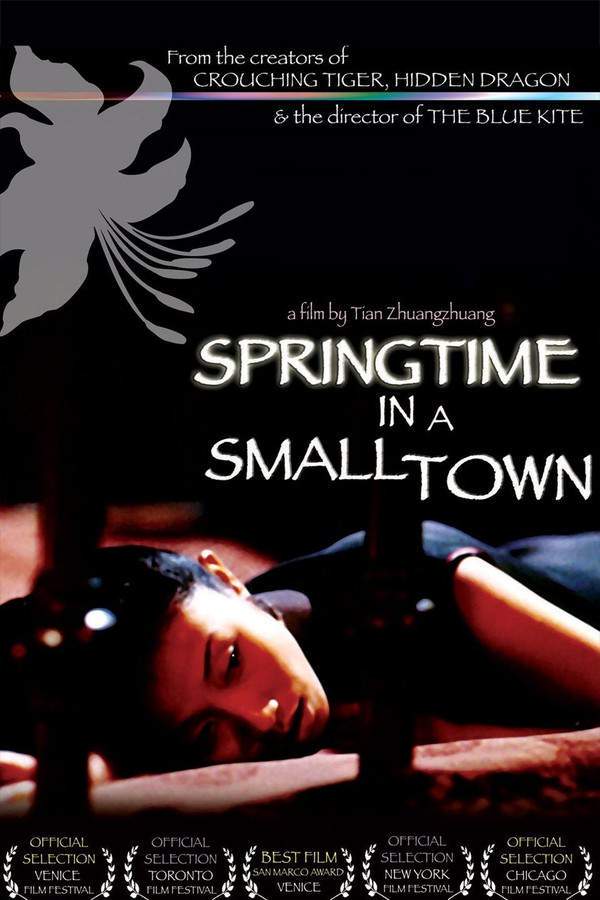

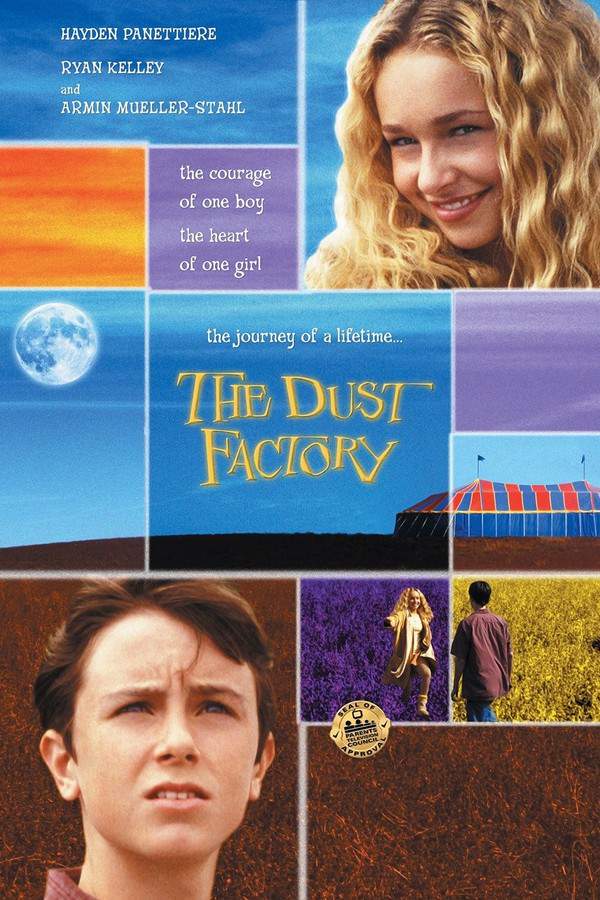


Featured on this page

What's After the Movie?
Not sure whether to stay after the credits? Find out!
Check out our other apps:

SAT Sphere
Build confidence for the Digital SAT.

Mori Atlas
Discover wild places worth protecting.

Luntero
Search smarter for a home in Amsterdam.

Plot Explained
Unravel movie endings and hidden clues.

Pokechamp
Dive into Pokémon data and battle logic.

Driving Theory
Get ready for your European theory test.

Movie Dust
Plan your next cinema trip with ease.

Musemap
Find art and culture as you travel.

Selkobase
Compare credentials before committing.

Local Manual
Turn an unfamiliar country into practical next steps.

Lernavi
Compare school systems before your next move.

GymRoam
Find a workout stop wherever your plans take you.
Explore Our Movie Platform
New Movie Releases (2026)
Famous Movie Actors
Top Film Production Studios
Movie Plot Summaries & Endings
Major Movie Awards & Winners
Best Concert Films & Music Documentaries
Movie Collections and Curated Lists
© 2026 What's After the Movie. All rights reserved.
Privacy Policy