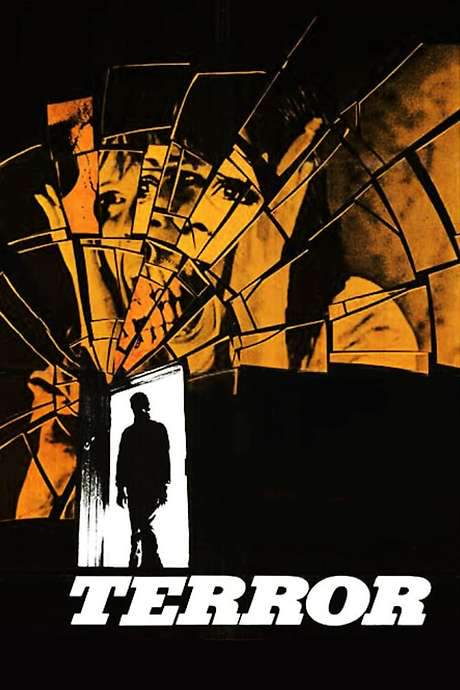
What Is Don’t Go in the House About?
The premise of Don’t Go in the House in 354 words, with nothing given away. The full story follows below.
In a cramped, decaying Victorian house perched on the edge of an industrial town, a hidden steel‑floored chamber whispers of a darker purpose. The home, long abandoned by sunlight, becomes a stark altar where fire is both ritual and obsession, casting long, flickering shadows over every cracked wall. The atmosphere is thick with a lingering heat, a sense that something terrible is being prepared in the silence of night, and the very air seems to hum with a low, unseen tension.
Donny Kohler is a solitary man in his thirties, bound to the house by duty and a past that smolders like the coals of an old stove. Raised by a mother whose cruel discipline involved searing his skin to “burn the evil out,” he carries the scar of those flames into adulthood. By day he labors at a factory, but his evenings are spent transforming one upstairs room into a fire‑proof sanctuary, a space where he can indulge his fascination with heat and metal. The memories of his mother’s wrath linger, echoing in the house’s creaking corridors and urging him toward a relentless, unsettling purpose.
When the night drifts beyond the factory’s clank, Donny drifts into the local nightlife, where neon lights and pounding music mask a world he can’t quite grasp. He encounters women who linger in clubs and bars, drawn by his quiet intensity and the promise of something beyond the ordinary. Beneath his polite demeanor lies a simmering compulsion, a desire to pull strangers into his hidden realm and confront the fire that has shaped his very being. The tension between his outward restraint and the volatile inner blaze fuels an uneasy dance of attraction and dread.
All the while, the house seems to breathe with the ghosts of its past. Disembodied voices—perhaps memory, perhaps imagination—echo through the halls, urging Donny toward a climax he cannot foresee. The steel walls, the ever‑present scent of gasoline, and the flicker of a flamethrower hint at a reckoning that looms just out of sight, leaving the audience to wonder how far a man can go when his childhood trauma becomes an all‑consuming flame.
What Happens in Don’t Go in the House?
The complete story of Don’t Go in the House, from the first scene to the last, in 537 words (about 2 minutes). Spoilers throughout. Names in the text link to 3 cast member pages.
Spoilers ahead
Donny Kohler Dan Grimaldi is a withdrawn man in his thirties who is obsessed with fire—a fixation rooted in a cruel childhood, when his sadistic mother, Mrs. Kohler Ruth Dardick, would burn him on the gas stove to “burn the evil out of him.” After returning from his factory job to the dilapidated Victorian home he shares with his now-elderly mother, Donny discovers she has died in her upstairs bedroom, a moment that floods him with relief and fear as he begins to hear a disembodied voice that seems to be hers.
The next day, he calls in sick and spends the afternoon lining an upstairs room with aluminum, turning it into a fireproof chamber. That night, he visits a flower shop just before closing and is helped by Kathy Jordan Johanna Brushay, who sells him flowers for his mother. Outside, Kathy misses her bus and is harassed by a group of men. Donny offers her a ride; she accepts, and he talks her into meeting his mother, though she grows nervous once inside and tries to call a taxi before he incapacitates her.
Kathy regains consciousness to find herself naked and chained to the ceiling of the metal-walled room. Donny, donned in a fire suit, douses Kathy with gasoline and burns her alive with a flamethrower. The following day, Donny calls in sick again and abducts a stranded female motorist, killing her by immolation. He then eerily dresses his mother’s corpse in her clothing and proceeds to mimic his earlier ritual, repeating the pattern with Linda, a woman he assaults at a grocery store, and arranging her beside the other three victims and his mother.
Donny’s friend Bobby [Robert Carnegie] phones to warn him that their boss will fire him if he misses work again. Meanwhile, Donny is haunted by apparitions of his burnt mother, who seems to stalk him inside the house. He spends hours regaling the four corpses, whom he has posed in chairs in a bedroom, with stories from his life. Overwhelmed by guilt, Donny seeks counsel from Father Gerritty [Ralph D. Bowman], the local priest, confessing that his mother repeatedly burned him to purge the supposed “evil” within him.
Later, Donny accepts Bobby’s invitation to go on a double date at a disco. When his date tries to pull him onto the dance floor, she brushes his arm against a lit candle, triggering memories of his abuse. Enraged, Donny hammers the candleholder onto her head, setting her hair on fire. He flees the disco and lures two drunk women back to his home. Bobby and Father Gerritty hurry to Donny’s house, break down the door, and rescue the two women. Donny locks himself in his mother’s bedroom as the voices express their disappointment; the burned corpses come to life and attack him, and he dies as the house burns around him, dragged to the floor by his macabre audience.
Sometime later, a young boy named Michael watches a news report about Donny’s death. His mother chastises him for not turning off the television and sends him upstairs to clean his room. When she leaves, Michael hears the same voices that haunted Donny, and they tell him they have come to help him.
Don’t Go in the House Timeline: Every Key Event in Order
14 key events in the order they happen, from “Donny discovers his mother's death” to “Epilogue: Michael's awakening”. 14 events name a place, across 13 locations.
- 1
Donny discovers his mother's death
Donny Kohler returns home from his factory job one evening to find his elderly mother dead in her upstairs bedroom. The discovery triggers a mix of relief and fear as a disembodied voice that might be his mother's begins to haunt the house. This moment marks the start of his fixation on fire and control.
When:Evening Where:Victorian home, upstairs bedroom
- 2
Fireproofing the upstairs room
The following day, Donny empties an upstairs room and lines it with aluminum to make it fireproof. He spends hours preparing the space, suggesting a ritualized plan behind his peaceful facade. The act foreshadows his later use of fire as a weapon.
When:The following day Where:Upstairs room, Donny's house
- 3
Kathy Jordan meets Donny at the flower shop
Donny visits a flower shop just before closing, where Kathy Jordan sells him flowers for his mother. Outside, he witnesses Kathy miss her bus and is harangued by a group of men, prompting him to offer her a ride. This invitation draws her into a dangerous sequence.
When:That afternoon Where:Flower shop and outside the shop
- 4
Kathy enters Donny's home
Donny invites Kathy to meet his mother, but once inside she grows nervous and tries to call a taxi. Donny incapacitates her to prevent escape. The encounter reveals his need to dominate and control the situation.
When:That night Where:Donny's home
- 5
Kathy's murder
Kathy wakes bound to the ceiling of a metal-walled room. Donny, wearing a fire suit, coats her in gasoline and burns her alive with a flamethrower. The murder marks the first of his ritual executions by fire.
When:That night Where:Upstairs metal-walled room
- 6
A motorist is murdered on the road
The following day Donny misses work and abducts a stranded female motorist. He murders her by immolation, repeating the method of his earlier killing. The act establishes a deadly pattern that he maintains with chilling calm.
When:The following day Where:On the road / roadside
- 7
Donny desecrates his mother's corpse
After the motorist murder, Donny singes his mother's corpse and dresses it in her clothing. He creates a macabre display in the upstairs room, aligning the corpses as if they were still alive. The act reveals his twisted obsession with memory and control.
When:That evening Where:Upstairs room
- 8
Linda's murder at the grocery store
That same night, Donny repeats the same murderous scenario with Linda, whom he encounters at a grocery store. He immolates her and arranges her body with his mother and the other victims. The ritual pattern becomes increasingly ritualized and public in its aftermath.
When:That night Where:Grocery store, then upstairs display
- 9
Bobby warns Donny and is haunted
Donny's friend Bobby calls to warn him that their boss will fire him if he misses work again. Meanwhile, apparitions of his burnt mother haunt him inside the house, intensifying his guilt and isolation. The looming threat of exposure adds pressure to his deteriorating state.
When:Soon after Linda's murder Where:Donny's house
- 10
Donny confesses to Father Gerritty
Donny visits Father Gerritty, his local priest, to discuss the nature of evil. He confesses that his mother burned him repeatedly to rid him of his innate evil. The conversation introduces a moral counterpoint to Donny's escalating acts.
When:Later, amid growing hauntings Where:Father Gerritty's office
Show the other 4 events of Don’t Go in the House Hide the last 4 events
- 11
Candle-triggered memory at the disco
On a double date at a disco, Donny's date brushes his arm over a lit candle and triggers memories of his abuse. In a surge of rage, he smashes the candleholder onto her head, setting her hair on fire. He flees the scene, leaving chaos in his wake.
When:That night Where:Disco
- 12
Rescue attempt and Father Gerritty's fate
Donny lures two drunk women back to his house, while Bobby contacts Father Gerritty for help. When Bobby and Gerritty break in, they manage to rescue the two women, but Donny incapacitates Gerritty with his flamethrower. Bobby extinguishes the flames and tries to intervene, but the danger remains.
When:That night Where:Donny's house
- 13
Final confrontation and death
Donny hides in his mother's bedroom as the voices of the burned corpses mock him. They come to life and attack, and the house goes up in flames. Donny dies amid the flames as the figures continue to torment him from beyond the grave.
When:That night Where:Mother's bedroom / burning house
- 14
Epilogue: Michael's awakening
Sometime later, a young boy named Michael watches a news report about Donny's death. His mother scolds him for not turning off the television and sends him upstairs to clean his room. The spectral voices that haunted Donny reach out to Michael, promising to help him as the cycle begins again.
When:Sometime later Where:Michael's home
Who Are the Main Characters in Don’t Go in the House?
7 characters, among them Donald 'Donny' Kohler (Dan Grimaldi), Kathy Jordan (Johanna Brushay) and Linda: who each one is and the part they play in the story. 5 of them link to the actor’s page.
- D'
Donald 'Donny' Kohler (Dan Grimaldi)
Played by Dan Grimaldi
A withdrawn, fire-obsessed man whose childhood abuse drives a brutal killing spree. He turns victims into ritual offerings and is tormented by the voice of his burnt mother. His fragility escalates into a deadly fixation that consumes him and those around him.
- 🗝️ Antihero
- 🔥 Obsession
- 🕯️ Trauma
- KJ
Kathy Jordan (Johanna Brushay)
Played by Johanna Brushay
A flower-shop clerk who Donny hires a ride from and ultimately murders. Her death marks the first in a pattern of abduct, immolate, and stage victims whom Donny treats as part of his deranged ritual.
- 🌸 Victim
- 🚗 Abduction
- 🕯️ Trauma
- L
Linda
A woman Donny assaults at a grocery store, continuing his pattern of violence in a setting that juxtaposes everyday life with horror.
- 🛒 Victim
- 🕯️ Violence
- BT
Bobby Tuttle (Robert Carnegie)
Played by Robert Carnegie
Donny's friend who notices his odd behavior and tries to intervene. He seeks help from Father Gerritty and attempts to pull Donny back from the brink of violence.
- 🧑🤝🧑 Friend
- 🧯 Rescue
- FG
Father Gerritty (Ralph D. Bowman)
Played by Ralph D. Bowman
The local priest to whom Donny confesses, offering a religious lens on evil and a potential path to redemption that remains incomplete as Donny spirals.
- ✝️ Clergy
- 🕊️ Faith
- MK
Mrs. Kohler
Played by Ruth Dardick
Donny's deceased mother, whose abusive history casts a long shadow and whose specter haunts Donny, fueling his delusions and violent acts.
- 👵 Mother figure
- 🩸 Trauma
- M
Michael
A young boy whose presence in the epilogue suggests that the same voices that haunted Donny may reappear, implying a cycle of violence.
- 🧒 Future observer
- 🔄 Cycle
Where and When Is Don’t Go in the House Set?
Don’t Go in the House is set in Victorian house, Flower shop, Disco and Grocery store. Here is why the place matters to the story.
When
The events unfold in a contemporary late-20th-century American milieu, where everyday work life intersects with sudden acts of extreme violence. The urban and suburban settings reflect a period of apparent normalcy that is shadowed by a brutal crime spree and a creeping sense of supernatural hauntings.
Where
Victorian house, Flower shop, Disco, Grocery store
The story centers on a dilapidated Victorian residence where Donny lives with his mother, a setting that becomes a claustrophobic stage for his growing fire fixation. Intersecting locations—Kathy Jordan's flower shop, a nightclub disco, and a grocery store—mark key moments in Donny's increasingly violent routine. These spaces contrast ordinary life with the moment when social normality collapses into ritual murder and burning acts.
- 🏚️ Victorian house
- 🌺 Flower shop
- 🪩 Disco
- 🛒 Grocery store
What Are the Themes of Don’t Go in the House?
3 ideas the story keeps returning to, among them Fire & Obsession, Abuse & Guilt and Haunting & Voices.
-
01
Fire & Obsession
Donny's fixation with fire drives his actions, turning murder into a ritualized act. The house itself becomes a furnace where he enacts punishment on both living victims and his mother’s memory. Fire serves as both method and symbol for his uncontrollable impulses. The flamethrower and the burning configurations heighten the sense of inescapable compulsion.
-
02
Abuse & Guilt
The abusive relationship with his mother shapes Donny's psyche, trapping him in a cycle of fear, guilt, and violence. His confession to Father Gerritty reveals a struggle to reconcile evil with morality, yet his actions perpetuate the harm. Guilt manifests as internal voices and visions that haunt him and distort his sense of self. Trauma from his past drives the moral disintegration witnessed in the present.
-
03
Haunting & Voices
After the mother's death, Donny is haunted by disembodied voices that seem to guide or condemn him. The corpses he arranges and paralyzes with memories become a macabre audience, blurring line between reality and specter. The ending hints that the haunting will recur, as a new child, Michael, hears the same whispers and is drawn toward them.
What Kind of Film Is Don’t Go in the House?
Dark in tone, with steady pacing and a straightforward story, going by the plot summary.
- Tone
- Dark
- Pacing
- Steady
- Story
- Straightforward
- Intensity
- High
- Ending
- Bleak
An intensely oppressive and disturbing descent into the mind of a traumatized man, this film is a relentless and grim horror experience dominated by violent vengeance and psychological torment.
- disturbing
- claustrophobic
- oppressive
- unsettling
- psychotic
- tragic
- trauma
- revenge
- psychological horror
- childhood abuse
Content notes: child abuse, torture, murder, immolation, psychological trauma, corpse desecration.
Quiz
How well do you remember Don’t Go in the House? Test yourself on the story.