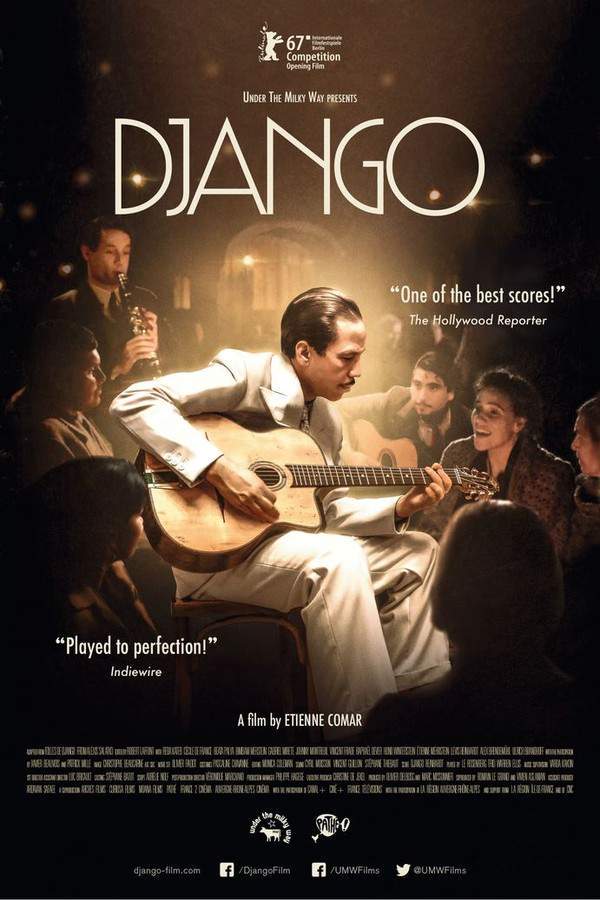
Django 1966


Directed by
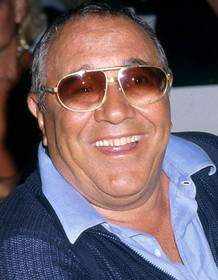
Sergio Corbucci
Made by

Euro International Film (EIA)
Where to Watch Django
See current US streaming, rental, and purchase options for Django (1966) via JustWatch.

ARROW
HD
Cineverse Amazon Channel
HD
Fandor
HD
Fandor Amazon Channel
HD
IndieFlix Shorts Amazon Channel
SD
Midnight Pulp
HD
Midnight Pulp Amazon Channel
HD
Darkroom
HD
Fawesome
HD
Kanopy
HD
Cineverse
HD
Fandango at Home Free
HD
Plex
HD
Plex Channel
HD
Pluto TV
SD
The Roku Channel
HD
Amazon Video
SD
Apple TV Store
4K Fandango At Home
SD
Google Play Movies
SD Streaming availability powered by 
Django Plot Summary
Read the complete plot summary and ending explained for Django (1966). From turning points to emotional moments, uncover what really happened and why it matters.
On the tumultuous Mexico-United States border circa 1866, a mysterious drifter, Django, clad in a Union army uniform and dragging a coffin, stumbles upon a horrific scene. He witnesses María ([Loredana Nusciak]) being tied to a bridge and lashed by Mexican bandits. Before they can carry out their cruel plans to crucify her atop a raging fire, Django intervenes, swiftly taking down the attackers and proclaiming his intention to protect her.
Together, they find refuge in a ghost town overseen by Nathaniel ([Ángel Álvarez]), the local bartender, and a handful of sex workers. Nathaniel explains that this town exists as a demilitarized zone amidst the escalating conflict between Major Jackson (Eduardo Fajardo) and the revolutionary forces led by General Hugo Rodríguez ([José Bódalo]).
Tension rises when Jackson and his men appear at the saloon, demanding protection money. Django boldly faces off against two of Jackson’s Klansmen when they harass a prostitute, mocking Jackson’s bigotry as he shoots them down. He then challenges Jackson to confront him with all his allies. The night grows heated as Django shares an intimate moment with María, who expresses her gratitude for his bravery.
However, Jackson returns with his full gang, prompting a fierce battle. Django unleashes destruction with a machine gun concealed in his coffin, decimating the Klan’s ranks and allowing a few to flee. Grieving the loss of his former lover, Mercedes Zaro, slain by Jackson, Django stands resolute.
As the revolutionaries capture Jackson’s spy, Brother Jonathan, punishments are meted out brutally, highlighting the ruthlessness of Hugo’s camp. In a twist of fate, Django proposes a daring plan to Hugo: they should “steal Jackson’s gold” from Fort Charriba, situated within Mexican territory.
Under the guise of delivering prostitutes to the fort, Nathaniel drives a horse cart loaded with Django, Hugo, and several revolutionaries inside, leading to a bloody confrontation with the soldiers. Django fights courageously, utilizing his machine gun to contribute to their success. When they successfully escape the chaos with the treasure, Hugo refuses to part with the gold immediately, wishing to use it for his own ambitions.
Later, at a celebratory gathering, tensions flare between Ricardo and Django over María, resulting in a deadly confrontation. Django’s choices lead him to seek a new life, but complications arise as he navigates the aftermath of the heist. He cleverly distracts the guards to steal the treasure concealed in his coffin, while María implores him to take her along on his journey.
The following morning, they arrive at the fateful bridge where their paths first crossed. Django suggests they separate, yet María’s pleas tug at his heartstrings. When her rifle misfires, the coffin tumbles into quicksand, triggering a near-fatal struggle for Django as he attempts to reclaim it. The scenario grows dire when Hugo’s men grave consequences, compelling Django to suffer greatly.
As Hugo’s group retreats after a catastrophic battle with Jackson’s forces, Django and María find their sanctuary at the saloon, which now stands desolate. Even with his injuries, Django’s resolve strengthens; he vows to confront Jackson to end the ongoing violence.
When Jackson strikes, killing Nathaniel, Django positions himself at Tombstone Cemetery beneath the memorial of Mercedes Zaro. In a climactic showdown, he uses his cunning and sheer determination to retaliate against Jackson and his men, ultimately achieving vengeance. In a symbolic gesture, he leaves his weapon resting atop Zaro’s cross, embodying his readiness to embark on a new journey with María by his side.
Django Timeline
Follow the complete movie timeline of Django (1966) with every major event in chronological order. Great for understanding complex plots and story progression.
Django's Arrival
In 1866, Django, a mysterious drifter, arrives at the Mexico-United States border dragging a coffin. He stumbles upon a horrific scene where María is tied and at the mercy of Mexican bandits, highlighting the tense atmosphere of the region.
Django Rescues María
Django intervenes just in time to prevent María from being crucified by the bandits. His swift actions demonstrate his bravery and set the stage for the bond that forms between them as they seek refuge together.
Refuge in Ghost Town
Django and María find shelter in a ghost town led by Nathaniel, the local bartender. This town, existing as a demilitarized zone, becomes their temporary haven from the escalating conflict involving Major Jackson and General Hugo Rodríguez.
Confrontation with Jackson
Tensions rise when Major Jackson and his gang demand protection money at the saloon. Django bravely confronts Jackson's Klansmen, shooting them down and challenging Jackson to face him directly, revealing his defiance against oppression.
Intimate Moment
During a heated night, Django and María share an intimate moment where she expresses her deep gratitude for his courageous acts. This growing bond between them adds emotional depth to their struggle for survival.
Battle of the Klan
When Jackson returns with his full gang, an intense battle ensues. Django reveals a machine gun hidden in his coffin, unleashing a devastating attack on the Klansmen, which allows a few to escape while overcoming his foes.
Brother Jonathan Captured
The revolutionary forces capture Brother Jonathan, a spy for Jackson, leading to brutal punishments meted out by General Hugo. This highlights the ruthless nature of the ongoing conflict and the stakes involved.
The Heist Plan
Django proposes a daring plan to steal gold from Fort Charriba, effectively suggesting a risky heist. Collaborating with Hugo, they devise a strategy under the pretense of delivering prostitutes to the fort.
Bloody Confrontation
Under the guise of the delivery, Django and the revolutionaries engage in a brutal confrontation with the fort's soldiers. Django's machine gun plays a pivotal role in their success, showcasing his resourcefulness.
Tensions over Gold
After escaping with the gold, tensions rise between Hugo and Django when Hugo refuses to immediately share the treasure. This disagreement adds complexity to their partnership and highlights conflicting motivations.
Deadly Confrontation
At a celebratory gathering, Ricardo confronts Django over María, leading to a deadly showdown. This incident forces Django to reassess his choices and their consequences as he seeks a way forward.
The Bridge Incident
The next morning, Django and María return to the bridge where Django first rescued her. Their emotional connection is tested when a misfire leads to Django losing his coffin in quicksand, raising the stakes of their journey.
Confrontation with Hugo's Men
As Hugo's men face consequences from Jackson’s forces, Django and María find temporary sanctuary at the now desolate saloon. Despite his injuries, Django's spirit is undeterred, and he vows to confront Jackson once again.
Final Showdown
In a climactic battle beneath the memorial of Mercedes Zaro, Django confronts Jackson, who has killed their ally Nathaniel. Using cunning and resolve, Django avenges his losses, marking a significant moment in his journey.
A New Journey Begins
After achieving vengeance, Django leaves his weapon atop Zaro's cross, symbolizing his readiness to start anew with María. This act of closure signifies his transformation and hope for a brighter future.
Django Characters
Explore all characters from Django (1966). Get detailed profiles with their roles, arcs, and key relationships explained.
Django (Franco Nero)
Django is a mysterious and resolute drifter who embodies strength and determination. Initially appearing to seek revenge, he also reveals a protective nature, especially towards María. Django navigates through conflicts with a blend of cunning and combat skills, showing his evolution from a vengeful man to one driven by love and hope for a new life.
María (Loredana Nusciak)
María is a resilient character who embodies both strength and vulnerability throughout the film. Initially a victim of banditry, she becomes a source of inspiration for Django, expressing gratitude and deepening their bond. Her dynamic with Django reveals her capacity for love and loyalty, as she navigates the treacherous world surrounding her.
Nathaniel (Ángel Álvarez)
Nathaniel serves as a local bartender and a figure of support in the ghost town. His understanding of the tumultuous atmosphere allows him to become an ally for Django and a guiding presence for others. He portrays a sense of loyalty to his patrons, often providing assistance amidst the chaos of the surrounding conflict.
Major Jackson (Eduardo Fajardo)
Major Jackson represents the antagonistic force in the film, characterized by his arrogance and ruthless ambition. His tyrannical demeanor creates tension, driving Django to seek revenge against him. Jackson's actions illustrate the depths of human cruelty, setting the stage for a climactic showdown with Django.
General Hugo Rodríguez (José Bódalo)
General Hugo Rodríguez leads the revolutionary forces, showcasing both ambition and ruthlessness. His desire for gold and power complicates the alliances formed, as he becomes a pivotal character in Django's quest. Hugo's character highlights the intertwining of greed and loyalty in the midst of rebellion.
Django Settings
Learn where and when Django (1966) takes place. Explore the film’s settings, era, and how they shape the narrative.
Time period
1866
Set in the year 1866, the film reflects a time of significant social and political upheaval in both Mexico and the United States. This era is marked by conflicts such as the American Civil War's aftermath, where tensions between different factions, including revolutionary forces and bandits, run high. The historical backdrop intensifies the struggle for power and survival portrayed in the film.
Location
Mexico-United States border, ghost town, Fort Charriba, Tombstone Cemetery
The movie takes place along the tumultuous Mexico-United States border, showcasing a ghost town known for its desolate atmosphere amidst a conflict. This area becomes a refuge for the main characters and is marked by the dangerous tensions between bandits and revolutionary forces. Notably, Fort Charriba, located in Mexican territory, serves as a significant location for a daring heist, while Tombstone Cemetery symbolizes Django's past and the emotional weight he carries.
Django Themes
Discover the main themes in Django (1966). Analyze the deeper meanings, emotional layers, and social commentary behind the film.
⚔️
Revenge
Revenge is a core theme in 'Django', influencing the character's actions and relationships throughout the story. Django's quest for vengeance against Major Jackson for the death of his former lover fuels much of the plot, guiding his decisions in both personal and confrontational moments. The narrative explores the consequences of this pursuit and the cyclical nature of violence.
❤️
Love and Sacrifice
The theme of love and sacrifice is evident through Django's interactions with María. Their bond strengthens in the face of adversity, leading to moments that highlight sacrifices made for love. Ultimately, Django's choices are driven by his desire to protect María, showcasing how love can motivate individuals to confront danger and uncertainty.

Coming soon on iOS and Android
The Plot Explained Mobile App
From blockbusters to hidden gems — dive into movie stories anytime, anywhere. Save your favorites, discover plots faster, and never miss a twist again.
Sign up to be the first to know when we launch. Your email stays private — always.
Explore the mobile appDjango Spoiler-Free Summary
Discover the spoiler-free summary of Django (1966). Get a concise overview without any spoilers.
In the shadow‑laden streets of 1943 France, a lone jazz guitarist known only as Django drifts through a city choked by occupation. The echo of his strings carries both the melancholy of a nation under siege and the stubborn heartbeat of a man who refuses to be silenced. As the sound of war rattles windows and whispers through cafés, Django’s music becomes a fragile thread that links past freedoms to a desperate hope for the future.
Paris itself is a character—its cobblestones slick with rain, its cafés dimly lit, its alleys a maze of hidden glances and whispered plans. The film paints the occupied capital in muted tones, punctuated by the vibrant, improvisational bursts of Django’s guitar, offering brief flashes of color in an otherwise gray tableau. This contrast underscores a world where everyday survival is an act of quiet rebellion, and where art can be both a shield and a weapon.
At the heart of the story is Django’s personal quest: the lingering ache of a family torn apart by war. His determination to reunite with loved ones fuels a journey that takes him beyond the safety of familiar neighborhoods into the fractured countryside, where every mile is marked by checkpoints, ration lines, and the constant hum of danger. The tone balances tense suspense with lyrical beauty, inviting the audience to feel both the weight of oppression and the soaring lift of a single, unyielding melody.
Through sparse dialogue and lingering shots of smoky rooms, the film cultivates an atmosphere of resilient hope. Django’s quiet courage, paired with the raw, improvisational spirit of his music, offers a resonant reminder that even in the darkest times, the pursuit of home and humanity can spark a quiet, unbreakable flame.
Movies with Similar Twists and Themes
Uncover films that echo the narrative beats, emotional arcs, or dramatic twists of the one you're exploring. These recommendations are handpicked based on story depth, thematic resonance, and spoiler-worthy moments — perfect for fans who crave more of the same intrigue.
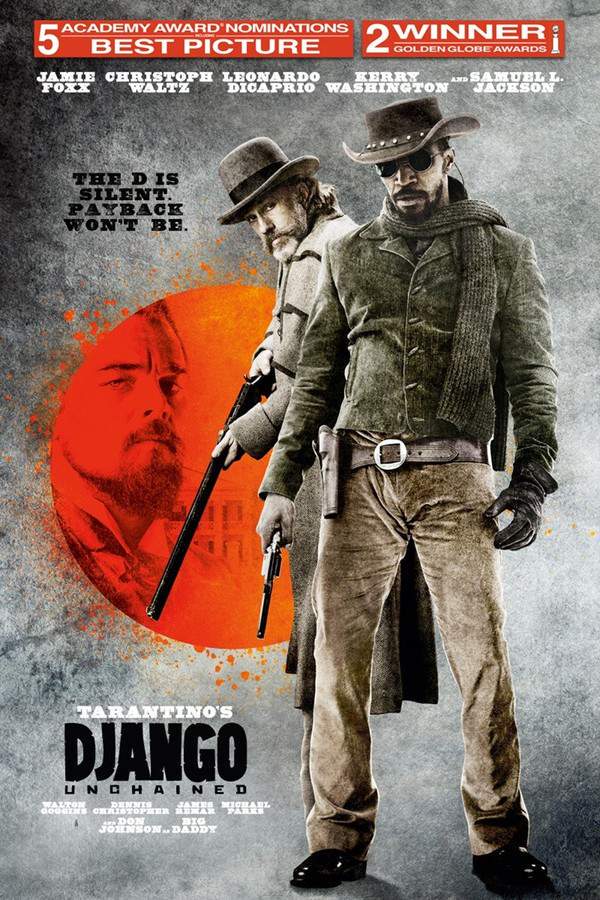
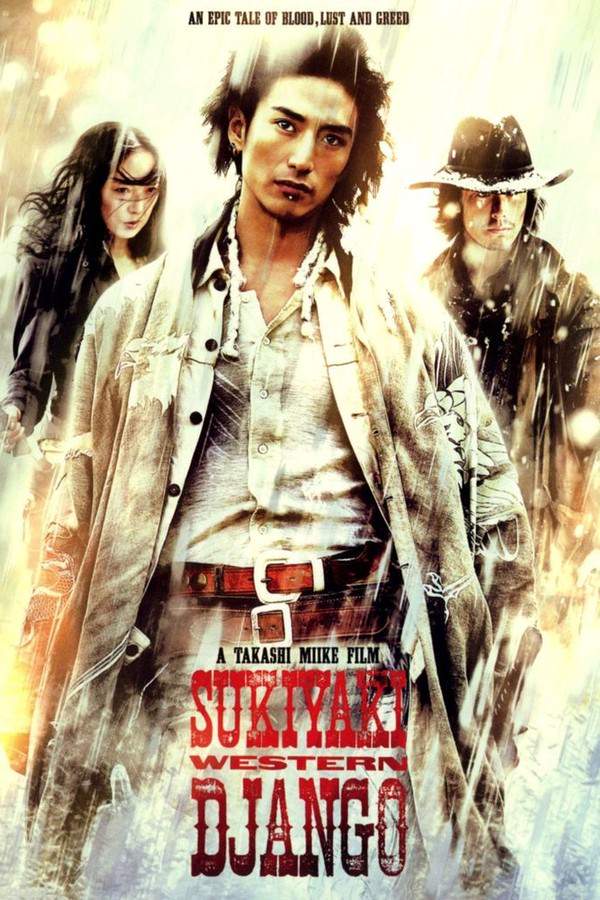


Featured on this page

What's After the Movie?
Not sure whether to stay after the credits? Find out!
Check out our other apps:

SAT Sphere
Build confidence for the Digital SAT.

Mori Atlas
Discover wild places worth protecting.

Luntero
Search smarter for a home in Amsterdam.

Plot Explained
Unravel movie endings and hidden clues.

Pokechamp
Dive into Pokémon data and battle logic.

Driving Theory
Get ready for your European theory test.

Movie Dust
Plan your next cinema trip with ease.

Musemap
Find art and culture as you travel.

Selkobase
Compare credentials before committing.

Local Manual
Turn an unfamiliar country into practical next steps.

Lernavi
Compare school systems before your next move.

GymRoam
Find a workout stop wherever your plans take you.
Explore Our Movie Platform
New Movie Releases (2026)
Famous Movie Actors
Top Film Production Studios
Movie Plot Summaries & Endings
Major Movie Awards & Winners
Best Concert Films & Music Documentaries
Movie Collections and Curated Lists
© 2026 What's After the Movie. All rights reserved.
Privacy Policy