
Diary of a Madman 1963


Directed by

Reginald Le Borg
Made by

United Artists
Where to Watch Diary of a Madman
See current US streaming, rental, and purchase options for Diary of a Madman (1963) via JustWatch.









Diary of a Madman Plot Summary
Read the complete plot summary and ending explained for Diary of a Madman (1963). From turning points to emotional moments, uncover what really happened and why it matters.
Following the funeral of Simon Cordier [Vincent Price], a French magistrate and amateur sculptor, his secret diary is read aloud by his pastor friend to a circle that includes Cordier’s servants and a police captain. The diary reveals that Cordier has come into contact with a malevolent entity—the horla [Joseph Ruskin], an invisible yet corporeal being with limited psychokinesis and the power to fully seize a human’s mind. The narration hints that Cordier’s horla is part of a wider race of evil entities dedicated to driving people to madness.
Cordier’s first haunting occurs after he encounters a prisoner whom the horla has driven to murder four people. The horla possesses the inmate and tries to kill Cordier, but in self-defense Cordier ends up killing the man. The magistrate then finds himself bearing the burden of the prisoner’s troubles as the horla’s hauntings shift toward him, casting doubt on his own sanity.
As the terror tightens its grip, Cordier fears he is slipping into madness and seeks help from an alienist, who offers a practical suggestion: take up a hobby to steady the mind. He returns to his old passion for sculpture, and soon he meets a model who becomes central to his renewed life. Odette Mallotte [Nancy Kovack] is a married local woman whom Cordier believes could offer him happiness and meaning, and he pledges his devotion in turn. Yet the horla tests this bond, casting doubt on whether the model is a true partner or merely a charming but self-serving lure.
This internal conflict drives Cordier into a troubling spiral. The horla insists that the model is not what she seems—a scheming gold-digger—and compels Cordier to view her through a jaundiced, distrustful lens. The line between protection and coercion blurs, and Cordier’s judgment—once trusted as a magistrate—begins to falter under the entity’s influence.
In a violent episode born of paranoia and desperation, Cordier murders Odette with a knife. Her decapitated body is found in the river, and the crime is attributed to her husband, not Cordier, further entangling the lives around them. As danger closes in from every side, Cordier becomes convinced of the horla’s reality and resolves to take drastic action to end its menace once and for all.
He lures the horla into his house at night and, in a final confrontation, hurls an oil lamp at the curtains, setting the residence ablaze. He succeeds in destroying the horla, but he sacrifices himself in the fiery blaze that consumes the house.
The film closes with the same roundtable reunion after the diary is read. Some attendees insist that Cordier must have been mad and that the horla could not exist; others remain uncertain, wondering if the entity might have been real. The priest lends a concluding, cautionary note: wherever evil exists, the horla may exist as well.
Diary of a Madman Timeline
Follow the complete movie timeline of Diary of a Madman (1963) with every major event in chronological order. Great for understanding complex plots and story progression.
Funeral and diary introduction
Following Simon Cordier's funeral, his secret diary is read aloud to a circle gathered around a table by the pastor. The diary reveals that Cordier has encountered a malevolent entity called the horla. It is described as capable of limited psychokinesis and mind control, a creature that may belong to a race devoted to driving humans insane.
First horla encounter: the prisoner
Cordier is drawn into an encounter with a prisoner the horla has driven to murder four people. The horla possesses the inmate and tries to kill Cordier, but he kills the man in self-defense. The incident marks the horla's first direct pressure on Cordier's life.
Descent into fear; alienist advice
Haunting and fear creep into Cordier's life as he worries he is going mad. He seeks help from an alienist, who suggests that taking up a hobby might steady his nerves. Cordier decides to return to sculpture to regain control.
Cordier resumes sculpture; Odette appears
Cordier returns to sculpture and meets Odette Malotte, a married model. He becomes fond of her and pledges his love, but the horla pressures him to view her as dangerous and deceitful. The horla's manipulation distorts Cordier's judgment about her character.
Horla's manipulation intensifies
Cordier's perception grows unreliable as the horla twists reality, amplifying jealousy and suspicion. He struggles to distinguish truth from the entity's insinuations and his own desires. The conflict deepens as Odette's image becomes a battleground for control.
Odette's murder
In an episode of insanity, Cordier murders Odette with a knife. Her decapitated body is found in the river, and Odette's husband is blamed for the crime. The act confirms that the horla's influence has crossed a dangerous line.
Plan to end the horla
Facing danger to himself and others, Cordier becomes convinced the horla is real and vows drastic action. He lures the horla into his house at night, intending to trap it. He hurls an oil lamp toward the curtains, igniting the house.
Confrontation and sacrifice
The fire consumes the house as Cordier confronts the horla. He succeeds in destroying the entity but pays the ultimate price. The building burns while he sacrifices himself to end the horror.
Aftermath and debate
Back at the table, the diary readers discuss what happened; some believe Cordier was mad and the horla never existed. Others are unsure, suspecting that the horla might truly exist. The priest asserts that wherever evil exists, the horla exists.
Horla: nature and reach
The diary explains the horla's nature as an invisible yet corporeal being with mind-control powers. It hints that Cordier's horla is part of a wider race of evil beings. The account emphasizes a lurking, supernatural threat beyond one man's experience.
Inheriting trouble and ongoing hauntings
The horla's influence seems to linger beyond Cordier's death, with the tale's events casting a long shadow over the listeners. The story suggests that such malevolent forces can survive human perception and memory. The circle around the table remains unsettled, unsure of what to believe.
Final moral: evil exists where the horla exists
The priest offers a concluding stance: wherever evil exists, the horla exists. The group is left to decide whether this creature truly exists or remains fear's illusion. The film ends with the uneasy sense that some truths lie beyond rational certainty.
Diary of a Madman Characters
Explore all characters from Diary of a Madman (1963). Get detailed profiles with their roles, arcs, and key relationships explained.
Simon Cordier (Vincent Price)
A French magistrate and amateur sculptor who becomes haunted by the Horla. He searches for rational explanations and uses sculpture as a coping outlet, but the entity distorts his perception and drives him toward drastic actions, including murder, in an attempt to end the threat.
Odette Mallotte (Nancy Kovack)
A married local woman who enters Cordier’s life and claims to love him, spurring a hopeful escape from his troubles. The Horla brands her as a gold-digger, turning Cordier’s affection into a source of conflict and tragedy. Her murder becomes a pivotal act that shifts the balance of fear and blame.
The Horla (voice) (Joseph Ruskin)
An invisible yet corporeal being with limited psychokinesis and total mind control. It preys on Cordier’s anxieties, guiding him toward murder and deceit while remaining unseen by most. The Horla embodies a malevolent force that tests the boundaries between sanity and the supernatural.
Captain Robert Rennedon (Stephen Roberts)
A police captain who participates in the circle that reads Cordier’s diary after the events unfold. He represents institutional authority facing inexplicable horror. His presence underscores how fear unsettles social order and tests official responses to the uncanny.
Dr. Borman (Nelson Olmsted)
An alienist who suggests Cordier take up a hobby to steady his mind. He embodies the era’s early scientific approach to the mind, offering a rational counterpoint to the Horla’s influence. His guidance highlights the clash between reason and fear.
Father Raymonde (Lewis Martin)
A priest who serves as a voice of judgment and doubt amid the diary’s revelations. He weighs in on whether the Horla represents true evil and how faith confronts fear. He participates in the collective reading of the diary, grounding the story in a moral framework.
Diary of a Madman Settings
Learn where and when Diary of a Madman (1963) takes place. Explore the film’s settings, era, and how they shape the narrative.
Time period
19th century
The narrative is anchored in a period when science begins to probe the mind, yet superstition remains influential. An alienist appears, reflecting the era’s curiosity about mental illness and possession. The events unfold in a provincial French town, where social roles—magistrate, priest, and police—still shape daily life amid growing questions of reality.
Location
France
The story unfolds in a French locale centered around a magistrate’s world, with quiet town life and a river that figures into the plot. The setting evokes late-19th-century France, where traditional institutions clash with emerging ideas about the mind. The atmosphere is tense and Gothic, serving as a backdrop for fear, suspicion, and inexplicable horrors.
Diary of a Madman Themes
Discover the main themes in Diary of a Madman (1963). Analyze the deeper meanings, emotional layers, and social commentary behind the film.
🌀
Madness
Madness is portrayed as both a psychological unraveling and the grip of an unseen force. Cordier’s grip on reality loosens as the Horla presses on his fears, pushing him toward drastic, self-destructive acts. The film blurs the line between rational doubt and genuine terror, creating a tragic inevitability.
🗝️
Mind Control
The Horla exerts deliberate control over Cordier, steering his thoughts and actions. The plot revolves around the fear that another intellect can override one’s free will, turning perception into a weapon. The struggle centers on autonomy versus manipulation in the face of an inexplicable power.
💘
Love vs Obsession
Cordier’s romance with Odette becomes entangled with manipulation and suspicion, turning affection into a potential trap. The Horla’s influence makes Cordier doubt her motives, highlighting how desire can be weaponized by unseen forces. The tragedy arises from a clash between genuine emotion and obsessive control.

Coming soon on iOS and Android
The Plot Explained Mobile App
From blockbusters to hidden gems — dive into movie stories anytime, anywhere. Save your favorites, discover plots faster, and never miss a twist again.
Sign up to be the first to know when we launch. Your email stays private — always.
Explore the mobile appDiary of a Madman Spoiler-Free Summary
Discover the spoiler-free summary of Diary of a Madman (1963). Get a concise overview without any spoilers.
In the muted corridors of a provincial French town, the weight of justice hangs heavily on Simon Cordier, a magistrate whose days are spent dispensing law and whose nights are filled with the quiet rhythm of carving stone. The film opens amid the solemnity of a funeral, where Cordier’s private thoughts are read aloud, immediately immersing the audience in an atmosphere thick with melancholy and the uncanny. The world feels both historically grounded and tinged with a timeless, gothic unease—a place where the ordinary is constantly threatened by an invisible swell of dread.
Cordier’s disciplined mind is suddenly unsettled by the whisper of a presence that cannot be seen but can be felt—a horla, an entity described as both intangible and oddly tangible, capable of nudging thoughts and bending reality. Its limited psychokinetic touch and total mental grip hint at an ancient, malevolent race that thrives on driving its victims toward madness. This menace is presented not as a conventional antagonist but as an oppressive psychological force, turning the very air around Cordier into a subtle, ever‑shifting threat.
Seeking stability, Cordier is urged by an alienist to return to the tactile world of his sculpting, a suggestion that leads him to a strikingly beautiful model who becomes the focal point of his renewed creative energy. Odette Mallotte arrives as a luminous counterpoint to the darkness encroaching on his mind, offering the promise of connection and meaning. Yet the horla’s insinuations cast lingering doubts about the authenticity of any affection, keeping Cordier caught in a delicate dance between desire for solace and fear of manipulation.
The film’s tone balances restrained elegance with mounting psychological tension, allowing viewers to linger in the unsettling spaces between certainty and paranoia. As Cordier’s circle of confidants listens to his diary, the story unfolds as a meditation on the fragility of sanity, the allure of artistic escape, and the ever‑present question of whether unseen evils are ever truly vanquished.
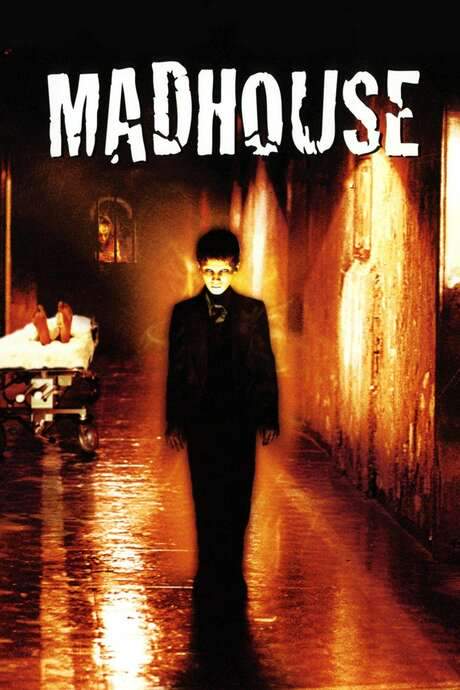
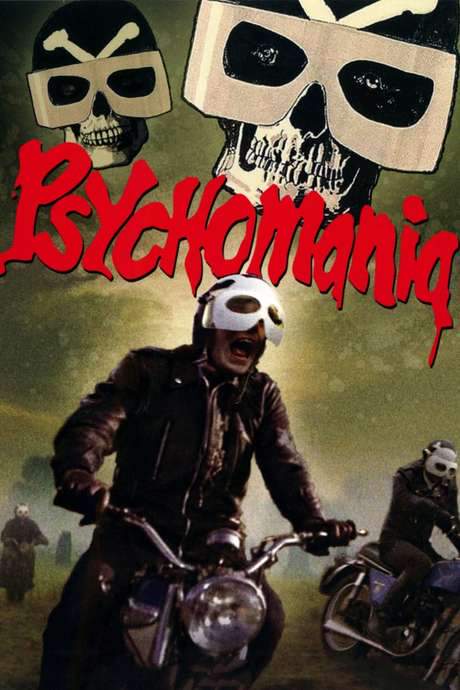
Movies with Similar Twists and Themes
Uncover films that echo the narrative beats, emotional arcs, or dramatic twists of the one you're exploring. These recommendations are handpicked based on story depth, thematic resonance, and spoiler-worthy moments — perfect for fans who crave more of the same intrigue.



Featured on this page

What's After the Movie?
Not sure whether to stay after the credits? Find out!
Check out our other apps:

SAT Sphere
Build confidence for the Digital SAT.

Mori Atlas
Discover wild places worth protecting.

Luntero
Search smarter for a home in Amsterdam.

Plot Explained
Unravel movie endings and hidden clues.

Pokechamp
Dive into Pokémon data and battle logic.

Driving Theory
Get ready for your European theory test.

Movie Dust
Plan your next cinema trip with ease.

Musemap
Find art and culture as you travel.

Selkobase
Compare credentials before committing.

Local Manual
Turn an unfamiliar country into practical next steps.

Lernavi
Compare school systems before your next move.

GymRoam
Find a workout stop wherever your plans take you.
Explore Our Movie Platform
New Movie Releases (2026)
Famous Movie Actors
Top Film Production Studios
Movie Plot Summaries & Endings
Major Movie Awards & Winners
Best Concert Films & Music Documentaries
Movie Collections and Curated Lists
© 2026 What's After the Movie. All rights reserved.
Privacy Policy