

What Is David About?
The premise of David in 301 words, with nothing given away. The full story follows below.
In a quiet office that feels more like a sanctuary than a clinic, David reaches out for an emergency therapy session after a wave of suicidal thoughts tips his world into darkness. The setting is intimate, the lighting soft, and the conversation is meant to be a lifeline—an attempt to anchor a mind that has slipped beyond its own horizon. The tone is raw and compassionate, letting the audience sit at the edge of a fragile psyche while the ordinary act of talking becomes a tense, almost cinematic ritual.
The calm is shattered when a young man in a wrestler’s singlet pounds on the window, demanding entry. This newcomer, young David, is revealed to be the therapist’s son, a teenager caught in the pressure of an upcoming match against a formidable opponent known only as Andy Doan. The clash of worlds—clinical introspection and the brutal spectacle of amateur wrestling—creates a charged atmosphere where personal crises and athletic ambition intersect in a single, unlikely moment.
The therapist finds himself pulled between professional responsibility and paternal concern, forced to decide whose need takes precedence. Both David and young David carry heavy burdens: one battles an internal darkness, the other wrestles with expectations, family tension, and the looming challenge of a “beast” in the ring. Their interactions hint at deeper questions about how we prioritize our own pain against the needs of those we love, and whether empathy can bridge the gap between two very different kinds of suffering.
The film builds an immersive mood that hovers between quiet desperation and the raw, sweaty intensity of a wrestling arena. As these parallel struggles unfold, the audience is left wondering how far each character will go to be seen, heard, and ultimately, to find a sliver of hope in the midst of an unforgiving day.
What Happens in David?
The complete story of David, from the first scene to the last, in 426 words (about 2 minutes). Spoilers throughout. Names in the text link to 4 cast member pages.
Spoilers ahead
David, William Jackson Harper, calls his therapist Will Ferrell to schedule an appointment after having suicidalmindful thoughts. During the session, a young man in a wrestler’s uniform runs up and bangs on the window, shattering the quiet moment. The therapist tells David to ignore him, but the intruder pushes his way inside.
The young man, also named David, Fred Hechinger, is the therapist’s son and was preparing for a match he is to have with a “beast” named Andy Doan Corey Jantzen. The therapist had planned to attend the match, yet he chooses to stay and help David instead. Despite David’s assurance that postponing the session is fine, the therapist insists that the session continue and that young David leave. A sharp, painful clash erupts between father and son over priorities, with the therapist emphasizing the importance of working through David’s crisis, while David grows increasingly detached from the moment and the conversation.
In the heat of the confrontation, young David asserts that he will earn a wrestler’s scholarship. The therapist responds with blunt doubt, saying he will not, because David barely made the team, which triggers a short, tense exchange. Young David shoots back that his father isn’t supportive, and the moment sours quickly. The therapist then laments that it’s hard to take back harsh words, and young David’s eyes fill with tears. David, moved by the raw vulnerability on display, steps closer and offers a quiet, empathetic hug to the young man.
The scene shifts to the ring, where young David faces the challenge of Andy Doan Corey Jantzen as the crowd watches. He fights valiantly but loses almost immediately, a disappointing defeat that nonetheless marks a milestone in his growth. As he struggles to rise, he looks up and sees both his father and David in the stands, clapping for his effort. Their presence, a sign of support and recognition, brings a shy, hopeful smile to his face, suggesting a reconciliation of sorts between the competing pressures of fear, ambition, and care.
This encounter between father and son, and the stubborn, protective stance of the therapist, unfolds against the backdrop of a high-stakes athletic moment. It becomes clear that underneath the surface tension there is a desire to be seen, heard, and valued by the people who matter most. By the end, the collective applause from the crowd, paired with the shared, sincere acknowledgment from the two men in his life, hints at a fragile but meaningful bridge being built—one that acknowledges pain, offers compassion, and celebrates courage in the face of doubt.
David Timeline: Every Key Event in Order
12 key events in the order they happen, from “David schedules therapy” to “Audience response and closure”. 12 events name a place, across 3 locations.
- 1
David schedules therapy
David calls his therapist to schedule an appointment after experiencing suicidal thoughts. He reaches out for help and a place to talk through his feelings. This phone call sets the events for the upcoming session.
When:Before the session Where:David's home
- 2
Disruption in the therapy session
In the middle of the therapy session, a young man in a wrestler's uniform bursts in, banging on the window. The disruption jolts the room and pulls attention away from the therapy.
When:During the session Where:Therapist's office
- 3
Identity revealed
The intruder is revealed to be the therapist's son, also named David. He explains he is preparing for a wrestling match against a rival named Andy Doan.
When:During the session Where:Therapist's office
- 4
Therapist prioritizes helping David
The therapist reveals he had planned to attend Young David's match but chooses to stay and help David instead. He commits to assisting David during the session.
When:During the session Where:Therapist's office
- 5
Tension over who should be helped
David suggests postponing the session to attend the match, but the therapist insists the therapy continues and asks Young David to leave. This creates a tense moment over which concern takes precedence.
When:During the session Where:Therapist's office
- 6
Father and son clash
A heated argument unfolds about their relationship and the therapist's priority, revealing deeper tensions. David becomes more detached as the clash escalates.
When:During the session Where:Therapist's office
- 7
Scholarship claim challenged
Young David proclaims he will earn a wrestler's scholarship. The therapist bluntly tells him he won't, explaining that he barely made the team.
When:During the session Where:Therapist's office
- 8
Confrontation peaks
A brief fight erupts as Young David challenges the harsh verdict. He asserts he is not a good father, intensifying the emotional strain.
When:During the session Where:Therapist's office
- 9
Emotional revelation
The therapist acknowledges it is hard to take back words once spoken. Young David begins to cry, overwhelmed by the confrontation.
When:During the session Where:Therapist's office
- 10
David offers support
David, moved by Young David's vulnerability, steps forward to comfort him with a hug. The moment shifts the tension toward care and support.
When:End of the session Where:Therapist's office
- 11
Young David wrestles Andy Doan
Later, Young David competes in the wrestling match against Andy Doan and loses almost immediately. Despite the swift defeat, his effort is clear and admired.
When:After the session Where:Wrestling arena
- 12
Audience response and closure
As Young David stands, he looks into the crowd and sees his father and David standing and applauding his effort, sharing a smile of support.
When:After the match Where:Wrestling arena
Who Are the Main Characters in David?
5 characters, among them Therapist, David (Patient) and David (Therapist’s Son): who each one is and the part they play in the story. Every profile links to the actor’s page.
-
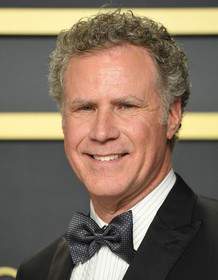
Therapist
Played by Will Ferrell
A dedicated clinician whose professional priorities collide with personal connections, foreshadowing the tension between care and control. He insists that the patient stay in session, even as his family dynamics press in. His actions reveal a flawed but empathetic figure struggling to balance duty with compassion.
- 🎭 Professional
- 🧭 Conflicted
-

David (Patient)
Played by William Jackson Harper
An adult man grappling with suicidal thoughts who seeks help and tries to navigate overwhelming emotions. He shows empathy toward the younger David and searches for meaningful connection in a moment of vulnerability. His arc centers on finding calm amidst crisis.
- 🧠 Vulnerable
- 🫶 Hopeful
-

David (Therapist’s Son)
Played by Fred Hechinger
The therapist’s son, a wrestler who hopes to earn a scholarship. He confronts his father about the limits of care and the need for validation, seeking his own path while craving parental approval. He endures a tense exchange but finds courage in staying true to himself.
- 👦 Aspirational
- 🥊 Rebellious
- AD
Andy Doan
Played by Corey Jantzen
The wrestler described as the ‘beast,’ a fierce opponent who overwhelms the younger David in the match. His presence intensifies the drama surrounding the family conflict and underscores the brutal realities of competitive sport.
- 🏆 Rival
- 🥊 Dominant
- R
Referee
Played by Sebastian Vale
The official overseeing the match, providing structure to the confrontation and serving as a neutral figure amid the emotional stakes.
- ⚖️ Official
- ⏱️ Neutral
Where and When Is David Set?
David is set in Therapist's Office and Wrestling Arena (Present day). Here is why the time and place matter to the story.
When
Present day
Set in contemporary times, the film centers on a patient’s mental health crisis and a family’s expectations within the world of competitive wrestling. The events unfold in a single day, blending a tense therapeutic session with a high-stakes match. It reflects modern attitudes toward therapy, masculinity, and emotional resilience.
Where
Therapist's Office, Wrestling Arena
The story moves between a quiet therapy room and a tense wrestling gym, signaling a clash between inner struggle and outward performance. The therapist’s office is a private space of assessment and care, while the arena is loud and chaotic, amplifying the stakes of a public sport. These settings frame the tension between personal crisis and external pressure.
- 🏢 Therapist's Office
- 🏟️ Wrestling Arena
What Are the Themes of David?
3 ideas the story keeps returning to, among them Mental Health, Family Dynamics and Sports Pressure.
-
01
Mental Health
The core of the story revolves around suicidal thoughts and the need for help, revealing vulnerability beneath a tough exterior. The interaction in therapy confronts personal and familial demands, testing the boundaries of care. A pivotal moment of connection, where empathy bridges generations, underscores that seeking help is a sign of strength.
-
02
Family Dynamics
The tension between father and son threads through the scene, highlighting how professional obligations can clash with personal loyalties. The younger David seeks validation and a future in wrestling, while the father-friend figure navigates expectations. Reconciliation emerges from understanding rather than judgment.
-
03
Sports Pressure
Wrestling provides the backdrop for ambition, performance, and the fear of failure, including the lure of a scholarship and the roar of the crowd. The 'beast' opponent embodies external expectations that shape a young athlete’s identity. The narrative suggests that success in sport does not automatically equate to personal well-being.
What Kind of Film Is David?
Bittersweet in tone, with steady pacing and a straightforward story, going by the plot summary.
- Tone
- Bittersweet
- Pacing
- Steady
- Story
- Straightforward
- Intensity
- High
- Ending
- Happy
A steady and emotionally raw drama that unfolds in real-time, capturing the intense pressure of a therapy session disrupted by a family crisis, ultimately finding a cathartic and hopeful resolution.
- tense
- cathartic
- melancholic
- strained
- heartfelt
- overwhelmed
- therapy
- father-son relationship
- mental health crisis
- suicidal thoughts
Content notes: suicidal thoughts, depression, emotional abuse, family conflict.
Quiz
How well do you remember David? Test yourself on the story.
