David 2020

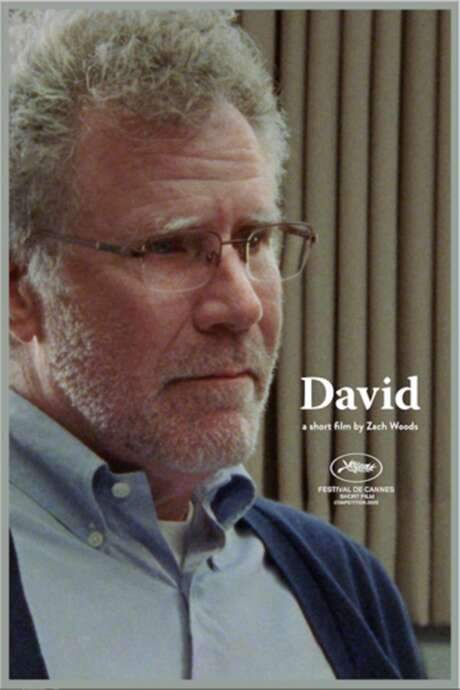
David needs help. So does David. A severely depressed man reaches out for an emergency therapy session. He’s not the only one who needs help.

Does David have end credit scenes?
No!
David does not have end credit scenes. You can leave when the credits roll.
Meet the Full Cast and Actors of David
Explore the complete cast of David, including both lead and supporting actors. Learn who plays each character, discover their past roles and achievements, and find out what makes this ensemble cast stand out in the world of film and television.



External Links and Streaming Options
Discover where to watch David online, including streaming platforms, rental options, and official sources. Compare reviews, ratings, and in-depth movie information across sites like IMDb, TMDb, Wikipedia or Letterboxd.




Ratings and Reviews for David
See how David is rated across major platforms like IMDb, Metacritic, and TMDb. Compare audience scores and critic reviews to understand where David stands among top-rated movies in its genre.

The Movie Echo Score
David is a tightly crafted short comedy that benefits from confident direction, solid performances, and a polished visual style. Reviewers consistently highlight the film's energetic pacing, effective use of a simple premise, and the chemistry between Will Ferrell and his co‑stars. The production values and witty script support a memorable viewing experience despite its brief runtime. Overall, the collective sentiment signals a highly enjoyable short that stands out in the festival circuit.
The Movie Echo Score Breakdown for David

Art & Craft
In terms of art and craft, the short is lauded for its confident direction and natural cinematography. Critics note the “beautiful photograph” of moments and commend the production quality as “fantastic.” Editing is praised for fitting a complete narrative into ten minutes without feeling rushed. These observations point to a highly skilled execution of visual storytelling.

Character & Emotion
Character and emotion receive strong endorsement, with multiple reviewers citing “perfect character development” and “strong performances” from the cast. Will Ferrell’s turn as a therapist is described as both humorous and nuanced, and the supporting actors are noted for their seamless delivery. The chemistry among the trio reinforces the emotional resonance of the father‑son dynamic.

Story & Flow
The story aspect is praised for its inventive premise and measured pacing within the short format. Reviewers describe the plot as “simple yet packed with stomach‑belly laughs,” and commend the surprising twist and witty scriptwriting. While some note a “weird and funny triangle,” the overall consensus is that the narrative remains coherent and engaging throughout.

Sensory Experience
Sensory experience is highlighted by positive remarks on the natural cinematography and cohesive visual tone. The film’s sound design receives less direct commentary, but the overall production quality is described as “great” and “sophisticated.” The visual style supports the comedic tone, contributing to an immersive short‑form viewing experience.

Rewatch Factor
Rewatch factor is inferred from repeated praise of the film’s memorability and enjoyment. Reviewers call it a “must watch,” “fun,” and “memorable dramedy,” suggesting high replay value. While specific references to subsequent viewings are limited, the collective enthusiasm indicates lasting appeal for audiences seeking a short comedic burst.
Full Plot Summary and Ending Explained for David
Read the complete plot summary of David, including all major events, twists, and the full ending explained in detail. Explore key characters, themes, hidden meanings, and everything you need to understand the story from beginning to end.
David, William Jackson Harper, calls his therapist Will Ferrell to schedule an appointment after having suicidalmindful thoughts. During the session, a young man in a wrestler’s uniform runs up and bangs on the window, shattering the quiet moment. The therapist tells David to ignore him, but the intruder pushes his way inside.
The young man, also named David, Fred Hechinger, is the therapist’s son and was preparing for a match he is to have with a “beast” named Andy Doan Corey Jantzen. The therapist had planned to attend the match, yet he chooses to stay and help David instead. Despite David’s assurance that postponing the session is fine, the therapist insists that the session continue and that young David leave. A sharp, painful clash erupts between father and son over priorities, with the therapist emphasizing the importance of working through David’s crisis, while David grows increasingly detached from the moment and the conversation.
In the heat of the confrontation, young David asserts that he will earn a wrestler’s scholarship. The therapist responds with blunt doubt, saying he will not, because David barely made the team, which triggers a short, tense exchange. Young David shoots back that his father isn’t supportive, and the moment sours quickly. The therapist then laments that it’s hard to take back harsh words, and young David’s eyes fill with tears. David, moved by the raw vulnerability on display, steps closer and offers a quiet, empathetic hug to the young man.
The scene shifts to the ring, where young David faces the challenge of Andy Doan Corey Jantzen as the crowd watches. He fights valiantly but loses almost immediately, a disappointing defeat that nonetheless marks a milestone in his growth. As he struggles to rise, he looks up and sees both his father and David in the stands, clapping for his effort. Their presence, a sign of support and recognition, brings a shy, hopeful smile to his face, suggesting a reconciliation of sorts between the competing pressures of fear, ambition, and care.
This encounter between father and son, and the stubborn, protective stance of the therapist, unfolds against the backdrop of a high-stakes athletic moment. It becomes clear that underneath the surface tension there is a desire to be seen, heard, and valued by the people who matter most. By the end, the collective applause from the crowd, paired with the shared, sincere acknowledgment from the two men in his life, hints at a fragile but meaningful bridge being built—one that acknowledges pain, offers compassion, and celebrates courage in the face of doubt.

Coming soon on iOS and Android
The Plot Explained Mobile App
From blockbusters to hidden gems — dive into movie stories anytime, anywhere. Save your favorites, discover plots faster, and never miss a twist again.
Sign up to be the first to know when we launch. Your email stays private — always.
Explore the mobile appWatch Trailers, Clips & Behind-the-Scenes for David
Watch official trailers, exclusive clips, cast interviews, and behind-the-scenes footage from David. Dive deeper into the making of the film, its standout moments, and key production insights.
David Other Names and Titles
Explore the various alternative titles, translations, and other names used for David across different regions and languages. Understand how the film is marketed and recognized worldwide.
Quick Links: Summary, Cast, Ratings, More

What's After the Movie?
Not sure whether to stay after the credits? Find out!
Check out our other apps:

SAT Sphere
Build confidence for the Digital SAT.

Mori Atlas
Discover wild places worth protecting.

Luntero
Search smarter for a home in Amsterdam.

Plot Explained
Unravel movie endings and hidden clues.

Pokechamp
Dive into Pokémon data and battle logic.

Driving Theory
Get ready for your European theory test.

Movie Dust
Plan your next cinema trip with ease.

Musemap
Find art and culture as you travel.

Selkobase
Compare credentials before committing.

Local Manual
Turn an unfamiliar country into practical next steps.

Lernavi
Compare school systems before your next move.

GymRoam
Find a workout stop wherever your plans take you.
Explore Our Movie Platform
New Movie Releases (2026)
Famous Movie Actors
Top Film Production Studios
Movie Plot Summaries & Endings
Major Movie Awards & Winners
Best Concert Films & Music Documentaries
Movie Collections and Curated Lists
© 2026 What's After the Movie. All rights reserved.
Privacy Policy