
Dating Game Killer 2017

Directed by
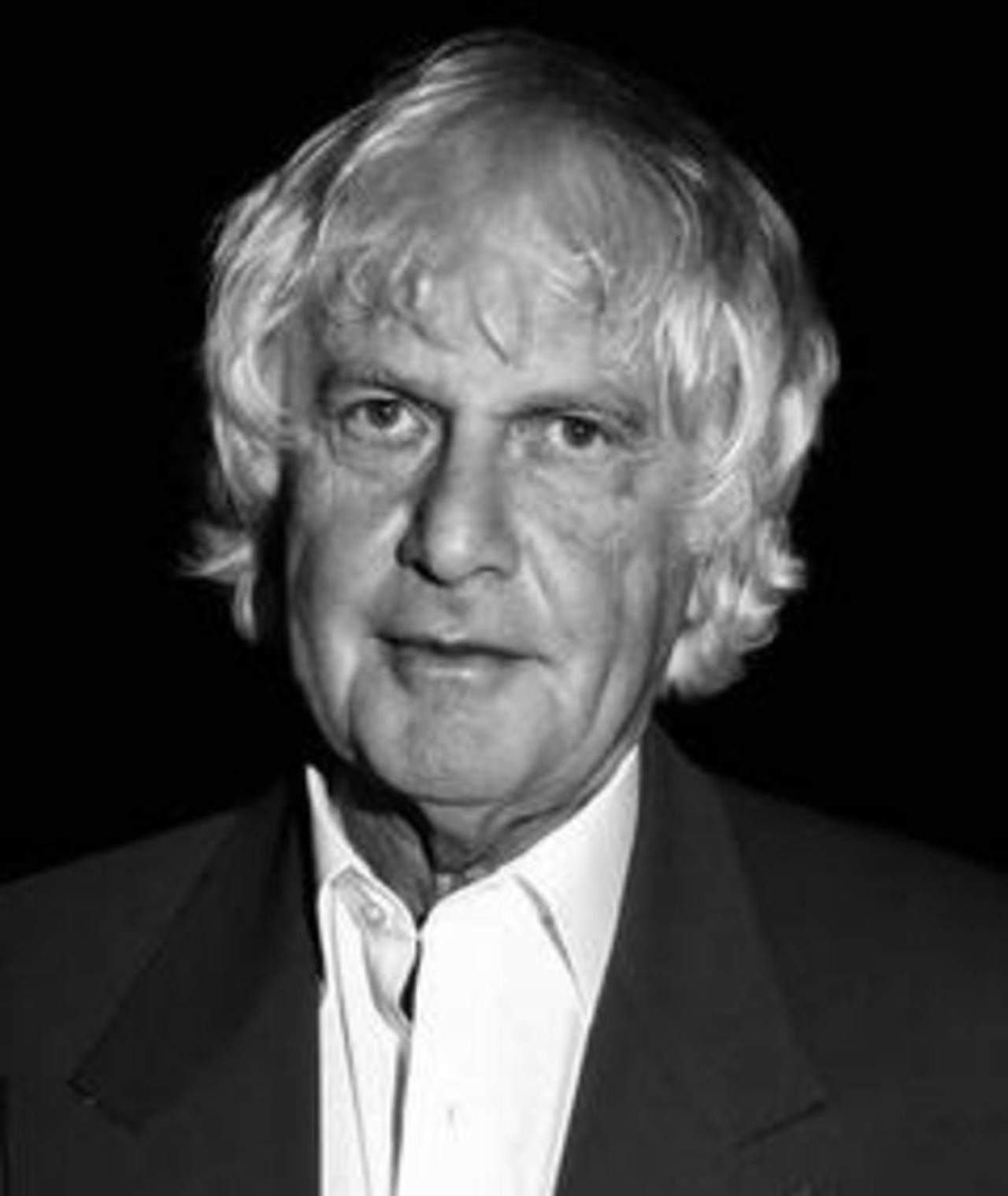
Peter Medak
Made by

Light and Dark Films
Dating Game Killer Plot Summary
Read the complete plot summary and ending explained for Dating Game Killer (2017). From turning points to emotional moments, uncover what really happened and why it matters.
Rodney Alcala, Guillermo Díaz is a convicted serial killer whose crimes span decades and oceans of victims. In 1971, he is arrested after assaulting 8-year-old Rosie Hoffman, Gina Shmukler, but because her parents move to Mexico, she cannot testify at his trial and he is charged only with assault. Despite repeated accusations of abusing girls, Alcala’s calm demeanor and polite, disarming charm help him earn preferential treatment and relatively light sentences, allowing him to continue his crimes for years. The early investigation is led by Detective Jim Hamell, Robert Knepper, with Detective Ryan, Matt Barr, joining as new patterns emerge. The case unfolds with a methodical, troubling tension between a seemingly affable man and the brutal reality of his acts.
In 1978, amid his killing spree, Alcala becomes a public figure of a horrifying paradox when he appears on the television show The Dating Game, a jaw-dropping moment that contrasts with the darkness of his actions. The case gains traction when a park ranger, Greg Parvess, identifies him walking with Tammy Jensen, [Daniah De Villiers](/actor/daniah-de-villiers, a young victim whose body is later found in the same location. The ranger’s eyewitness account, together with the discovery of Tammy Jensen’s earrings in Alcala’s Seattle storage locker, provides police with crucial evidence to pursue charges more vigorously.
Alcala is ultimately sentenced to death, but the conviction is overturned in 1984 due to prosecutorial references that biased the jury. He is retried and reconvicted, receiving another death sentence in 1986. A series of legal changes, including the expansion of DNA collection, helps connect him to additional murders long after the initial trials. In a striking turn, Alcala represents himself at a 2013 trial, answering his own questions from the defense chair and continuing toChallenge the process from within the courtroom.
Rosie Hoffman returns to testify after 42 years, joined by Carol Jensen, Tammy Jensen’s mother, who describes the impact of the disappearances and murders on families and communities. Their testimony helps secure new convictions on multiple counts of abduction and murder, underscoring the enduring reach of Alcala’s crimes. The case also spans other states: in 2012, Alcala pleads guilty to two more murders in New York, and in 2016 he faces charges in connection with a 1977 Wyoming murder, illustrating a decades-long trail of violence that authorities work tirelessly to close.
Throughout the narrative, the tension between Alcala’s public persona and his private violence remains central, revealing how a calculated predator could slip through cracks long enough to commit a vast and deadly reign of terror.
Dating Game Killer Timeline
Follow the complete movie timeline of Dating Game Killer (2017) with every major event in chronological order. Great for understanding complex plots and story progression.
First capture after assault on Rosie Hoffman
Rodney Alcala is arrested in 1971 after raping and beating 8-year-old Rosie Hoffman. The case leads to charges of assault, while Rosie's parents move her to Mexico, preventing her from testifying at his trial. He is charged only with assault.
Pattern of leniency despite repeated abuse charges
Over the following years Alcala is repeatedly charged with abusing girls. His reported good behavior and 'reformed' image earns him preferable treatment in court, resulting in light sentences. This pattern enables him to continue committing crimes.
Alcala appears on The Dating Game
In 1978 Alcala appeared on the television show The Dating Game while he was actively killing. The appearance brought him into the national spotlight just as investigators were pursuing other victims. The TV appearance is later noted as a disturbing moment in the public memory of his crimes.
Park ranger identifies him with a victim
A park ranger recognizes Alcala walking with a murder victim, Tammy Jensen, days before her body is found at the same location. This eyewitness account provides crucial evidence that helps police identify him as a suspect. The discovery leads to his eventual arrest.
Tammy Jensen's earrings found in storage locker
Investigators later discover Tammy Jensen's earrings in Alcala's Seattle storage locker. The physical evidence strengthens the link between him and Jensen's disappearance and murder. It becomes a pivotal piece in building the case against him.
Conviction overturned due to prejudicial error
In 1984 Alcala's conviction is overturned because the prosecutor's references to his prior crimes biased the jury. The ruling prompts a new round of trials rather than immediate execution. The case underscores the impact of trial conduct on long-running investigations.
Retrial and death sentence again
He is retried and again sentenced to death in 1986. The verdict reaffirms the severity of his crimes and extends the legal process over many years. The ongoing legal saga illustrates the persistence of the case.
DNA evidence connects more murders
A change in the law allows police to collect DNA from convicts in 2002, and Alcala is tied to additional murders through genetic evidence. This advancement widens the scope of his serial crimes beyond earlier known victims. The new evidence strengthens cases that had faced earlier procedural hurdles.
Guilty pleas for two New York murders
In 2012 Alcala pleads guilty to two additional murders in New York, expanding the geographic footprint of his crimes. The confirmation of crimes outside California marks a broader tabulation of his victims. The plea sets the stage for further sentences.
2013 trial: self-representation and decisive testimony
In 2013 Alcala chooses to represent himself in court and questions himself on the stand. Rosie Hoffman returns to testify after 42 years, and Tammy Jensen's mother Carol adds testimony that helps secure a death sentence for five counts of abduction and murder. The combined testimony, along with his self-representation, solidifies the culmination of his case.
Dating Game Killer Characters
Explore all characters from Dating Game Killer (2017). Get detailed profiles with their roles, arcs, and key relationships explained.
Rodney Alcala
Rodney Alcala is portrayed as a charming, calculating predator who hides a violent, predatory impulse behind a friendly and affable exterior. The film follows his manipulative pattern, showing how he evaded harsher sentences through good behavior while continuing to kill. His charisma masks a ruthless, methodical mind behind decades of crime.
Tammy Jensen
Tammy Jensen is the murder victim whose disappearance becomes a turning point in the case. The discovery of her earrings in Alcala's storage locker provides crucial evidence that helps prosecutors build the case. Her story anchors the later legal battles and testimonial confrontations.
Rosie Hoffman
Rosie Hoffman is the young survivor whose attack and subsequent relocation to Mexico shape the case's background. She returns 42 years later to testify, providing a critical link between the early crime and later charges. Her experience underscores the lasting trauma of the case on families.
Detective Jim Hamell
Detective Jim Hamell is depicted as a diligent investigator who advocates for justice despite repeated excuses of reform. He helps connect the disparate clues — from eyewitness accounts to physical evidence — to build a coherent case against Alcala. His persistence is a key through-line in the pursuit of truth.
Carol Jensen
Carol Jensen, Tammy Jensen's mother, embodies long-running pursuit of justice. Her testimony and memory of her daughter's case contribute to the ongoing effort to hold Alcala accountable. She represents the resilience of families affected by his crimes across decades.
Park Ranger
The park ranger serves as a pivotal eyewitness, spotting Alcala with a murder victim and linking the park setting to the killer's pattern. This identification becomes the break in the investigation that leads to arrests and convictions. The character highlights how frontline witnesses can matter in serial cases.
Dating Game Killer Settings
Learn where and when Dating Game Killer (2017) takes place. Explore the film’s settings, era, and how they shape the narrative.
Time period
1971–2016
The narrative follows events from the early 1970s through the mid-2010s. It begins with the 1971 assault, includes the 1978 Dating Game appearance, and spans the 1984 and 1986 trials. DNA linkage in 2002 connects him to more murders, with dramatic developments continuing into 2013 and 2016.
Location
Seattle, Mexico, Wyoming, New York
Seattle, Mexico, Wyoming, and New York anchor the investigation across the United States. The Seattle storage locker yields crucial evidence, while Mexico is noted as the place where the victim’s family moved, affecting testimony. Wyoming and New York scenes illustrate the nationwide scope of Alcala's crimes.
Dating Game Killer Themes
Discover the main themes in Dating Game Killer (2017). Analyze the deeper meanings, emotional layers, and social commentary behind the film.
🎭
Charisma & Deception
The killer's charming, affable demeanor allows manipulation and predation to go unnoticed. The film shows how social graces mask a dangerous pattern of violence. It examines how appearance and friendliness can be a weapon in a serial killer's toolkit.
🧠
Criminal Mind
A meticulous, calculating offender exploits loopholes in the justice system, abusing good behavior as a way to reduce sentences. The narrative traces a consistent pattern of abuse and murder, revealing a ruthless propensity for planning. For investigators, the serial nature of the crimes proves a difficult, evolving challenge.
🗣️
Memory & Testimony
Survivors and family members provide crucial testimony that unlocks decades of silence. The film emphasizes how memory, fear, and time impact what witnesses can recall. Testimony ultimately drives the convictions, even after years of legal twists.

Coming soon on iOS and Android
The Plot Explained Mobile App
From blockbusters to hidden gems — dive into movie stories anytime, anywhere. Save your favorites, discover plots faster, and never miss a twist again.
Sign up to be the first to know when we launch. Your email stays private — always.
Explore the mobile appDating Game Killer Spoiler-Free Summary
Discover the spoiler-free summary of Dating Game Killer (2017). Get a concise overview without any spoilers.
In the sun‑bleached suburbs of 1970s California, a cultural crossroads of optimism and underlying unease provides the backdrop for a story that dances between glossy television sparkle and the shadows that linger just out of frame. The era’s fascination with televised dating games and the promise of ordinary people becoming overnight personalities set a tone of bright surface tension, hinting that nothing is ever quite as it seems beneath the neon glare.
Rodney Alcala moves through this world with an unsettling blend of charisma and poise, his smooth manners and confident smile a perfect fit for the era’s fascination with charm. Yet the very qualities that make him a captivating guest on a popular dating show also mask a darker current, creating a disquieting contrast that fuels the film’s central mystery. Parallel to his public allure, the grieving mother of one of his victims channels relentless determination, her quiet resolve turning the personal loss into a steadfast quest for truth that persists against the tide of complacency.
Detective Jim Hamell shoulders the early weight of the investigation, his methodical approach offering a steady, if weary, counterpoint to the sensational headlines and public fascination. As the case begins to thicken, Detective Ryan joins the effort, his fresh perspective adding a subtle undercurrent of tension and collaboration that hints at deeper layers waiting to be uncovered. Together, the detectives’ pursuit underscores the clash between procedural diligence and the seductive veneer of a man who seems to belong on stage rather than behind a cell door.
The film weaves a mood of relentless curiosity, using the flash of studio lights and the hushed corridors of police work to explore how easy it is for a predator to masquerade as a celebrity. Its tone is both unsettling and compelling, inviting viewers to question how far charm can travel before it reveals the chilling reality hidden just beneath the surface.
Featured on this page

What's After the Movie?
Not sure whether to stay after the credits? Find out!
Check out our other apps:

SAT Sphere
Build confidence for the Digital SAT.

Mori Atlas
Discover wild places worth protecting.

Luntero
Search smarter for a home in Amsterdam.

Plot Explained
Unravel movie endings and hidden clues.

Pokechamp
Dive into Pokémon data and battle logic.

Driving Theory
Get ready for your European theory test.

Movie Dust
Plan your next cinema trip with ease.

Musemap
Find art and culture as you travel.

Selkobase
Compare credentials before committing.

Local Manual
Turn an unfamiliar country into practical next steps.

Lernavi
Compare school systems before your next move.

GymRoam
Find a workout stop wherever your plans take you.
Explore Our Movie Platform
New Movie Releases (2026)
Famous Movie Actors
Top Film Production Studios
Movie Plot Summaries & Endings
Major Movie Awards & Winners
Best Concert Films & Music Documentaries
Movie Collections and Curated Lists
© 2026 What's After the Movie. All rights reserved.
Privacy Policy