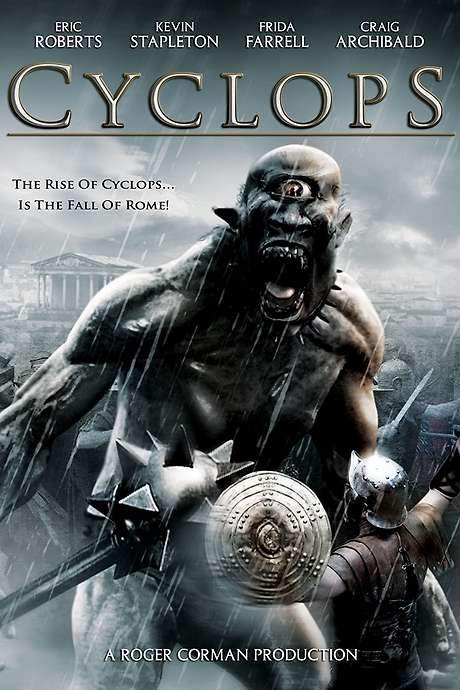
Cyclops 2008


Directed by

Declan O’Brien
Made by

New Horizons Picture
Where to Watch Cyclops
See current US streaming, rental, and purchase options for Cyclops (2008) via JustWatch.



Streaming availability powered by 
Cyclops Plot Summary
Read the complete plot summary and ending explained for Cyclops (2008). From turning points to emotional moments, uncover what really happened and why it matters.
In ancient Rome, during the reign of Emperor Tiberius Caesar, a countryside trek turns deadly when a ferocious cyclops—the last of its kind—slaughters a group of travelers after they slaughter a few sheep for food. One survivor makes it back to Rome to warn the authorities, and the news reaches the emperor who wastes no time in acting on it. He dispatches his best commander, Marcus Romulus, to pursue the man-eater and bring it back alive. The mission is costly, stripping some of Marcus’s men, but he succeeds in capturing the colossal beast and delivering it to the heart of the empire. Seeing the crowd-pulling power of the cyclops, the emperor decides to use this legendary creature as the centerpiece of his arena, opting for spectacle over traditional lions.
A second thread runs through the story as a group of defiant slaves discovers they are earmarked as fodder for the cyclops. They break for freedom, but their escape is thwarted and they are quickly recaptured. Marcus, who leads the rescue mission with the slaves, grows increasingly uncomfortable with the imperial system that tolerates bondage. His moral stance brings him into direct conflict with Falco, the emperor’s chief adviser. The clash of ideals climaxes as the emperor punishes Marcus by casting him into gladiatorial combat, a harsh baptism by steel and public opinion.
Within the brutal rhythm of the arena, Marcus proves to be more than a fighter; he becomes a tactician who leverages his influence over the captive cyclops. While the colossal creature paces in its cell, Marcus discovers a surprising rapport—he can teach the cyclops words and simple concepts, shaping how the beast responds to commands and taunts. This unlikely mentorship hints at a fragile bridge between two beings who represent opposite ends of the empire’s spectacle: a ruthless ruler’s weapon and a potential ally who questions the costs of power.
As the plot tightens, the emperor’s desperate bid to maintain control grows reckless. He offers the cyclops its freedom in exchange for killing Marcus, a choice that pits loyalty against survival. In a dramatic escalation, the cyclops turns on the emperor and kills him, a moment that reverberates through the political landscape of Rome. Yet the ruling circle quickly retaliates—the ever-cunning Falco strikes, killing the cyclops in turn. In the ashes of this double tragedy, Marcus stands firm, avenging the creature and stepping into the role of liberator for Rome. The film closes on a note of hard-won emancipation, with Marcus emerging as a new figure of hope who challenges the system that used fear and spectacle to control a city.
Cyclops Timeline
Follow the complete movie timeline of Cyclops (2008) with every major event in chronological order. Great for understanding complex plots and story progression.
Cyclops attack in the countryside and escape to Rome
A ferocious cyclops attacks a group of travelers in the countryside, killing all but one who escapes. The lone survivor reaches Rome to report the sighting. The cyclops is the last of his kind, and his appearance sparks fear and curiosity.
Envoy to Emperor Tiberius reports sighting
The survivor informs Emperor Tiberius that a cyclops has been seen. Tiberius dispatches his best commander Marcus Romulus to capture the creature. The report triggers a pursuit to secure the beast for the imperial menagerie.
Marcus Romulus tasked to capture the cyclops
Emperor Tiberius assigns Marcus Romulus to capture the cyclops. Though the mission costs Marcus some of his men, he agrees to undertake it. The aim is to bring the monster back to Rome for displays.
Capture and return to Rome
Marcus leads the expedition and succeeds in capturing the cyclops. The captured beast is transported back to Rome to join the imperial spectacle. The successful capture cements Marcus's role in the unfolding plan.
Emperor seeks new circus star
Seeing the crowd's reaction to the cyclops, Tiberius decides to reuse him as the centerpiece of the circus. He rejects lions due to cost and novelty of the beast. The cyclops becomes a target of imperial attention and entertainment.
Slaves learn they are to become fodder
A group of defiant slaves learns they are to be fodder for the cyclops. They attempt to flee, seeking freedom and safety elsewhere. Marcus's anti-slavery sentiment is tested as he leads the pursuit.
Marcus leads the capture of the fugitives
Marcus leads the contingent tasked with recapturing the escaped slaves. Despite his opposition to slavery, he follows orders and plays a key role. The pursuit highlights the tension between Marcus's ideals and imperial authority.
Marcus punished as a gladiator
For his insubordination, Emperor Tiberius punishes Marcus by sporting him as a gladiator. He endures training and brutal combat, proving his skill in the arena. The punishment also isolates him within Rome's power structure.
Marcus teaches the cyclops words in his cell
While the cyclops is kept in a cell, Marcus discovers he can teach him words and simple ideas. This unlikely pedagogy plants the seeds of a bond between captor and captive. The unusual education hints at the cyclops's hidden intelligence.
Emperor promises freedom for Marcus's death
Tiberius promises the cyclops freedom in exchange for killing Marcus. The offer puts Marcus in grave danger but reveals the emperor's willingness to sacrifice humans for spectacle. The tension escalates toward a dramatic confrontation.
The cyclops kills the emperor
The cyclops makes a fateful decision and kills Emperor Tiberius. The act shifts the balance of power and shocks the imperial court. Marcus remains alive, and the cyclops's courage redefines the stakes.
Falco retaliates and kills the cyclops
Falco, the emperor's main consultant, retaliates by killing the cyclops. The act eliminates the extraordinary creature and restores the existing order after the act of rebellion. Marcus seeks justice for the cyclops's fate.
Marcus becomes liberator of Rome
With the cyclops dead, Marcus avenges him and becomes the liberator of Rome. He challenges the system that used the beast for entertainment and oppression. The film closes on Marcus's ascent and a new vision for the city.
Cyclops Characters
Explore all characters from Cyclops (2008). Get detailed profiles with their roles, arcs, and key relationships explained.
Emperor Tiberius Caesar
The ruler of Rome who wields fear and spectacle to control the state. He treats the cyclops as a tool for entertainment and political theater, showing a ruthless willingness to manipulate life for public approval. His insistence on order and dominance drives the central conflict with Marcus and the cyclops.
Marcus Romulus
A capable commander who opposes slavery and values moral integrity. He rebels against the emperor's use of slaves and faces punishment by being forced into gladiatorial combat. His bond with the cyclops and his leadership push the story toward liberation for Rome.
Cyclops
The last of his kind, captured and forced into the role of a public spectacle. He learns to understand language from Marcus and forms a bond that alters the course of events. Ultimately he chooses murder to resist oppression, but dies in the aftermath, symbolizing the cost of rebellion.
Falco
The emperor's main consultant, a cunning and controlling figure who engineers political outcomes. He opposes Marcus indirectly and enforces the harsh penalties of imperial rule. His manipulation highlights the treacherous political climate of the time.
Gladiator
An arena fighter compelled by imperial order, representing the brutality of public games. His presence underscores the theme of spectacle as a mechanism of control and punishment. The Gladiator embodies the harsh realities faced by those forced into the ring.
Cyclops Settings
Learn where and when Cyclops (2008) takes place. Explore the film’s settings, era, and how they shape the narrative.
Time period
1st century CE
The events unfold in the early Roman Empire under Emperor Tiberius. Roman politics, slavery, and the imperial obsession with spectacle define the era. The period is marked by public entertainments that double as political tools, as characters maneuver within a rigid social hierarchy.
Location
Ancient Rome
Set in Ancient Rome during Emperor Tiberius's reign, the film frames a world of imperial power and public spectacle. The setting shifts between rural countryside encounters and grand Roman interiors, highlighting the clash between freedom and control. The circus and arena culture underpin the plot, shaping how violence and entertainment are intertwined with governance.
Cyclops Themes
Discover the main themes in Cyclops (2008). Analyze the deeper meanings, emotional layers, and social commentary behind the film.
🏛️
Power and spectacle
The Emperor uses the cyclops as a centerpiece of public entertainment, turning living beings into tools of persuasion. The arena becomes a stage where authority is demonstrated and contested. Spectacle serves to keep the ruling class in power, while ordinary people witness the manipulation of life for fear and fascination. This theme examines how power leverages fear and wonder to maintain control.
🕊️
Freedom vs Slavery
Slavery is presented as a central system that constrains body and choice, prompting resistance from Marcus and the slaves who flee. The pursuit of liberty extends beyond the cyclops to the enslaved group, illustrating a broader struggle for autonomy. The potential for freedom clashes with imperial mandates, revealing the costs of rebellion. The story culminates in a harsh reminder of how liberation often comes at a violent price.
🗣️
Communication and alliance
Marcus teaches the cyclops to understand words and ideas, forging an unlikely bond that shifts the power dynamics. This communication enables a form of mutual trust and strategic cooperation against a tyrannical system. The interaction between human and cyclops symbolizes how language can bridge divides and spark resilience. The alliance ultimately contributes to the liberation arc of the narrative.

Coming soon on iOS and Android
The Plot Explained Mobile App
From blockbusters to hidden gems — dive into movie stories anytime, anywhere. Save your favorites, discover plots faster, and never miss a twist again.
Sign up to be the first to know when we launch. Your email stays private — always.
Explore the mobile appCyclops Spoiler-Free Summary
Discover the spoiler-free summary of Cyclops (2008). Get a concise overview without any spoilers.
In a Rome on the brink, the countryside trembles under an ancient terror that few have witnessed. Legends whisper of a lone Cyclops—a towering, one‑eyed creature whose very presence seems to foreshadow the empire’s decline. The restless clamor of soldiers, merchants, and conspirators blends with an uneasy silence that hangs over marble columns and soot‑blackened roads, suggesting that the age‑old power of the Republic is being tested by forces both human and monstrous. The atmosphere is heavy with a mix of gritty realism and mythic dread, inviting the audience to feel the weight of a world where destiny and decay walk side by side.
Against this backdrop, the imperial court is dominated by the calculating Tiberius, a ruler whose hunger for control has already stained his reign with corruption. He perceives the Cyclops not merely as a threat but as a potential instrument for his own ambitions, a living symbol that could cement his supremacy or expose his vulnerabilities. To secure his vision, he commands his most trusted general, Marcus, to track down the beast. The emperor’s directives carry the cold efficiency of an empire that values strength above compassion, and his expectations set a tense stage for the mission that lies ahead.
Marcus arrives as the embodiment of disciplined loyalty, a commander celebrated for his battlefield prowess and steadfast sense of honor. Yet beneath his hardened exterior flickers a conscience uneasy with the empire’s darker edicts. Tasked with hunting a creature that straddles legend and reality, he must navigate a labyrinth of imperial politics, personal duty, and moral ambiguity. Alongside him, the emperor’s chief advisor, Falco, offers counsel that hints at the intricate power plays within the palace walls. As the general sets out, the story promises a clash not only of swords and mythic might, but of ideals—forcing a warrior to confront what it means to serve a faltering empire while confronting a terror that could eclipse the very foundations of Rome.
Movies with Similar Twists and Themes
Uncover films that echo the narrative beats, emotional arcs, or dramatic twists of the one you're exploring. These recommendations are handpicked based on story depth, thematic resonance, and spoiler-worthy moments — perfect for fans who crave more of the same intrigue.
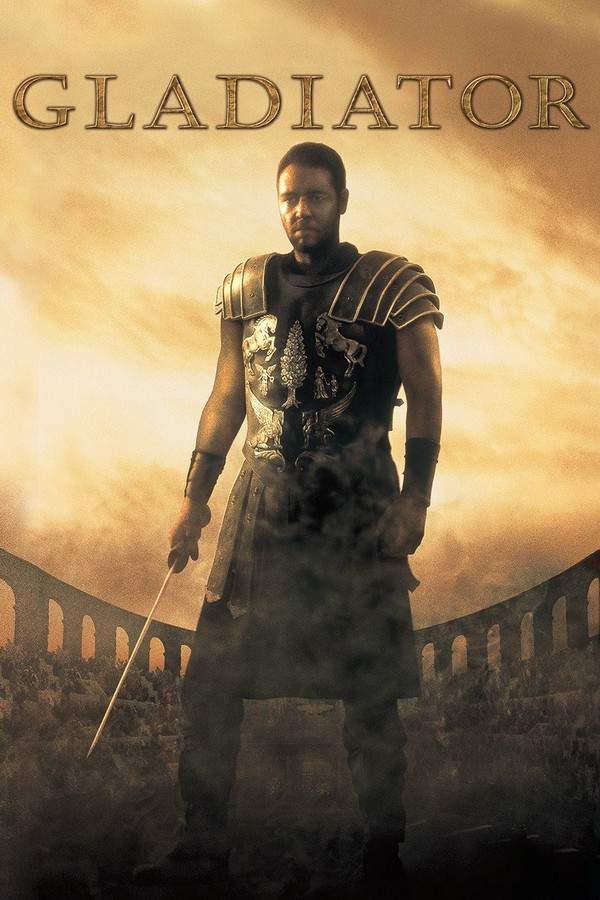
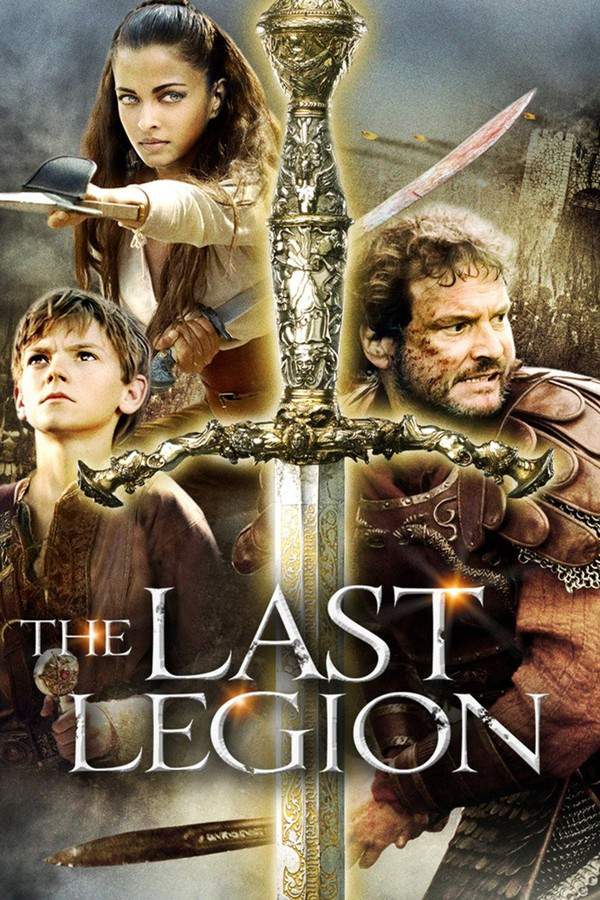


Featured on this page

What's After the Movie?
Not sure whether to stay after the credits? Find out!
Check out our other apps:

SAT Sphere
Build confidence for the Digital SAT.

Mori Atlas
Discover wild places worth protecting.

Luntero
Search smarter for a home in Amsterdam.

Plot Explained
Unravel movie endings and hidden clues.

Pokechamp
Dive into Pokémon data and battle logic.

Driving Theory
Get ready for your European theory test.

Movie Dust
Plan your next cinema trip with ease.

Musemap
Find art and culture as you travel.

Selkobase
Compare credentials before committing.

Local Manual
Turn an unfamiliar country into practical next steps.

Lernavi
Compare school systems before your next move.

GymRoam
Find a workout stop wherever your plans take you.
Explore Our Movie Platform
New Movie Releases (2026)
Famous Movie Actors
Top Film Production Studios
Movie Plot Summaries & Endings
Major Movie Awards & Winners
Best Concert Films & Music Documentaries
Movie Collections and Curated Lists
© 2026 What's After the Movie. All rights reserved.
Privacy Policy