What Is Crimson Tide About?
The premise of Crimson Tide in 297 words, with nothing given away. The full story follows below.
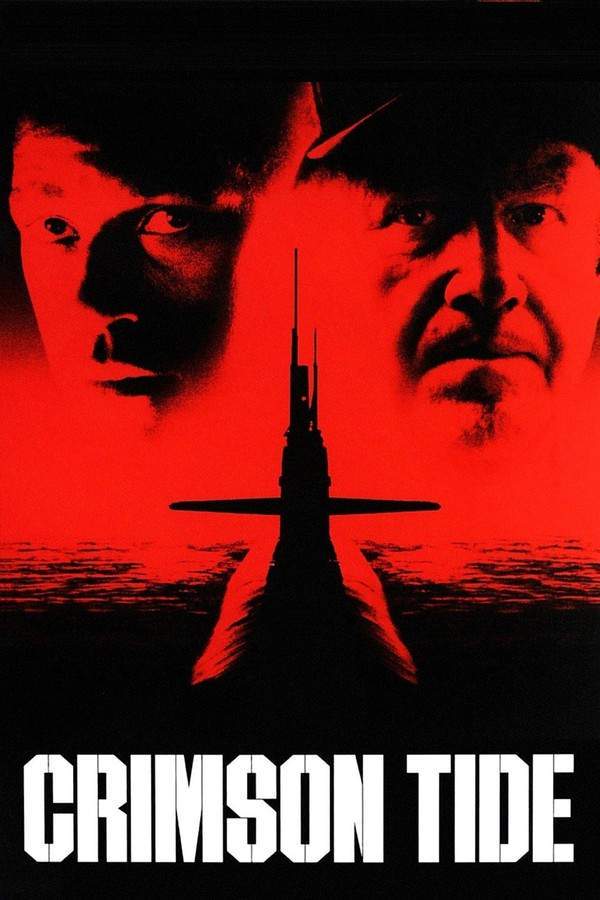
In the cold, metal‑bound world of a nuclear‑armed ballistic‑missile submarine, the threat of global annihilation hangs like a silent sonar ping. The film opens against a backdrop of geopolitical unease, where a single mis‑step could ignite a conflict far beyond the ocean’s depths. Inside the USS Alabama, the confined corridors amplify every breath, every decision, turning routine patrols into a ticking‑clock drama that feels both intimate and catastrophically large.
Captain Frank Ramsey commands the vessel with the hard‑won instincts of a veteran who has spent his life trusting gut and hierarchy. His authority is matched, however, by the fresh perspective of his newly appointed executive officer, Lieutenant Commander Ron Hunter, a scholarly tactician whose analytical mind clashes with Ramsey’s decisive, instinct‑driven style. Their opposing philosophies—Ramsey’s reliance on experience and immediacy versus Hunter’s caution and strategic reasoning—set the stage for a simmering power struggle that underpins the film’s tension.
When an ambiguous order arrives, suggesting the launch of nuclear missiles, the stakes surge from routine vigilance to the brink of worldwide disaster. The crew, a tightly knit community forced to operate in perpetual darkness, must grapple with the weight of responsibility that extends far beyond their steel hull. The atmospheric soundscape, punctuated by the low hum of reactors and the distant echo of sonar pings, reinforces a mood of claustrophobic pressure where every whispered debate could tip the balance between restraint and catastrophe.
The narrative hinges on the delicate dance between Ramsey and Hunter, each embodying a different vision of leadership in an era where the mere possibility of launch carries the weight of humanity’s survival. Their conflict, set against the unforgiving ocean and the looming specter of a global crisis, promises a tense, character‑driven exploration of duty, doubt, and the thin line that separates command from chaos.
What Happens in Crimson Tide?
The complete story of Crimson Tide, from the first scene to the last, in 800 words (about 3 minutes). Spoilers throughout. Names in the text link to 3 cast member pages.
Spoilers ahead
In the tumultuous aftermath of the Soviet Union’s dissolution, a fierce civil war breaks out in Russia, ignited by the relentless conflict in Chechnya. In this chaotic landscape, the ultra-nationalist military leader, Vladimir Radchenko, seizes control of a critical nuclear missile installation, threatening the entire world with the specter of nuclear war should either the American or Russian governments dare to confront him. It becomes clear that Radchenko’s forces have commandeered a submarine base and dispatched four formidable Akula-class attack submarines, positioning them dangerously close to both the Chinese and Korean borders. While the Russian government assures the United States that these forces are without the necessary launch codes, the tension continues to escalate.
Amidst this brewing storm, the USS Alabama, a U.S. Navy Ohio-class ballistic missile submarine, is dispatched on a vital patrol mission. Its objective: to maintain a readiness posture for a preemptive nuclear strike should Radchenko attempt to activate his missiles. Captain Frank Ramsey, portrayed by the esteemed Gene Hackman, stands at the helm as one of the few remaining submarine commanders with combat experience. When selecting his new Executive Officer, he turns to Lieutenant Commander Ron Hunter, brought to life by the talented Denzel Washington. Hunter possesses an impressive academic background in military history and tactics, yet he is thrust into a high-pressure situation without any prior combat experience, making for a riveting contrast to Ramsey’s seasoned command style.
As the crew boards the Alabama, tensions begin to surface between Captain Ramsey and Commander Hunter. They clash not only in their personalities but also in their strategic philosophies: Hunter adopts a cautious and analytical approach, while Ramsey relies on instinct and immediacy. Hunter, embodying a belief that in a nuclear era the greatest enemy is war itself, faces mounting friction with Ramsey, whose decisiveness does not sit well with him.
The first significant incident occurs on the third day at sea—during a routine operation, a fire ignites in the galley, culminating in the tragic death of Chief Mess Officer Rono. While Hunter aids the mess team in battling the flames, Ramsey opts for a missile drill that feels out of place given the chaos, highlighting their burgeoning conflict. By the sixth day, they receive an Emergency Action Message indicating that Radchenko’s forces might now be armed with nuclear weapons, pushing tensions further to a Defcon 3 status.
As the days unfold, Hunter observes a tangible decline in crew morale, culminating in his frustration during a fight between two sailors over a petty issue. However, Ramsey responds to this unease by chastising the entire crew, further alienating Hunter and driving a wedge between them. By the twelfth day, Alabama receives a critical message ordering the launch of ten missiles aimed at the Russian installation, the pressure mounting as they receive fragmented messages suggesting a change in orders.
However, before Alabama can respond, a Russian Akula-class submarine attacks, severely damaging their functions and communications. Juxtaposed against the chaos, Ramsey is determined to proceed with the launch, while Hunter stands firm in his belief that the order may have been recanted. This ideological clash culminates in a battle for control of the submarine as divergent loyalties within the crew surface surrounding their respective leaders.
In a desperate attempt, Hunter and his supporters ultimately confine Ramsey to his quarters, taking command of the situation amidst another assault from the Russian submarine. The chaos is palpable as the crew struggles with the decision to either move forward with the missile launch or wait for the channel to clarify their orders—a choice fraught with perilous stakes and ticking clocks.
The story intensifies as time runs short, leading to a dramatic standoff between Hunter and Ramsey, armed with powerful resolve on both sides. Just as the impending launch nears, fleeting moments of reflection and personal stakes escalate, culminating in an unexpected discussion about Lipizzaner stallions, providing a brief reprieve from the tension.
It is only when communication is finally restored that the crew receives the crucial retraction ordering the abort of the missile launch, revealing that the rebellion had indeed been suppressed. In a poignant moment, Captain Ramsey cedes command to Hunter, acknowledging his leadership, as both men confront the ramifications of their choices upon returning to base.
Upon their return to Pearl Harbor, both men face a naval tribunal, navigating the aftermath of their actions with the weight of their decisions resting heavily upon them. The tribunal’s findings reveal a dual understanding of right and wrong, validating Hunter’s resolve while recognizing the necessity of Ramsey’s experiences. Ultimately, Hunter is granted command of his own submarine, while Ramsey’s early retirement reflects the complexities of leadership in a nuclear age where the authority to launch has drastically changed, emphasizing the profound impacts of their harrowing journey through command, loyalty, and the burdens of war.
Crimson Tide Timeline: Every Key Event in Order
15 key events in the order they happen, from “Civil War Erupts in Russia” to “End of Command Authority”. 15 events name a place, across 6 locations.
- 1
Civil War Erupts in Russia
In post-Soviet Russia, tensions escalate as a civil war erupts, primarily fueled by the ongoing conflict in Chechnya. The chaos leads to military factions consolidating power and threatening global security.
When:1990s Where:Russia
- 2
Radchenko Takes Control
Vladimir Radchenko, an ultra-nationalist, seizes control of a nuclear missile installation, posing a grave threat to both American and Russian governments. His military units declare their readiness to engage in nuclear warfare, escalating the crisis.
When:1990s Where:Nuclear Missile Installation, Russia
- 3
USS Alabama Assigned Mission
The U.S. Navy assigns the USS Alabama, a ballistic missile submarine, to a critical patrol mission. Captain Frank Ramsey, an experienced commander, prepares his crew to potentially retaliate against Radchenko's threats.
When:Defcon 4 Where:USS Alabama
- 4
Tension Between Captain and XO
As the crew embarks on their mission, tension quickly rises between Captain Ramsey and his new executive officer, Ron Hunter. Ramsey's impulsive style clashes with Hunter's analytical approach, revealing fundamental differences in their leadership.
When:Day 1 Where:USS Alabama
- 5
Fire Incident in the Galley
On Day 3, a fire breaks out in the submarine's galley, tragically resulting in the death of the chief mess officer, Rono. Amidst the chaos, Hunter attempts to assist the mess crew, while Ramsey orders a missile drill, further highlighting their conflicting priorities.
When:Day 3 Where:USS Alabama
- 6
Emergency Warning Received
On Day 6, the USS Alabama receives an Emergency Action Message indicating that Radchenko's forces have acquired nuclear weapons. The status escalates to Defcon 3, increasing the urgency of their mission.
When:Day 6 Where:USS Alabama
- 7
Crew Morale Declines
By Day 11, Hunter observes a fight among the sailors, signaling deteriorating morale aboard the Alabama. In response, Ramsey chastises the crew over the intercom for their lack of battle focus, fostering further discord.
When:Day 11 Where:USS Alabama
- 8
Launch Order Received
On Day 12, the Alabama is ordered to launch missiles against the Russian nuclear installation as Radchenko's missiles are reportedly being fueled. However, confusion arises as a second transmission is cut off amidst an attack from a Russian submarine.
When:Day 12 Where:USS Alabama
- 9
Russian Submarine Engagement
The Alabama is targeted by a Russian Akula-class submarine loyal to Radchenko, resulting in a fierce battle. The crew manages to escape using countermeasures, but the submarine sustains critical damage during the skirmish.
When:Day 12 Where:Pacific Ocean
- 10
Breach of Command Protocol
As tensions peak, Hunter refuses to launch the missiles without confirmation of the order’s validity. This leads to a confrontation where he attempts to arrest Ramsey, claiming he is prioritizing protocol over potential catastrophe.
When:Day 12 Where:USS Alabama
Show the other 5 events of Crimson Tide Hide the last 5 events
- 11
Crisis on Board
After a failed attack by the Russian submarine, water floods the bilge bay, forcing Hunter to seal it off, which tragically leads to the drowning of several sailors trapped inside. The crew strives to restore propulsion before reaching critical depths.
When:Day 12 Where:USS Alabama
- 12
Standoff Between Officers
A standoff occurs between Ramsey's loyalists and Hunter's faction in the control room. They confront each other armed, each side is prepared to force their authority despite the ship’s dire straits.
When:Day 12 Where:USS Alabama
- 13
Communication Restored
As tensions rise, the radio team successfully restores communications, revealing the second message that retracts the missile launch orders due to the quelling of Radchenko's rebellion. This leads Ramsey to relinquish command to Hunter.
When:Day 12 Where:USS Alabama
- 14
Return to Base
Following their harrowing ordeal, Ramsey and Hunter return to base, where they are called before a naval tribunal to address their actions during the crisis. The tribunal ultimately concludes both were right and wrong in their decisions.
When:After Day 12 Where:Naval Station Pearl Harbor
- 15
End of Command Authority
As a consequence of the events, regulations are changed to prohibit sub captains from launching nuclear missiles without presidential authorization. This represents a pivotal shift in military protocol handling nuclear engagement.
When:January 1, 1996 Where:United States
Who Are the Main Characters in Crimson Tide?
2 characters, among them Captain Frank Ramsey (Gene Hackman) and Lieutenant Commander Ron Hunter (Denzel Washington): who each one is and the part they play in the story. Every profile links to the actor’s page.
-

Captain Frank Ramsey (Gene Hackman)
Played by Gene Hackman
Captain Ramsey is a seasoned submarine commander whose decisiveness and years of combat experience shape his approach to leadership. He commands respect but also exhibits a stubbornness that clashes with the more analytical mindset of his Executive Officer. Ramsey's journey confronts him with the need to adapt to changing military dynamics.
- ⚓ Military Leader
- 🔥 Decisive
- ⚔️ Experienced
-

Lieutenant Commander Ron Hunter (Denzel Washington)
Played by Denzel Washington
Lieutenant Commander Hunter is an intellectually driven officer with a profound understanding of military history and tactics. Thrust into a tense environment, his cautious nature creates friction with Ramsey's approach. Hunter's character arc emphasizes the moral complexities of command and the burdens of making critical decisions in warfare.
- 📖 Analytical
- 🎓 Intelligent
- 💪 Resolute
Where and When Is Crimson Tide Set?
Crimson Tide is set in USS Alabama, Russia and Pearl Harbor (1990s). Here is why the time and place matter to the story.
When
1990s
The film is set in the early 1990s, a turbulent time following the collapse of the Soviet Union. This period was marked by geopolitical instability, particularly in Russia, including the Chechen War, which escalated fears of nuclear confrontation. Such historical context adds urgency to the submarine's mission as they navigate the complexities of military strategy in a new era.
Where
USS Alabama, Russia, Pearl Harbor
The USS Alabama serves as the primary setting, a nuclear submarine tasked with maintaining strategic deterrence. The conflict unfolds amid the backdrop of post-Soviet Russia, where political instability and a civil war fuel tensions. Pearl Harbor, a significant naval base, represents the return point for the characters after their harrowing mission.
- 🌊 Submarine
- 🇷🇺 Russia
- 🏝️ Pearl Harbor
What Are the Themes of Crimson Tide?
3 ideas the story keeps returning to, among them Leadership, Nuclear Tension and Conflict.
-
01
Leadership
The movie explores themes of leadership and command, highlighting the contrasting styles of Captain Ramsey and Commander Hunter. Their ideological clash illustrates the complexities of decision-making under pressure, particularly in a nuclear context. The narrative underscores the weight of authority and responsibility in military operations.
-
02
Nuclear Tension
Nuclear tension is central to the plot, capturing the fears and stakes of potentially catastrophic decisions. The story reflects on the moral dilemmas faced by military leaders when the consequences of their actions could lead to widespread destruction. It posits war itself as the greatest enemy in an age fraught with advanced technology.
-
03
Conflict
The interpersonal conflict between Ramsey and Hunter drives much of the film's tension. Their differing philosophies on command create a rift within the crew, mirroring broader themes of loyalty and dissent. The underlying struggle illustrates how personal beliefs can impact decision-making in high-stakes environments.
What Kind of Film Is Crimson Tide?
Tense in tone, with steady pacing and a moderate story, going by the plot summary.
- Tone
- Tense
- Pacing
- Steady
- Story
- Moderate
- Intensity
- High
- Ending
- Mixed
An intensely claustrophobic and high-pressure thriller that traps the audience in a submarine with two strong-willed commanders, creating unbearable tension as they debate an order that could end the world.
- claustrophobic
- anxious
- oppressive
- high-stakes
- paranoid
- authoritative
- mutiny
- chain of command
- nuclear threat
- military ethics
Content notes: war violence, death of a crew member, nuclear warfare themes, military mutiny.
Quiz
How well do you remember Crimson Tide? Test yourself on the story.