
Cops vs. Thugs 1975

Directed by
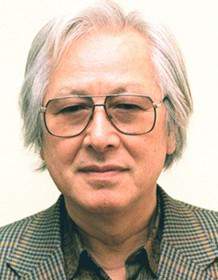
Kinji Fukasaku
Made by

Toei Company
Cops vs. Thugs Plot Summary
Read the complete plot summary and ending explained for Cops vs. Thugs (1975). From turning points to emotional moments, uncover what really happened and why it matters.
Set in 1963 in the fictional city of Kurashima, two rival yakuza factions collide as the Kawade family, led by Katsumi Kawade Mikio Narita, and the Ohara family, under acting boss Kenji Hirotani Hiroki Matsukata, bid for control. The Kawade faction is allied with ex-boss and city councilman Masaichi Tomoyasu Nobuo Kaneko, while the Ohara camp counts on ties within the local police. The balance of power and loyalty becomes the heartbeat of the city as raids, betrayals, and political pressure escalate.
An incident at a Tomoyasu bar triggers a brutal sequence: Ohara men raid one of Tomoyasu’s bars for a hostess who once worked for Hirotani, and the blame is pinned on a chosen Ohara member. Detective Kuno Bunta Sugawara obtains information on an illegal land auction deal involving the Kawade, Tomoyasu, and the local oil company Nikko Oil. Acting on this information, Hirotani leaks details of the deal. The land auction is put on hold, and Hirotani gains leverage by moving to control it. He offers to sell it back to Nikko Oil executive Kubo, but Kubo refuses. Elsewhere, Ohara members and their police allies clash with a truck driver revealed to be working for Kawade. This incident becomes a pretext for an all-out gang war against Hirotani.
With the war in full swing, Kawade, Tomoyasu, and Kubo meet with Police Commissioner Kikkuchi. Lieutenant Shoichi Kaida [Tatsuo Umemiya] is assigned to lead the crackdown against the Ohara family. Kaida orders the officers—Kuno among them—to stop fraternizing with the yakuza, and makes his point by smashing bottles of sake Hirotani had sent to the police one night. Yoshihura, one of the officers on Tomoyasu’s payroll, gets into a fight with Kaida, resigns, and joins Tomoyasu’s law office.
As the conflict intensifies, Boss Ohara is released from jail. Hirotani grows angrier as Kuno and his men are no longer tipped off about upcoming raids. After a raid at the Ohara headquarters, Boss Ohara is taken in for questioning and, following Tomoyasu’s advice, agrees to retire permanently, disband his family, and surrender his rackets to Boss Kawade. Kuno, meanwhile, lets one of Hirotani’s men go free; that man is arrested later, and he believes Kuno sold him out. A heated argument between Kuno and Kaida over the proper method to deal with the gangs unfolds. Kubo, preferring cooperation with the gangs, faces suspension after a confrontation with Kaida.
Desperate for revenge, Hirotani and his remaining men kidnap Yoshihura just as Hirotani’s arrest warrant arrives. The police mobilize to besiege the hotel, but every attempt to force a surrender fails. Kawamoto, a friend of Hirotani’s right-hand man Tsukahara, is killed after trying to intervene in negotiations. Kuno is recalled to defuse the situation, infiltrates the hotel, rescues Yoshihura, and subdues Hirotani after the hotel is tear-gassed. Kuno then arranges a deal with Kaida: the Kawade family will be disbanded, Hirotani and Tsukahara will receive light prison sentences, and Kaida will admit that Kuno was right about how to handle the gangs. If he refuses, Kaida will resign and risk exposing corrupt officers, including himself.
With the terms agreed, Hirotani’s men surrender and the violence subsides. An epilogue reveals that Kaida resigns from the force two years later and takes a position with Nikko Oil, while Kuno is transferred to another city as a patrolman. One night after his shift, Kuno encounters a pursuing truck that refuses to heed signals, and he is killed in a fatal pursuit, underscoring the perpetual cost of the city’s underworld battles.
Cops vs. Thugs Timeline
Follow the complete movie timeline of Cops vs. Thugs (1975) with every major event in chronological order. Great for understanding complex plots and story progression.
Rival yakuza factions rise in Kurashima
Two rival yakuza factions—the Kawade family and the Ohara family—clash for control of Kurashima in 1963. The Kawade are allied with ex-boss Tomoyasu, while the Ohara faction enjoys an alliance with the local police. The city quickly descends into a tense power struggle.
Illegal land deal surfaces and leaks shift power
Detective Kuno learns of an illegal land auction involving Kawade, Tomoyasu, and Nikko Oil. Hirotani leaks details of the deal to gain leverage and disrupt the competitive maneuvering. The auction is paused, allowing Hirotani to consolidate power.
Bar raid sparks open conflict and a pretext for war
Bar violence and a crew linked to Kawade explode into a citywide confrontation as Ohara men raid Tomoyasu’s hostess bar, blaming a rival Ohara member. A truck driver aligned with Kawade is beaten, giving Hirotani a pretext to escalate the war. The fighting spills into the streets and police involvement increases.
Kaida crackdown announced by the police
Police Commissioner Kikkuchi assigns Lieutenant Shoichi Kaida to crack down on the yakuza. Kaida orders officers to cut ties with the gangs and makes his stance clear by smashing Hirotani’s sake bottles. Yoshihura, a Tomoyasu loyalist, resigns from the force and joins Tomoyasu’s law office.
Ohara released; retirement pact seals shift
Boss Ohara is released from jail and, following Tomoyasu’s counsel, agrees to retire permanently and surrender his rackets. He disbands his family and hands power to Kawade, shifting the balance of influence in Kurashima. The arrangement signals a formal withdrawal of Ohara from the street war.
Kuno and Kaida clash over strategy; Kubo’s gambit
Kuno argues for a pragmatic approach to stabilize the city, while Kaida pushes for a hardline stance against any collusion with the gangs. Kubo believes cooperation with the gangs benefits the city, and his stance leads to a suspension after clashing with Kaida. The internal debate deepens the conflict’s complexity.
Kidnapping and hotel siege begin
To settle scores, Hirotani and his remaining men kidnap Yoshihura and hide him in a hotel. Police mobilize and attempt to besiege the hotel to force a surrender. The standoff tests loyalties within both the police and the gang factions.
Kawamoto dies during a negotiation attempt
Kawamoto, a friend of Tsukahara, is killed while unsuccessfully asking Tsukahara to negotiate Hirotani’s terms. The loss escalates tensions and complicates the already fragile negotiations. The incident underscores how precarious the ceasefire attempts are.
Kuno infiltrates, rescues Yoshihura, and subdues Hirotani
Kuno is recalled to defuse the situation and infiltrates the hotel. He rescues Yoshihura and subdues Hirotani after the hotel is tear-gassed. The immediate crisis appears to be nearing an end as a deal is negotiated.
Deal hammered: disbandment and light sentences
Kuno arranges a deal with Kaida: Kawade will be disbanded, Hirotani and Tsukahara will receive light prison sentences, and Kaida will admit that Kuno was correct about handling the gangs. If Kaida refuses, he will resign and threaten to expose corrupt officers. The agreement aims to restore a fragile order to the city.
Hirotani’s final bid for control is stopped
As the deal is carried out, Hirotani attempts to force a hostage situation by targeting Kaida. Kuno intervenes and shoots Hirotani, ending the immediate threat and bringing the war to a close for the moment.
Aftermath: resignations and transfers
Two years after the climactic events, Kaida resigns from the police and takes a position with Nikko Oil. Kuno has been transferred to another city as a patrolman, marking the end of his active involvement in Kurashima’s battleground.
Kuno’s death after the case closes
One night after the end of his shift, Kuno encounters a crashed car at the exit of a tunnel while being followed by a truck. The truck ignores signals and runs him over, killing him, casting a grim final note on the tale of Kurashima’s lawman.
Cops vs. Thugs Characters
Explore all characters from Cops vs. Thugs (1975). Get detailed profiles with their roles, arcs, and key relationships explained.
Detective Tokomatsu Kuno
A principled detective who roots out corruption within the police and gang circles. He methodically investigates the illegal land deal, infiltrates dangerous situations, and ultimately orchestrates a strategic takedown of Hirotani. His dedication to justice strains his relationships with colleagues who are tempted by bribes and backroom deals.
Kasumi Kawade
Head of the Kawade family who seeks to expand control over Kurashima by allying with local politicians. He navigates the city’s criminal networks and political factions, pushing for terms that secure his power. His calculated moves demonstrate how crime and politics intertwine in the struggle for dominance.
Masaichi Tomoyasu
Former boss turned city councilman who maintains a web of influence over law enforcement and business interests. He leverages political connections to protect his allies while quietly orchestrating deals that keep the status quo. Tomoyasu embodies the fusion of crime and politics at the heart of Kurashima’s power struggle.
Kenji Hirotani
Hot-headed acting boss of the Ohara family who fights for control of the city and retaliates against rivals. His paranoia and willingness to escalate violence lead to kidnappings and a confrontation with the police. His downfall comes when Kuno outmaneuvers him in a final, lethal clash.
Lt. Shoichi Kaida
Crusading lieutenant assigned to crack down on the Ohara faction while balancing pressures from corrupt elements within the police. He clashes with Kuno over strategy and ultimately agrees to a deal that disbands the Ohara leadership. His actions shape the film’s tense interplay between morality and expediency.
Tsukahara
Right-hand man to Hirotani, involved in negotiations and violence as the war with Kawade's faction intensifies. His loyalties are tested as temptations of leniency clash with the harsh demands of his boss. The character embodies the brutal pragmatism of organized crime.
Cops vs. Thugs Settings
Learn where and when Cops vs. Thugs (1975) takes place. Explore the film’s settings, era, and how they shape the narrative.
Time period
1963
The story unfolds in 1963 Kurashima, a period of postwar reconstruction and growing organized crime influence in urban Japan. Systemic corruption intersects with police work as gangs flex their reach over bars, land deals, and political favors. The year frames the escalating gang war and the tense, weapon-filled confrontations that define the film.
Location
Kurashima
Kurashima is a fictional city in 1960s Japan where rival yakuza factions clash for control. The film portrays a gritty urban landscape of bars, docks, and back-alley deals that blur lines between crime and politics. The city acts as a pressure cooker that amplifies corruption, loyalties, and the pursuit of power.
Cops vs. Thugs Themes
Discover the main themes in Cops vs. Thugs (1975). Analyze the deeper meanings, emotional layers, and social commentary behind the film.
💼
Power
Ambition and political influence drive the conflict, with city leaders and business interests manipulating law enforcement to secure control. The Kawade and Tomoyasu alliances showcase how power can corrupt institutions and shape outcomes. The film suggests that authority is a prize pursued through both legal and illegal means.
🕵️
Justice
Detective Kuno represents a pursuit of truth amid insinuations of police complicity. The narrative tests what justice means when corruption taints investigations and when deals are cut behind closed doors. The climactic pursuit demonstrates the cost of seeking accountability in a compromised system.
🗡️
Violence
The city becomes a battleground as gangs wage open warfare, kidnappings, and raids. Violence is both a method of intimidation and a consequence of failed negotiations. The hostage situation and the final shootout illuminate how escalation escalates tragedy for everyone involved.
🤝
Loyalty
Alliances shift as former associates turn against each other and old ties fray under pressure. The characters navigate personal loyalties versus public duty, revealing how friendships are tested by survival and ambition. Betrayal and reconciliation reveal the fragile nature of loyalty in a criminal world.

Coming soon on iOS and Android
The Plot Explained Mobile App
From blockbusters to hidden gems — dive into movie stories anytime, anywhere. Save your favorites, discover plots faster, and never miss a twist again.
Sign up to be the first to know when we launch. Your email stays private — always.
Explore the mobile appCops vs. Thugs Spoiler-Free Summary
Discover the spoiler-free summary of Cops vs. Thugs (1975). Get a concise overview without any spoilers.
In 1963, the fictional port city of Kurashima awakens to the promise of a lucrative waterfront development. The project becomes a magnet for ambition, drawing the city’s most powerful men into a silent contest for control. Beneath the glitter of progress, the streets pulse with the whispered negotiations of politicians, businessmen, and organized crime, setting a tone that feels both gritty and eerily modern.
At the heart of the rivalry stand two yakuza factions. Katsumi Kawade heads the Kawade family, an organization bolstered by the political weight of city councilman Masaichi Tomoyasu. Across the divide, Kenji Hirotani serves as the acting boss of the Ohara family, whose influence reaches into the local police hierarchy. Both men view the new development as a keystone for their future, and their competing ambitions are amplified by Detective Tokumatsu Kuno, a corrupt officer whose loyalties tilt with the highest bidder.
The law‑enforcement side is not a monolith. Police Commissioner Kikkuchi presides over a department caught between public duty and private pressure, while Lieutenant Shoichi Kaida leads a squad determined to enforce order without becoming entangled in the underworld’s game. Their uneasy alliance with, and suspicion of, the gangs adds a layer of tension that crackles through every hallway and back‑alley meeting.
The film moves like a noir‑styled chess match, where every glance could conceal an ulterior motive and every handshake could be a prelude to conflict. The atmosphere is thick with smoke, rain‑slicked streets, and the constant hum of a city on the brink, promising that the stakes surrounding the waterfront will soon push all involved toward a confrontation that could reshape Kurashima’s fragile balance.
Featured on this page

What's After the Movie?
Not sure whether to stay after the credits? Find out!
Check out our other apps:

SAT Sphere
Build confidence for the Digital SAT.

Mori Atlas
Discover wild places worth protecting.

Luntero
Search smarter for a home in Amsterdam.

Plot Explained
Unravel movie endings and hidden clues.

Pokechamp
Dive into Pokémon data and battle logic.

Driving Theory
Get ready for your European theory test.

Movie Dust
Plan your next cinema trip with ease.

Musemap
Find art and culture as you travel.

Selkobase
Compare credentials before committing.

Local Manual
Turn an unfamiliar country into practical next steps.

Lernavi
Compare school systems before your next move.

GymRoam
Find a workout stop wherever your plans take you.
Explore Our Movie Platform
New Movie Releases (2026)
Famous Movie Actors
Top Film Production Studios
Movie Plot Summaries & Endings
Major Movie Awards & Winners
Best Concert Films & Music Documentaries
Movie Collections and Curated Lists
© 2026 What's After the Movie. All rights reserved.
Privacy Policy