
Cigarettes and Coffee 2004

Directed by

Cristi Puiu
Made by

Temple Film
Cigarettes and Coffee Plot Summary
Read the complete plot summary and ending explained for Cigarettes and Coffee (2004). From turning points to emotional moments, uncover what really happened and why it matters.
In a dimly lit diner, a quiet, unfolding tension threads through conversations over cigarettes and coffee. A man recounts a time when gambling felt like luck itself: he wrote his name on a $20 bill for good fortune, then lent that bill to his friend Steve. He hurries back to the hotel room where he expected to meet Steve, Steve’s wife, and his own wife, only to be told that they would arrive later. He notices the same bill, still bearing his name, lying on the floor, and a creeping paranoia takes hold. Yet the bill proves lucky, and he cashes in on the thrill of victory, walking away with nearly $8,000 from the casino tables. Nearby, at another table, a husband vents his fury as his wife loses their money gambling on craps, recalling how he proposed and then lights his last cigarette, a small ritual of fading hope in a room full of low murmur and waiting eyes.
Outside, Bill finishes a phone call and steps into the diner, paying for coffee and cigarettes with another $20 bill. A younger man sits with a confession on his lips, admitting that he paid to have Steve and his wife killed. The waitress slides their change across the counter, and the older man spots the name Douglas Walker written on a $20 bill, a detail that makes him drop the bill to the floor in a moment of uneasy recognition. Bill slips back to his car, where Steve is hidden in the trunk, and the couple eventually leaves, the woman tucking the bill into her pocket. The older man remarks that drinking coffee and smoking a cigarette will make everything right, a wary mantra that lingers in the air as a moral hinge. On a desolate desert road, Bill drives away, the weight of luck, crime, and consequence trailing behind him as the scene fades.
Cigarettes and Coffee Timeline
Follow the complete movie timeline of Cigarettes and Coffee (2004) with every major event in chronological order. Great for understanding complex plots and story progression.
Origin of the lucky $20 bill
At a casino, he writes his name on a $20 bill, believing it will bring him luck. He explains that he later lends the bill to his friend Steve. This act sets the stage for the intertwined fates that follow.
Lending the bill to Steve
While still in the casino, he hands the lucky bill to Steve, changing who holds the money. Steve accepts it, unaware of how it will affect everyone's plans. The bill becomes a catalyst for the night’s troubles.
Return to the hotel to meet the others
Back at the hotel, he heads to the room where he was to meet Steve, Steve's wife, and his own wife. His wife tells him that Steve and Steve's wife will arrive later. The anticipation heightens the sense that something is about to unravel.
Paranoia over the bill
He spots the $20 bill with his name on it lying on the floor and becomes paranoid. He worries that the bill might expose him or the plot they've been discussing. The paranoia foreshadows the consequences of the night’s decisions.
Gambling win with the lucky bill
He pockets the bill again and uses it to gamble, winning almost $8,000. The windfall amplifies the tension as the group’s plans tighten around the money. The success deepens the characters’ fixation on the bill.
Desperation at the craps table
At another table, a husband is furious that his wife lost all their money gambling on craps. He recounts his marriage proposal and lights his last cigarette. The scene adds a layer of personal desperation to the casino’s atmosphere.
Bill finishes a phone call and arrives
Outside, Bill finishes a phone call before entering the diner. He orders coffee and cigarettes, paying with a $20 bill. His arrival intersects with the others’ schemes and secrets.
Confession of the murder-for-hire plan
The younger man confesses that he has paid to have Steve and his wife killed. The admission reveals a murder-for-hire plot that binds all the players together. Tension spikes as the consequences become immediate.
Douglas Walker on a $20 bill
As the waitress delivers the change, the older man notices the name Douglas Walker written on a $20 bill. He drops it on the floor, dropping a clue that links the two bills and their fates. The discovery deepens the mystery surrounding the money.
Steve hidden in the trunk
Bill returns to his car and opens the trunk; Steve is inside. The discovery confirms that Steve is being moved as part of the arrangement. The scene builds toward the final acts of the night.
The couple leaves with the bill
The couple leaves the diner, and the woman takes the bill. This moment shifts control of the money and its symbolism from the men to the woman. The exchange signals the bill’s movement toward the story’s resolution.
A ritual to set things right
The older man tells the younger man that drinking coffee and smoking a cigarette will make everything right. He frames routine acts as a way to cope with the chaos around them. The exchange underscores the film’s motif of small rituals amid big plans.
A kiss outside and the road ahead
Outside, the couple kiss, offering a fleeting moment of normality amid the tension. Bill then drives off toward the desert road, leaving the scene behind. The juxtaposition hints at the uncertain path ahead for all involved.
Bill drives down the desert road
Bill continues alone down a desolate desert road, headlights cutting through the night. The open highway signals an unsettled, uncertain destination for the characters. The sequence ends with the sense that the night’s schemes will unfold further away from the diner.
Cigarettes and Coffee Characters
Explore all characters from Cigarettes and Coffee (2004). Get detailed profiles with their roles, arcs, and key relationships explained.
Father (Victor Rebengiuc)
An older, world-weary figure who offers a cryptic, fatalistic take on luck and fate. He listens with calm intensity as the younger man speaks, and his remarks about coffee and cigarettes hint at a belief that small rituals can momentarily fix a troubled situation.
Son (Mimi Brănescu)
The younger man who confesses to paying someone to kill Steve and his wife. He embodies reckless ambition and a willingness to gamble with others’ lives. His dialogue reveals a morally slippery mindset and a desire to control outcomes through crime.
Waiter (Mihai Brătilă)
A calm, observant presence in the diner who helps set the scene and emphasizes the ordinary backdrop against which extraordinary events unfold. He provides service with a neutral demeanor as tension builds around the bill and the confessions.
Cigarettes and Coffee Settings
Learn where and when Cigarettes and Coffee (2004) takes place. Explore the film’s settings, era, and how they shape the narrative.
Time period
Early 1990s
The events unfold in modern-day America, with casinos, hotels, and diners forming a recognizable backdrop. The narrative relies on present-day cultural cues—gambling, currency, and casual dialogue—to create a sense of immediacy. The mood leans noir, emphasizing ambiguity and fate over historical specificity.
Location
Diner, Casino, Desert Road
A late-night diner serves as the central meeting point where strangers cross paths. The story moves from the diner to a casino's glow and finally onto a solitary desert road, weaving a web of chance and consequence. These contemporary spaces ground the drama in familiar environments that suddenly feel charged with danger.
Cigarettes and Coffee Themes
Discover the main themes in Cigarettes and Coffee (2004). Analyze the deeper meanings, emotional layers, and social commentary behind the film.
🎲
Chance
Gambling and a simple $20 bill become catalysts for fate, driving characters toward unpredictable outcomes. Luck is treated as a powerful, almost ritual force that can rearrange lives in an instant. The film suggests that trying to master luck only exposes the fragility of human plans.
💀
Consequences
A plot to murder others threads through everyday conversations, highlighting how violent ideas can emerge from casual settings. The characters confront moral weight and the fallout of reckless choices. The ending leaves question marks about cause, accountability, and what comes after the act.
🗣️
Communication
Dialogue and quiet moments alike shape the tension, with what is said and left unsaid guiding the narrative. Repeated rituals—coffee, cigarettes, and the coded value of a bill—act as talismans that reveal character and motive. The film probes how language can both reveal and obscure intent, pulling people toward danger.

Coming soon on iOS and Android
The Plot Explained Mobile App
From blockbusters to hidden gems — dive into movie stories anytime, anywhere. Save your favorites, discover plots faster, and never miss a twist again.
Sign up to be the first to know when we launch. Your email stays private — always.
Explore the mobile appCigarettes and Coffee Spoiler-Free Summary
Discover the spoiler-free summary of Cigarettes and Coffee (2004). Get a concise overview without any spoilers.
In the muted hum of a modest Bucharest restaurant, the stale aroma of coffee mingles with the faint scent of cigarettes, creating a backdrop that feels both ordinary and charged with unspoken tension. The story opens on the father, a man whose life has long been anchored by routine and the promise of a quiet retirement. Two years before that promised calm, he is unexpectedly dismissed from his lifelong job, a blow that unsettles the fragile balance he has built. The loss reverberates louder than the clatter of plates, hinting at deeper anxieties about identity, purpose, and the looming shadow of financial insecurity.
Across the same worn table sits the son, a figure caught between admiration for his father’s past diligence and the pragmatic pressures of his own existence. Their relationship, frayed by years of unspoken expectations, becomes the emotional core of the film. As the older man grapples with the sting of his severed career, he leans on his son not just for moral support but for a pragmatic lifeline—re‑entry into a workplace that seems to have moved on without him. The son’s own aspirations and doubts flicker beneath the surface, suggesting a delicate dance of dependence, pride, and the lingering fear of failing the very person who once taught him to stand.
The restaurant itself is more than a setting; it is a crucible where past and future collide. Its dim lighting and peppery conversations frame the characters’ quiet desperation and muted hope. The occasional clink of a spoon against a cup punctuates moments of reflection, while the street outside drifts by unnoticed, mirroring the sense that the world continues unabated even as these two men confront a personal crossroads. The tone balances melancholy with a subtle, almost tender humor, inviting the audience to linger over the nuances of familial duty and the quiet resilience that can emerge when ordinary moments become the stage for extraordinary decisions.
Movies with Similar Twists and Themes
Uncover films that echo the narrative beats, emotional arcs, or dramatic twists of the one you're exploring. These recommendations are handpicked based on story depth, thematic resonance, and spoiler-worthy moments — perfect for fans who crave more of the same intrigue.
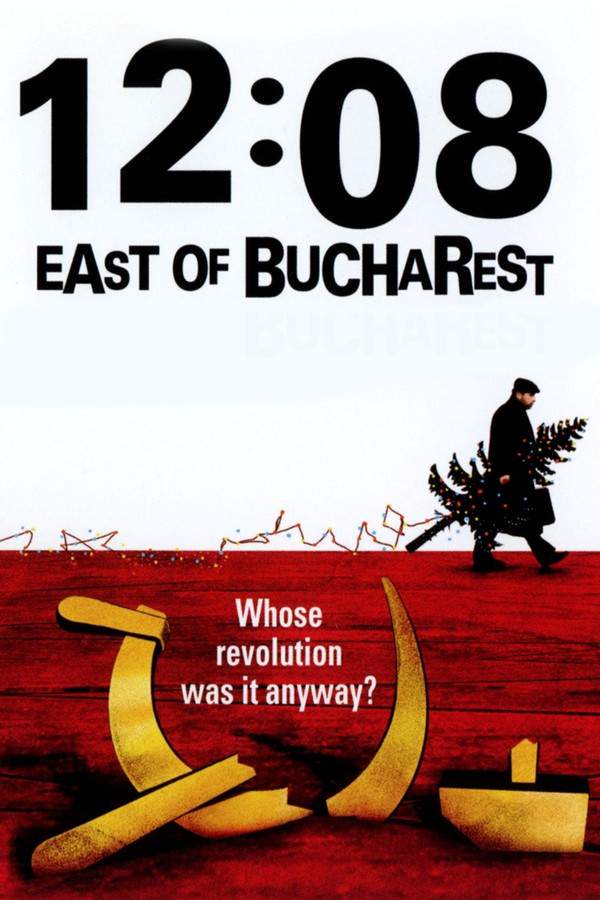

Featured on this page

What's After the Movie?
Not sure whether to stay after the credits? Find out!
Check out our other apps:

SAT Sphere
Build confidence for the Digital SAT.

Mori Atlas
Discover wild places worth protecting.

Luntero
Search smarter for a home in Amsterdam.

Plot Explained
Unravel movie endings and hidden clues.

Pokechamp
Dive into Pokémon data and battle logic.

Driving Theory
Get ready for your European theory test.

Movie Dust
Plan your next cinema trip with ease.

Musemap
Find art and culture as you travel.

Selkobase
Compare credentials before committing.

Local Manual
Turn an unfamiliar country into practical next steps.

Lernavi
Compare school systems before your next move.

GymRoam
Find a workout stop wherever your plans take you.
Explore Our Movie Platform
New Movie Releases (2026)
Famous Movie Actors
Top Film Production Studios
Movie Plot Summaries & Endings
Major Movie Awards & Winners
Best Concert Films & Music Documentaries
Movie Collections and Curated Lists
© 2026 What's After the Movie. All rights reserved.
Privacy Policy